Exam #3 - Organic Chemistry
 Call Kai
 Learn
 Practice Test
 Spaced Repetition
 Match
 Flashcards
 Knowt Play
1/72

There's no tags or description
Looks like no tags are added yet.
73 Terms
alkanes
hydrocarbons that contain only single bonds between carbon atoms (C-C); also known as saturated hydrocarbons
general formula for alkanes where n is the number of carbon atoms and 2n+2 is the number of hydrogen atoms
CnH2n+2
isomers
different compounds that have the same molecular formula but different structural formula and properties; only occurs in alkanes with 4 or more carbon atoms
alkyl group + parent chain stem + -ane
IUPAC naming formula for alkanes
alkyl group
a substituent formed by removing one hydrogen atom from an alkane; replaces “-ane” ending with “-yl” ending; (eg. methane in to methyl)
halogenation
process of halogens replacing hydrogens on alkanes in presence of UV light or heat
position of substituent + halogen prefix + parent alkane
formula for naming halogenated hydrocarbons (alkanes)
cyclic hydrocarbons
a hydrocarbon chain that contains 3+ carbon atoms and whose ends joint to form a ring
alkenes
hydrocarbons with one or more double bonds between carbons (C=C)
General formula of alkenes
CnH2n
alkynes
hydrocarbons that have one or more triple bonds between carbons (C=C)
general formula of alkynes
CnH2n-2
double bond location + position of substituent + alkane parent name + -ene ending
formula for naming alkynes
tripple bond location + position of substituent + alkane parent name + -yne ending
formula for naming alkynes
cyclo + alkane parent name + -ane, -ene, or -yne ending
formula for naming cyclic hydrocarbons
cis isomers
isomers in which substituent groups are on the same side of the double bond
trans isomers
isomers in which substituents are on opposite sides of the double bond
hydrogenation
chemical process of adding hydrogen (H2) across a double or triple bond in the presence of a metal catalyst; converts unsaturated alkenes into saturated alkanes
hydration
the chemical process of adding water (H2O) across a double or triple bond to form an alcohol; requires a strong acid catalyst such as H2SO4
(—CH2—CH2—)n
abbreviated notation for polymers
cyclic hexagonal structure with alternating double bonds
structure of benzene
aromatic compounds
any compound that contains a benzene ring or has benzene-like properties
toluene
a benzene ring with a methyl substituent
phenol
a benzene ring with an OH substituent
aniline
a benzene ring with a NH2 substituent
ortho-
prefix that refers to a 1,2 substituent distribution on a benzene ring
meta-
prefix that refers to a 1,3 substituent distribution on a benzene ring
para-
prefix that refers to a 1,4 substituent distribution on a benzene ring
aryl groups
aromatic grous / benzene rings that act as substituents an a larger compound
phenyl group
the most common aryl group made by removing one hydrogen atom from benzene
functional group
a specific structural arrangement of atoms or bonds within a molecule that imparts a characteristic chemical reactivity to that molecule;
eg. C=C or -OH
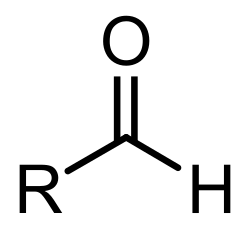
aldehyde
a functional group that contains a carbonyl (C=O) bonded to at least one hydrogen
aldehyde structure
R-CHO
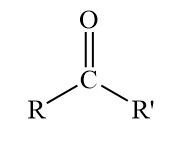
ketone
functional group that contains a carbonyl (C=O) bonded to two other carbon atoms
ketone structure
R-CO-R
carboxylic acid
a functional group that contains a carbonyl (C=O) and a hydroxyl (-OH) on the same carbon
carboxylic acid structure
R-COOH

-al
suffix for aldehydes
-one
suffix for ketones
-oic acid
suffix for carboxylic acids
alcohol
an organic compound with a hydroxyl (-OH) functional group attached to a carbon atom
alcohol structure
R-OH

location of substituent + substituent name + location of alcohol+ alkane name + -ol
naming formula for alcohols
primary alcohols
alcohols in which the carbon atom with the OH group is attached to only one other carbon atom

secondary alcohols
alcohols in which the carbon atom with the OH group is attached to two other carbon atoms

tertiary alcohols
alcohols in which the carbon atom with the OH group is attached to three other carbon atoms

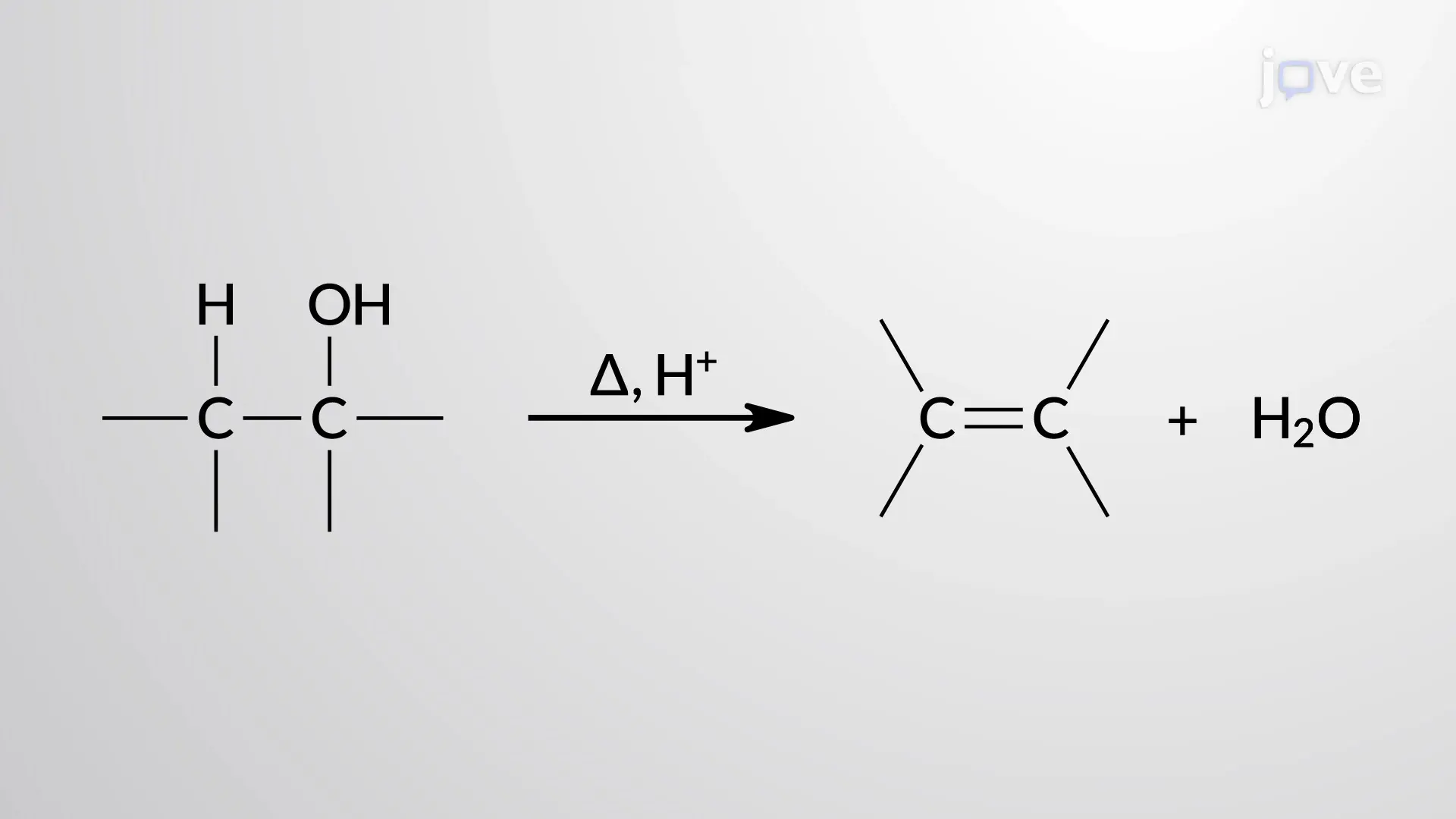
dehydration
chemical process in which the OH group and one hydrogen is removed from an alcohol to make an alkene and water
ether structure
R-O-R
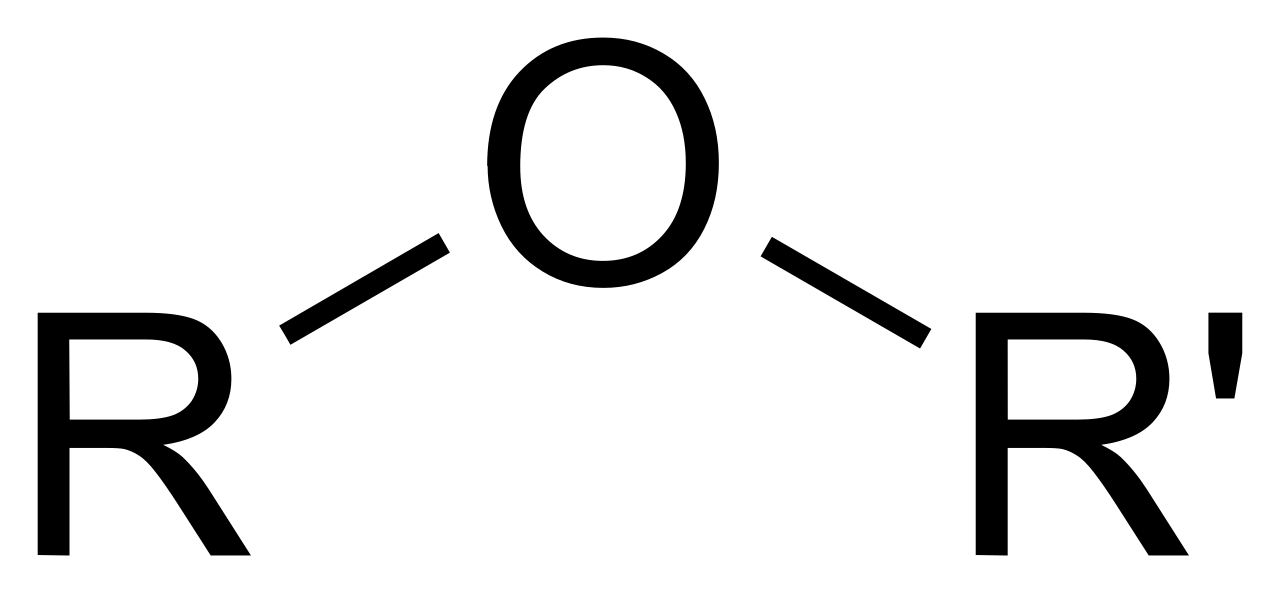
ether
a derivative of water where both hydrogens are replaced by alkyl or aryl groups; also a derivative of alcohol (R-OH) where the H of the OH group is replaced with another R group
name of group attached to oxygen atom + ether (alphabetically)
formula for naming ethers
oxidation of primary alcohols
chemical process in which oxygen is added to a primary alcohol to form an aldehyde; can add more oxygen to make carboxylic acids
oxidation of secondary alcohols
chemical process of adding an oxidizing agent (like K2Cr2O7) to a secondary alcohol to create a ketone; cannot be further oxidized
oxidation of tertiary alcohols
chemical process in which no reaction occurs from adding oxygen to a tertiary alcohol
phenol structure
Ar-OH

amines
a compound derived from ammonia (NH3) where one, two, or three hydrogen atoms are replaced by an alkyl or aryl group
primary amines
amines in which one hydrogen atom is replaced by one alkyl or aryl group
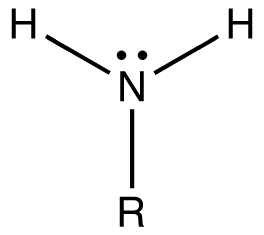
secondary amine
amines in which one hydrogen atom is replaced by two alkyl or aryl groups
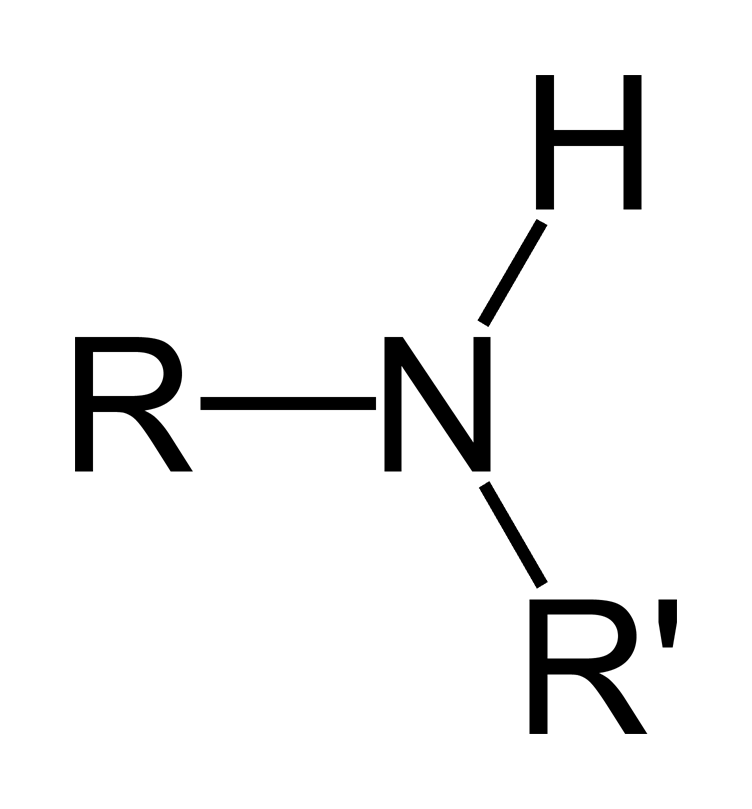
tertiary amine
amines in which one hydrogen atom is replaced by three alkyl or aryl groups
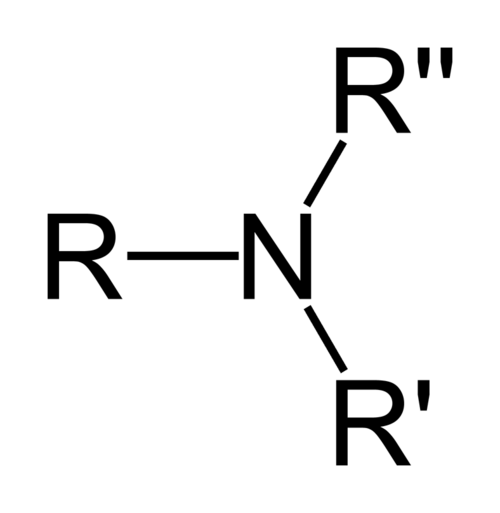
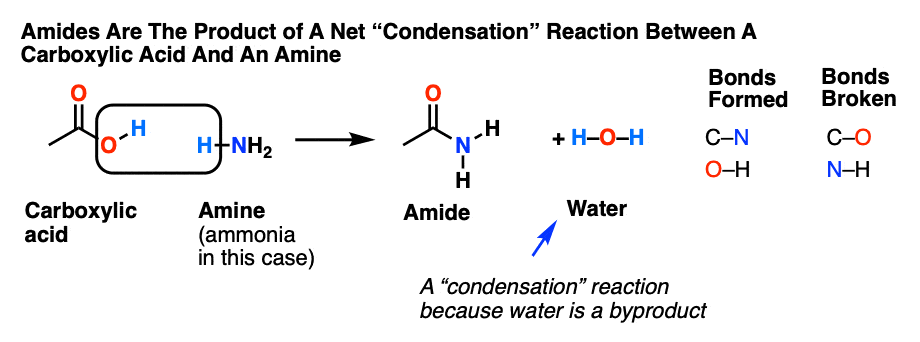
amide
a functional group made of a carbonyl group (C=O) directly joined to a nitrogen atom from ammonia or an amine
amide structure

benzoic acid structure
Ar-COOH

ionization of carboxylic acids in water
chemical process in which a carboxylic acid ionized slightly in water by donating an H+ ion to water to create a carboxylate anion (RCOO-) and a hydronium ion (H3O+)

carboxylic acid reaction with strong base
chemical process in which a strong base (like NaOH) is added to carboxylic acid to form a carboxylate salt (RCOO-Na+) and water (H2O)

cation name + anion name + oate
formula for naming carboxylic acid salts
substituent name + alkane parent name + oate
formula for naming esters
esterification
chemical process of adding an alcohol to a carboxylic acid to create an ester and water; is reversible
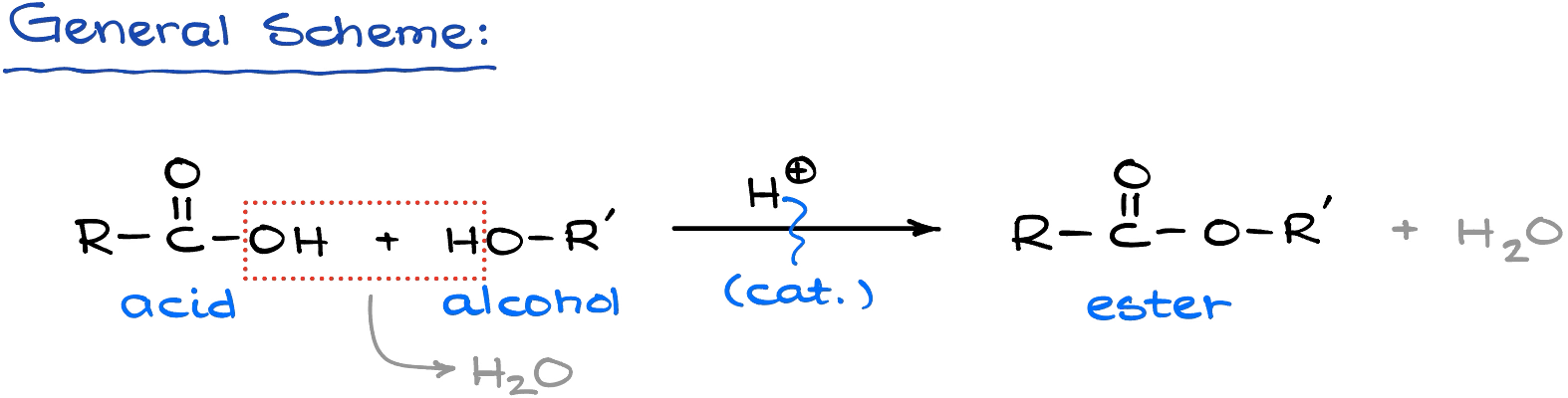
saponification
chemical process of adding a base (like NaOH) to an ester to produce a carboxylate salt and an alcohol
phosphate esters
a phosphoric acid molecule bound to one, two, or three alcohol molecules
alkyl groups attached to N in alphabetical order + -amine suffix
formula for naming amines
reaction of amines with water
chemical process of adding H2O to an amine to form ammonium and hydroxide ions

reaction of amines with strong acids
chemical process of adding strong acid (like HCl) to an amine (NH3) to form salts (NH4+Cl-)

carboxylic acid name - “-oic acid” + amide suffix
naming formula for amides
formation of amides
chemical process of adding ammonia (NH3) to a carboxylic acid (R-COOH) to make amides (R-CONH2) and water (H2O)