Chapter 4 terms
 Call Kai
 Learn
 Practice Test
 Spaced Repetition
 Match
 Flashcards
 Knowt Play
1/20

There's no tags or description
Looks like no tags are added yet.
21 Terms
Worksheet
multiple-column form that may be used in making adjustments and in preparing financial statements (closing = zeroing accounts )
not a permanent accounting record
prepared using a 5-step process
optional
Temporary (nominal) accounts
Accounts that relate only to a given accounting period.
Consist of all income statement accounts, the Dividends account, and the Income Summary account.
All temporary accounts are closed at the end of the accounting period.
Permanent Real Accounts
Accounts that relate to one or more future accounting periods.
Consist of all balance sheet accounts.
Balances are carried forward to the next accounting period.
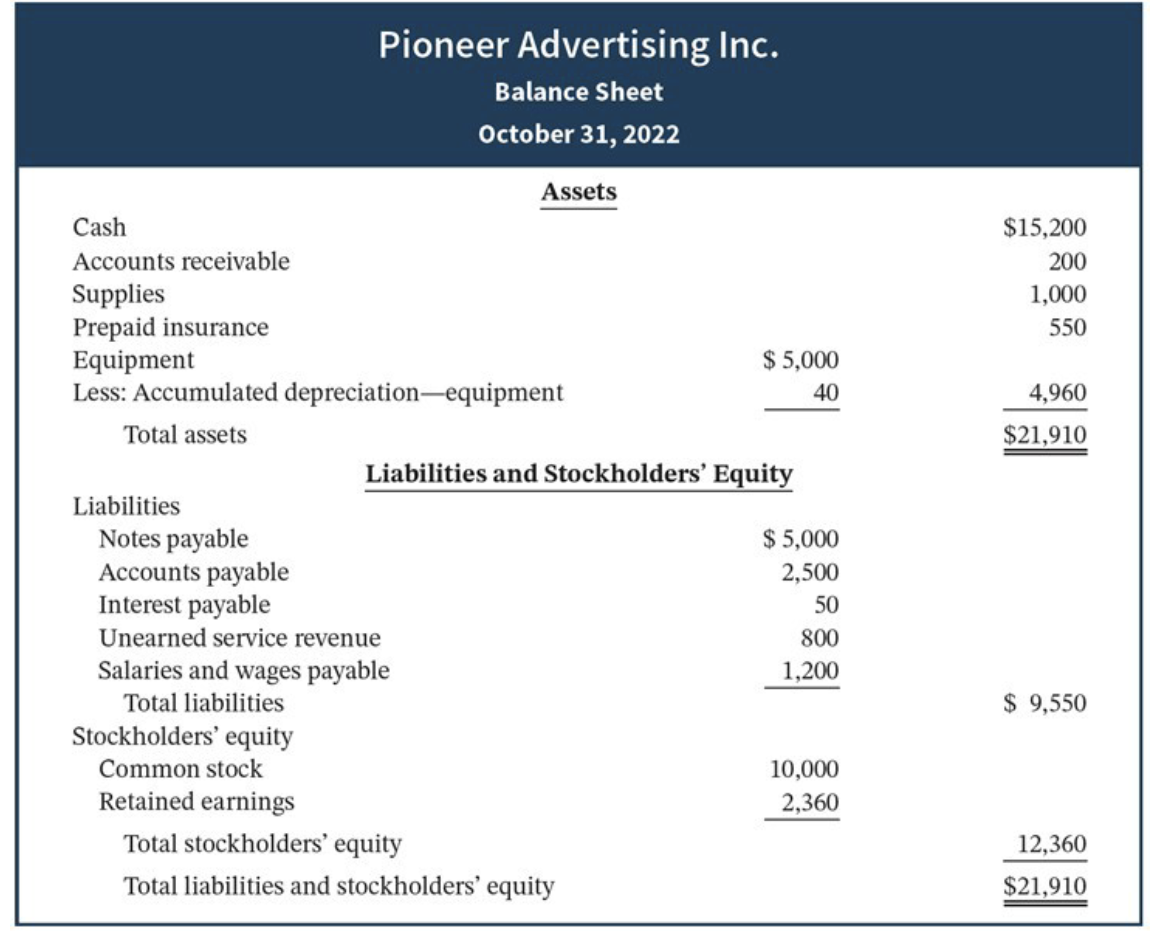
Classified Balance Sheet:
contains standard classifications or sections
Closing entries:
Entries made at the end of an accounting period
formally recognize in the ledger the transfer of net income & dividends → Retained Earnings
Produce a zero balance in each of the temporary accounts (closes a temporary account but also updates them )

Correcting Entries
Entries to correct errors made in recording transactions
Currents assets:
Assets that a company expects to convert to cash or use up within one year or its operating cycle, whichever is longer
could be more than one year
Currents liabilities
Obligations that a company expects to pay within the coming year or its operating cycle, whichever is longer
Income summary
A temporary accounts used in closing revenue and expense accounts
Intangible assets
Long lived assets that do not have physical substance
Liquidity
The ability of a company to pay obligations expected to be due within the next year
Long terms investments
(1) investments in stocks and bonds of other companies that are normally held for many years;
(2) long-term assets, such as land and buildings, not currently being used in operating activities;
(3) long-term notes receivable.
Long Term Liabilities
Obligations that a company expects to pay after one year
due longer than one year (noncurrent)
Operating Cycle
The average time that it takes to purchase inventory, sell it on account, and then collect cash from customers
Post Closing trial balance
A list of permanent accounts and their balances after a company has journalized and posted closing entries.
Property, Plant, and Equipment
Assets with relatively long useful lives that are currently being used in operations
Reversing Entry
An entry, made at the beginning of the next accounting period that is the exact opposite of the adjusting entry made in the previous period.

Steps to prepare a trial balance
Current assets: examples
cash,
short term investments,
accounts receivable,
inventory,
prepaid insurance
Long-Term investments
stocks/bonds of other companies,
land held for future plant construction
Property, Plant, and Equipment examples
Land,
Buildings,
Equipment (Less: Accumulated Depreciation).