a&p chapter 1-2
 Call Kai
 Learn
 Practice Test
 Spaced Repetition
 Match
 Flashcards
 Knowt Play
1/266

267 Terms
osmotic pressure
Because of the inability of RBCs and albumin to pass through the filtration membrane of the renal corpuscle, they exert a small amount of ----- on the tubular fluid towards the glomerulus.
vesicles
transport materials
microfilament network under microvilli
terminal web
diffusion
driven by concentration gradient and move from H to L (w out energy)
osmosis
move towards higher solute concentration
concentration gradient
differences in concentration between two area
substances move down naturally
with a steeper gradient- faster movement
catabolism
exergonic
ions and polar molecules to make hydration spheres
water dissolves
osmosis
water drives —- towards higher solute concentration
Microvilli
part of cell that increase SA for absorption
positive feedback
blood clotting and nerve signaling are examples of this
anabolism
endergonic
atom
smallest unit of element
nucleus
controls cells function
hydrophobic
Water diffusion through a ------ cell membrane is made easier by membrane proteins called aquaporins.
osmosis
Movement away from high solvent concentration or towards high solute concentration describes
phospholipids
The majority of the plasma membrane can be described as a bilayer of _________ with associated proteins
Electrolytes
A chemical that dissociates in water producing a solution that can conduct electricity
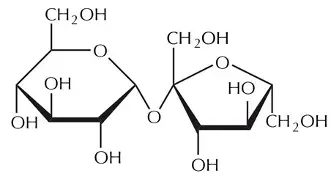
sucrose
maltose
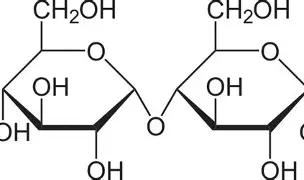
lactose

True
glucose is hydrophilic
terminal web
layer inside plasma membrane in cells forming a layer or lining
Galactose

fructose

small nonpolar
---- ------ molecules pass directly through the phospholipid bilayer.
charged particles
---- ------ can diffuse through the membrane if specific channel proteins are open.
large polar
--- ----- molecules like glucose can cross the membrane via facilitated diffusion.
small polar
---- ----- molecules like water can slip through small gaps in the phospholipid bilayer.
lipids
98% of the molecules in the plasma membrane are -----
phospholipids
various movements of the ---- keep the membrane fluid
phosphate group
Both nucleic acid and ATP have
amino group
all proteins have
methyl group
all fat, oil, steroids, AA have
carboxyl group
all AA, sugar, proteins have
hydroxyl group
all sugar and alcohols have
substrate
binds to active site of an enzyme
E+S -> E-S -> E-P -> E+P
mechanism of enzyme
false
enzyme binds one reactant at a time
sum of all of the chemical reactions in the body
metabolism
hydrophilic
are carbohydrates hydrophobic or hydrophilic
hydrophilic
is glucose hydrophobic or hydrophilic
cholesterol
the membrane is stiffened in some spots, decreasing fluidity by ----- molecules
catabolism
energy releasing decomposition reactions
carbohydrate chain
can be added to lipids or proteins
true
do sodium potassium pumps consume half your daily energy expenditure
anabolism
energy storing synthesis reactions such a prodution of protein or fat
synthesizing proteins and copying instructions from DNA
RNA
filtration
movement of fluids through a selectively permeable membrane caused by hydrostatic pressure
hydrostatic blood pressure
fluids and small solutes are forced between cells of the vascular endothelium
simple diffusion
H to L
gives instructions for synthesizing all of the body's proteins and constitues our genes
DNA function
active site
location of the reaction on an enzyme
phosphorus
major component of nucleic acids
sulfur
found in proteins
iodine
a component of thyroid hormone
zinc
some enzyme only function when this is present
sodium
needed for muscle and nerve function
attraction of cation and anions to each other
what is important in maintaining muscle and nerve excitability
contribute to body structure
function of minerals
ions, phosphate, large polar molecules, and proteins
4 impermeable compounds
inspection
appearance
Palpation
feeling structure
Auscultation
listening to body
Percussion
tapping and interpreting resistance and sounds
Dissection
seperate tissue to reveal relationships
anatomy
structure
physiology
function
function, structure
— gives meaning to —
structure, function
— makes — possible
Gross Anatomy
what is visible to the eye
Histology
miscroscopic study of tissue
Cytology
study of cells and their ultra structure
Neurophysiology
physiology of the nervous system
Endocrinology
study of hormones
Pathohistology
study of diseased tissues
atom, molecule, macromolecule, organelle, cell, tissue, organ, organ system, organism
order of life
atom
smallest unit of element
molecule
2+ atoms bonded together
organelle
special structure in a cell
cell
smallest unit that performs all functions
tissue
aggregation of cells and extracellular materials that perform a discrete function
connective, muscular, nervous, epithelial
4 types of tissues
organ
2+ diff types of tissue working tgh
organ system
organ work together for common function
organism
complete individual
organization, cell composition, metabolism, responsiveness, homeostasis, development, reproduction, evolution
all life has
organization
high levels of complexity than non living worlds
cell composition
made up of smallest structure meeting criteria of life
metabolism
bring nutrients, produce energy, build components, eliminate waste
Responsiveness
interact with enviroment
Homeostasis
maintain stable internal condition
fluctuate around set point
development
increase in size and functional complexity
reproduction
additional copy of themselves
evolution
genetic change from generation to generation
evolution
gene mutation and rate of success in environment include
effector
carry out corrective action
integrating center
interpret info and determine response (brain)
receptor
detect change in environment
positive feedback
Feedback that tends to magnify a process or increase its output.