Ch 2: Evaluating Herbal Supplements
 Call Kai
 Learn
 Practice Test
 Spaced Repetition
 Match
 Flashcards
 Knowt Play
1/80

There's no tags or description
Looks like no tags are added yet.
81 Terms
ginkgo binomial
Ginkgo biloba
uses of ginkgo in TCM
strengthens heart and lungs
2 active compounds in ginkgo
flavonoids and terpenes
4 ailments treated by ginkgo in modern medicine
dementia
memory impairment
sleep disorders
dizziness
efficacy of ginkgo; is it proved in trials?
delays dementia (but does not prevent dementia)
proved in trials
evidence as a memory enhancer is not fully convincing
adverse effects of ginkgo
usually mild, reversible
may interact with anticoagulants
Asian ginseng binomial
Panax ginseng
American ginseng binomial
Panax quinquefolius (five-leaved)
traditional medicines that use ginseng
Chinese (TCM) and European (ETM)
uses for/effects of ginseng in TCM and ECM
improve stamina and concentration
diuretic
antidepressant
aphrodisiac
Why was ginseng used as an aphrodisiac in TCM and ECM?
because of the body-like appearance of its roots
active compounds in ginseng, and where they’re found
saponins and sterols
preparation form of ginseng
fresh or dried
efficacy of ginseng in trials
mixed results
proven: enhances mood and imporves stamina
may decrease effect of warfarin
Who should not take ginseng?
children
active people
people on stimulants
adverse effects of ginseng
uncommon but serious
insomnia
diarrhea
schizophrenia
headache
garlic binomial
Allium sativa
effects of garlic in TEM and TIM (traditional Indian medicine)
antibacterial
lipid-lowering
effects/uses for garlic in modern medicine
lowering cholesterol levels
modest effect; lowers serum triglyerides, but not LDL
active compounds in garlic, and where they’re found
alliin and allicin
sulfur-containing compounds
found in bulbs
alliin is present → converts to allicin when crushed and exposed to air
adverse effects of garlic
odor
can interact with blood thinners
purple coneflower binomial and family
Echinacea purpurea
part of family Asteraceae
traditional medicine that uses purple coneflower
North American traditional medicine (NAM)
traditional uses for purple coneflower
immune stimulant
antimicrobial
anti-inflammatory
treatment for infections of respiratory and urinary tracts
traditional preparation of purple coneflower
fresh juice for respiratory tract and urinary infections
active compounds in purple coneflower
polysaccharides
tip to remember: ice cream cones are sweet, coneflower has sugars
efficacy of purple coneflower
effective in treating infections and colds
14 studies conclude: it prevents colds by 58%, reduces duration of upper respiratory tract infections
adverse effects of purple coneflower
allergic reaction (rare)
St. John’s Wort binomial
Hypericum perforatum
traditional medicines that use St. John’s Wort
European medicine
Asian medicine
North American medicine
active compounds in St. John’s Wort
phenols
terpenoids
hypericin
hyperforin
one traditional method of preparation of St. John’s Wort
flower oil
extract from entire plant
modern use for St. John’s Wort
antidepressant
effect of hypericin in St. John’s Wort
gives red stain of flower oil
staining when smushed signals that flowers are ready for harvest
effect of hyperforin in St. John’s Wort
pain relief (and antidepressant)
efficacy of St. John’s Wort
in clinical trials, more effective than conventional antidepressants
potential adverse effects of St. John’s Wort
mania
infrequent photosensitization (sensitivity to light)
(AEs are serious)
can interfere with prescription drugs
saw palmetto binomial
Serenoa repens
active compounds in saw palmetto, and where they’re found
fatty acids and phytosterols
found in fruits (drupes)
prepared form of saw palmetto
dry fruit solvent extract is recommended
uses of saw palmetto
treats benign prostate hyperplasia (BPH)
efficacy of saw palmetto
comparable to synthetics (e.g. Proscar)
supported with clinical trials
adverse effects of saw palmetto
rare, normally mild
kava binomial
Piper methysticum
methysticum means intoxicating
Piper is the pepper family
traditional medicines that use kava
traditional Australian medicine (TAUM)
Polynesian medicine
parts used and traditional preparation of kava
rhizomes and roots are ground into beverage
traditionally chewed
uses of kava
treat anxiety and disturbed sleep
active compounds in kava
kavalactones
kavapyrones
efficacy of kava
effective short-term
dangerous long-term or with high dosage
adverse effects of kava
exhibited with long-term use or high dosage:
flaky, dry, and/or yellowing skin
loss of hair, weight, and hearing
toxic liver damage
cranberry binomial
Vaccinium spp.
active compounds in cranberry, and where they’re found
anthocyanins (a type of antioxidant)
found in fruits
provide dark red/purple/blueish colors
preparation method of cranberry
juice from fruits
uses/effects of cranberry
antimicrobial → treats UTIs
improves cardiovascular health
efficacy of cranberry
effective, but not suitable for all
patients using anticoagulants should avoid
milk thistle binomial
Silybum marianum
parts of milk thistle used
dry achenes (fruits)
effect of milk thistle
supports liver health
tip to remember: drinking is bad for the liver, drink milk instead of alcohol
efficacy of milk thistle
controversial
rigorous clinical trials are lacking
adverse effects of milk thistle
none reported
black cohosh binomial
Cimicifuga racemosa
parts of black cohosh used
dried rhizomes and roots
uses for black cohosh
treats menopausal symptoms and hot flashes
efficacy of black cohosh
recent studies suggest using in combination with St. John’s Wort
adverse effects of black cohosh
mild gastrointestinal upset
nausea
vertigo
AEs are possible at higher doses (>160 mg/day)
soy binomial
Glycine max
active compounds in soy, and where they’re found
isoflavones (phytoestrogens)
found in seeds
efficacy of soy
small but positive effect in postmenopausal women
not suitable for small children
adverse effects of soy
may cause allergic reaction

What plant is this?
ginkgo (Ginkgo biloba)

What plant is this?
Asian ginseng (Panax ginseng)
see American ginseng for a picture of roots

What plant is this?
American ginseng (Panax quinquefolius)
see Asian ginseng for a picture of leaves

What plant is this?
garlic (Allium sativum)

What plant is this?
purple coneflower (Echinacea purpurea)

What plant is this?
St. John’s Wort (Hypericum perforatum)

What plant is this?
saw palmetto (Serenoa repens)

What plant is this?
kava (Piper methysticum)

What plant is this?
cranberry (Vaccinium spp.)
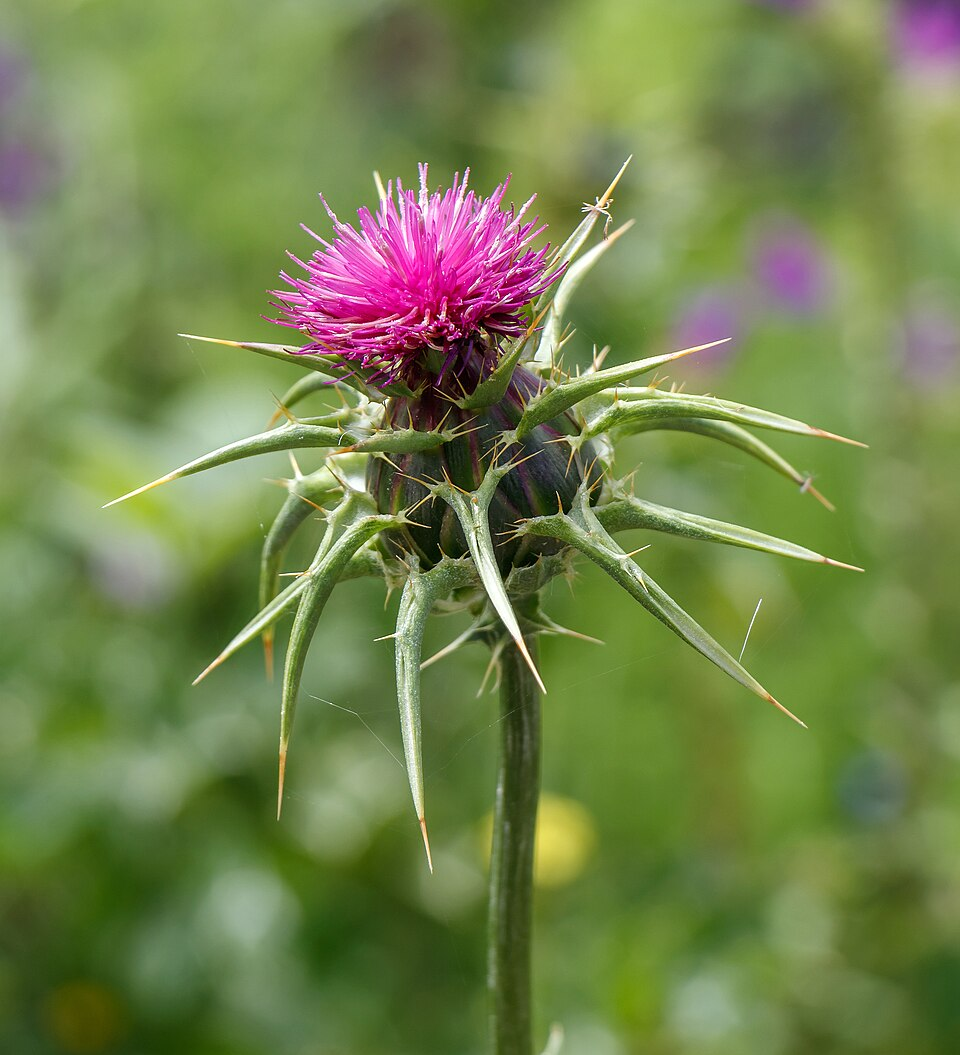
What plant is this?
milk thistle (Silybum marianum)

What plant is this?
black cohosh (Cimicifuga racemosa)

What plant is this?
soy (Glycine max)