Psych Chapters 4-7
 Call Kai
 Learn
 Practice Test
 Spaced Repetition
 Match
 Flashcards
 Knowt Play
1/116

There's no tags or description
Looks like no tags are added yet.
117 Terms
synaesthesia
mixing of senses
binding problem
how do we bind all perceptions into one whole while keeping sensory elements seperate
sensation
stimulus detection and the reaction process
perception
making sense of what senses tell us
transduction
process where stimulus converted into nerve impulses
psychophysics
studies relation between physical characteristics of stimulus and sensory capabilities
absolute threshold
lowest intensity detected (fluctuates)
lower the threshold..
greater the sensitivty
decision criterion
how sure you need to be before deciding you noticed something
signal detection theory
stimulus based on rewards, punishments, expectations, etc
types of signal detection theory errors
miss (don’t notice a stimulus that is actually there), false alarm (you think you noticed something, but nothing was actually there)
difference threshold vs the JND
smallest change between two things that you can notice, Just Noticeable Difference: smallest difference you can actually detect between two stimuli
webers law and fraction
bigger the original stimulus, the bigger the change needs to be for you to notice a difference (x/100) (smaller fraction = greater sensitivity to differences)
sensory adaptation
diminishing sensitivity overtime as they adapt to noise freeing senses to pick up new info changes (ex. autism and schizophrenia)
vision: sensory system steps
light enters eye (cornea and pupil)
lens focuses onto retina
retina contains photoreceptors that respond to light
signals travel through optic nerve to brain
hearing (audition): sensory system steps
sound waves enter the ear (pinna and ear canal)
vibrations hit the eardrum
cochlea in inner ear → vibrations into neural signals
auditory nerve carries info to brain
cones are responsible for…
colour vision (different types of cones respond differently to ranges of wavelengths)
rods are more useful in…
dim lighting
pitch vs loudness vs timbre
low or high (frequency), loud or soft (intensity), quality that makes sound different
somatosensation
touch - sensory info about the body (temp, pain, body position)
mechanoreceptors
receptors that respond to mechanical pressure, vibration or movement
thermoreceptors
receptors that respond to temp changes
nociceptors
respond to potentially damaging stimuli
pain perception
brains processing and interpretation of signals related to actual/potential tissue damage
gustation
tase - sense of taste
bitter often acts as…
warning for potentially harmful substances
flavour depends on:
both taste and smell
olfaction
smell - sense of smell
olfactory receptors
detect oderant molecules
vestibular sense
helps maintain balance and detect head movement
kinesthesia/proprioception
provides info about body position and movement
bottom up processing
building perception from incoming sensory info (recognition)
top down processing
using knowledge, expectations and experiences to interpret sensory info
perceptual set
tendency to perceive something in a particular way because of expectations or past experiences
Gestalt principles
rules describing how we naturally organize visual info into meaningful patterns
figure ground
separating main object from its background
proximity
seeing objects close together as belonging to a group
similarity
grouping objects that look alike
closure
mentally filling in gaps to perceive a complete object
continuity
tending to perceive smooth, continuous patterns
perceptual consistency
recognizing and object as remaining the same despite changes in appearance
size constancy example
person walking away looks smaller on your retina but you understand actual size has not changed
depth perception
ability to perceive distance and three dimensional space (how far away)
binocular vs monocular cues
info from both eyes, info available to one eye
retinal disparity
each eye receives slightly different image (brain compares)
convergence
eyes turn inward when looking at near objects
linear perspective
parallel lines appear to meet in distance (railway tracks)
relative size
if similar objects appear different in size, smaller looks farther away
interposition
an object partly covering another usually appears closer
texture gradient
details appear less distinct as surfaces extend into distance
motion parallax
nearby objects appear to move faster across view than distant ones
perceptual illusion
what perception differs from actual physical stimulus
visual illusion
involves vision such as misjudging objects shape/size
perceptual hypothesis
brains best guess about what the sensory info means
context effect
when surrounding info changes how stimulus is perceived
ambiguous figure
image that can be interpreted in more than one way

Muller Lyerillusion

Rubin vase illusion
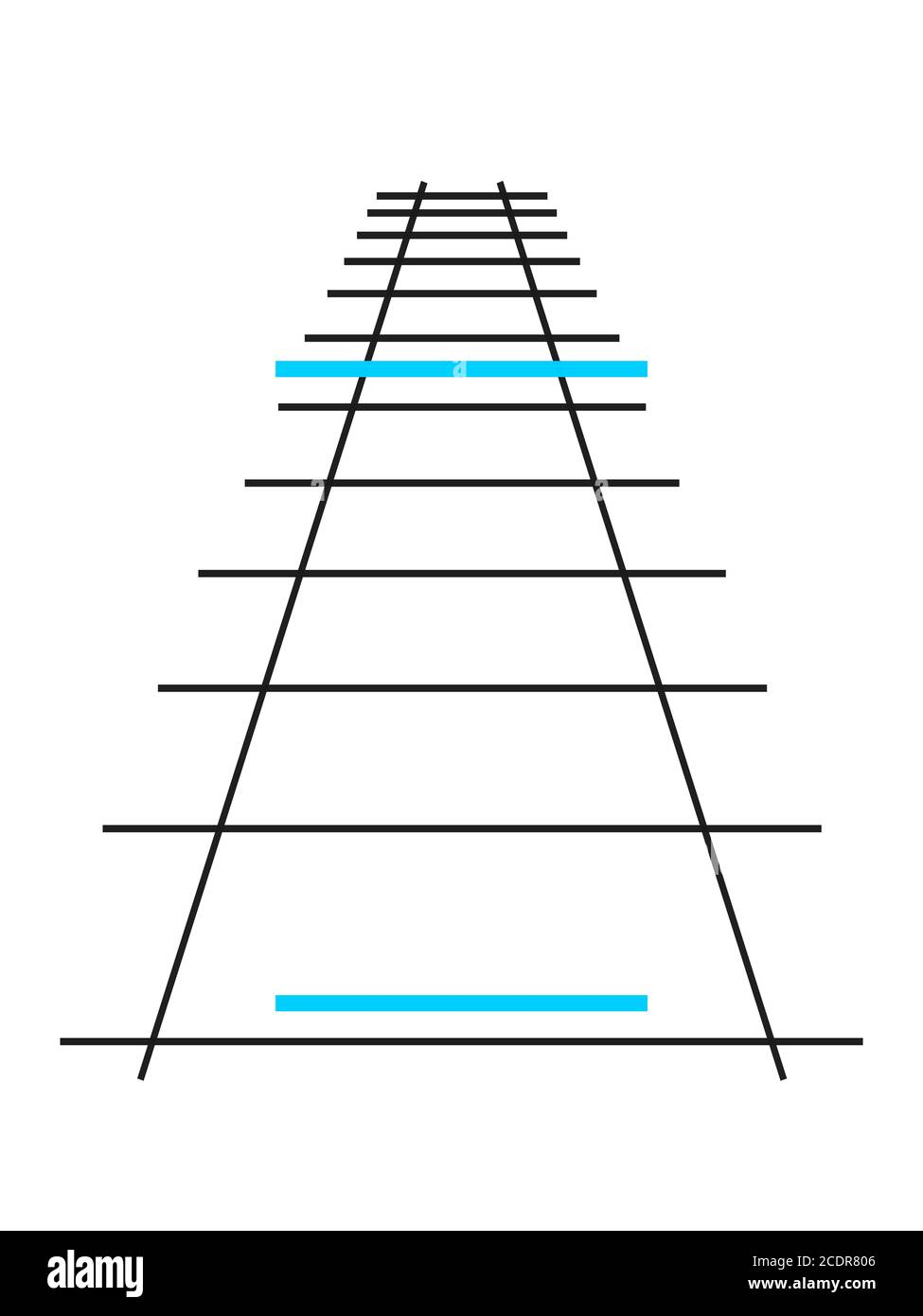
Ponzo illusion
critical period
limited period when particular experience is necessary for typical development of a function (missing it causes lasting effects)
sensitive period
period when experience has a particularly strong effect on development (creates learning difficult)
sensory deprivation
lack/reduction of normal sensory stimulation
nature vs nurture
bio and genetic influence on development, environmental influence and experiences that shape development) WORK TOGETHER
6 steps to sensory → perceptions
stimulus received by receptors
receptors translate stimulus → nerve impulses (transduction)
feature detectors analyze features
features are reconstructed into neural representation
compared with previously stored info
matching process → recognition and interpretation
consciousness
moment to moment awareness of ourselves and environment (ex, feelings and daylight)
Properties of consciousness (3)
subjective - personal experience
dynamic - constantly changing
selective - focus on certain info while ignoring other info
measuring consciousness (3)
self report, physiological measures (body functions), behavioural measures (someones actions)
levels of consciousness (3)
conscious - currently aware of
preconscious - info not currently in awareness but easily brought to surface
unconscious - mental processes and info outside awareness
Freuds view
believed the unconsious mind influences behaviour, suggesting that hidden wishes, memories and conflicts can affect our thoughts and activities
biological rhythms
regular patterns of changes in bodily processes and behaviour
three types of rhythms
circadian - bio cycle that lasts approx 24 hours (internal clock, influenced by light/dark) → helps regulate sleep, hormones, etc
ultradian - bio cycle that occurs more than once withing 24 hours
infradian - bio cycle that lasts longer than 24 hours
suprachiasmatic nucleaus (SCN)
small area of hypthalamus that controls bodys main bio clock
NREM sleep (3)
nonrapid eye movement sleep
N1 - light sleep: very light sleep → easily awakened, may experience sudden muscle jerks
N2 - deeper sleep: slowing of bodily function, sleep spindles, k complexes, makes up large portion of sleep
N3 - deep sleep/slow wave: hard to wake up, slow delta waves, good for recovery, could sleepwalk, or experience night terrors
REM sleep
rapid eye movement, dreams, increased brain activity, temporary paralyzation
sleep cycles: (4)
approx 90-110 min
4-6 cycles per night
early in night; more time spent in NREM
later in night; REM periods become longer
Why do we sleep? (4)
restoration, evolutionary/adaptive, memory consolidation, brain development
insomnia
difficulty falling asleep, staying asleep or restful sleep → may be related to stress, anxiety (lying awake for hours)
sleep apnea
repeated interruptions in breathing during sleep → loud snoring (stops breathing)
narcolepsy
neurological disorder involving difficulty regulating sleep → sudden loss of muscle control triggured by strong emotions (passes out during daily activities)
sleepwalking (somnambulism)
performing movements while asleep, usually NREM, usually no memory
night terrors
episodes of intense fear → screaming during sleep
nightmares
disturbing dreams, usually in REM
Freuds wish fulfillment
dreams reveal unconsious wishes and desires
manifest vs latent content
actual events in a dream, hidden meaning of a dream
activation synthesis theory
brain creates strories from random neural activity during sleep
info processing theory
dreams help process memories and daily experiences
cognitive development theory
dreams reflect a persons thinking and development
psychoactive drugs
substances that change brain activity, mood, behaviour, perception
How drugs work (2)
agonists - increase or imitate neurotransmitter activity
antagonists - block neurotransmitter activity
four types of drugs
depressants - slow down CNS, cause relaxation and drowsiness (alcohol, cannabis)
stimulants - increase nervous system, energy and alertness (caffeine, nicotine, cocaine)
opioids - reduce pain, cause pleasure and drowsiness (morphine, fetanyl)
hallucinogens - alter perception, sensory experiences, can cause hallucinations (LSD)
hypnosis
focused attention and increase responsiveness to suggestion
posthypnotic amnesia
forgetting events during hypnosis
dissociation theory
conscious separates (one may stay aware)
social cognitive theory
hypnotic behaviour is influenced by expectations, beliefs
bipolar cells
carry info from rods and cones to ganglion cells
ganglion cells
output cells of the retina; their axons from optic nerve
trichromatic theory
3 types of cones respond to different wave lengths of light allowing us to see different colours
opponent process theory
colour is processed in opposing pairs: red-green, blue-yellow, black-white
afterimage and its evidence
seeing an opposite colour after staring at it too long, these support opponent process theory; colour matching experiments support trichromatic
feature detectors
neurons in visual cortex that responds to specific visual features helping the brain recognise objects by processing individual features (lines, edges, angles, shapes, movements)