bio practicum fr
 Call Kai
 Learn
 Practice Test
 Spaced Repetition
 Match
 Flashcards
 Knowt Play
1/115

There's no tags or description
Looks like no tags are added yet.
116 Terms
Arm
Serves as a handle
Ocular
The uppermost lense or series of lenses through which a specimen is viewed (usually has a magnification of 10x)
Objective
Lower lenses attached to the nosepiece (the magnification of each is labeled on the outside of each lense)
Stage
Platform where the specimen is placed
Focus knob
moves stage up and down
coarse focus
Used to adjust the microscope on scanning and low power only
Fine focus
Used to adjust the specimen into final focus
Condenser
A lense system found beneath the stage, used to focus the light on the specimen
Diaphragm
Regulates light entering the microscope; usually is controlled by a mechanical lever or rotating disk
Stereo microscope
Low powers of magnification
Compound microscope
Uses high powers of magnification and are used to view specimens not visible to the naked eye
Atomic number
number of protons
Atomic weight
protons + neutrons
Acid pH range
less than 7
Base pH range
greater than 7
Neutral pH range
7
Dehydration reaction
Synthesizing a polymer
Hydrolysis reaction
Breaking down a polymer
Cell wall
Plant cells only; is a cellulose envelope that provides protection and shape
Plasma membrane
Phospholipid bilayer that provides support and regulates the movement of substance into and out of the cell
Cytoplasm
Semi fluid medium located between the plasma membrane and nucleus
Nucleus
Control center of the cell
Nuclear envelope
Membrane surrounding the nucleus; possesses numerous nuclear pores
Nucleoplasm
Cytoplasm within the nucleus
Nucleolus
Chromatin-rich region that serves to combine proteins and RNA to make ribosomal subunits
Chromatin
Diffuse threadlike strands composed of DNA and proteins
Endoplasmic Reticulum (ER)
Network of membranes throughout the cytoplasm; synthesis of protein and non protein products
Rough ER
Lined with ribosomes; involved in the synthesis and assembly of a variety of proteins and production of membranes
Smooth ER
Not associated with ribosomes; main site of steroid, fatty acid, and phospholipid synthesis; site of detoxification
Golgi Apparatus
Stacks of flattened membranous sacs or cisternae; receives, packages, stores, and ships protein products; produces lysosomes and other vesicles
Peroxisome
Vesicles containing enzymes that help in breaking down fatty acids and neutralizing hydrogen peroxide
Lysosome
In animal cells, vesicles containing hydrolytic digestive enzymes used in destroying cellular debris and worn-out organelles; also important in programmed cell death
Centrioles
Found in animal cells with the exception of roundworms (nematodes); appear as a pair of cylindrical structures made of microtubules; form the spindle apparatus in cell division
Ribosomes
Sites of protein synthesis
Cytoskeleton
Structures that help the cell maintain its shape, anchor organelles, and move; three kinds: microtubules, microfilaments, and intermediate fibers
Chloroplasts
In plant cells, sites of photosynthesis; contain grana, or "stacks", composed of chlorophyll-rich thylakoids
Central Vacuole
In plant cells, large fluid-filled sac that helps maintain the shape of the cell and stores metabolites
Middle Lamellae
Region between adjacent plant cells that cements the cell walls together
Prokaryotic cells
-smaller, less complex
-no nucleus
-no membrane-bound organelles
-single celled
-bacteria
Eukaryotic cells
-larger, more complex
-has a nucleus
-has membrane-bound organelles
-single celled or multi celled
-plants, animals, protists
What do prokaryotic and eukaryotic cells have in common?
Ribosomes, plasma membrane, DNA, cytoplasm
What is the difference between animal and plant cells?
Plant cells have a cell wall,a central vacuole, chloroplasts, chlorophyll, plastids, plasmodesmata, and they convert sunlight and CO2 into usable energy
Animal cells don't have a cell wall, they have many small vacuoles, lysosomes, centrioles, microvilli, cilia, filaments, and they consume food and covert it into usable energy
What do you close on the microscope to increase contrast?
To adjust the contrast, move the condenser so that it's as close to the stage as possible; close the aperture all the way
Diffusion
The movement of molecules from an area of high concentration to an area of low concentration
Osmosis
It's the passage of water from a region of high water concentration through a semi-permeable membrane to a region of low water concentration
Passive transport
Goes from high to low concentration and doesn't require energy
Active transport
Goes from low to high concentration and requires energy
Concentration gradient
The process of particles moving through a solution from an area of high concentration to an area of low concentration
Semi-permeable membrane
A membrane that only certain molecules can pass through
Tonicity effect
The ability of an extra cellular solution to make water move into or out of a cell by osmosis
Hypertonic solution
Too much water in a cell, causes it to swell
A solution that contains a higher amount of solutes than compared to another solution
Hypotonic solution
Not enough water in a cell, causes it to shrink
A solution that contains a lower amount of solutes than compare to another solution
Autotroph
An organism that makes its own food
Heterotroph
An organism that cannot make its own food.
Cellular respiration
the process by which cells use oxygen to produce energy from food
Metabolism
All of the chemical reactions that occur within an organism
Fermentation
Process by which cells release energy in the absence of oxygen
Aerobic cellular respiration
the process by which cells use oxygen to obtain usable energy from an energy source
Anaerobic cellular respiration
the process by which cells obtain energy from an energy source without using oxygen
Which gas is produced by cellular respiration and fermentation?
CO2
What energy source is used by the cell to function?
ATP
What is the preferred sugar molecule used in cellular respiration and fermentation?
Glucose
Conversions
1 kg = 1000 g
1 m = 100 cm
1 L = 1000 mL
Metric Units
Temperature = Celsius (C)
Length = meter (m)
Weight = gram (g)
What is a hypothesis?
An educated guess
What is a theory and how is it different from a hypothesis?
A Theory is an evidence based explanation of something in the natural world
Theory = based off of a lot of evidence
Density
mass/volume = g/mL
Microscope
know this image:
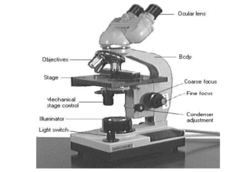
Arm
used to carry the microscope
ocular
the lens at the top of the mircoscope that you look into
10X
Objective
forms the primary image of the microscope, the four lens that you use to view the specimen
4X, 10X, 40X, 100X
Stage
The platform on the microscope where the slide or specimen is placed.
focus knob
course and fine
used to move the objective lenses towards or away from the slide
Condenser
the light that comes from the bottom
diaphragm
iris diaphragm controls the amount of light hitting the slide, right under the stage
total magnification
ocular x objective magnification
slides to know
letter e, ruler slide, hair
magnification
the ability of the lens to make an object appear larger
field of view
the visible area through the eyepiece when the microscope is in focus
what you can see
depth of field
distance along the optical axis throughout which the object can be located
diameter of field of view
compound microscope
used to view slides and illuminate thin images of specimens. 2D view.
Stereo microscope
used for dissections and viewing the 3D structure of a specimen. views surface of objects
Wet Mount Slide preparation
place specimen on slide,
place drop of water,
put coverslip at 45* angle
view specimen in microscope
Atom parts
nucleus: proton + neutron
Proton: (+) charge subatomic particle
Neutron: uncharged subatomic particle
Electron: (-) charged subatomic particle that forms a cloud around the atomic nucleus
Periodic Table
know electronegativity based off of the periodic table
^
---->|
Electron Shell Model
know s orbital vs p orbital vs d orbital
s = 2 e
p = 6 e
d = 10 e
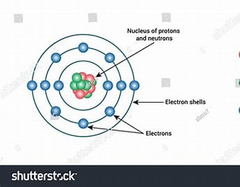
atomic mass
protons + neutrons

atomic number
proton number
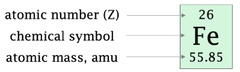
atom elements
proton number = atomic number
electron number = proton number unless the element has a charge
neutron number = atomic mass - atomic number
understand relationship between proton, neutrons, and electrons
pH scale
0-14
0-6 = acidic
7 = neutral
8-14 = basic

Phenolphthalein
color in acid = clear
color in base = pink
bromothymol blue
color in acid = yellow
color in base = blue
color neutral (pH7)= green
organic molecules
contain carbon.
how many bonds does carbon want
4 covalent bonds
4 macromolecules
carbohydrates, lipids, proteins, nucleic acids
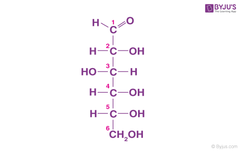
carbohydrates
contain hydroxyl group and carbonyl groups
monomer: monosaccharides
polymer: polysaccharides
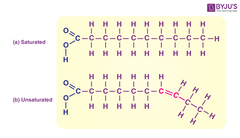
Lipids
contains carboxyl group and methyl group
monomer*: none
polymer: lipids
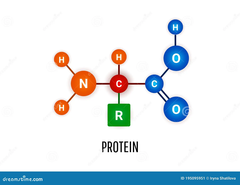
Protein
contains amino group and carboxyl group
monomer = amino acids
polymer = polypeptide/protein
nucleic acid
contains phosphate group, nitrogenous base, and sugar
monomer = nucleotide
polymer = DNA

cell identification
know this image:
