New Republic Study Guide: Washington's Presidency through the War of 1812
 Call Kai
 Learn
 Practice Test
 Spaced Repetition
 Match
 Flashcards
1/32

There's no tags or description
Looks like no tags are added yet.
33 Terms

domestic
having to do with your home or nation; not foreign

federal
national
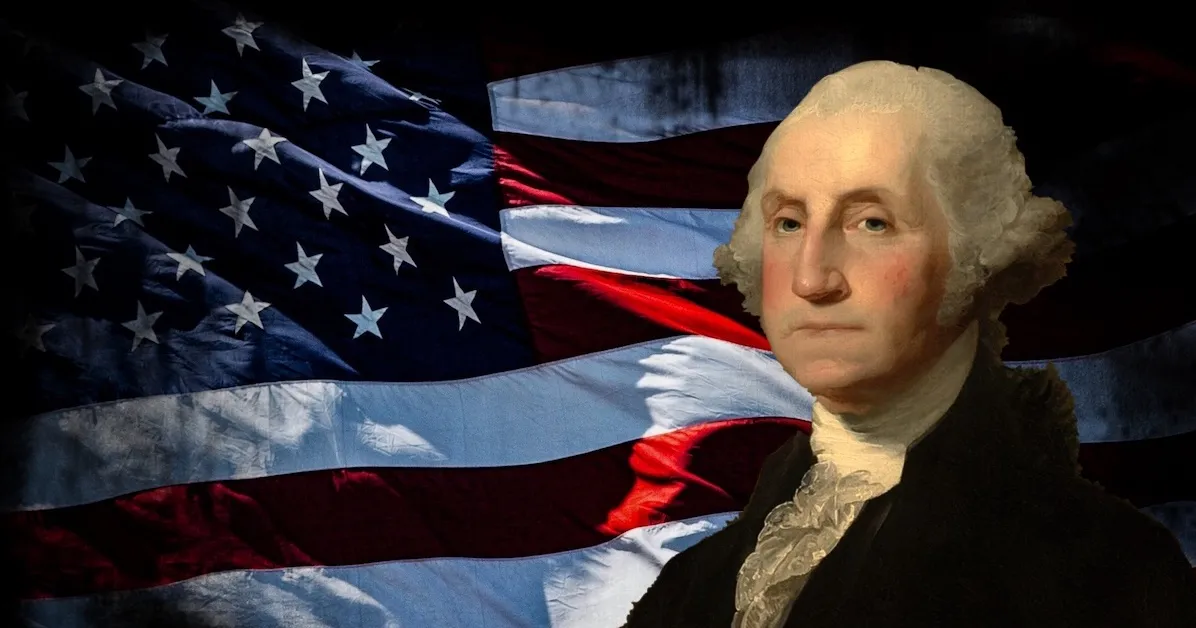
George Washington
1st President. Set many precedents like only serving for 2 terms, creating a cabinet, and the tradition of giving a farewell address. President from 1788-1796.

precedent
an action or decision that serves as an example or model for the future

Cabinet
A group of advisers to the president.

Alexander Hamilton
First Secretary of the Treasury (under George Washington). A Federalist, he wanted to create a national bank

Thomas Jefferson
3rd president, elected in 1800. He was an anti-Federalist (later called Republicans)

Federalists
People who supported the Constitution and wanted a strong national government. They ended up one of the first political parties..
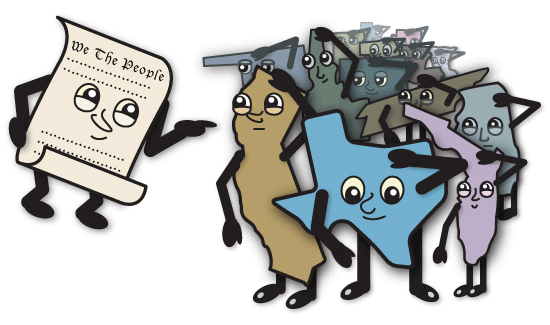
Democratic-Republicans
People who favored strong STATE governments and individual rights. They were called anti-Federalists before this and were led by Thomas Jefferson. Called "Republicans."

John Adams
Washington's Vice-President and the 2nd President of the U.S. He was a Federalist

Federalist Era
1789 - 1800 - Presidents Washington and Adams
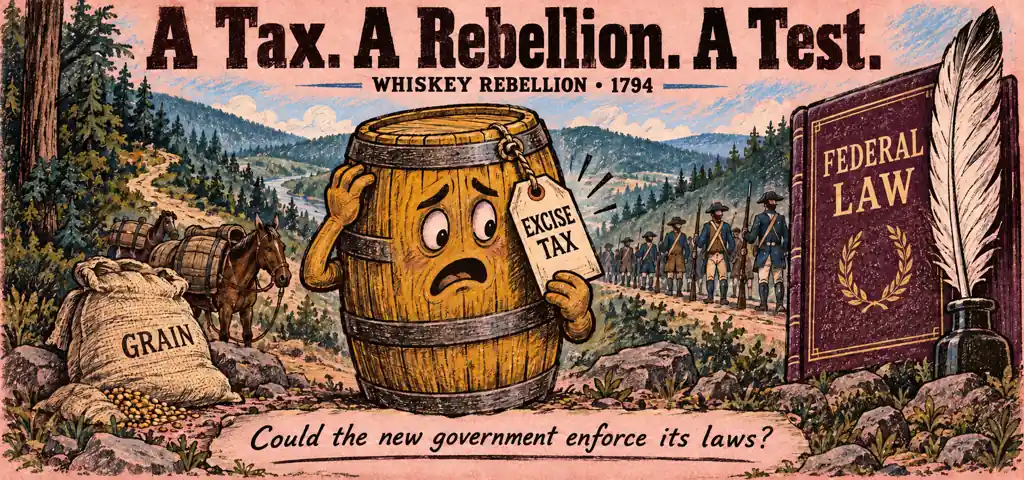
Whiskey Rebellion - 1794
Farmers in Pennsylvania rebelled over a tax on whiskey made from their corn

Why was the Whiskey Rebellion important?
Washington took the military to stop it. This showed that the Constitution was a stronger government that could handle domestic problems.

What year was the Constitution ratified?
1788

National Bank
Hamilton's big idea; opposed by Jefferson and Democratic-Rep. The bank would regulate money and give loans. This showed the Constitution could be interpreted loosely ("elastic clause").
Pay states' war debts
Part of Hamilton's plan for the economy. The South didn't like this because they didn't have much debt, but the capital was moved south to Washington, D.C. to make the south happy.

Judicial Review
Allows the court to decide whether laws passed by Congress are constitutional.
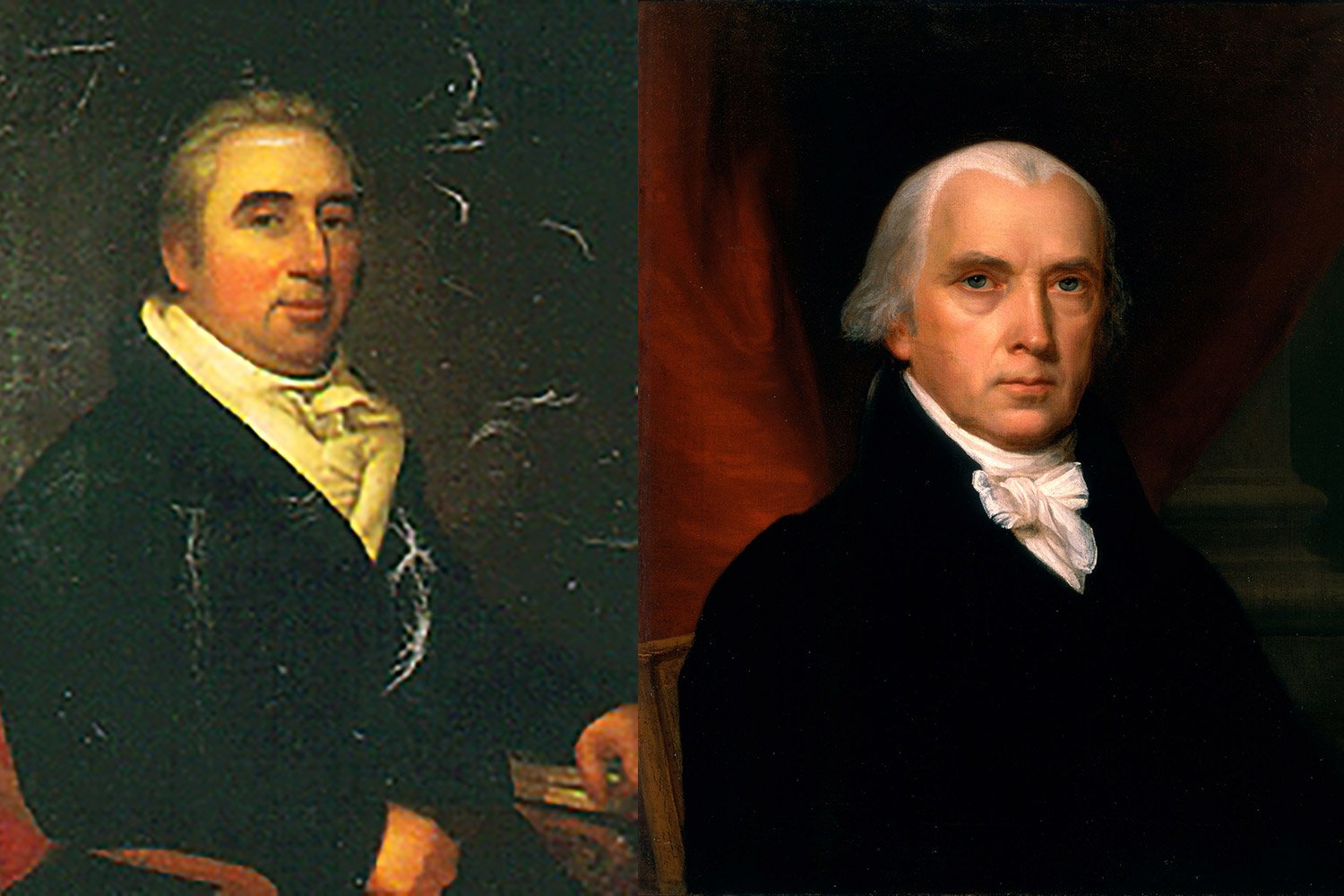
Marbury vs. Madison
The court case in which judicial review was established.

John Marshall
Supreme Court Chief Justice who established judicial review. This check & balance made the court more powerful.

New Orleans
an important port at the mouth of the Mississippi River

Mississippi River
essential for trade and the economy of the nation

Louisiana Purchase
territory in western U.S. purchased from France by Thomas Jefferson in 1803 for $15 million. It doubled the size of the U.S.
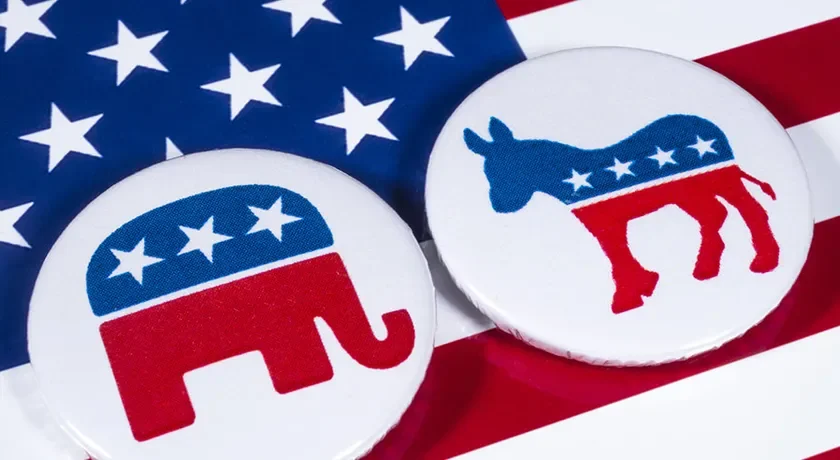
Political parties
First arose because of Alexander Hamilton and Thomas Jefferson's differences
Alien and Sedition Acts (1798)
Passed during John Adams' presidency. The main Act made it illegal to criticize the government, which violated the 1st Amendment.

Embargo Act of 1807
Stopped American trading ships from trading with ALL foreign nations. Hurt the economy!

Kentucky and Virginia Resolutions
Written to respond to the Alien & Sedition Acts, these declared that states could nullify federal laws that the states considered unconstitutional.


George Washington's first domestic challenge
paying the Revolutionary War debt
In his farewell address, Washington warned against:
foreign alliances, political parties, debt


What did the Democratic-Republican Party stand for?
states' rights and the rights of the common man

What did Hamilton and Jefferson's differences lead to?
the first political parties

What caused of the War of 1812?
British interference with trade. 2. British impressment of Americans 3. Britain arming the Native Americans against us.

What is impressment?
British practice of taking American sailors and forcing them into military service

What were the results of the War of 1812?
British stopped impressment
American manufacturing increased