Gonzalez-Rodiles APWH Unit 2
0.0(0)
Studied by 6 people Call Kai
 Learn
Learn Practice Test
 Spaced Repetition
 Match
Match Flashcards
 Knowt Play
Card Sorting
1/26

Earn XP
Description and Tags
Last updated 6:24 PM on 10/4/22
Name | Mastery | Learn | Test | Matching | Spaced | Call with Kai | Chat |
|---|
No analytics yet
Send a link to your students to track their progress
27 Terms
1
New cards
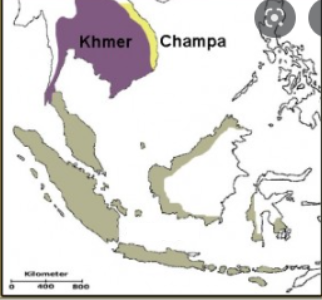
Srivijaya Empire 1.3
A Hindu Kingdom in Southeast Asia based on Sumatra. It built up its navy and prospered by charging fees for ships traveling between India and China.
LO 1.8) This empire developed and maintained power over time by controlling the straight of Malacca during a period where trade across the Indian Ocean was increasing. They would tax ships going across the straight allowing them to become very wealthy and powerful.
LO 1.8) This empire developed and maintained power over time by controlling the straight of Malacca during a period where trade across the Indian Ocean was increasing. They would tax ships going across the straight allowing them to become very wealthy and powerful.
2
New cards
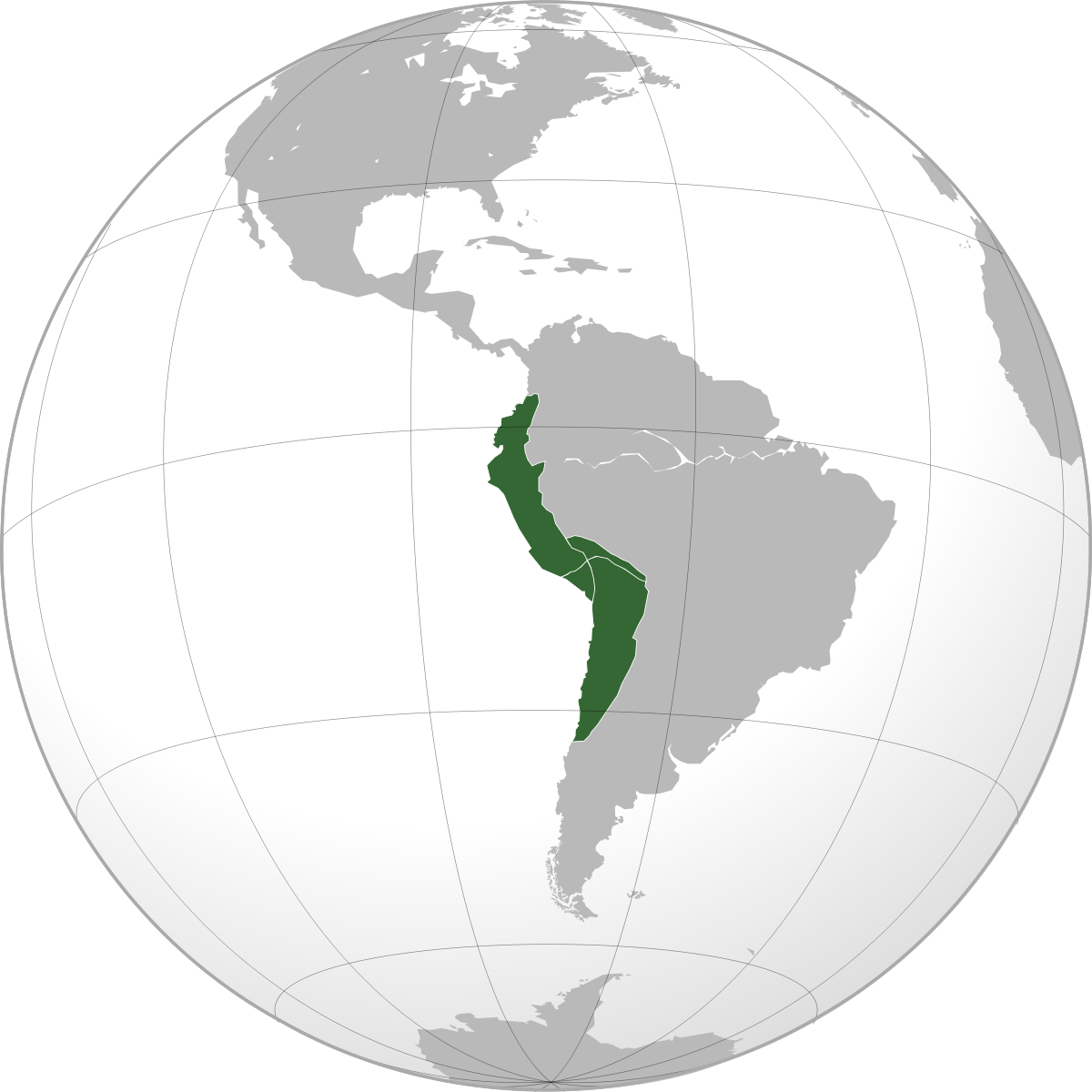
Inca Empire 1.4
An empire that was split into 4 provinces, each with its own governor and bureaucracy, and extended from present-day Ecuador in the north to present-day Chile in the south. Conquered people were subjected to the mit'a system, constructed many roads, believed in the Temple of te Sun and some animism, and developed quipu system and waru waru technique.
LO 1.9) This empire developed and maintained power over time by the construction of massive roadways like the Carpa Nan and bridges that could be used by the government and military for easy access across a mountainous region.
LO 1.9) This empire developed and maintained power over time by the construction of massive roadways like the Carpa Nan and bridges that could be used by the government and military for easy access across a mountainous region.
3
New cards
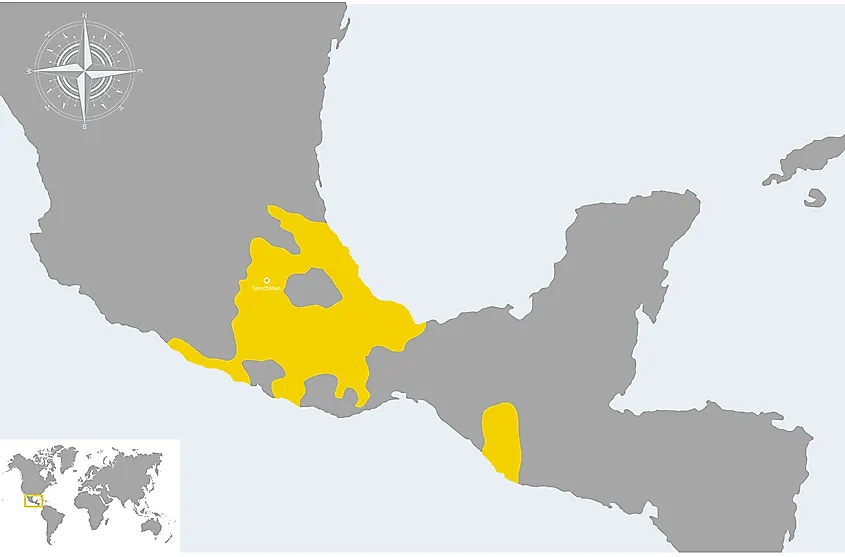
Mexica Empire 1.4
An empire in central Mexico with the capital Tenochtitlan (present-day Mexico City) that gained most of its land through conquering. They used aqueducts and chinampas, had a tribute system on conquered people to insure dominance, had a theocratic government, and performed many human sacrifices.
LO 1.9) This empire developed and changed over time through the use of new agricultural technology due to the large population and demand for more food supply.
LO 1.9) This empire developed and changed over time through the use of new agricultural technology due to the large population and demand for more food supply.
4
New cards
Great Zimbabwe 1.5
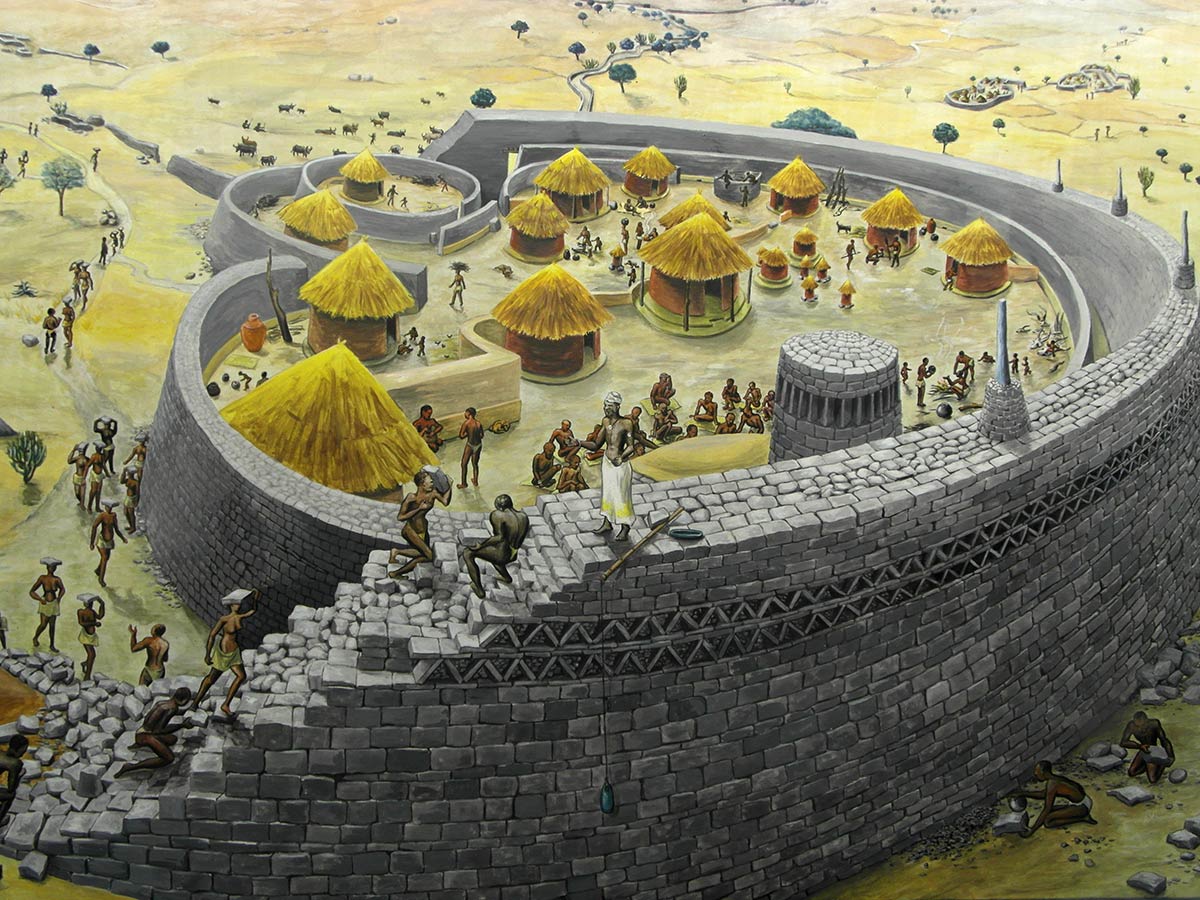
The capital city of Zimbabwe (Southern Africa) that was surrounded by massive walls that were used for protection. Most of the royal city's buildings were made out of stone. Overgrazing damaged the surrounding environment causing the city to be abandoned by the end of the 15th century.
LO 1.10) This empire developed and changed over time through their use of the Indian Ocean trade network allowing them to not only become wealthy but also to become more culturally diverse. For example, the making of a new language called Swahili that was made by traders blending the Bantu and Arabic languages.
LO 1.10) This empire developed and changed over time through their use of the Indian Ocean trade network allowing them to not only become wealthy but also to become more culturally diverse. For example, the making of a new language called Swahili that was made by traders blending the Bantu and Arabic languages.
5
New cards
Ethiopia 1.5
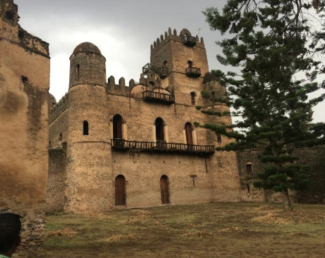
A Christian-led kingdom that expressed their power through architecture (ex. 11 massive churches made entirely out of rock). Their Christian religion developed independently from the Roman Catholic Church and the Orthodox Church.
LO 1.10) This kingdom developed and changed over time through their use of Christianity. This kingdom was the only community in Africa that followed the Christian religion.
LO 1.10) This kingdom developed and changed over time through their use of Christianity. This kingdom was the only community in Africa that followed the Christian religion.
6
New cards
Mali Empire 1.5
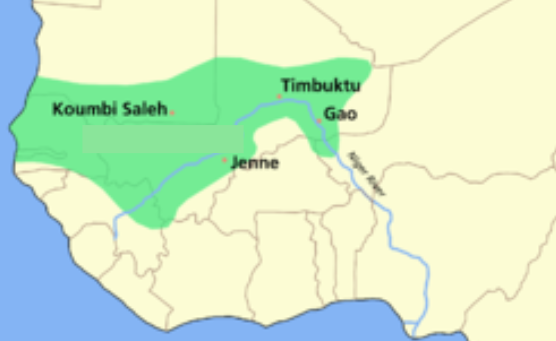
An empire in Western Africa that was founded by Sundiata who was Muslim. He used his connections with others of his faith to establish relationships with North African and Arab merchants. Sundiata cultivated a thriving gold trade allowing the empire's wealth to grow tremendously.
LO 1.10) This empire developed and changed over time through its gold trade. Its gold trade allowed the empire to become more powerful and wealthy.
LO 1.10) This empire developed and changed over time through its gold trade. Its gold trade allowed the empire to become more powerful and wealthy.
7
New cards
Mansa Musa 1.5
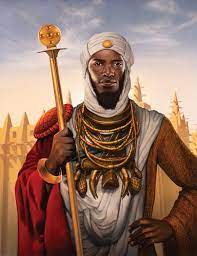
The nephew of Sundiata who was and still is the richest man alive (400billion networth). He made his pilgrimage to Mecca where he showed off his gold and riches leaving a lasting impression.
LO 1.10) States in Africa developed and changed over time through their use of trade and gold allowing for people to become more and more wealthy.
LO 1.10) States in Africa developed and changed over time through their use of trade and gold allowing for people to become more and more wealthy.
8
New cards
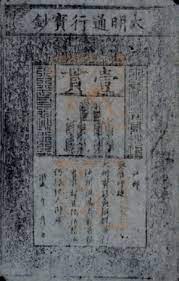
Flying Cash 2.1
China's new system of credit where merchants were allowed to deposit paper money in one location and withdraw the same amount in another location.
LO 1) This development caused the growth of trade along the Silk Roads because the innovation provided convenience and stability to institutions, therefore, encouraging trade.
LO 1) This development caused the growth of trade along the Silk Roads because the innovation provided convenience and stability to institutions, therefore, encouraging trade.
9
New cards
Caravanserai 2.1
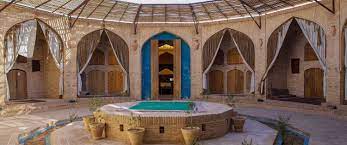
Inns along the Silk Roadusually about 100 miles apart (how long a camel could go before needing water) where travelers and their animals could rest. Sometimes travelers would trade their animals for new and "fresh" ones.
LO 1) This caused the growth of trade because it made it so merchants could go longer distances easier.
LO 1) This caused the growth of trade because it made it so merchants could go longer distances easier.
10
New cards
Silk Roads Trade 2.1
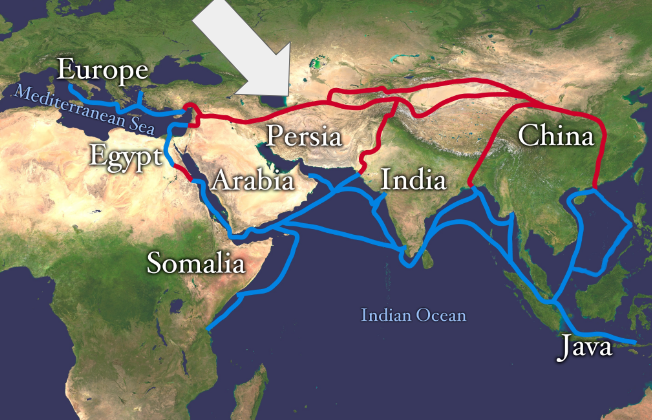
A connection of trade routes that stretched across East Asia, Central Asia, South Asia, Europe (Constantinople), and the Middle East. Luxury goods were traded and carried by horse and saddle.
LO 1) The growth of networks of exchange affected the spread of religions. There was a lot of cultural exchange and merchants brought their cultural traditions to other places while traveling this route.
LO 1) The growth of networks of exchange affected the spread of religions. There was a lot of cultural exchange and merchants brought their cultural traditions to other places while traveling this route.
11
New cards
Samarkand 2.1
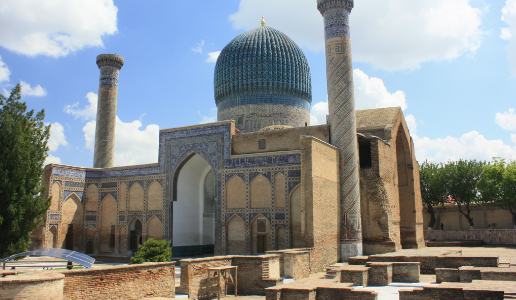
A stopping point along the Silk Roads between China and the Mediterannean that was located in present-day Uzbekistan in the Zeravshan River valley.
LO 1) The growth of networks of exchange allowed cities to rise and prosper along the Silk Roads due to trade.
LO 1) The growth of networks of exchange allowed cities to rise and prosper along the Silk Roads due to trade.
12
New cards
Genghis Khan 2.2
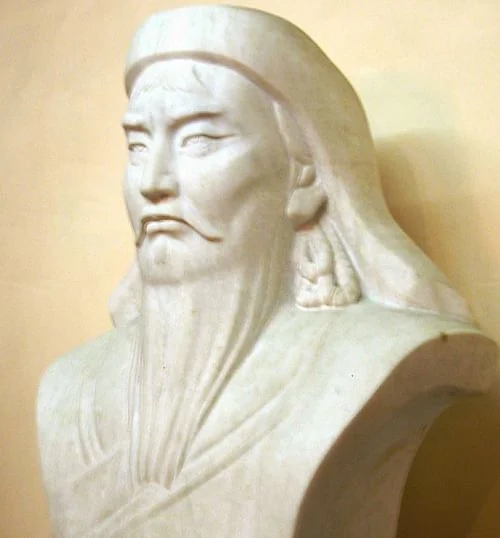
The Mongol leader Temujin spent the early years of his life creating tribal alliances and key friendships. He was very focused on building power, ruthless, and though that personal loyalty was the best way to run his kingdom. During a meeting called a kuriltai, Temujin was elected the khan of the Mongolian Kingdom and took this name that also means "ruler of all."
LO 2) This person built up their state through relations with powerful leaders and conquest and it fell with their decline of power and territory.
LO 3) The mongols transferred Greco-Islamic medical knowledge and the Arabic numbering system to Western Europe.
LO 2) This person built up their state through relations with powerful leaders and conquest and it fell with their decline of power and territory.
LO 3) The mongols transferred Greco-Islamic medical knowledge and the Arabic numbering system to Western Europe.
13
New cards
Pax Mongolica 2.2
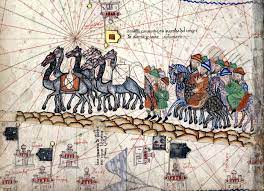
A period of Mongolian peace between the 13th and 14th centuries. They protected and secured the Silk Roads encouraging trade along the Silk Road.
LO 3) The Mongols expanded their land along the Silk Roads and protected it allowing for more trade and diversity of goods.
LO 4) Conquest and war brings new ideas to different places; like religion and technology. The Mongols brought gunpowder through the use of weapons throughout their conquest and disease through fleas carrying the plague.
LO 3) The Mongols expanded their land along the Silk Roads and protected it allowing for more trade and diversity of goods.
LO 4) Conquest and war brings new ideas to different places; like religion and technology. The Mongols brought gunpowder through the use of weapons throughout their conquest and disease through fleas carrying the plague.
14
New cards
Effect of Mongols:Russia 2.2
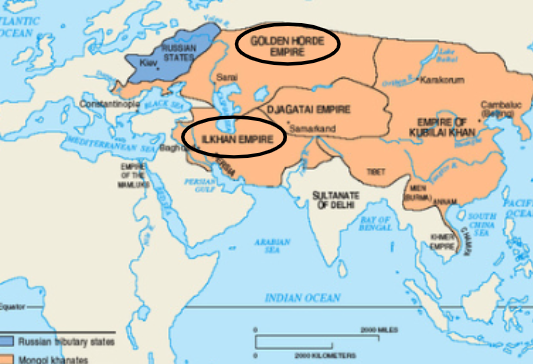
They suffered widespread devastation and death from Mongol attacks, invasions prompted princes to improve military organization and accept the values of a more centralized leadership, severed ties with much of Western Europe, created a more distinct culture, and created a foundation for the modern state.
LO 2) The rulers of the city-state of Moscow began making an army and rose up against the Mongols. After they gained independence from the Mongols, they developed their government and military to be more centralized and powerful.
LO 3) The expansion of the Mongols affected how closely related this place was with Western Europe.
LO 2) The rulers of the city-state of Moscow began making an army and rose up against the Mongols. After they gained independence from the Mongols, they developed their government and military to be more centralized and powerful.
LO 3) The expansion of the Mongols affected how closely related this place was with Western Europe.
15
New cards
Effect of Mongols: Abbasid 2.2
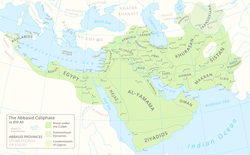
Mongols living in the Il-khanate converted to Islam. The conversion changed the Mongols from a religiously tolerant place to a place that supported the massacres of Jews and Christians.
LO 2) The Mongols created kingdoms like the Il-khanate and were defeated by the Christian Crusades and Muslim Mamluks allying temporarily.
LO 3) The expansion of the Mongol empire influenced the relationship between the religions in this place. They became significantly less religiously tolerant.
LO 2) The Mongols created kingdoms like the Il-khanate and were defeated by the Christian Crusades and Muslim Mamluks allying temporarily.
LO 3) The expansion of the Mongol empire influenced the relationship between the religions in this place. They became significantly less religiously tolerant.
16
New cards
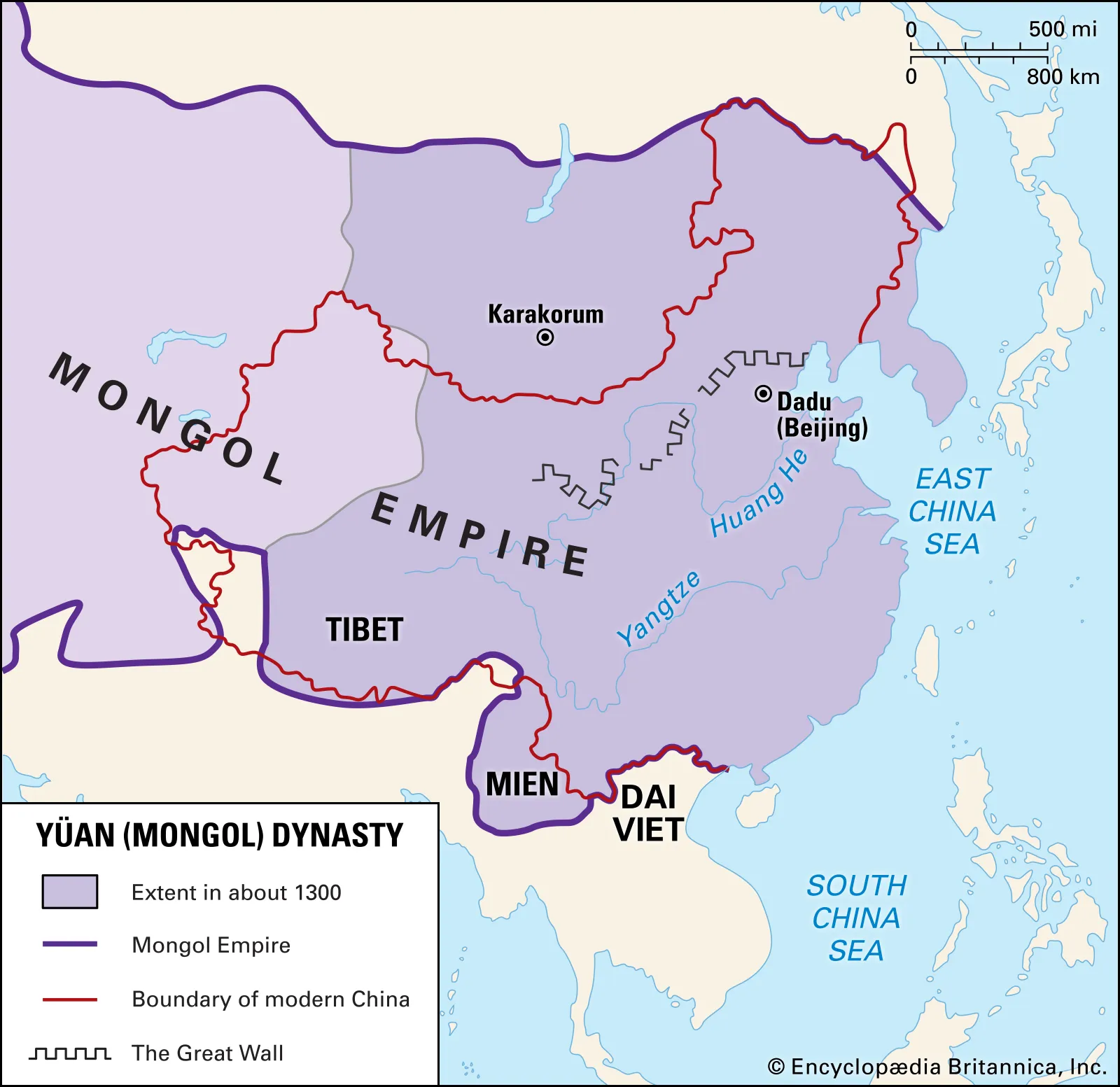
Effect of Mongols: China 2.2
Instituted a policy of religious tolerance, brought prosperity because of cultural exchanges and improved trade with other countries (including European ones), more rights to women, dismantles the civil service exam, and more foreigners than native-born Chinese in government.
LO 2) The Mongols conquered the Song Dynasty and established the Yuan Dynasty with a new capital at Zhongdu. The Dynasty was overthrown due to revolts by the White Lotus Society.
LO 3) Through the expansion of the Mongols, Islamic scientific knowledge was transferred to China, and the diffusion of paper from China made the revolution in communication (powered by the Gutenberg printing press) possible.
LO 2) The Mongols conquered the Song Dynasty and established the Yuan Dynasty with a new capital at Zhongdu. The Dynasty was overthrown due to revolts by the White Lotus Society.
LO 3) Through the expansion of the Mongols, Islamic scientific knowledge was transferred to China, and the diffusion of paper from China made the revolution in communication (powered by the Gutenberg printing press) possible.
17
New cards
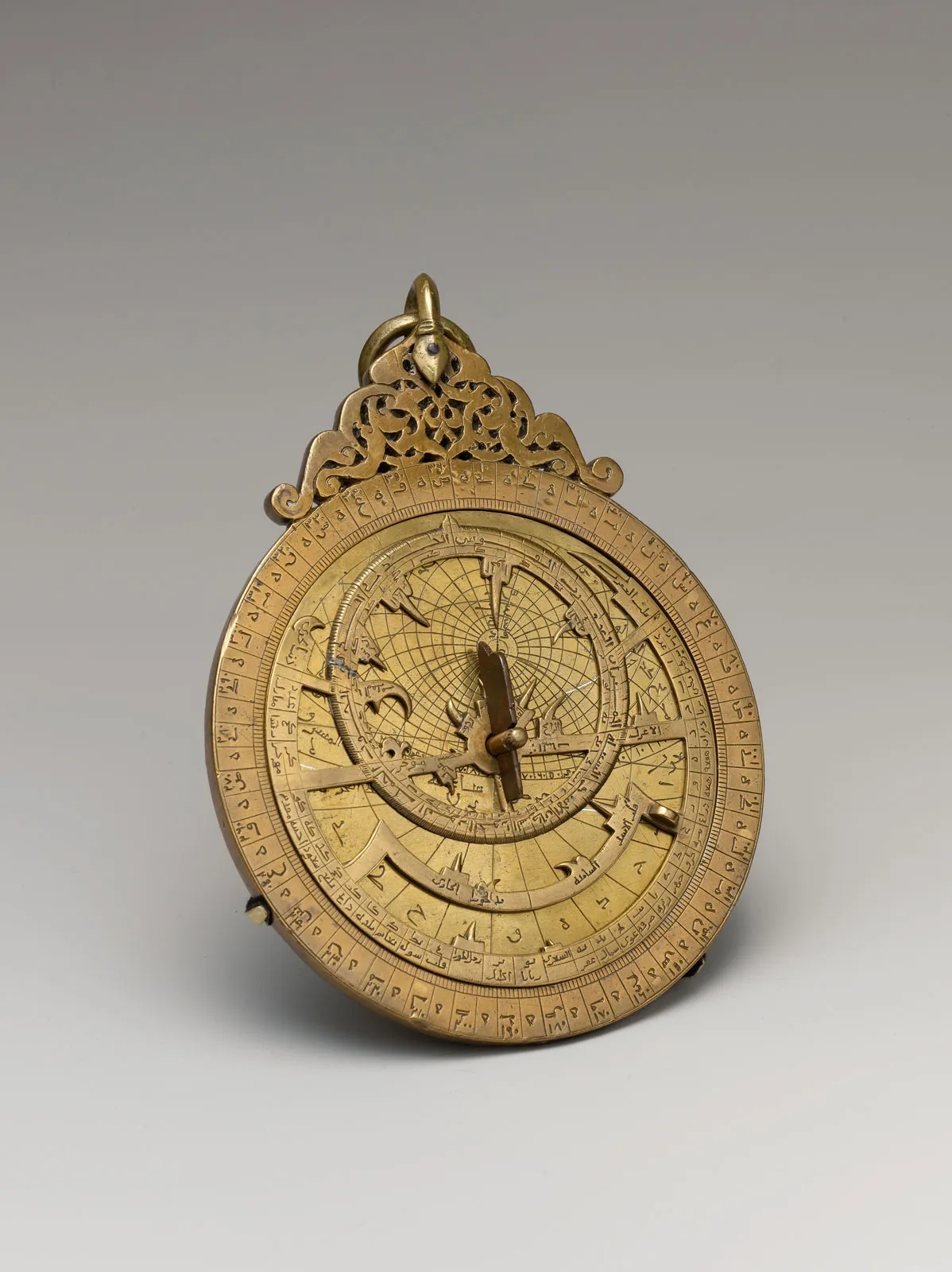
Astrolabe 2.3
An innovation that allowed sailors to determine how far North or South they were from the equator. It was improved by Muslim navigators in the 12th century.
LO 5) This innovation made trading across the Indian Ocean easier growing the use of the network of exchange.
LO 5) This innovation made trading across the Indian Ocean easier growing the use of the network of exchange.
18
New cards
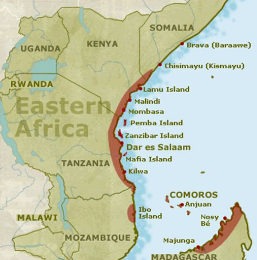
Swahili City-States 2.3
A thriving city-state along the east coast of Africa that was connected with the Indian Ocean Trade network. The traders of the Zanj Coast sold ivory, gold, and slaves to Arab trading partners as well as more exotic goods. Zanj Cities imported Chinese porcelain, Indian cotton, and manufactured ironwork. The cities were wealthy and thrived off of trade.
LO 5) The rise in demand of slaves in the Indian Ocean Slave Trade with India, North Africa, and the Middle East caused the growth of the Indian Ocean trade network.
LO 5) The rise in demand of slaves in the Indian Ocean Slave Trade with India, North Africa, and the Middle East caused the growth of the Indian Ocean trade network.
19
New cards
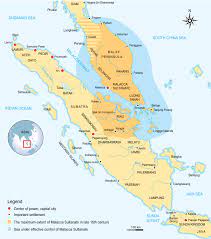
Malacca 2.3
A Muslim city-state in Southeast Asia that became wealthy by building a navy and imposing fees on ships that passed through the Straight of Malacca, a straight that was very popular in the Indian Ocean trade network.
LO 5) The growth of networks of exchange was caused by the prosperity of trade within states and their encouragement to trade.
LO 5) The growth of networks of exchange was caused by the prosperity of trade within states and their encouragement to trade.
20
New cards
Malay Diasporic Communities 2.3
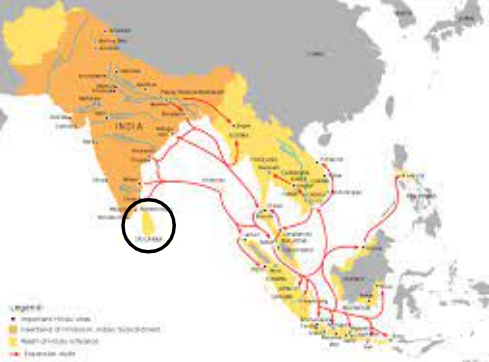
Merchants stayed in Sri Lanka and produced nutmeg, pepper, and cloves for trading.
LO 6) The growth of networks affected how merchants would travel in order to trade. For example, the formation of diasporic communities were formed with the growth of trade networks, and people would trade within those communities aswell.
LO 6) The growth of networks affected how merchants would travel in order to trade. For example, the formation of diasporic communities were formed with the growth of trade networks, and people would trade within those communities aswell.
21
New cards
Monsoon winds 2.3
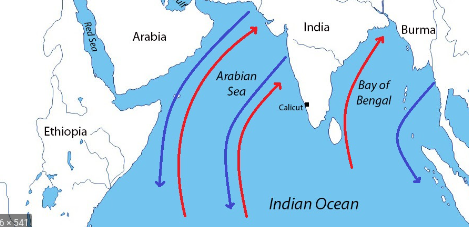
It is a seasonal change in the strongest winds of a region that was essential for trading in the Indian Ocean. This made merchants have to time their voyages carefully. When the winds were not in their favorable position for merchants, they would stay in cities for months at a time.
LO 7) Merchants were forced to wait in cities and ports for favorable winds when traveling across the Indian Ocean.
LO 7) Merchants were forced to wait in cities and ports for favorable winds when traveling across the Indian Ocean.
22
New cards
Indian Ocean Trade 2.3
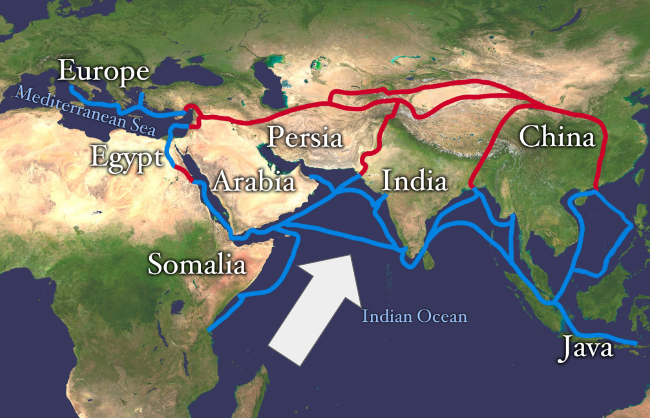
A maritime trade route that connected East Asia, Southeast Asia, East Africa, South Asia, and the Middle East. Merchants used ships to transport goods in bulk across the Indian ocean.
LO 5) The increased demand for specialized goods in bulk caused the growth of networks of exchange.
LO 5) The increased demand for specialized goods in bulk caused the growth of networks of exchange.
23
New cards
Mali Empire 2.4
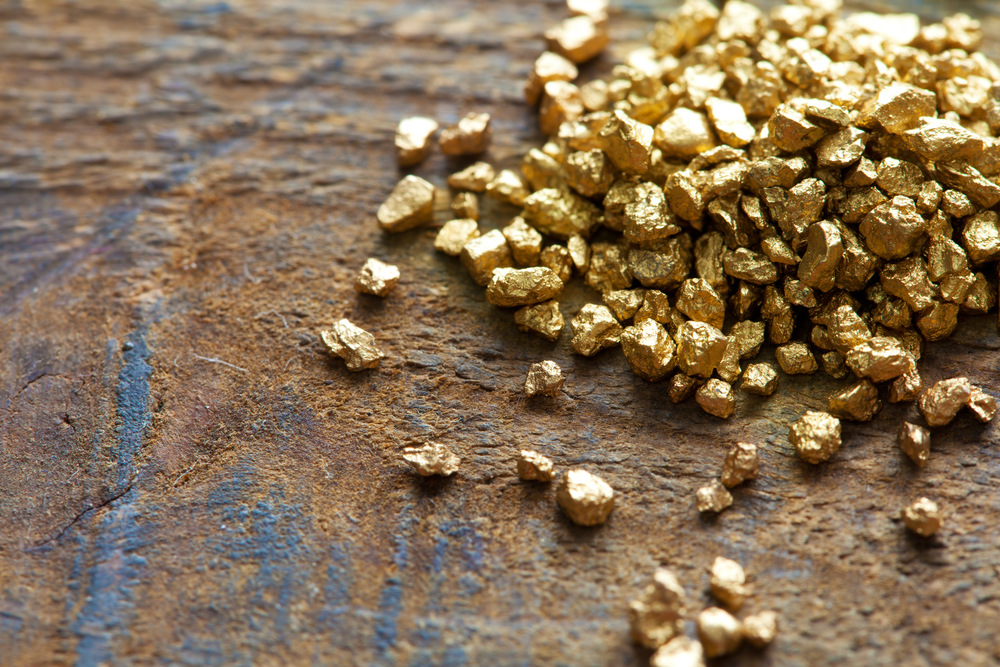
Empire in West Africa was founded by Sundiata that rose in place of Ghana. The government profited from the thriving gold trade and taxing trade entering West Africa. Most residents were farmers; sorghum and rice. The cities of Timbuktu and Gao were the most wealthy and centers of Muslim life. Timbuktu was a world-renowned center of Islamic learning.
LO 9) This empire was a trading society that had a thriving gold trade drawing more people into their economy and trade networks.
LO 9) This empire was a trading society that had a thriving gold trade drawing more people into their economy and trade networks.
24
New cards
Trans-Saharan Trade 2.4
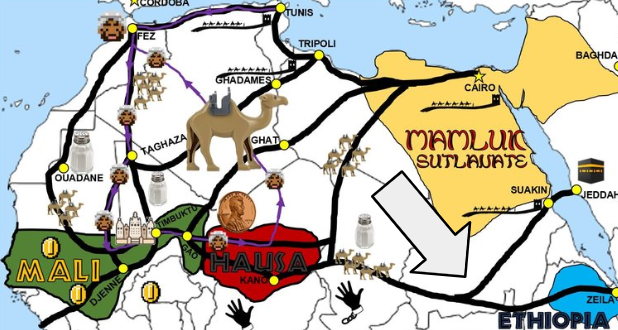
Trade route across an African desert that used Caravans and Camels to transport mainly salt and gold. Merchants used camels because they could go long distances without needing to stop for water.
LO 8) The rise in demand for gold, ivory, and slaves brought merchants into Africa causing the growth of the trade route.
LO 8) The rise in demand for gold, ivory, and slaves brought merchants into Africa causing the growth of the trade route.
25
New cards
Mansa Musa 2.4
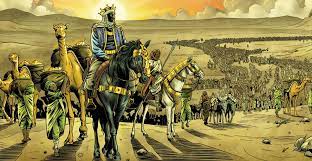
Sundiata's grand-nephew who brought more fame and strengthened Islam in West Africa through his pilgrimage to Mecca where he displayed Mali's wealth to the outside world with an extravagant caravan.
LO 9) His pilgrimage made Mali more well known for its riches across the world, therefore, attracting more trading partners.
LO 9) His pilgrimage made Mali more well known for its riches across the world, therefore, attracting more trading partners.
26
New cards
Marco Polo 2.5
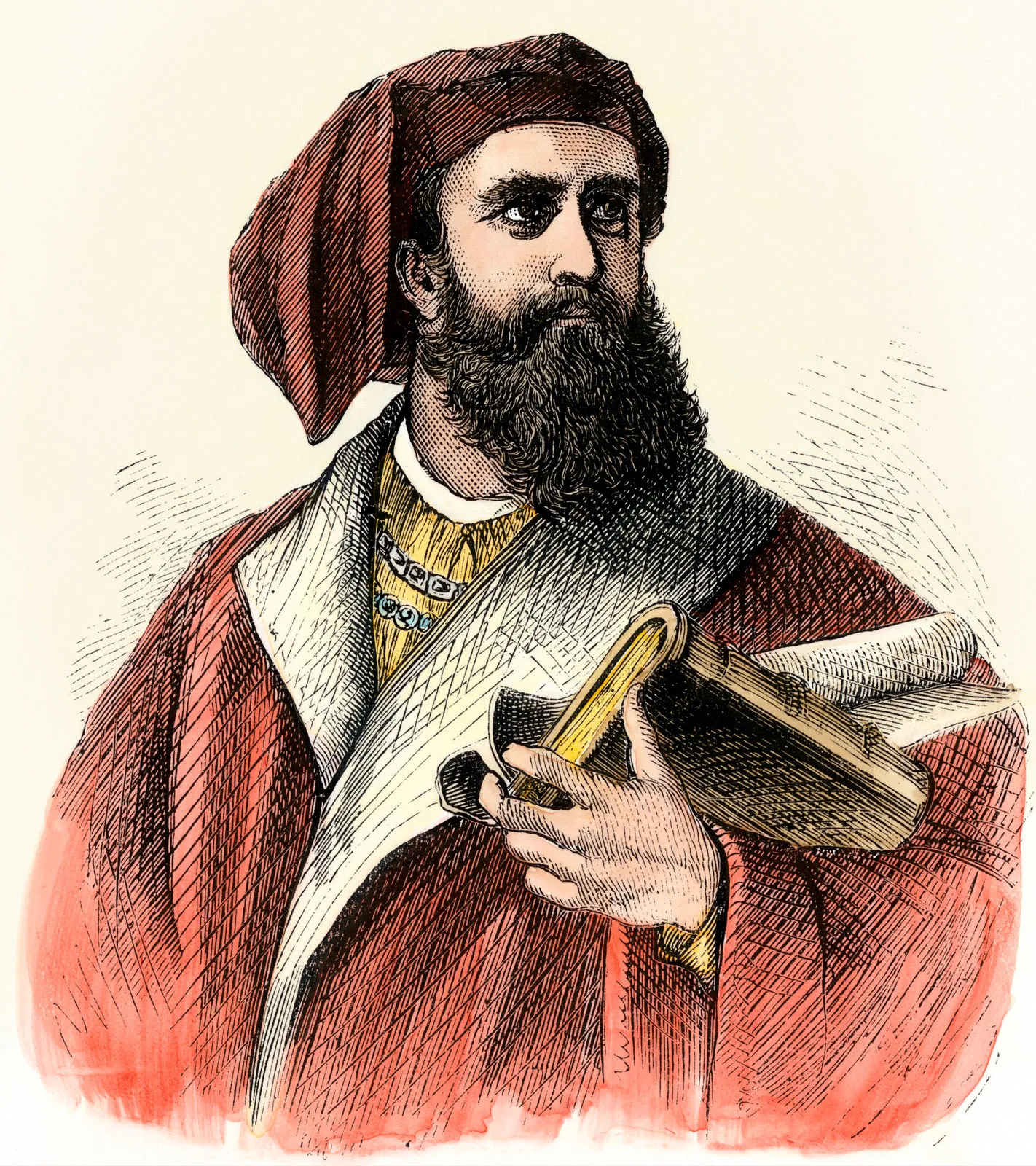
An Italian Travel writer visited Chinese cities (& the court of Kublai Khan) and wrote about the size, wealth, and wonders of China. Only when other Europeans followed Polo's route to China did people widely accept that China was prosperous and innovative.
LO 10) This travel writer's writings intrigued people about the customs and traditions of China spreading their cultural traditions and beliefs across Eurasia.
LO 10) This travel writer's writings intrigued people about the customs and traditions of China spreading their cultural traditions and beliefs across Eurasia.
27
New cards
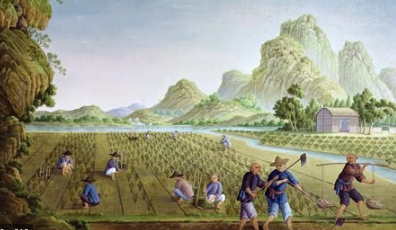
Champa Rice 2.6
Introduced to the Champa states by Vietnam, a Hindu state, and then offered to the Chinese as tribute. This was drought-resistant, flood-resistant, and capable of yielding two crops a year. Widely distributed in China contributing to the population growth.
LO 11) Various networks of exchange allowed for the diffusion of crops around Afro-Eurasia, therefore increasing the degradation of the environment across Afro-Eurasia.
LO 11) Various networks of exchange allowed for the diffusion of crops around Afro-Eurasia, therefore increasing the degradation of the environment across Afro-Eurasia.