Energy Stores, Calculations, and Efficiency
 Call Kai
 Learn
 Practice Test
 Spaced Repetition
 Match
 Flashcards
 Knowt Play
1/49

Earn XP
Description and Tags
Comprehensive vocabulary flashcards covering gravitational potential energy, elastic potential energy, energy efficiency formulas, and Sankey diagrams based on GCSE physics lecture notes.
50 Terms
Law of Conservation of Energy
A fundamental scientific law stating that energy cannot be created or destroyed, but can only be transferred between stores.
Open System
A type of physical system that allows energy and matter to enter and leave its boundaries.
Closed System
A type of physical system in which energy cannot enter or leave, meaning the total energy of the system remains constant.
Dissipated Energy
Energy that has spread out or scattered into the surroundings in a less useful form, often as thermal energy.
Kinetic Energy Store
The energy store associated with any moving object.
Gravitational Potential Energy (Ep)
The energy store associated with an object raised above ground level, which increases with the object's mass, height, and the gravitational field strength.
Gravitational Potential Energy Equation
The formula Ep=mgh, where Ep is gravitational potential energy in joules (J), m is mass in kilograms (kg), g is gravitational field strength in newtons per kilogram (N/kg), and h is height in metres (m).
Gravitational Field Strength on Earth (g)
The gravitational force exerted per unit of mass on Earth, which has a constant value of 9.8N/kg.
Elastic Potential Energy (Ee)
The energy stored in an elastic object (such as a spring, rubber band, or trampoline) when work is done to stretch or compress it.
Work Done (on a Spring)
The energy transferred to a spring when an applied force causes it to move through a distance to stretch or compress.
Spring Constant (k)
A measure of a spring's stiffness, expressed in newtons per metre (N/m), where a higher spring constant indicates a stiffer spring.
Extension (e)
The increase in length of a spring or elastic object from its original unstretched length, measured in metres (m).
Elastic Potential Energy Equation
The equation Ee=21ke2, where Ee is elastic potential energy in joules (J), k is the spring constant in newtons per metre (N/m), and e is extension in metres (m).

Spring Constant Investigation Apparatus
An experimental arrangement consisting of a stand, a suspended spring, hanging masses, and a metre rule used to measure extension and investigate spring stiffness.
Energy Efficiency
A measure of how much useful energy output is obtained compared to the total input energy supplied to an appliance or device.
Energy Efficiency Equation (Energy)
The formula used to calculate efficiency from energy transfers: efficiency=total input energy transferuseful output energy transfer, which can also be multiplied by 100%.
Energy Efficiency Equation (Power)
The formula used to calculate efficiency from power ratings: efficiency=total power inputuseful power output, which can also be multiplied by 100%.

Energy Efficiency Rating Label
A standardized visual rating scale using colored arrows labelled A through G displayed on consumer appliances to indicate their relative energy efficiency.
Sankey Diagram
A scale diagram representing energy transfers in a device, where the width of each arrow is proportional to the amount of energy it represents, showing that total energy input equals total energy output.
Useful Output Energy (Sankey Diagram)
The energy transferred in the intended useful form for a device's purpose, conventionally represented on a Sankey diagram as an arrow pointing straight horizontally across the top.
Wasted Output Energy (Sankey Diagram)
Energy dissipated into non-useful stores (typically heat energy to the surroundings), conventionally represented on a Sankey diagram by an arrow curving downwards.
Chemical Energy Store
The energy stored in chemical bonds between atoms, found in food, fuels, and batteries, which is released during chemical reactions.
Thermal Energy Store
The internal energy an object has due to the motion and vibration of its particles, which increases as its temperature rises.
Kinetic Energy Store
The energy associated with any moving mass, which increases when an object accelerates and decreases when it decelerates.
Gravitational Potential Energy Store
The energy stored in an object when it is lifted above ground level against a gravitational field.
Elastic Potential Energy Store
The energy stored in materials that have undergone temporary deformation, such as being stretched, compressed, or bent.
Magnetic Energy Store
The energy stored when two magnetic poles are pushed together or pulled apart against attractive or repulsive magnetic forces.
Electrostatic Energy Store
The energy stored when two separated electrical charges exert attractive or repulsive forces on each other.
Nuclear Energy Store
The energy stored within the atomic nucleus, which can be released through nuclear reactions such as fission or fusion.
Mechanical Energy Transfer
The pathway by which energy shifts between stores when a force acts upon an object and moves it through a distance.
Electrical Energy Transfer
The pathway by which energy is shifted via the movement of an electric charge traveling through a potential difference.
Energy Transfer by Heating
The pathway by which thermal energy shifts from an area of higher temperature to an area of lower temperature via conduction, convection, or radiation.
Energy Transfer by Radiation
The pathway by which energy is transmitted through waves, such as light, infrared, or sound waves, without macroscopic particle transport.
Power
The rate at which energy is transferred or the rate at which work is done, measured in watts (W).
Power Equation (Energy and Time)
The formula P=tE, where P is power in watts (W), E is energy transferred in joules (J), and t is time in seconds (s).
Power Equation (Work Done and Time)
The formula P=tW, where P is power in watts (W), W is work done in joules (J), and t is time in seconds (s).

Open switch
Open Switch

Closed Switch
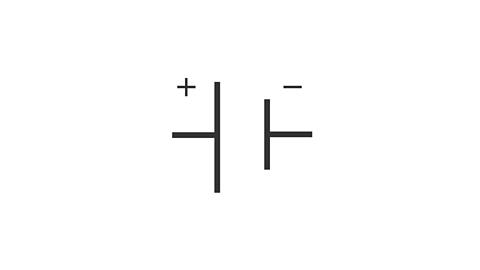
Cell

Battery
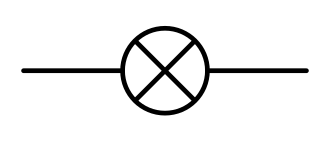
Filament Lamp
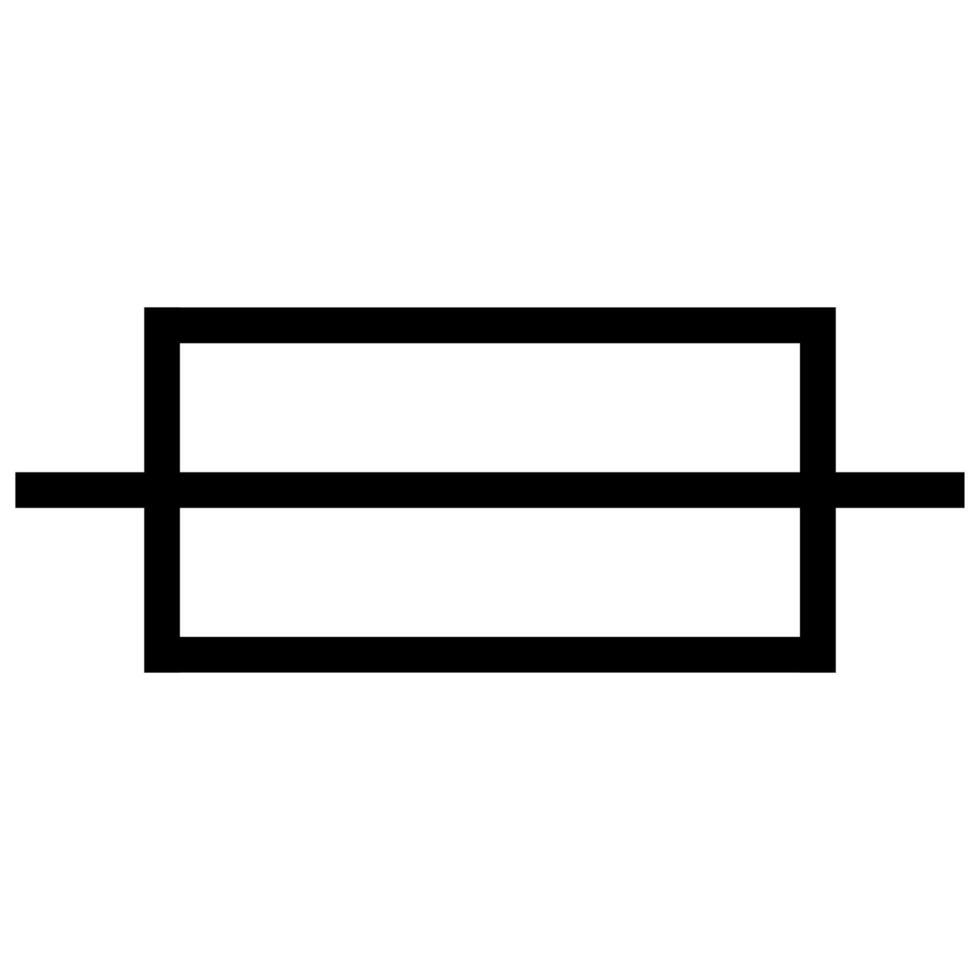
fuse
Fuse

Fixed Resistor

variable resistor
Variable Resistor
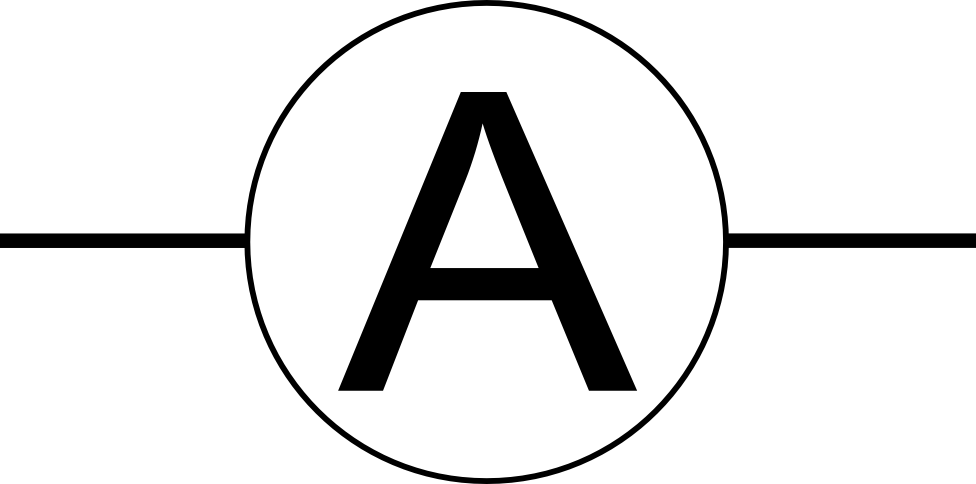
A
Ammeter
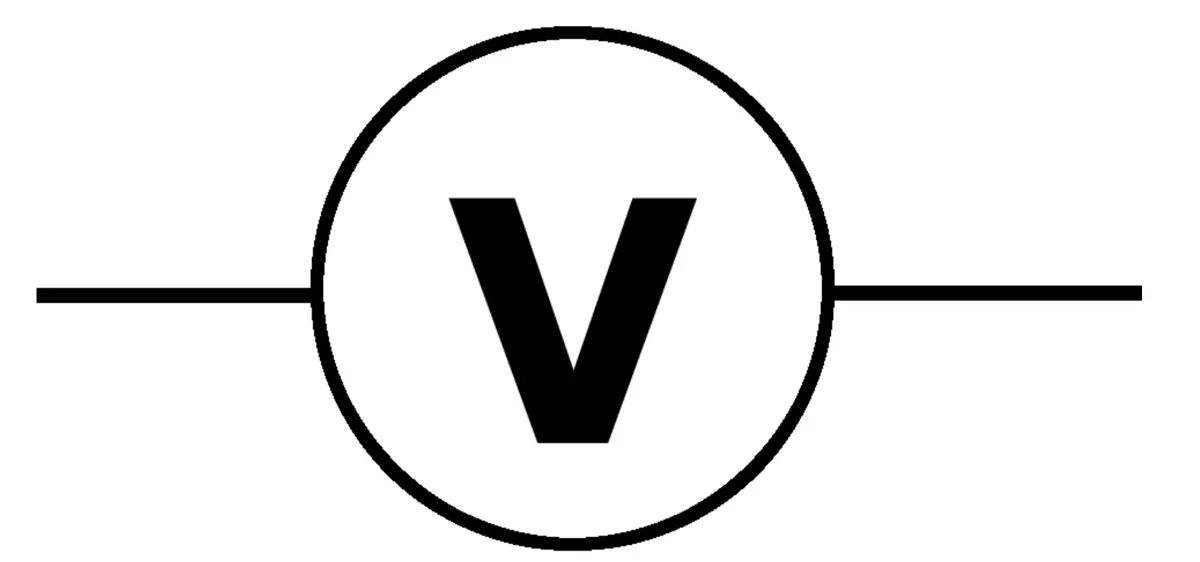
Voltmeter
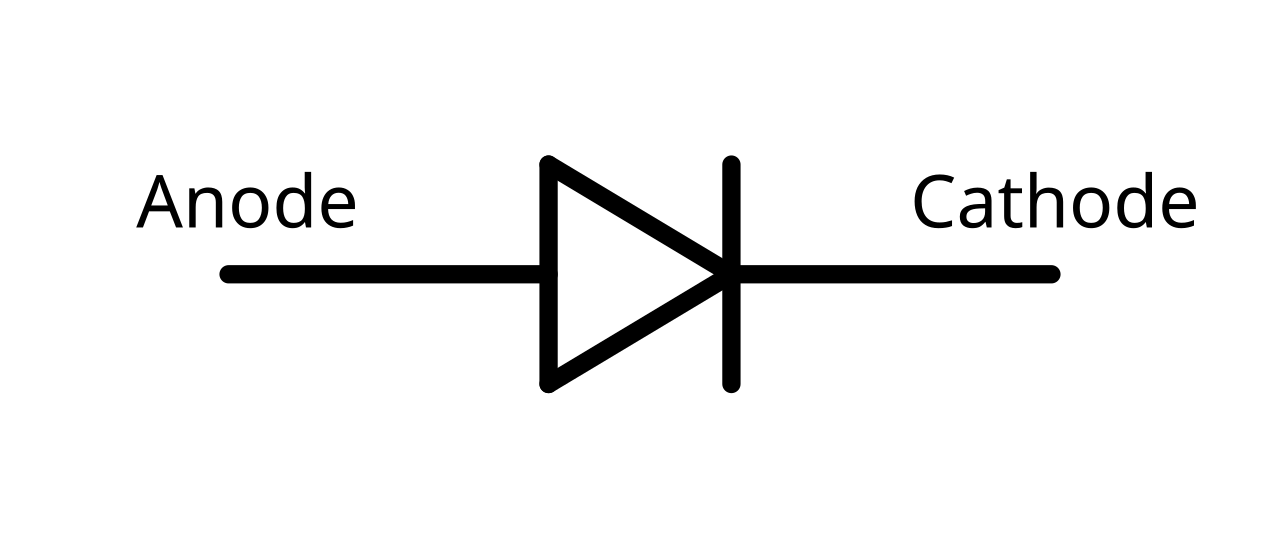
Diode
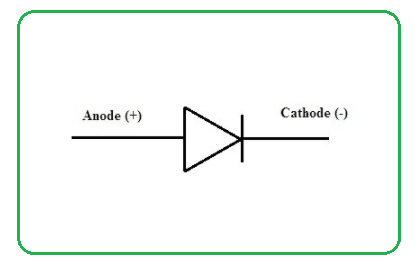

Light-Emitting Diode (LED)
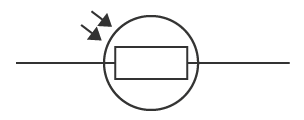
Light-Dependent Resistor (LDR)

Thermistor