Marketing Exam 3
 Call Kai
 Learn
 Practice Test
 Spaced Repetition
 Match
 Flashcards
 Knowt Play
1/96

There's no tags or description
Looks like no tags are added yet.
97 Terms
Integrated Marketing Communications (IMC)
Integrating communication channels to reinforce each other and deliver a consistent voice.
IMC Step 1: Target Market
Determine who they are (demographics, media use) to reach them where they are.

IMC Step 2: Objectives
Define goals along the customer journey: Awareness → Interest/Evaluate → Trial → Adoption.
IMC Step 3: Budget
Determine budget via Percentage of Sales, All You Can Afford, or Objective & Task.

IMC Step 4: Creative Theme Guidelines
Must be pub-friendly (funny), grandmother-approved (inclusive), and simple to explain.
IMC Step 5: Select Promotional Mix
Decide blend of Advertising, Personal Selling, PR, Sales Promotion, and Digital Advertising.
Advertising
Any paid form of communication to reach masses. Expressive but expensive and one-way.
Personal Selling
Face-to-face selling to build relationships. High control and feedback, but highly expensive.

Public Relations (PR)
Communications fostering goodwill and positive image (e.g., sponsorships, press conferences).
Sales Promotion
Short-term incentives (e.g., coupons, rebates) to get customers to act immediately.
IMC Step 6: Determine Promotional Mix
Allocate specific percentage weights to each channel in the promotional mix.
IMC Step 7: Measure Results
Evaluate and adjust the promotional mix to correct ineffective channels.
Advocacy Advertising
Stating a company's position on an issue. [Example: An ad campaign promoting environmental sustainability.]
Creative Themes in Advertising
Appeals used to attract attention. [Examples: Humor, Fear, Celebrity Endorsement, Sex Appeal, Inspiration, Engagement.]
Product Placement
Integrating a product into a movie, show, or other media. [Example: A character drinking Coca-Cola in a film.]

Outdoor Advertising
Offline, out-of-home ads like billboards or transit posters. [Visual: A giant, high-visibility highway billboard.]
Ad Scheduling: Continuous
A steady, constant advertising schedule throughout the year. [Example: Advertising everyday household goods like toothpaste.]
Ad Scheduling: Flighting
An intermittent advertising schedule with active periods and zero-ad periods. [Example: Promoting winter ski gear only in winter.]
Ad Scheduling: Pulse
A continuous baseline schedule combined with heavy bursts during peak times. [Example: Toy ads peaking during Christmas.]
Post-Testing: Unaided Recall
Measuring ad memory by asking what ads were seen yesterday, without giving clues. [Example: "What commercials do you recall?"]
Post-Testing: Recognition
Measuring ad memory by showing an ad and asking if the consumer recognizes it. [Example: Page-by-page magazine review.]
Sales Promotion: Coupons
Discounted prices to encourage trial. [Example: A voucher offering $1.00 off a new brand of cereal.]
Sales Promotion: Rebates
A cash-back incentive offered after purchase. [Example: Submitting a receipt online to receive $50 back on a laptop.]
Sales Promotion: Premiums
Free or reduced-price merchandise offered with a purchase. [Example: A buy-one-get-one-free (BOGO) deal.]
Contests vs. Sweepstakes
Contests require analytical/creative skill to win; sweepstakes are pure games of chance. [Example: Poetry submission vs. random drawing.]
POS (Point-of-Purchase) Displays
In-store displays that capitalize on the 33% of buying decisions made inside stores. [Visual: A cardboard standee near checkout.]

Trade Promotions
Short-term B2B incentives offered to retailers and wholesalers. [Examples: Merchandise allowances, discounts, and staff training.]
Precision Targeting
Reaching specific audiences. [Example: Showing restaurant ads to nearby users.]
Personalization
Tailoring communication to customers. [Example: Showing products aligned with a user's interests.]
Real-Time Analytics
Tracking marketing activity as it happens. [Example: Monitoring ad engagement during a campaign.]
Optimization
Continuously improving marketing communication. [Example: Adjusting an ad based on engagement.]
Social Media and Demand
Social media creates demand. [Example: A reel inspires interest in a destination.]
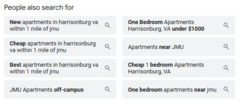
Search and Demand
Search captures existing demand. [Example: Searching for a restaurant in Harrisonburg.]
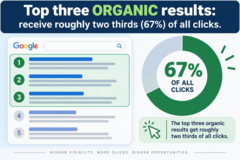
Earned Visibility
Visibility gained rather than bought. [Example: People sharing a brand's content.]
Search Advertising
Buying visibility in search. [Example: A paid result for a restaurant search.]
Information Search
Search can capture demand for information. [Example: Looking up how to use a product.]
Product Search
Search can capture demand for products. [Example: Looking for a specific product online.]
Social Proof
Social engagement can signal approval. [Example: Likes, shares, and comments on a post.]
Recommendations as Social Proof
Multiple recommendations can influence choices. [Example: Twenty friends recommend the same restaurant.]
Storytelling Content
Uses a story to communicate. [Example: A customer shares a brand experience.]
Product Demonstrations
Show audiences how a product works. [Example: A video demonstrates a product.]
How-To and Educational Content
Teaches audiences how to do something. [Example: A tutorial shows how to use a product.]
Problem-Solving Content
Helps audiences address a problem. [Example: A post explains a solution.]
Location Targeting
Reaches audiences based on location. [Example: A local restaurant targets nearby users.]
Life-Event Targeting
Reaches audiences based on life events. [Example: Targeting people experiencing a life event.]
Connection Targeting
Reaches audiences based on their connections. [Example: Targeting people connected to a brand.]
Relationship Targeting
Reaches audiences based on relationships. [Example: Targeting users by relationship status.]
Digital Activity Targeting
Reaches audiences based on digital activity. [Example: Targeting users who interacted with content.]
Finding Similar Customers
Facebook helps companies find people resembling their best customers. [Example: Targeting similar audiences.]

Discovery and Inspiration
Social media supports discovery. [Example: Finding a new destination or brand.]
Short-Form Video
Quickly consumed, easily shared content with high engagement. [Example: Reels.]
User-Generated Content
Audience-created content perceived as authentic and less sales-oriented. [Example: A customer's product post.]
Trust and Purchasing
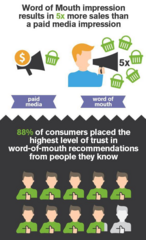
People tend to buy from those they know, like, and trust. [Example: A friend's recommendation.]
Lifestyle Content
Promotes the lifestyle associated with a product. [Example: Showing a product in everyday use.]
Professional Targeting
Reaches professional audiences by characteristics. [Example: Targeting users by job title.]
Professional Audience Criteria
Professional audiences can be targeted by seniority. [Example: Reaching senior professionals.]
Social Media Conversation
Supports customer support, breaking news, and social listening. [Example: Responding to customer questions.]
Beyond the Website
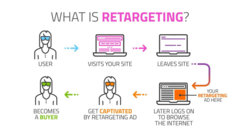
Digital marketing continues after someone leaves a website. [Example: Later communication on social media.]
Authenticity and Community
Authenticity and community are aspects of digital marketing. [Example: Genuine customer-created content.]
Business-to-Business (B2B) Marketing
Marketing goods and services to organizations, not consumers. [Example: Selling chairs to a conference center.]
Industrial Markets
Organizations buying goods or services for production. [Example: A manufacturer buys machinery.]
Services Markets
Service organizations purchasing goods or services for operations. [Example: A hotel buys furniture.]
Reseller Markets
Organizations purchasing products to resell. [Example: A retailer buys inventory.]
Government Markets
Government organizations purchasing goods or services. [Example: A city buys office furniture.]
Organizational Buying Process
Uses the same stages as consumer buying, but buying characteristics differ. [Example: Purchasing conference chairs.]

Fewer Organizational Customers
Organizational markets have fewer potential buyers. [Example: Approximately 1,000 hotels in the DMV.]
Larger Organizational Orders
Organizations often place larger orders than consumers. [Example: A conference center orders hundreds of chairs.]
Professional Purchasing
Trained purchasing professionals manage organizational purchases. [Example: A procurement officer orders furniture.]

Inelastic Demand
Demand changes relatively little when price changes. [Example: A hospital still needs essential supplies.]
Buyer-Seller Relationships
Organizational buying can involve lengthy negotiations and long-term contracts. [Example: A multiyear supply agreement.]
B2B Partnerships
Buyer-seller partnerships seek mutually beneficial terms. [Example: A supplier and hotel negotiate ongoing supply terms.]
Derived Demand
Organizational demand arises from demand for another product or service. [Example: Hotel demand drives furniture purchases.]
Multiple Buying Influences
Typically, 6-10 people play multiple roles in organizational purchases. [Example: Staff influence furniture selection.]

Purchase Size and Buying Participation
Small, routine purchases may involve one buyer; larger, less routine purchases involve many.
New Buying Situation
A new purchase involves greater risk, more people, and more time. [Example: Selecting a first furniture supplier.]
Straight Rebuy
An easy repeat purchase from existing suppliers. [Example: Reordering the same chairs.]
Modified Rebuy
A repeat purchase with changed specifications, price, or delivery. [Example: Reordering chairs with revised specifications.]
Distribution Channel
A product's path from producer to consumer. [Example: Maker → store → customer.]

Producer
A person or company that makes goods or services. [Example: A kayak manufacturer.]
Agent or Broker
An intermediary authorized to act for a manufacturer. [Example: An agent represents a kayak maker.]
Wholesaler
An intermediary selling to other intermediaries, usually retailers. [Example: A distributor sells kayaks to stores.]
Retailer
An intermediary that sells to consumers. [Example: A store sells kayaks to customers.]
Online Retailer
An intermediary that sells to consumers only online. [Example: A web-only kayak shop.]
Direct Distribution Channel
The producer sells directly to consumers. [Example: Kayak maker → customer.]
Indirect Channel: Retailer
A retailer connects the producer to consumers. [Example: Kayak maker → store → customer.]
Indirect Channel: Wholesaler and Retailer
A wholesaler and retailer connect producer to consumer. [Example: Maker → wholesaler → store → customer.]
Indirect Channel: Agent and Retailer
An agent and retailer connect producer to consumer. [Example: Maker → agent → store → customer.]
Distribution Benefit: Wide Coverage
Intermediaries can provide wider distribution. [Example: Kayaks reach stores in multiple regions.]
Distribution Benefit: Purchase Convenience
Intermediaries can make buying easier. [Example: Customers find kayaks at local stores.]
Distribution Benefit: More Sales
Wider distribution can increase sales. [Example: More stores sell a manufacturer's kayaks.]
Distribution Drawback: Complexity
Using intermediaries makes distribution more complex. [Example: A maker coordinates with wholesalers and retailers.]
Distribution Drawback: Member Profit
Channel members can receive less profit each. [Example: Multiple businesses share revenue from kayak sales.]
Distribution Drawback: Consumer Cost
Intermediaries can increase consumer costs. [Example: A kayak costs more at retail.]
Channel Selection: Customer Value
Consider whether a channel adds customer value. [Example: A local store improves convenience.]
Channel Selection: Functions Provided
Consider functions performed by channel members. [Example: A retailer sells products to consumers.]
Channel Selection: Market Coverage
Consider how widely the channel reaches the market. [Example: Stores distribute kayaks across regions.]
Consumer
Person who buys goods or services for personal use. [Example: A customer buying a kayak.]