AH Topic 4( Part I): America Comes of Age
 Call Kai
 Learn
 Practice Test
 Spaced Repetition
 Match
 Flashcards
1/44

There's no tags or description
Looks like no tags are added yet.
45 Terms
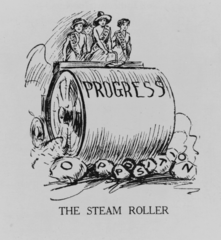
Progressivism
movement that responded to the pressures of industrialization and urbanization by promoting reforms

Muckraker
a journalist who uncovers abuses and corruption in a society

Lincoln Steffens
Early muckraker who exposed the political corruption in many American cities

Jacob Riis
a reporter who pointed out the terrible conditions of the tenement houses during the late 1800s. He wrote How The Other Half Lives in 1890.

Upton Sinclair
muckraker who shocked the nation when he published The Jungle, a novel that revealed gruesome details about the meat packing industry in Chicago.

Social Gospel
Christian faith practiced as a call not just to personal conversion but to social reform.

Settlement House
A house where immigrants came to live upon entering the U.S. Instruction was given in English and how to get a job, centers were usually run by educated middle class women. The houses became centers for reform in the women's and labor movements.

Jane Addams
the founder of Hull House, which provided English lessons for immigrants, daycares, and child care classes

direct primary
A primary where voters directly select the candidates who will run for office

Initiative
process for citizens to propose/enact laws

Referendum
a legislative act is referred for final approval to a popular vote by the electorate
recall
procedure whereby voters can remove an elected official from office

17th Amendment
Direct election of senators
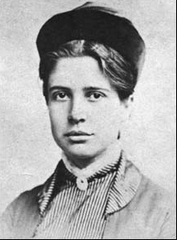
Florence Kelley
reformer who worked to prohibit child labor and to improve conditions for female workers

National Consumers League (NCL)
group organized in 1899 to investigate the conditions under which goods were made and sold and to promote safe working conditions and a minimum wage
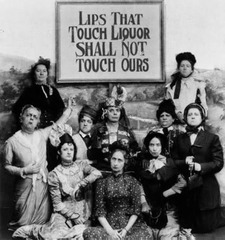
Temperance Movement
An organized campaign to eliminate alcohol consumption
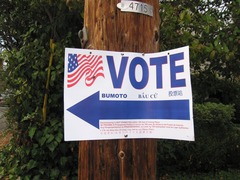
Suffrage
the right to vote
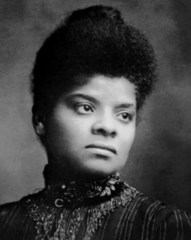
Ida B. Wells
African-American journalist who led the fight against lynching
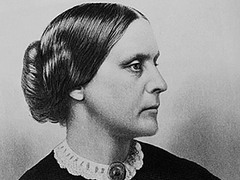
Susan B. Anthony
Key leader of woman suffrage movement

Carrie Chapman Catt
president of NAWSA, who led the campaign for woman suffrage during Wilson's administration

National American Woman Suffrage Association
a group formed by leading suffragist in the late 1800s to organize the women's suffrage movement. Led by Elizabeth Cady Stanton.

Alice Paul and Lucy Burns
They created the New Women's Party
Worked to get women the right to vote

19th Amendment
Gave women the right to vote

Americanization
Belief that assimilating immigrants into American society would make them more loyal citizens

Booker T. Washington and W.E.B. DuBois
•Booker T. Washington opened Tuskegee Institute to help blacks get a job. He was labeled an acommodationist because he wanted blacks to get a job first and worry about equality later.
•W.E.B. DuBois started the NAACP and wanted blacks to quickly achieve full equality.

Niagara Movement
A group of black and white reformers who organized the NAACP in 1909

National Association for the Advancement of Colored People (NAACP)
political organization that aimed to help African Americans be free from discrimination

Urban League
Network of churches and clubs that set up employment agencies and relief efforts to help African Americans get settled and find work in the cities

Mutualistas
organized groups of Mexican Americans that make loans and provide legal assistance to other members of their community

American Indian Citizenship Act of 1924
Granted U.S. citizenship to all Native Americans born in the United States.

Thedore Roosevelt
26th president of the United States, he focused his efforts on on trust busting, environmental conservation, and strong foreign policy.. square deal
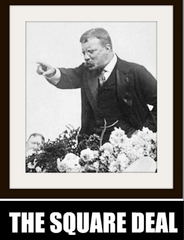
Square Deal
Theodore Roosevelt's promise of fair and equal treatment for all

Hepburn Act
This 1906 law used the Interstate Commerce Commission to regulate the maximum charge that railroads to place on shipping goods.
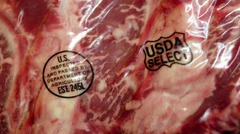
Meat Inspection Act
1906 - Laid down binding rules for sanitary meat packing and government inspection of meat products crossing state lines.

Pure Food and Drug Act
Halted the sale of contaminated foods and medicines and called for truth in labeling

John Muir
United States naturalist (born in England) who advocated the creation of national parks (1838-1914)

Gifford Pinchot
head of the U.S. Forest Servic under Roosevelt, who believed that it was possible to make use of natural resources while conserving them

National Reclamation Act
gave the federal government the power to decide where and how water would be distributed

New Nationalism
Roosevelt's progressive political policy that favored heavy government intervention in order to assure social justice
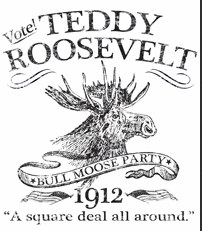
Progressive Party
Also known as the "Bull Moose Party", this political party was formed by Theodore Roosevelt in an attempt to advance progressive ideas and unseat President William Howard Taft in the election of 1912. After Taft won the Republican Party's nomination, Roosevelt ran on the Progressive party ticket.
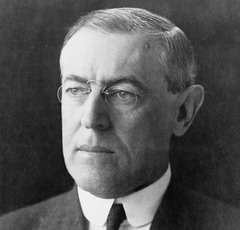
Woodrow Wilson
28th president of the United States, known for World War I leadership, created Federal Reserve, Federal Trade Commission, Clayton Antitrust Act, progressive income tax, lower tariffs, women's suffrage (reluctantly), Treaty of Versailles, sought 14 points post-war plan, League of Nations (but failed to win U.S. ratification), won Nobel Peace Prize

New Freedom
Woodrow Wilson's domestic policy that, promoted antitrust modification, tariff revision, and reform in banking and currency matters.

16th Amendment
Allows the federal government to collect income tax

Federal Reserve Act
law that created the modern banking system
Clayton Antitrust Act
law that weakened monopolies and upheld the rights of unions and farm organizations