The Industrial Revolution Vocab
 Call Kai
 Learn
 Practice Test
 Spaced Repetition
 Match
 Flashcards
 Knowt Play
1/17

Earn XP
Description and Tags
AP World History Vocab
18 Terms
Agricultural Revolution
A major shift in 18th- and 19th-century European farming that moved agriculture from low-yield, traditional methods to high-efficiency, commercial production. Four Field System, mechanized tools, Enclosure Movement, selective breeding.
Crop Rotation
rotating different crops in and out of a field each year for more harvests. Norfolk four-course system.

Seed drill
A mechanical device that plants seeds in evenly spaced rows at a precise, uniform depth rather than scattering them by hand.
Enclosure Movement
Turned shared village land and open fields (peasant farmers) into privately owned land for nobles to use modern farming machinery on them which increased food output and land value.
Cottage Industry
small-scale production operation typically managed from a private home. Rural families and artisans produced goods by hand in their own workshops. Produced textiles like yarn and cloth.

Spinning Jenny
An early hand-powered, multi spindle machine that allows a single worker to spin multiple threads of wool or cotton at the same time.

Water Frame
A large, water powered spinning machine. Uses a series of multi-speed rollers to draw out cotton fibers before twisting them, creating a much stronger and harder yarn than earlier machines

Steam Engine
A machine that turned heat energy into mechanical work using boiling water. Powered factories, mines, and transport networks. Driving force of I.R
James Watt
Scottish Inventor who made serious improvements to the steam engine, the main force of the I.R.
Putting Out System
Pre-Industrial Rev. Merchant-employers distributed rural families and artisans with materials so they could process them.
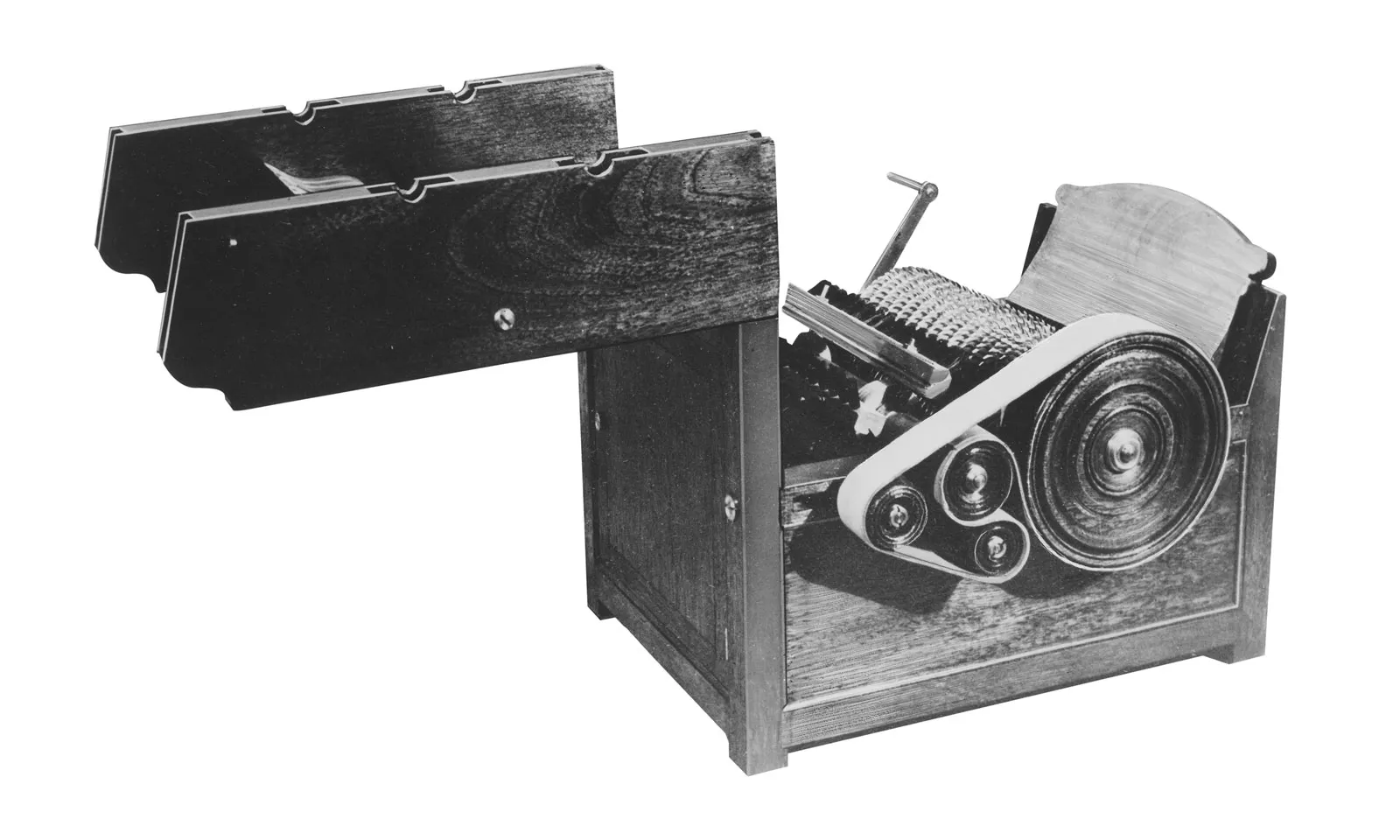
Cotton Gin
A mechanical device invented to quickly and efficiently separate raw cotton fibers from their sticky seeds. A single person operating a hand-cranked cotton gin could clean about 50 pounds of cotton per day. Invented and patented by Eli Whitney in 1793.
Eli Whitney
Inventor of the cotton gin.
Urbanization
Growing percent of population moves from rural areas to urban areas.
Tenement
narrow, multi-family apartment buildings designed to house the massive influx of factory workers and immigrants in urban areas.
Slums
A heavily populated urban area characterized by extreme poverty. Lacking of basic services like clean water and food.
Middle class
Class that does not own the means to production. Biggest/Rising class of the Industrial Revolution. Physical labor for wages.
Cult of Domesticity
(Aka Cult of True Womanhood.) Confined woman to homes. Woman should show: Piety, purity, submissiveness, and domesticity. Elevated motherhood but blocked woman from education, careers, and financial independence.
Labor Unions