Local and Systemic Effects of RT
 Call Kai
 Learn
 Practice Test
 Spaced Repetition
 Match
 Flashcards
 Knowt Play
1/42

There's no tags or description
Looks like no tags are added yet.
43 Terms
What are the patient teachings for Diet and Fluid intake during RT?
Foods high in ?
How much water should you drink?
How many meals?
What can be taken before meals or treatment to help with nausea?
What should you reduce at meal times to decrease the feeling of fullness?
If you are having trouble eating, ____ can be added to help increase calories and protein
Foods high in protein and calories
2 to 3 litres of liquid
Eat small frequent meals
Anti-emetics
Reduce fluids at meal times
Add supplements
Do energy drinks actually help with a boost in energy?
No
Patient teachings for anorexia
Signs and symptoms:
Patient teachings:
High ____ meals and snacks
Exercise?
Eat as a family or alone?
Reduce ____ and modify consistency
If still causing trouble, refer to a _______
weight loss and fatigue
Calorie
Gentle exercise
Reduce odour
Refer to a dietitian
Mouth and throat signs and symptoms
Reddening, dryness, soreness of mucosa
Decreased saliva, increased thick mucosa
Dysphagia (difficulty swallowing)
Taste alteration
Weight loss
Patient teachings to reduce mouth and throat side effects
Rinsing mouth with _____
Should you recommend commercial mouth washes, antihistamines, or decongestants?
Should patients eat slow or fast?
Eat soft, bland, and ______ juices, at _____ temperature
Increase high ___ foods
____ foods and ______ drinks help relieve dryness
Suck ________ candies
Use soft _____
Keep lips ______
Avoid ____ and _____
Experiment with _______
Use ______ cutlery
Cool _______.
Saline (or 1/2 tsp salt in warm water)
No
Slow
non-acidic
protein
frozen and carbonated
sugarless sour
toothbrush
Moist to avoid cracking-infection
alcohol and tobacco
seasonings
plastic
humidifier
Assessment for mouth and throat patients
What should you observe for?
Discuss the use of ______as ordered by RO
What is "pink lady/magic mouthwash" used for?
Observe for laryngeal edema, aspiration, sudden increase in pain, worsening skin reaction
Analgesics (pain relief; tylenol/advil)
Used for pain/coating the esophagus
What is the sign/symptom of the formation of the pseudo-membrane in the mouth?
White/yellow firmly adhering membrane (thrush)
What should you teach patients with thrash in the mouth?
Do not disturb the pseudo-membrane
Avoid flossing/dentures
Avoid crispy foods
Gentle mouth care
Assessment of patients with thrash in the mouth
Visual inspection
Pain meds
Fungal infection meds
Signs and symptoms of a mucous membrane reaction in the mouth?
Dysphagia
Loss of weight (can't eat)
Heartburn
Nausea
What do we teach patients with a mucous membrane reaction in the mouth?
Chew and eat slowly, swallow fluid after every bite
Eat soft, bland, non-acidic juices
Increase fluids
Avoid alcohol and tobacco
Liquid antacid and liquid tylenol
Pink lady
Assessment of patients with a mucous membrane reaction of the mouth?
Pain meds
Observe for aspiration
Weigh
Signs and symptoms of an esophagus mucous membrane reaction
Dysphagia
Weight loss
Heartburn
Nausea
Patient teaching for a mucous membrane reaction of the esophagus? Assessment?
Same as the mouth for both
Eating slowly, fluids, non-acidic juices, liquid antacid, tylenol, pink lady
Pain meds, aspiration, weigh
Signs and symptoms of enteritis in the abdomen
Cramps
Watery stool
Anorexia
Nausea
Vomiting
What is vomiting caused by?
Medications from chemo, direct RT to the abdomen which produces toxic waste. Waste is then released into the bloodstream which stimulates the vomiting centres in the medulla of the brain
Patient teaching for enteritis in the abdomen
Drink 2 to 3 litres of fluid daily
Increase clear fluids
eat frequent small meals
avid sweet, fatty, spiced foods
reduce milk producs
add high potassium foods
eat in a quiet atmosphere
avoid eating 1-2 hours before and after treatment to help with nausea
don't drink 4-8 hours if vomiting
mouth care after
relaxation techniques
Assessment for patients with enteritis of the abdomen
Observe for dehydration and weight loss
Anti-emetics/anti-nausea
Anti-diarrhea
Imodium
Lomotil
How to reduce fullness for enteritis
Reduce fluids during meals
Avoid fatty foods
Small meals and nutritious snacks
Signs and symptoms of proctitis in the pelvis
Patient may develop _____ where the intestines cannot digest milk sugars properly (shown by cramping, diarrhea, bloating)
Rectal irritation
Bloating/gas
Diarrhea due to decreased absorption (flattened microvilli)
Mucus/blood in the stool
Tenesmus (persistent feeling of needing to use the bathroom)
How to reduce gas in a patient with proctitis
Drink room temperature beverages, avoid straws/drinking from bottles or cans, avoid carbonated drinks, reduce foods that increase gas
How to reduce diarrhea in patients with proctitis
Eat low residue foods and high in potassium
Increase soluble fibre, decrease insoluble fibre
Avoid greasy, fatty, fried foods
Avoid milk products if diarrhea is severe
Apply warm compress to relieve discomfort
Notify if stools appear black or if blood is in stools
Avoid stool softeners and laxatives
skin care of perineal area
Sitz bath
Avoid alcohol and caffeine
Assessment of proctitis of the pelvis
Observe signs of dehydration, malnutrition, embarrassment
Asses bowel changes, record number, amount, and consistency of stools
Discuss medication if ordered by a physician: imodium, lomotil
Cystitis signs and symptoms
Frequency, urgency, burning during urination, hematuria
Patient teaching for cystitis
Drink 2-3 litres of fluid
Notify physician for frequency, urgency, or burning, or blood in urine
Reduce alcohol and smoking
Assessment of cystitis
Determine on-set and duration
Obtain urine specimen for culture and sensitivity if ordered
Monitor intake and output
Signs of anxiety, depression or lack of coping skills
Angry, sad, lack of interest
Agitated
Eating too little or too much
Alcohol
Not following directions
Patient teaching for anxiety and depression
Safe place to disclose concerns
family support
Understand patient's specific concerns
Medications
Referral to psychosocial oncology
Assessment of anxiety and depression
Determine if a risk to self and others
Ongoing assessment is important
Family support to assess burnout
Diet recommendations to reduce risk of diarrhea?
Eat a low fibre diet and make other diet adaptations
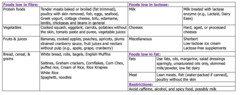
Soluble foods
Soluble: Helps diarrhea by absorbing water and adding bulk to stools. For fruits and vegetables the inside is soluble, the skin is not
Helps to lower your cholesterol and control blood sugar

Insoluble foods
Foods that are not digestible and help to relieve constipation
Water is not absorbed, moving the food much quicker through the intestines
Stool is more fluid filled and easier to pass

Examples where a cancer patient might be experiencing diarrhea warranting the recommendation of soluble fibre foods?
Prostate, cervix, uterus, bladder, anal canal, rectum, ovarian (pelvis)
Increased anxiety, antibiotics, chemotherapy drugs
Examples where a cancer patient might be experiencing constipation warranting the recommendation of insoluble fibre foods
Inactive, prescription pain medications, chemotherapy drugs, antacid medications, stress, dehydrated, low soluble fibre diet, IBS, parkinson's/ MS
If less than _____% of the lungs are exposed to radiation in excess of the tolerance dose, then the patient will probably not experience any side effects. Acute reactions will develop somewhat later than you might expect. Clinical symptoms are worsened by pre-existing conditions such as chronic pulmonary disease or infections.
State the tolerance dose for the whole lung and one third of the lung
Whole lung: 1750 cGy
One third: 4500 cGy
Response of RT to the lungs
Target cells
tolerance dose
pathophysiological effect
acute clinical effects
chronic physical effects
Pulmonary endothelial and type 2 pneumocytes
17.5Gy whole organ, 45 Gy for 1/3
Decreased ciliary action resulting in increased coughing
type 2 pneumocytes associated with surfactant release, increased fluid in spaces
inflammation
increased cough
dyspnea
tightness in chest
pneumonitis
pulmonary fibrosis
grade 1: cough meds
grade 2/3: O2/steroids
grade 4: assisted ventilation
Signs and symptoms of acute radiation pneunomitis
Fever, dry cough, dyspnea, pleuritic pain
Patient teaching of acute radiation pneumonitis
Do not smoke
Avoid sources of respiratory infection
Deep breathing/coughing exercises
Report shortness of breath to physician
sleep in a semi-reclining position
humidify the air
increase fluid intake
medications
Assessment of acute radiation pneumonitis
Fever, pain, respiratory difficulties
Observe for signs of impaired pulmonary function
Assess for supplementary O2
Patients with combined modality treatment will experience?
Side effects earlier than expected
Experience more severe side effects than we might expect

Impacts of fatigue on our patients
Emotional
Cognitive
Activities
Family
Social/cultural
Occupational/role
Spiritual
Is fatigue in cancer patients related to recent activity, gets better with rest?
No
How to reduce fatigue?
1. Manage underlying causes
-blood counts
-monitor weight
-nutrition
-sleep
-pain
-stress
2. Activity
-too much or too little rest
-too much or too little activity
-listen to your body