Movement in Space and Earth's Movement Study Guide
 Call Kai
 Learn
 Practice Test
 Spaced Repetition
 Match
 Flashcards
1/29

There's no tags or description
Looks like no tags are added yet.
30 Terms

Sun
The closest star to Earth and the center of our solar system

Planet
A body that moves around a star. We have 8 in our solar system.

Constellation
A pattern of stars that can look like an object, animal, or person

Meteor
A streak of light caused by an object entering Earth’s atmosphere

Comet
A body made up of ice, dust, and rock that has a tail

Satellite
A human-made or natural object that orbits a planet.

What causes us to see different constellations during the year?
Earth’s revolution

Geocentric Model
Earth is in the center of our solar system (not correct)
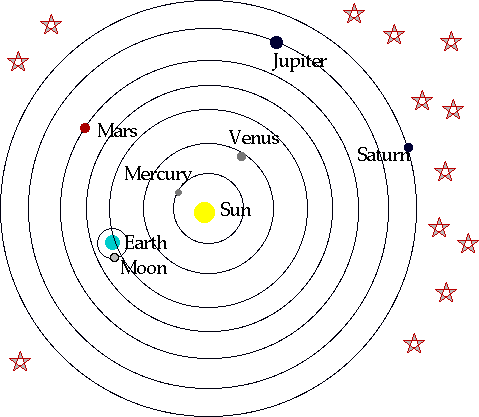
Heliocentric Model
The sun is in the center of our solar system (correct!)

Ptolemy
Greek astronomer who created the geocentric model
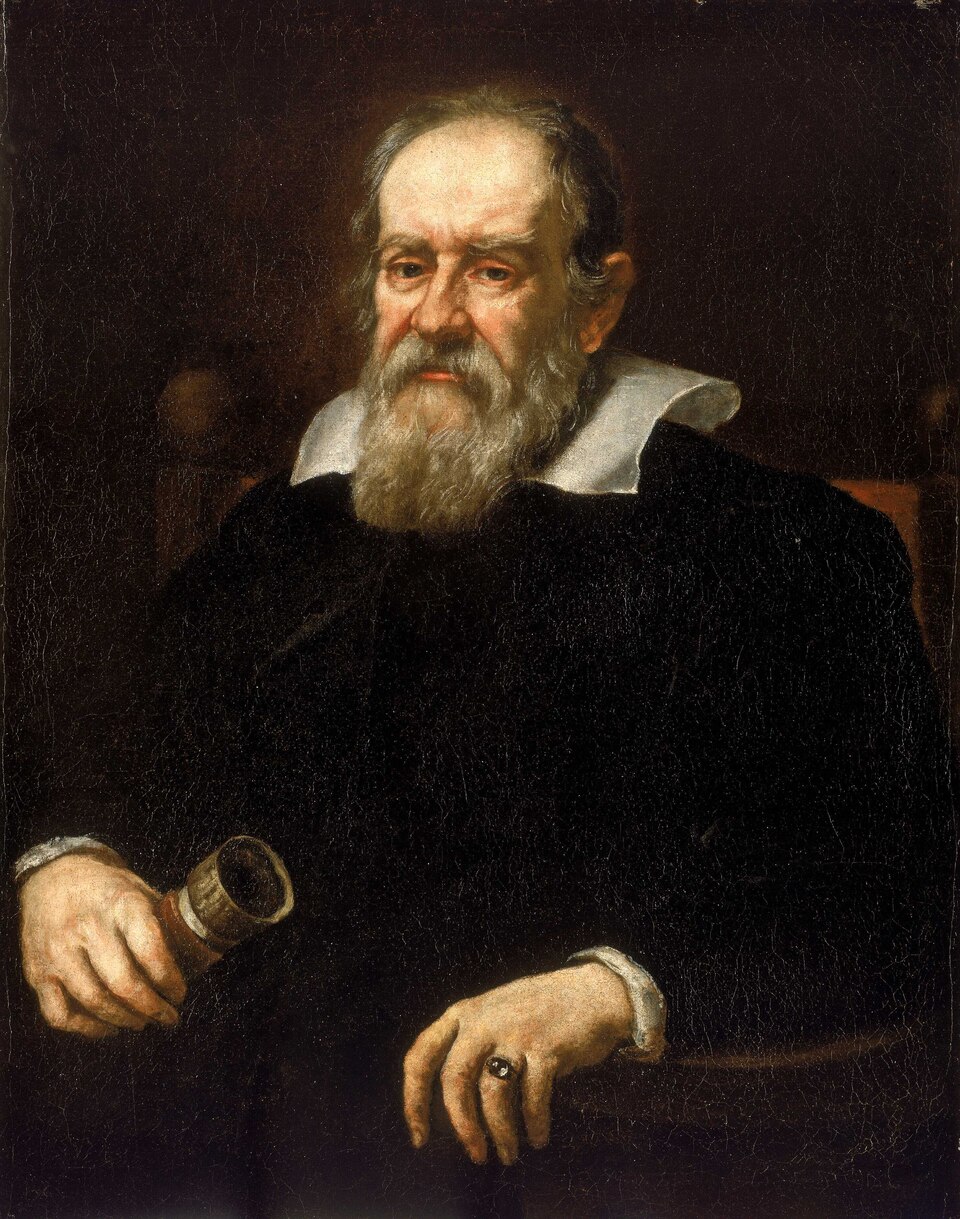
Galileo
Italian astronomer known for his improvements to the telescope. Supported the heliocentric model.

Rotation
The spinning of an object around its axis.

Axis
An imaginary line around which an object rotates.

One rotation takes ________ hours
24

If we are facing the sun it is _____________
daytime on Earth.

If we are facing away from the sun it is ______________
nighttime on Earth.

What causes day and night?
Earth’s rotation

Revolution
The movement of Earth around the sun in an orbit

Orbit
The path an object follows in space
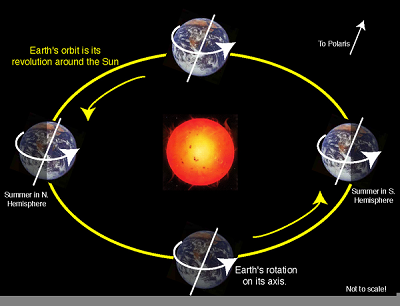
One revolution takes ________________ days
365 and ¼ days

Gravity
The force that keeps Earth and the planets in orbit

Earth’s axis is tilted ____________ degrees
23.5

During summer, our hemisphere is tilted _______________ the sun
toward

During winter our hemisphere is tilted _____________ from the sun.
away

What causes the seasons?
Earth’s tilt and revolution

Winter solstice
The shortest day of the year in terms of daylight. It marks the point when the Earth's tilt is farthest from the sun.

Summer solstice
The longest day of the year in terms of daylight. It occurs when the Earth's tilt is closest to the sun.

Fall Equinox
Occurs in September, the point in the year when day and night are equal length, occurring when the sun is directly above the equator.

Spring Equinox
Occurs in March, the point in the year when day and night are equal length, occurring when the sun is directly above the equator.

Why does the amount of daylight change during the year?
Earth’s tilt and revolution change how much light places receive