Sex, Dating, and Family
 Call Kai
 Learn
 Practice Test
 Spaced Repetition
 Match
 Flashcards
 Knowt Play
1/27

There's no tags or description
Looks like no tags are added yet.
28 Terms
Sex and Relationships for Gen Z - What changed?
proximity, age, methods, rationale, and opting out
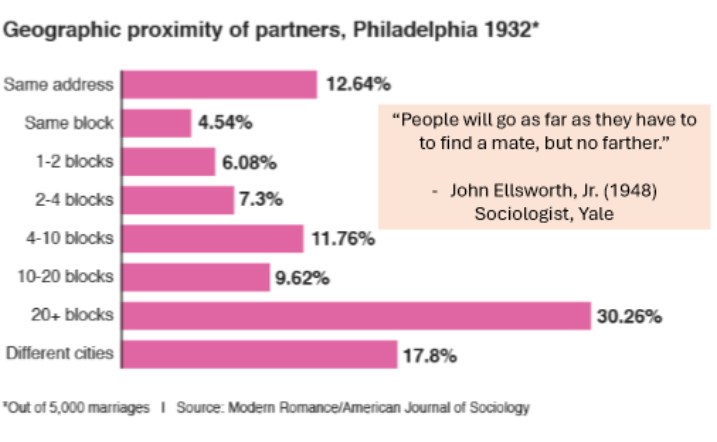
Proximity
gen z sex/relationships
looked at difference between husband/wife in Philly applying to marriage license (more likely to have people within 10-20 blocks)
technology has expanded this (dating apps and social media)
Age
gen Z sex/relationships
avg, age of Americans at their first marriage has been increasing since at least

Emerging Adulthood
a modern stage of human social development, approx. age 18-30, in which an indiivudal incrementally abandons childhoods dependencies, and tentaively explores different adult roles and identities
adulthood as a process rather than an event (people push things farther into adult than where they used to be (expanded transition stage)
adult has changed more from being an event and now more a stage → 5 things
gen z sex/relationships
Emerging Adulthood - 5 Things
idenitity exploration
instability
possibilities
feeling inbetween
self focus
Identity Exploration - Emerging Exploration
an attempt to identify a set of goals, values, and beliefs tat serve to establish one’s self-concept
Instability - Emerging Adulthood
feelings of uncertainity as well as a lack of stability in residence, education, work, and relationships
Possibilities - Emerging Adulthood
an optimistic attitude toward exploring different life paths, futures, and opportunities
Feeling In-between - Emerging Adulthood
the feeling of being neither an adolescent anymore nor a full-fledged adult yet
Self-Focus - Emerging Adulthood
learning to stand alone as a self-sufficent person
Manifestations of Emerging Adulthood
high housing prices → more people living with their parents so don’t feel like a real adult
a lot of people, even if live alone, still recieve finicial support from parents
careers that take more time/schooling so longer to get stable
can’t support a family on minimum wage anymore so didn’t need to be a Dr, engineer, etc.
delaying kids/not having them at all (change in workfoace → need > 1 income)
Signs you are in a Situationship
irregular or superficial contact
no labels or exlcusivity
no clear boundaries
lack of integration into each other’s lives
relationship doesn’t grow or end
Hookup Culture
a social landscape normalizing casual, non-committal sexual encounters w/o emotional strings or expectations of a relationship
Hookup Culture Graphs
avg. amount of sexual partners in 1 year for college stdents is 0-1 → we percieve that everyone else is having more sex that what is actually happening
no sex in college has been dramatically rising in th epast 10 years
can opt-out of sex but not of hookup culture
def. w/ men, always a higher pressure to have sex
been in place since 80/90’s not new
casual sex to avoid falling where ued to be having sex to get relationship
double standard of sex
don’t have as much time
divorced parents (diff. perceptions of love)
Double Standard of Sex - Hookup Culture
women are not just going to college to find someone (can just have a college hook up) unlike men
Don’t Have as Much Time - Hookup Culture
don’t have time for a relationship so have casaul sex because it is easier
can be an involuntary withdrawl from relationshios
distance
Romance Slump Reading
less practice with in person convos with people we don’t really know (face-to-face contact) → decline in 3rd places
regular convo through medium but might never get to in person meeting → close enough to real thing to scratch itch / semi-quasi relationships
American Hookup - Lisa Wade Quote
many students opt out of hooking up, but they can’t opt out of hookup culture. It’s more than just a behavior; it’s a climate. It can’t be wished away any more than we can wish away a foggy day
Methods of Meeting
went from friends and stuff to now mainly dating apps
more pepole meeting their partners online now (60%ish)
meetimg at bar has staged relatively stable
met at work in 70-80s was increased
or classified ads
Dating Apps
most common to meet people online especially in “thin markets”
thin environments - where there are relatively low options available, and they are more difficult to locate
aloowing us to cast a wider net
ex. LGBTQ (in 2019, about 70% of same-sex couples met online comapred to about 39% of heterosexual couples), religious minorities, seniors
Better Technology for Meeting
in seeking mates, better technology has resulted in greater freedom of choice but is it too much

Too Many Choices
sample stations of jams: some days has 24 choices → 60% stopped/tried and 3% bought (liked ½ but so many didn’t` try) while some days had 6 choices → 40% stop/tried and 30% bought (can try all of at least think got a representative sample and make a guess)
tracked how many people stopped and tried it and how people bought
more choice doesn’t necessary mean better decision outcomes
no cost to swiping L/R but there is when going on dates (fomo → how do I know there isn’t someone better for me)

Maximerizers - Dr. Simon
exhaustively seek the best
compare decisions with others
expend more time and energy (obsessive)
unhappier with outcomes (never feel like they made the right decision) → took jobs with about 20% higher starting salary but less happy
Satisfiers - Dr. Simon
accept good enough
don’t obsess over other options
can move on after decising
happier with outcomes
make decisions fast, live with it, don’t obsess over it, avoid castriphy, and couple rules of them and then decision
Simon’s Satisficing Strategy in a Nutshell
a decision-making technique where the individual considers various solutions until they find an acceptable option (first thing is to avoid castrophobic things/worst case scenarios)
a portmanteau combining sufficing and satisfying (heuristics - options that meets this qualification or one above)
simon argued that many individuals make decisions w/ satisfactory (and not optimal) solutions
satisfactory decisions preferred
class notes: decision paralysis

Satisfactory Decisions - Simon
these are preferred becaus ethey achieve an acceptable result and avoid the resource-intensive search for something more optimal
Dating Apps - Decision Paralysis
harder to conceal majot flaws in person than online
body language
how long a relationship lasts isn’t a solid metri for success
make more money if don’t meet the love of your life so continue using app
most dating apps are image-based (all converge on same interface (swipes) at some point)
promotes that physical apperance is most important
Opting-Out
less Americans are saying that marriage/kids is important to them to have a fulfilling life
girls are less likely to say they want to get married:
equality/indpedence
opportunity denied for so long (used to not have a choide)
can men live up to higher standards
don’t want ot get pregnant
dual income no kids / epensive to have kids