biol practical 1 but everything
 Call Kai
 Learn
Learn Practice Test
 Spaced Repetition
 Match
Match Flashcards
 Knowt Play
1/134

Name | Mastery | Learn | Test | Matching | Spaced | Call with Kai | Chat |
|---|
No analytics yet
Send a link to your students to track their progress
135 Terms
cyanobacteria

spirochates
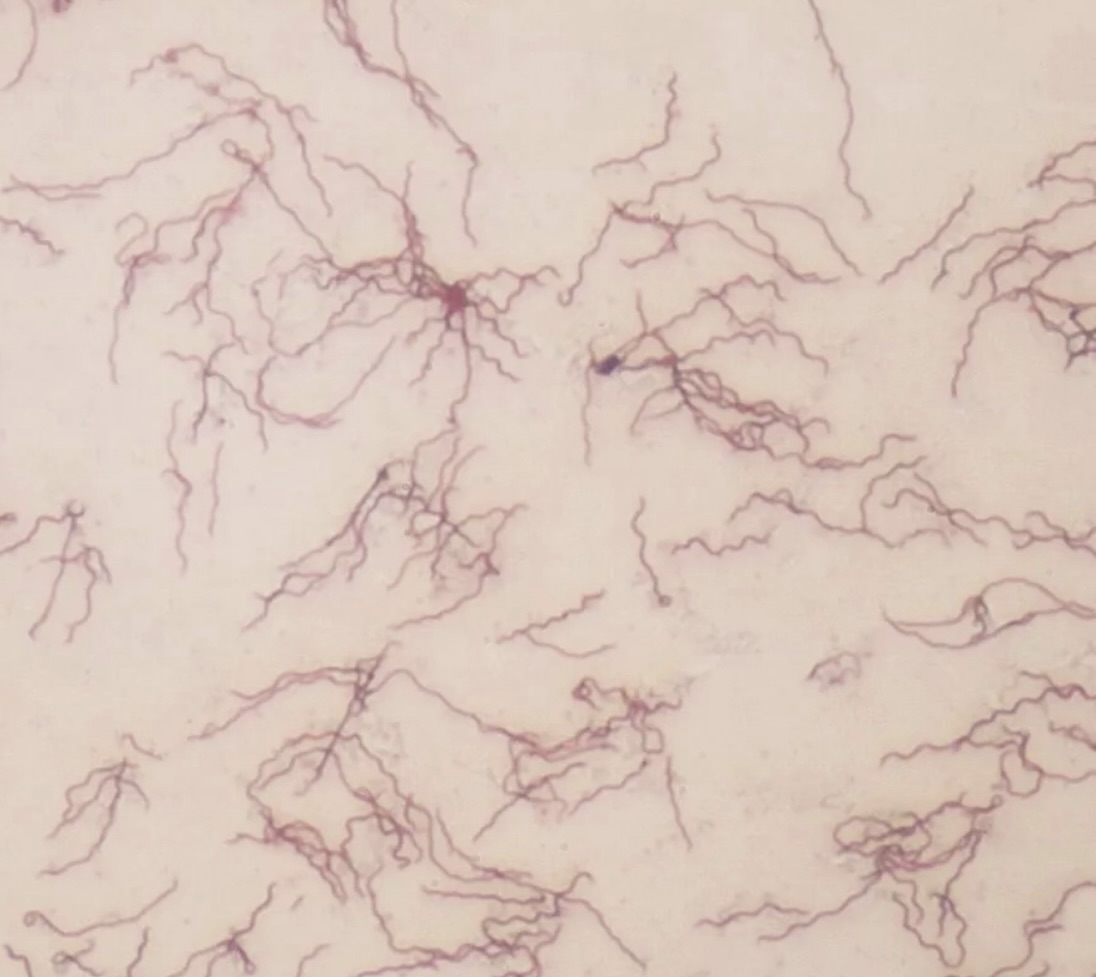
protobacteria

actinobacteria

euglena

kinteoplastid
on blood smear

chlorophyta

rhodophyta

cilliophora

apicomplex

dinoflagellate

mixed diatoms

laminaria

radiolaria

foraminifera
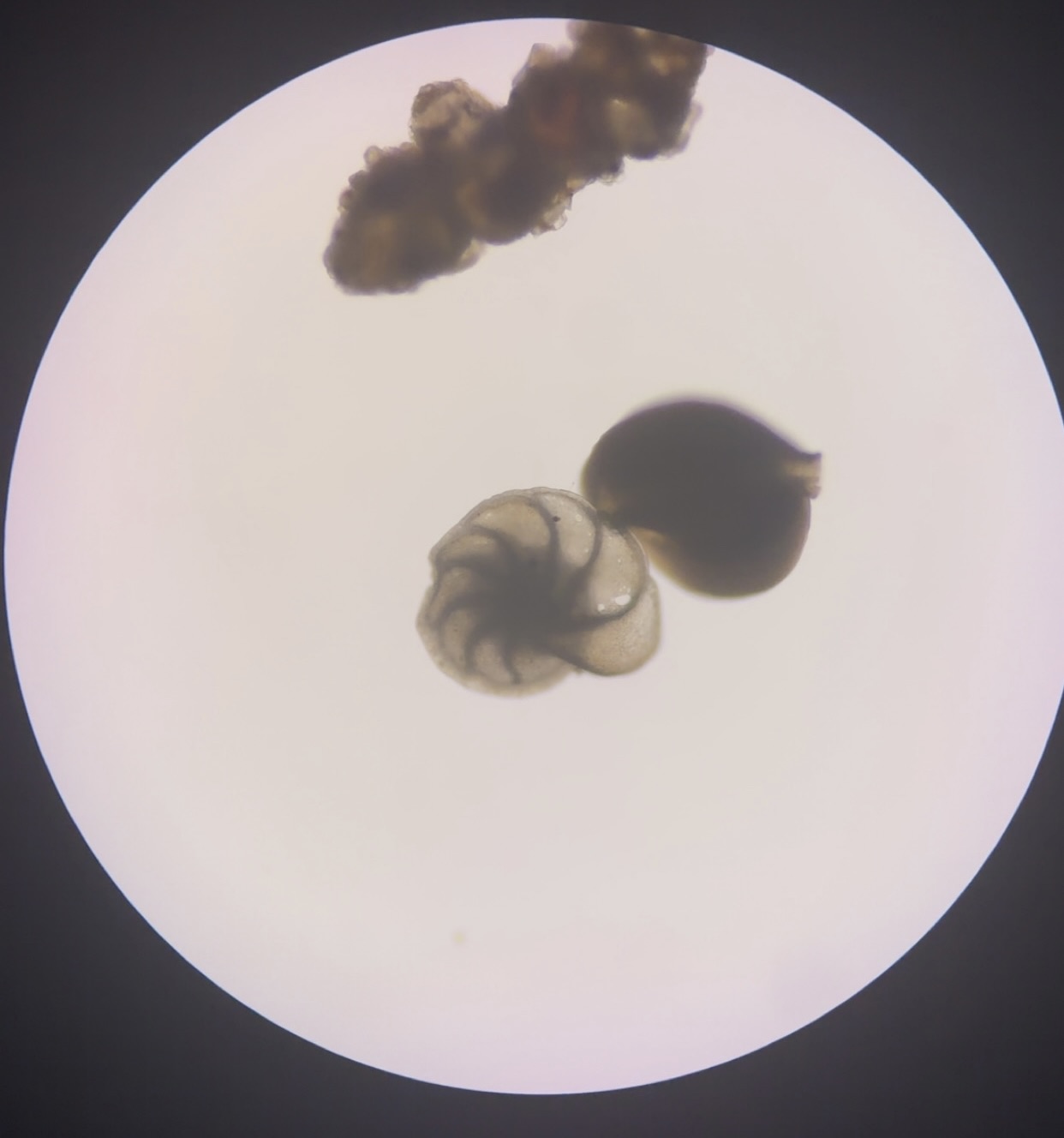
amoeba

amoeba fruiting body

marchantiophyta antheridium

marchantiophyta antheridiophore

bryophyte capsule

bryophyte protonema

bryophyte archegonial head

bryophyte antheridial head

lycopodium

selaginella

psilotale synangium

equisetum stem

equisetum strobilus

fern indusium
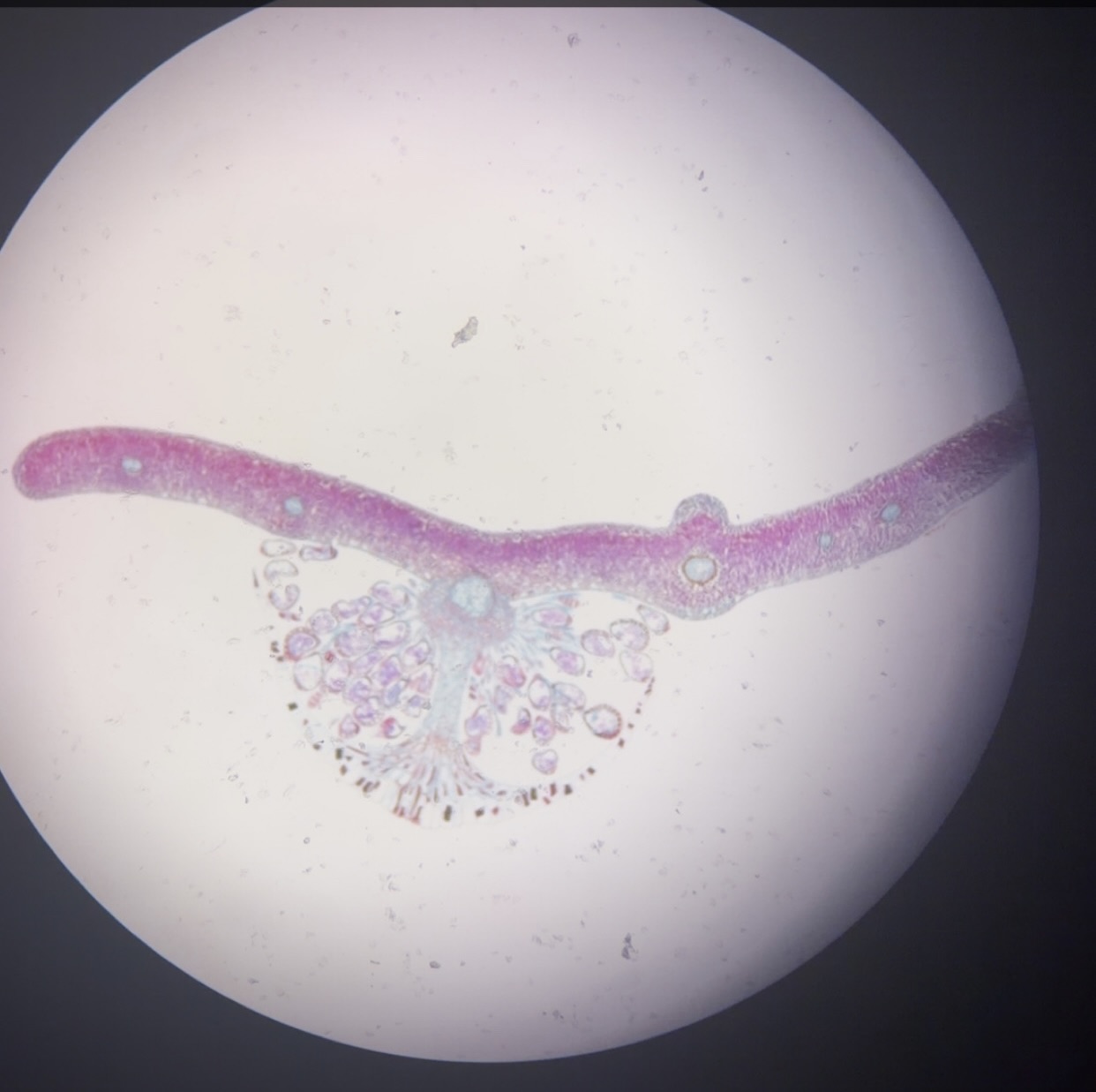
pine secondary xylem

ginko staminate strobilus

young pine ovulate cone

pine germinated polled

pollen tetrad

lilliim ovary

slime mold

choanoflagellates
evolution
process in which populations change
evolution is driven by…
changes in allele frequency over time
5 causes of evolution
migration
mutation
population size changes
non-random mating
natural selection
biological species concept
species are a group of organisms that can interbreed
speciation
one species forms two separate species
classification ranks
domain
supergroup
kingdom
phylum
class
order
family
genus
species

leaf

node

root
branch

clade/monophyletic group
a group that contains a common ancestor and all of its descendants
principal of parsimony
simplest explanation is best explanation
synapomorphy
common characteristic in a clade
prokaryote
organism with no membrane bound organelles
pilus
hairs on bacteria cell
3 layers of bacteria wall
capsule
cell wall
plasma membrane
three forms of horizontal gene transfer
transformation
transduction
conjugation
transformation
takes in dna from environment/other dead bacteria
transduction
dna inserted through virus
conjugation
dna swap from host to recipient (in sexual reproduction)
gram positive baceria
thick cell wall of peptidoglycan
stain purple
gram negative bacteria
thin cell wall of peptidoglycan
stain pink
cocci
spherical bacterial shape
bacilli
rod bacteria shape
virbrios
comma bacteria shape
spirilii
rigid spiral shaped bacteria
spirochete
flexible spiral shaped bacteria
aggregation
groups of bacteria that perform specialized functions
non-selective media
media any type of bacteria can grow on
selective media
only bacteria that can survive certain conditions can grow
phylum spirochetes
spirilli bacteria
actinobacteria
coccus gram positive bacteria
phylum cyanobacteria
photosynthetic
blue-green in color
fix nitrogen
contributed oxygen to early atmosphere
origin of chloroplasts
phylum proteobacteria
gram negative
origin of mitochondria
eukaryotes
complex cells with membrane bound organelles
protists are earths first eukaryotes
supergroup excavata
euglenoids, kinetoplastids
unicellular with excavated feeding grooves
supergroup archaeplastida
chlorophyta, rhodophyta
algae and all plants
chlorophyta have
volvox colonies
supergroup alveolata
cilliophora, apicomplexa, dinoflagellates
ciliophora
heterotrophic, lots of cilia
apicomplexa
heterotrophic parasite (malaria)
apical complex
dinoflagellates
photosynthetic or heterotrophic
thecate (cellulose plate) or athecate
supergroup stramenopila
diatoms, phaeophyceae (brown algae), oomycota
flagellar hair
diatoms
phytoplankton with cell walls of silica (glass)
phaeophycae
kelp
fucoxanthin gives color
oomycota
fungus like
filamentous hyphae
supergroup rhizaria
radiolarians, foraminifera
armored amoebas that move with pseudopodia
radiolarians
star shaped zooplankton made of silica
foraminifera
calcium carbonate shells
supergroup amoebozoa
naked amoebas, slime molds,
naked amoebas
move with lobe or tube shaped pseudopodia
blob
slime mold
fungus like
yellow
supergroup opisthokonta
choanoflagellates
one posterior flagellum
sporophyte
diploid generation
creates haploid spores
gametophyte
haploid generation
creates haploid gametes
bryophytes
bryophyta, marchantiophyta
non vascular plants, gametophyte dominant
marchantiophyta (liverworts)
leafy or thallose
asexual reproduction with gemmae cups
oil glands
antheridophore
holds male gametes
archegoniophore
holds female gametes
bryophyta
spiral leaf formation
tracheophytes
all plants that aren’t bryophytes
vascular
sporophyte dominant
vascular tissues
xylem, phloem, lignin
xylem
moves water and nutrients up