mammals
 Call Kai
 Learn
 Practice Test
 Spaced Repetition
 Match
 Flashcards
 Knowt Play
1/20

There's no tags or description
Looks like no tags are added yet.
21 Terms
monotremata
eggs rather than live young
metartheria
underdeveloped offspring that continue development outside of reproductive tract
eutheria
offspring carried in utero until late sage development, placenta
milk composition
water, fats, carbs (lactose), proteins, vitamins, immuno components
pelage
fur/hair
guard hairs, underfur, vibrissae, spines/quills
mammalian synapsids
single dentary bone
jaw to inner ear bones
malleus, incus, stapes
neocortex
outermost region of the cerebral cortex, composed of 6 layers, and sulci/gyri
order Didelphimorphia family Didelphidae
members: VA opossum, water opossum, common opossum
key diagnostic features: prehensile tail, grasping hind feet, 50 teeth
additional facts, largest family of living marsupials, primarily solitary and nocturnal

order Rodentia family Sciuridae
members: e. grey+fox squirrels, chipmunk, woodchuck, prairie dog
key diagnostic features: bushy tail furred base to tip, 5/4 digits, cheek pouches
additional facts: front incisors never stop growing, rotating ankle joints(fall protection)

order Rodentia family Castoridae
members: NA beaver, Eurasian beaver
key diagnostic features: large dorsoventrally flattened tail, densely packed pelage, webbed hind feet
additional facts: orange teeth from iron, can close lips behind incisors

order Lagomorpha family Leporidae
members: e. cottontail, snowshoe hare, European rabbit
key diagnostic features: elongated ears, disproportional hind limbs, furred soles
additional facts: two pairs of incisors, near 360 vision

Order Eulipotyphla
members: shrews, moles, hedgehogs
key diagnostic features: long mobile snouts, reduced eyes and pinnae (nostrils)
additional facts: some shrews are venomous, moles have backward facing palms

order Chiroptera family Vespertilionidae
members: vesper bats
key diagnostic features: plain face (no noseleaf), complete uropatagium and long tail, conspicuous tragus
additional facts: diverse hibernacula(where they sleep) and social organization

order Carnivora family Felidae
members: bobcat, puma, african lions, jaguars
key diagnostic features: retractable claws, digitigrade (walk on toes), forward facing eyes-lithe
additional facts: reduced dentition (teeth), obvious vibrissae

order Carnivora family Canidae
members: coyote, fox, wolf
kdf: elongated tapered snout, unretractable clows, large upright ears
additional facts: deep chest long limbs for endurance

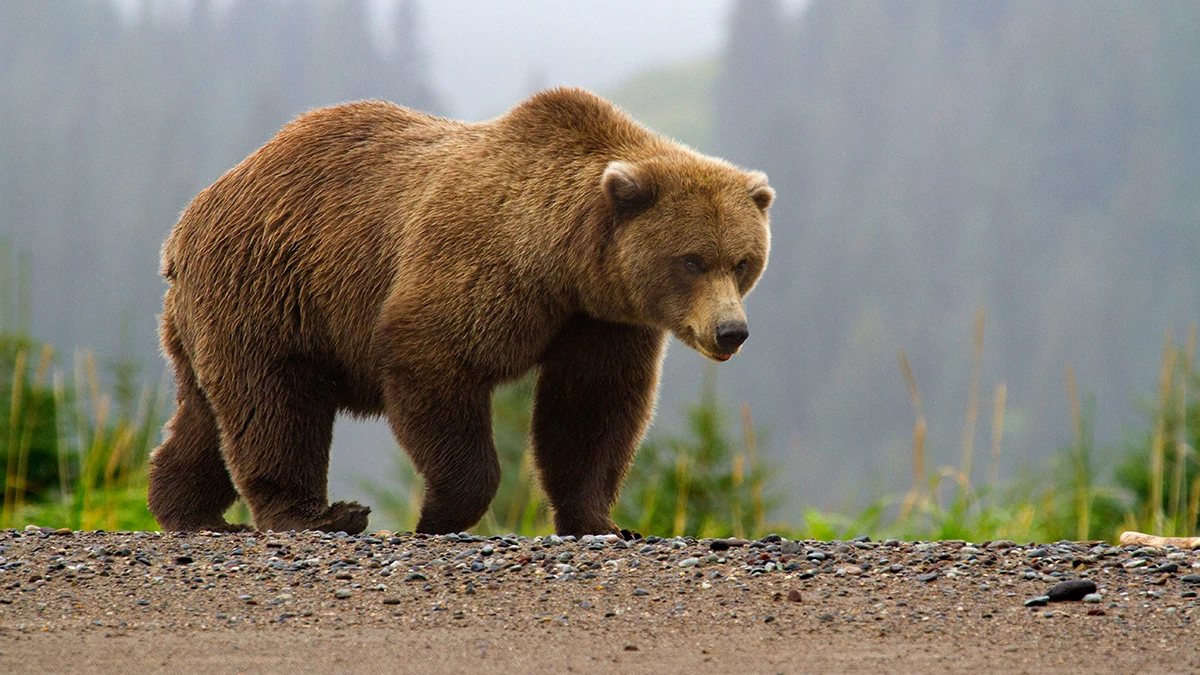
order Carnivora family Ursidae
members: bears
kdf: large robust stocky body structure, no facial vibrissae, plantigrade (whole foot)
additional facts: mostly NE OH, sprint up to 35 mph
order Carnivora family Mustelidae
members: weasels, minks, otters, badgers
kdf: elongated cylindrical bodies, flatted skull, short rostrum, sexual dimorphism in size
additional facts: interlocking jaw, bounding gait

order Carnivora family Mephitidae
members: skunks
kdf: short limbs, arched back, robust and elongated front claws, v shaped striped pelage
additional facts: aposematic warning display, leave small conical holes

order Carnivora family Procyonidae
members: common raccoon, coati, olingo, kinkajou
kdf: prominent facial marking and tail stripes, 5 toed paws, short and broad rostrum
additional facts: washing behavior with food, found near human sites

order Artiodactyla family Cervidae
members: deer, elk, moose
kdf: deciduous bone antlers: even toed ungulates, lack maxillary incisors
additional facts: red-green color blind, rough browsing
