AHS3263: Physiologic Response to Anesthesia
 Call Kai
 Learn
 Practice Test
 Spaced Repetition
 Match
 Flashcards
 Knowt Play
1/39

There's no tags or description
Looks like no tags are added yet.
40 Terms
General Factors:
Anesthetic factors
Patient factors
Procedure factors
Response to Anesthesia:
Drugs can cause significant CHANGES to the BODY
Anesthesia is generally a DEPRESSANT
Top 5 Responses to Anesthesia:
Abnormal heart rate
Bradyarrhythmias
Tachyarrhythmias
Hypothermia
Hypotension
Hypoventilation
Difficult recovery
Prolonged
Dysphoria
Pain
Abnormal Heart Rate - Bradycardia (SLOW HR):
Causes:
Anesthetic depth
TOO DEEP
Central eyes
LOW respiration
HIGH ETCO2
LOW HR
LOW BP
Hyperkalemia (HIGH potassium)
Hypothermia (LOW temperature)
Hypoxia (LOW oxygen)
Drugs
Opioids
Alpha 2 agonist - Dexmedetomidine
Vagal tone (HIGH vagal tone)
Metabolic disturbances
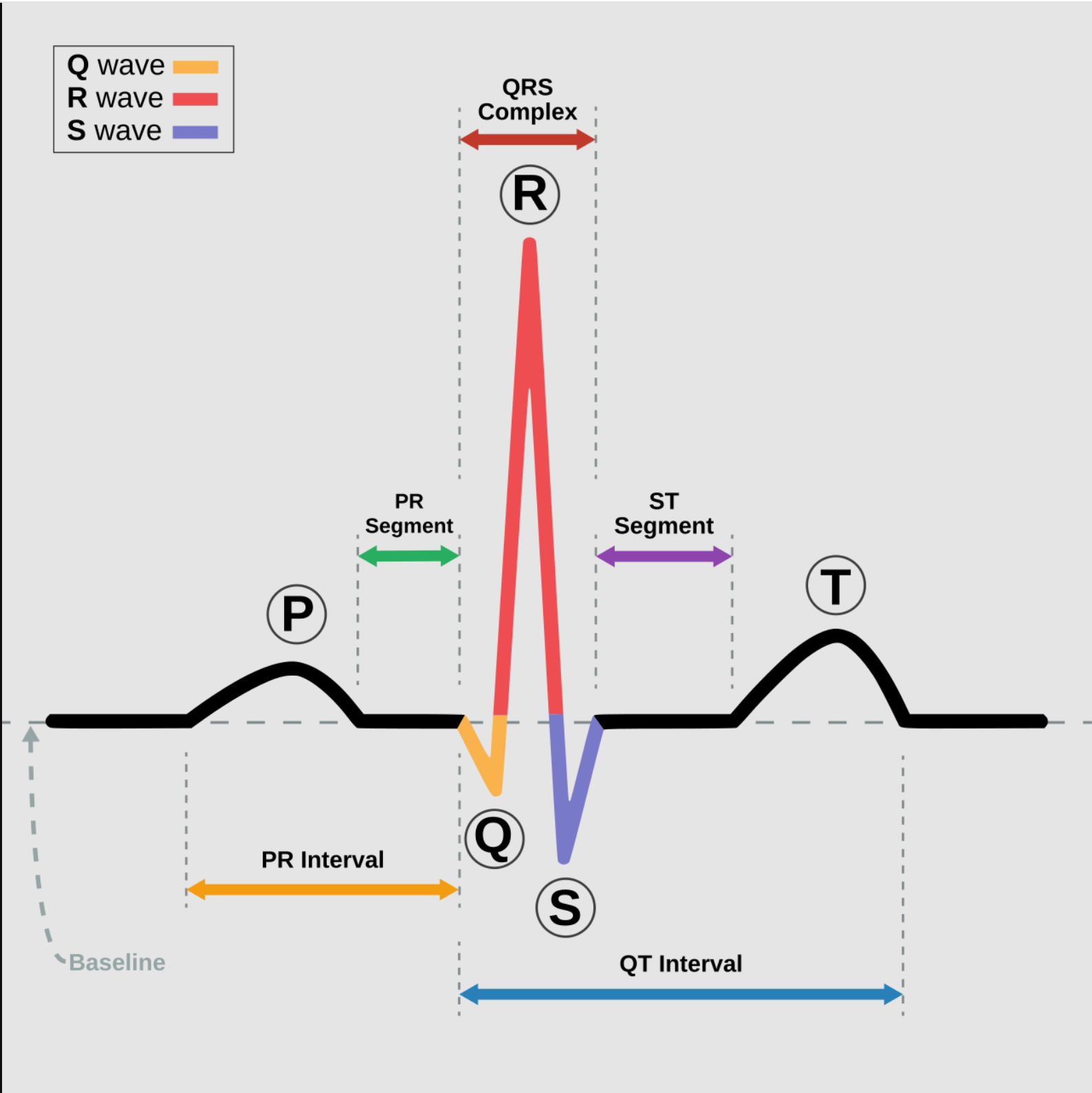
AV block (Some P waves are not followed by a QRS complex)
Bradycardia - MOST COMMON b/c anesthetic is a DEPRESSANT
Abnormal Heart Rate - Tachycardia (FAST HR):
Drugs (ex: Atropine = increases HR, dry mouth, dilated eyes -mydriasis)
Anesthetic depth
TOO LIGHT
Pain
Hypoxia (LOW oxygen)
Hypercapnia (HIGH CO2)
Hypotension (LOW BP - body tries to compensate by increasing HR)
Hypovolemia (LOW blood volume - can be caused by bleeding out)
Hyperthermia (HIGH temperature)
Double counting
Arrhythmias:
Sinus Arrhythmia
NORMAL in DOGS
ABNORMAL in CATS

Premature Ventricular Contraction (PVC) Arrhythmia
An early heartbeat originating in the ventricles, producing a wide, ABNORMAL QRS complex

AV Block Arrhythmia
A P wave without a following QRS complex

Hypothermia - Temperature:
Factors affecting temperature:
Normal thermoregulation disrupted
General anesthesia can RESET THRESHOLD for body temperature
Alcohol (DECREASES temperature)
Poor heat support
Open body cavities
Loss of movement
IV fluids (IV warmer - place CLOSE to the patient)
Surgical prep - shave fur
High fresh gas (especially in NON-REBREATHING circuit)
Hypothermia (LOW temperature):
Can result in:
DECREASE drug requirements
Bradycardia (SLOW HR)
Can affect coagulation
Prolonged recovery
DECREASES amount of anesthetic agent required
SLOWS liver metabolism of drugs
Coagulation deficiencies
Who is prone to/causes HYPOTHERMIA?
Who is prone to hypothermia:
Thin patient
Geriatric patients
Young patients
What can cause hypothermia:
Type of surgery
Open body cavity
Large shave area
Length of surgery
Alcohol
Prevention for Hypothermia:
Warming devices
Pre-warming
IV fluid warmer
Hyperthermia (HIGH temperature):
Causes:
Certain drugs
EXCESSIVE EXTERNAL WARMING
INCREASED muscle activity (tremors)
Hypotension - Monitoring Perfusion:
DEATH is LATE SIGN of POOR PERFUSION (the delivery of blood & oxygen to the body's tissues & organs)
Goals of monitoring:
Anticipate complication
Recognize complications
Correct complications
Hypotension (LOW BP) - Causes:
Anesthetic drugs (BIGGEST FACTOR)
Inhalant
Dose-dependent
HIGHER anesthetic = LOWER BP
Acepromazine
Propofol
Blood loss (hypovolemic - LOW volume of blood)
Dehydration without adequate replacement
Other drugs
Ace inhibitors
Enalapril - causes vasodilation —→ DECREASES BP
Anaphylaxis (severe allergic reaction)
Hypotension - Blood Pressure - Surgical Focus:
Hypovolemia (fluid loss, blood loss)
Shock
Inhalant anesthesia
What should you anticipate with EXCESSIVE BLEEDING in surgery?
TACHYCARDIA (HIGH HR)
HYPOTENSION (LOW BP)
Hypotension - Minimum mean arterial pressure:
Minimum acceptable mean arterial pressure (MAP):
60 mmHg
Hypotension - Response:
REDUCE anesthesia
Inhalant anesthesia - dose-dependent
May need to substitute gas with CRI
Fluids
Crystalloids
Colloids
Fluids to INCREASE Stroke Volume
Vasopressors (Drugs that constrict blood vessels) (vasoconstriction = increases BP)
Positive inotropes (Drugs that increase the force of heart contractions)
Hypoventilation - Respiration:
Respiratory patterns:
Bradypnea (SLOW breathing)
Cause by TOO DEEP
Tachypnea (HIGH breathing)
Shallow breaths
Holding breath
Apnea (temporary stop of breathing)
Propofol
Alfaxalone
CO2 drive
Hypoventilation - Bradypnea:
Causes:
Anesthetic depth - TOO DEEP
Hypothermia
Drugs
Often drug-induced
Opioids
Propofol
Alfaxalone
Inhalants
Impaired respiratory muscle effort
Hypoventilation - Tachypnea:
Causes:
TOO LIGHT
Hypoxemia (LOW oxygen)
Hypotension
Hyperthermia
Acidosis(blood becomes too acidic)
Makes dogs PANT
Pain
Opioids
Reaction to hypercarbia (HIGH CO2)
Hypoventilation - Dyspnea (difficulty breathing) and/or Cyanosis (Blue mucous membranes):
Causes:
Equipment problems
Empty O2 tank
Flowmeter turned off
Damage circuit
Airway obstruction
ET tube blockage
Laryngospasm(sudden closing of the airway)
Aspiration (accidental inhalation of foreign material into the lungs)
Respiratory disease
Pleural effusion
Pulmonary edema
Diaphragmatic hernia
EXCESSIVE anesthetic depth
Actions
Check SpO2 reading
Evaluate other vital signs, anesthetic depth & equipment setup
Turn off vaporizer – 100% Oxygen
Watch for cardiac arrest
Difficult Recovery:
Causes:
Prolonged/Delayed
Anesthetic depth
Hypothermia
Obesity
Rapid recovery with dysphoria (state of confusion, agitation, or restlessness)
Look for pain
Dexmedetomidine - cause prolong recovery
Difficult Recovery - Emergence Delirium:
Emergence delirium - Animal exhibiting signs of excitement, uncontrollable movements, and possibly vocalizing
Often mistaken for response to pain
Patient may require restraint & a little time to pass through this phase
Some require a sedative for the safety of both the pet & the technician
Wide spectrum of behaviors:
Paddling
Thrashing
Head bobbing
Biting
Climbing the walls
Difficult Recovery - Dysphoric Animals:
Dysphoric animals may are often CONFUSED & may BECOME AGGRESSIVE
Even NON-AGGRESSIVE animals may BITE
Difficult Recovery - Prolonged Recovery:
Some patients will take longer to recover than others
Especially BRACHYCEPHALIC
Causes range from a long procedure time to more serious situations such as HYPOTENSION
Causes:
Temperature
EXCESSIVE depth
Anesthesia (may need reversal agent)
Reversal agents:
Atipamezole | Dexmedetomidine (alpha-2 agonist) |
Yohimbine | Xylazine (alpha-2 agonist) |
Naloxone | Opioids (e.g., morphine, fentanyl) |
Flumazenil | Benzodiazepines (e.g., diazepam, midazolam) |
Patient factors:
Liver disease
CNS disease
Shock/Hypotension
Hypoglycemia (LOW blood sugar levels)
Who is at risk?
Young animals
Small or toy-breed dogs
Sick or debilitated animals
Recovery:
Gentle stimulation
Pulling tongue
Turning onto the other side
DO NOT annoy/harass the animal
Ventilation
Fluid Therapy
Reversal Agent
Warming measures
How your Patients Affects Anesthesia - Patient Related Factors:
Geriatric
Pediatric
Brachycephalic
Obese
Trauma patients
Sighthounds
Systemic disease
Cardiovascular
Respiratory
Hepatic
Renal
General poor condition
Patient Related Factors - Geriatric Animals:
Have reached 75% of life expectancy
DECREASED heart, lung & liver function
Presence of degenerative disorders
Poor response to stress
REDUCED anesthetic requirements
Prolonged recovery
Tendency for hypothermia
Patient Related Factors - Neonates & Pediatric Animals:
Preoperative fasting
IV 5% dextrose in lactated Ringers during anesthesia
Use pediatric microdrip administration set
Use pediatric or gram scale to weigh animals <5 kg
Injectable agents may require dilution
Have REDUCED anesthetic requirements
Neonates have REDUCED LIVER & KIDNEY function
Induction with inhalant agents
Intubation & catheterization are difficult
Prone to hypothermia
Patient Related Factors - Brachycephalic Animals:
Anatomic characteristics
Difficult to intubate
Prone to bradycardia (SLOW HR) - Dexmedetomidine causes bradycardia
Use agents that ALLOW RAPID recovery
Monitor closely during recovery for DYSPNEA (difficulty breathing)
Recover in stress-free environment
Laryngeal swelling
Fat & Anesthesia:
Most anesthetics are fat-soluble
Anesthetics are ABSORBED in the BODY FAT & is released by the body over hours, days or even weeks
Causing a SLOWER recovery
What does fat do with anesthsia?
Anesthetics drugs are STORED in BODY FAT - which can cause animals to take longer to recover
Additional Patient Factors:
Recent trauma
Trauma to thoracic cavity, head trauma
Respiratory difficulties
Pneumothorax
Pulmonary contusions
Hemorrhage
Diaphragmatic hernia
Patient Related Factors - Cardiac:
Preexisting cardiovascular disease
Anemia
Shock
Cardiomyopathy (primary or secondary)
Congestive heart disease (mitral valve insufficiency)
Heartworm disease
Coexisting imbalances (e.g., hypoxia, hypercapnia, electrolyte imbalances)
Patient Related Factors - Hepatic Disease:
Drug metabolism (LIVER metabolizes drugs)
Hypoproteinemia (LOW protein levels)
Why does this matter?
Albumin - important b/c drugs are protein bound
Coagulation
Why?
LIVER produces most clotting factors needed for blood clotting
Liver necessary for drug metabolism, blood clotting factors, plasma proteins, carbohydrate metabolism
Choose drugs & pre-anesthetic agents with care
Patient Related Factors - Renal Disease:
Kidneys maintain volume & electrolyte composition
Renal excretion REMOVES anesthetic agents & metabolites from body
General anesthesia associated with DECREASED blood flow to kidneys
What parameters do we look at to dx?
BUN
Creatinine
USG
DO NOT restrict water, correct dehydration
Procedure Factors:
Body cavity involved
Organ
Heart, adrenal glands, brain, lungs, bone etc
Blood loss may result in:
HYPOTENSION
Liver disease does not affect anesthesia:
FALSE
Which drug can be used to help with emergence delirium?
Dexmedetomidine
Factors that can affect temperature regulation include:
Body weight
Age
Type of circuit
EXPECT: Monitoring devices