Drugs for Heart Failure
 Call Kai
 Learn
 Practice Test
 Spaced Repetition
 Match
 Flashcards
 Knowt Play
1/103

There's no tags or description
Looks like no tags are added yet.
104 Terms
what is Heart Failure described as?
Heart Failure is an abnormality of cardiac structure or function leading to the failure of the heart to deliver oxygen at a rate that fulfills the requirements of the tissues in the body
what are physical char heart failure patients usually have? (3)
have hypertension
have enlarged heart muscles and chamber
have low ejection fraction meaning the heart does not provide adequate perfusion to the body
how many ppl are affected by heart failure
Heart Failure is a complex clinical disorder, affects
600,000 people in Canada
50,000 new patients each year
what is Systolic heart failure
Problem: The heart cannot CONTRACT properly.
The heart muscle becomes weak and often dilated (enlarged).
The ventricles can fill with blood, but they cannot pump enough of it out.
This decreases the amount of blood delivered to the body.
The ejection fraction (EF) is reduced.
Example: The left ventricle fills with 100 mL of blood but only pumps out 30 mL.
what is Diastolic heart failure (HFpEF)
Problem: The heart cannot RELAX properly.
The ventricular walls become stiff, often due to thickening (hypertrophy).
The ventricles cannot relax and fill properly during diastole.
Less blood enters the ventricles.
The heart muscle can still contract normally.
The ejection fraction is usually preserved.
Example: The left ventricle fills with only 60 mL of blood and pumps out 36 mL.
what happens in Left-sided heart failure
Most common form of heart failure
Fluid may build up in the lungs and cause dyspnea and
pulmonary edema.
what happens in Right-sided heart failure
Often occurs along with left-sided heart failure
Fluid builds up in the abdomen, legs, and feet, resulting in
peripheral edema
What is echocardiography?
– Send soundwaves into the body which are reflected at the interfaces between tissue
– Return time tells us the depth of the reflecting surface
what is normal range EF and reduced range?
EF = 55% = normal
Ejection Fraction ≤50% is reduced
What are cardiomyocytes?
Cardiomyocytes are simply heart muscle cells responsible for making the heart contract.
how do cardiomyocytes contract
Cardiomyocytes respond to action potential by depolarization of the membrane
Starts by shortening of contractile proteins and ends with relaxation and return to resting state
Cardiomyocytes are interconnected in intercalated discs that respond to stimuli as a unit
Force of muscle contraction is related to the amount of cytosolic Ca2+
Ca2+ comes from outside the cell first which triggers release from SR and mitochondria stores
Muscle relaxation is achieved through removal of free Ca2+ by the Na+/Ca2+ exchangers and reuptake into SR and mitochondria
which factors increase risk of HF
age
smoking
obesity
hypertension
coronary artery disease
diabetes
dyslipidemia

how does the body prevent heart failure

what does the Progression of Chronic Heart Failure look like

in HF Slight decreases in blood pressure corrected by
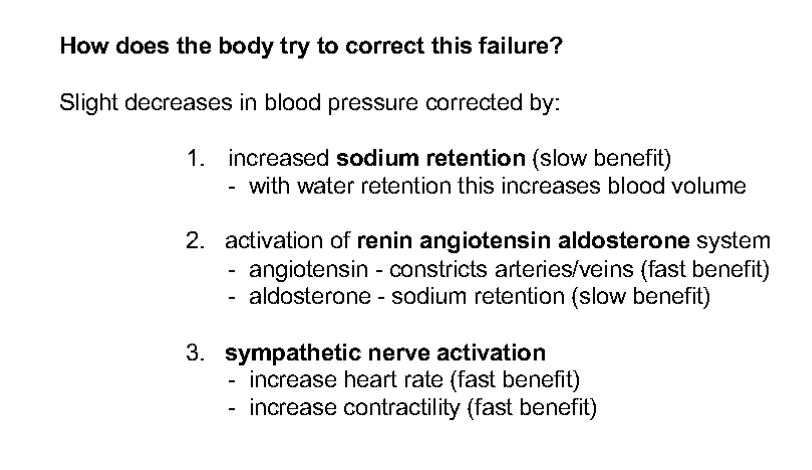
what are the effects of those changes

explain how those effects are caused in early heart failure

Late in heart failure (decompensated) these things worsen the condition. explain how those conditions worsen

what are the Physiological Consequences of Heart Failure

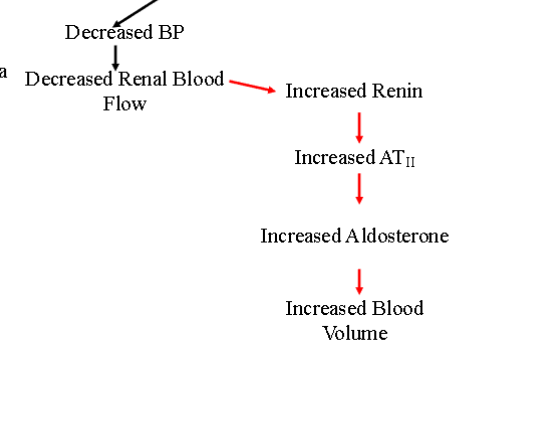
what does Decreased Renal Blood Flow lead too
Main Symptoms of HF
Shortness of Breath
Shortness of Breath at Night
Need to sit or stand to breath easily
Reduced exercise tolerance
Fatigue
Ankle swelling
Peripheral Edema
Pulmonary Edema
Main Signs of HF (6)
Sweating
Increased heart rate
Elevated jugular venous pressure
Hepato-jugular reflux
Rapid Breathing
Cardiac murmur
what are the stages of hf
A - at risk
B - pre-hf
C - symptomatic
D - advanced
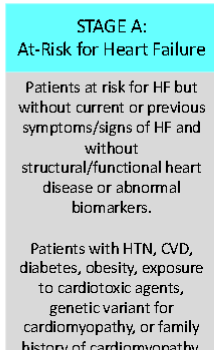
what happens in Stage A
The patient does not have heart failure yet, but has risk factors that increase their likelihood of developing it.
Examples:
Hypertension (high blood pressure)
Diabetes
Obesity
Cardiovascular disease
Family history of cardiomyopathy
Exposure to cardiotoxic drugs
Key point: No symptoms AND no structural or functional heart abnormalities.
what happens in stage B
The patient still has no current or previous symptoms of heart failure, but there is already evidence of heart abnormalities or injury.
For example:
Structural changes, such as an enlarged left ventricle
Increased filling pressures
Elevated BNP/NT-proBNP or cardiac troponin in an appropriate at-risk patient, without another explanation
Difference from Stage A: The heart is already showing evidence of damage or dysfunction, but the patient has no symptoms.

what happens in stage C
The patient has current or previous symptoms of heart failure.
Common symptoms include:
Shortness of breath (dyspnea)
Fatigue
Swelling of the legs (peripheral edema)
Difficulty breathing when lying flat (orthopnea)
Importantly, someone remains Stage C even if their symptoms improve with medication.
Your slide also shows four possible courses for Stage C:
what are the four plausible courses for stage C
New-onset (de novo) heart failure
Resolution of symptoms
Persistent heart failure
Worsening heart failure
what is Stage D: Advanced heart failure
Marked HF symptoms that
interfere with daily life and
with recurrent
hospitalizations despite
therap
HEart failure is a _____ with high _____
Heart Failure is a Progressive Condition with High Mortality
if frequency increases in acute events what happens?
• Increasing frequency of acute events with disease progression leads to high rates of hospitalization and increased risk of mortality
• With each acute event, myocardial injury may contribute to progressive LV dysfunction

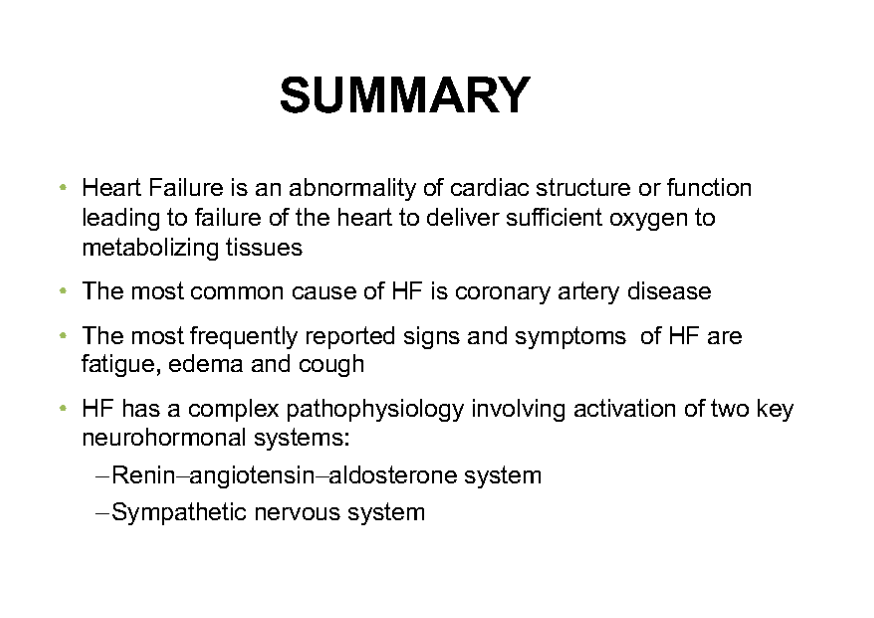
Summary of HF
Drug Classes for Heart Failure (5)
inhibitors of renin angiotensin system
ARNIs
b-adrenergic receptor blockers
inotropes
diuretics
ex of inhibitors of renin angiotensin system
- ACEI, enalapril
- ARB, losartan, valsartan
ex of ARNIs
Entresto (sacubitril/valsartan)
ex b-adrenergic receptor blockers
metoprolol, carvedilol, propanolol
ex of inotropes
digoxin, dobutamine
ex of diuretics
- furosemide, metolazone, dapagliflozin
- aldosterone antagonist
- spironolactone
Why decrease formation of angiotensin II?
decreased constriction in arteries and veins
- decreased preload and afterload (heart works less)
decreased aldosterone by decreased angiotensin II
- decreased blood volume (and decreased venous return)
decreased remodeling
- decreased thickening of heart tissue
renin pathway to make angiotensin 2

what does acei do to bradykinin
ACE (angiotensin-converting enzyme) is responsible for breaking down and inactivating bradykinin (a vasodilator peptide). When an ACE inhibitor blocks the ACE enzyme, it prevents this breakdown, leading to an increase (accumulation) of bradykinin levels in the body
when should you start ACE Inhibitors? what are its initial effects?
started soon after diagnosis
- excellent single therapy
- improve clinical signs and symptoms
- significantly decrease morbidity and
mortality
ace inhibs reduces death caused by: (4)
- progressive heart failure
- cardiac arrhythmia
- myocardial infarction
- stroke
what is an ace inhib that is a first line drug for heart failure, how should it be used?
Enalapril
After edema has been taken care of (if present).
- generally used in combination with furosemide
what are the benefits of Enalapril
- survival
- symptoms/quality of life/exercise tolerance
- hospitalizations/ER visits
- ejection fraction and hemodynamics
Effective in slowing the course of heart failure
ACE Inhibitors side effects (4)
should not be used in pregnancy(causes birth defect)
may cause hyperkalemia (due to aldosterone decrease) - leading to abnormal heart rate and cardiac arrest
commonly cause dry cough
metabolically neutral – good
– no effect on lipids or blood glucose
why should caution be taken when using ace inhibs with other meds?
caution taken with other medications mostly related to potential hyperkalemia
Spironolactone- dose adjustments are necessary to avoid hyperkalemia
what medications should caution be taken when using ACE inhib?
– Ibuprofen/Indomethacin: Chronic use of Non-steroidal anti-inflammatory drugs
– Valsartan (ARBs)
– Sacubitril/Valsartan
– Alka-Seltzer (antacid)
– Trimethoprim (antibiotic)
why should caution be taken with those meds?
Caution must be taken with the following medications because they can increase potassium levels and in combination with enalapril could cause hyperkalemia
examples of Angiotensin Receptor Blockers (ARBs)
Losartan
Valsartan
what is Angiotensin Receptor Blockers (ARBs) main function
Ultimate action is similar to ACEi but without the effects of increasing bradykinin
Originally marketed as ACEi without the cough
what are consequences of ARBs
Similar complications and drug-drug interactions to those seen with ACEi
- combination with enalapril or spironolactone increase
the risk of hyperkalemia
what reduces the efficacy of ARBS?
Notably the efficacy of ARBs are reduced by grapefruit juice
what is Neprilysin
is an endopeptidase that degrades vasoactive peptides including atrial natiuretic peptide(ANP) and brain natiuretic peptide(BNP)
The net effect of neprilysin activity is?
- increased constriction in arteries and veins
- increased preload and afterload (heart works more)
- increased aldosterone
- increased blood volume (and decreased venous return)
what does Neprilysin inhibition (eg. sacubitril) do
- decreased constriction in arteries and veins
- decreased preload and afterload (heart works less)
Natiuretic Peptide System

What is an ARNI?
ARNI stands for Angiotensin Receptor–Neprilysin Inhibitor.
Combines an ARB with a neprilysin inhibitor
contains two main drugs valsartan and sacubitril
what does Valsartan do
Blocks the RAAS pathway
valsartan helps decrease both preload and afterload and reduces harmful cardiac remodeling.
what does Sacubitril do?
Inhibits neprilysin - Neprilysin is an enzyme that breaks down natriuretic peptides.
when are ARB/Neprilysin Inhibitors (ARNI) used
Recommended for use as a replacement for ACEi or ARB in individuals with heart failure with reduced ejection fraction
what line of drugs are ARNI?
Currently used as a second line drug in heart failure
- recommended to switch patients after ACEi or ARB
- can be used in patients with heart failure stage B, C or D.
- can be used in patients with high BP or reduced kidney function
Side effects of ARNIs (Sacubitril/Valsartan)

Benefits of b-adrenergic receptor blockade?
-decrease adverse effects of high catecholamine levels on the heart
- decreased cardiomyocyte apoptosis (cell death)
- decreased cardiac remodeling (decreased mitogenic activity)
- so mechanism not completely understood but clinical benefits are clear
benefits of beta blockers

what two important beta blockers
Carvedilol
Metoprolol
what does Carvedilol do?
- blocks b- AND a-adrenergic receptors
- a-adrenergic receptor blockade helps to relax (dilate) arteries
- the heart does not have to work as hard to eject blood
- decreases afterload
- b-adrenergic receptor blockade slows the heart and
decreases force of contraction
function of Metoprolol
- similar benefits to carvedilol
- selectively blocks b1-adrenergic receptors
when should you avoid using beta blockers
avoid in (or at least use with caution):
- asthma, COPD, peripheral vascular disease, insulin
dependent diabetes, physically active
when is it considered good?
good if certain other diseases present (treats both):
- hypertension
- glaucoma,
- certain arrhythmia,
- myocardial infarction,
- angina
for carvedilol and metoprolol what are harmful drug interactions you should be aware of?
• Carvedilol- interaction with ventolin worsens breathing problems due to narrowing of airways
• Carvedilol/Metoprolol- interaction with verapamil (anti-
hypertensive) may cause irregular heartbeat
what are two other things that dont interact well with beta blockers
Antiretroviral medications (e.g. saquinavir) could cause arrhythmia
• Alcohol dangerous since it has additive effects of lowering blood pressure
What are inotropes?
agents which alter the force of contraction of the heart
There are two types:
Positive inotropes: Increase the force of contraction.
Negative inotropes: Decrease the force of contraction.
what are two ex of positive inotropes
digoxin, dobutamine
• - increase contractility of the heart
• - symptomatic relief
• - chronic use associated with increased mortality
char of Dobutamine (6)

char of Digoxin

Digoxin mechanism of action
mechanism of action - increases calcium release for each beat

why must you monitor potassium lvls in digoxin
- hyperkalemia diminishes effectiveness of digoxin
- hypokalemia increases digoxin toxicity.
- both inhibit the Na/K ATPase
what can increase digoxin toxicity.
diuretic (loop) use may produce hypokalemia
what negative effects do harmful interations with other drugs with digoxin do?
Interactions with some medications can dangerously increase blood levels of digoxin resulting in cardiac arrhythmias
- common antibiotics such as amoxicillin and erythromycin,
- the anti-arrhythmic agent amiodarone
what do diuretics prevent in hf?
In heart failure, the heart may not pump blood effectively.
This can activate compensatory mechanisms such as RAAS, causing the kidneys to retain sodium and water.
As a result, excess fluid accumulates in the body.
This can cause:
Peripheral edema (swelling in the legs and feet)
Pulmonary edema (fluid accumulation in the lungs)
Shortness of breath
what do diuretics do?
Diuretics help the kidneys eliminate excess sodium and water through urine.
This decreases fluid overload and relieves symptoms.
strategies to help prevent Chronic Heart Failure

what is Diuretic Resistance
- Common problem in Heart Failure
- Defined as persistence of edema despite salt restriction and
adequate diuretic therapy (usually loop diuretic)
why does Diuretic Resistance happen
Consequence of RAAS-induced adaptive responses by the kidney
how do you fix diuretic resistance
Increasing the dose or more frequent dosing of loop diuretics is used
- Combination therapy of loop and thiazide diuretics also used
- Both approaches have associated risks of excessive depletion of water or electrolytes
where in kidney diuretic actions takes place
Site in nephron | Drug example | Main action |
|---|---|---|
Proximal tubule | Dapagliflozin | Blocks SGLT2 → ↑ glucose and Na⁺ excretion |
Proximal tubule | Acetazolamide | ↑ Bicarbonate excretion |
Loop of Henle (thick ascending limb) | Furosemide | Blocks Na⁺/K⁺/2Cl⁻ transporter |
Distal convoluted tubule | Hydrochlorothiazide | Blocks Na⁺/Cl⁻ transporter |
Late distal tubule/collecting duct | Spironolactone | Blocks aldosterone receptors |
Collecting duct | Tolvaptan | Blocks ADH (V₂) receptors → ↑ free water excretion |
Loop Diuretics function
preferred in heart failure with:
• Pulmonary edema
• renal insufficiency (glomerular filtration rate < 30 ml/min)
Problems? (in addition to electrolyte imbalances) with loop diuretics
- interaction with the anti-arrhythmic agent amiodarone can lead to a more irregular heartbeat
if refractory (not responding) to a loop diuretic what do you need to do?
- add a thiazide diuretic (proximal effect important here)
- metolazone often used for this
ex of Thiazide Diuretics and what it does
metolazone
distal tubule (primary site of action)
- inhibit Na+/Cl- transporter
- ̄ Na/Cl reabsorption ( Na+ excretion )
- Ca2+ reabsorption ( ̄ Ca2+ excretion )
what are Potassium Sparing Diuretics (4)
- these are weak diuretics
- give with other diuretics to decrease potassium loss
- may cause hyperkalemia
- never combine with K+ supplements
what is an ex of potassium sparing diuretics
spironolactone
function of spironolactone

what is Dapagliflozin
Diabetes medication
- Blocks the sodium glucose transporter (SGLT2) in the
proximal tubule of the kidney
- Reduces glucose reabsorption into the bloodstream and
causes glucose removal in the urine
Dapagliflozin how does it help with heart failure
reduces hospitalization, cardiovascular
events and death
- Reduces blood volume and the amount of work the heart
has to do to pump blood
what are adverse effects of dapagliflozin?
Adverse effects are primarily related to risk of hypoglycemia
or ketoacidosis
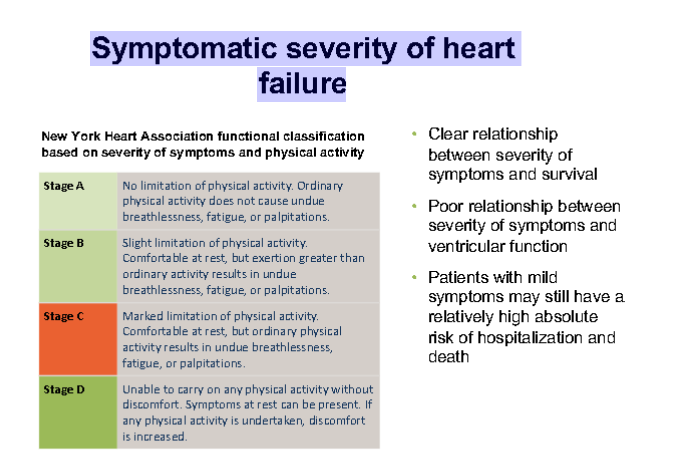
Symptomatic severity of heart
failure
general Treatment for HF

what is the Sequence for a “typical” patient
Loop diuretics
ACEis
beta blockers
Inotropes
explanation for that order
