Gastrointestinal Stasis and its Management
 Call Kai
 Learn
 Practice Test
 Spaced Repetition
 Match
 Flashcards
 Knowt Play
1/53

There's no tags or description
Looks like no tags are added yet.
54 Terms
BRAMBLE CASE
§Gradual appetite decline over 4 days → now eating nothing
§Faeces: small, dark, dry → now almost none
§Hunched posture, tooth grinding, reluctant to move
§Exam: alert but quiet, stomach firm, doughy, gut sounds reduced, T 37.8°C
radiographs show an ingesta-filled stomach with a small gas halo, gas-distended caecum, scant colon faeces. T 37.8°C, glucose 8.9 mmol/L, Na 142 mmol/L.
The red-flag triad is now present (glucose ≥19.5, Na ≨138, distension beyond L2 on re-image) plus hypothermic shock, life-threatening obstruction until proven otherwise: stabilise (warm, IV fluids, analgesia) and refer immediately for decompression, surgery only if decompression fails twice or an extraluminal cause is found.
What is GI stasis?
-rabbit gastrointestinal syndrome
-a syndrome of reduced or absent GI motility and its consequences
-dwarf and lop rabbits are more prone
-also seen in Guinea pigs, chinchillas, degus
what can gi hypomotility be caused by
-GI hypomotility can be caused by diet, stress, pain, dental disease and systemic illness
-obstruction is a differential
Describe SI vs LI obstruction
-small intestine obstruction includes duodenum, jejunum and ileum and due to smaller diameter, SI obstruction is more common
-Large intestine includes caecum and colon
Describe the importance of fibre in GI motility
-indigestible fibre (long particles) stimulates cecocolic motility through bulk distension and direct action
-high fibre diets promotes VFA production and promotes peristalsis
describe how a low fibre diet can cause gi stasis
less fibre →
inadequate coarse fibre→
cecocolic hypomotility
prolonged caecal retetnion
abnormal fermentation, altered caecal ph
dysbiosis
gas, toxins
pain
less appetite
→
What is the role of the fusus coli?
-The fusus coli is the thickened, highly innervated pacemaker of the hindgut
-very sensitive to autonomic and hormonal influeneces ESPECIALLY STRESS
-Causes epinephrine mediated inhibition of gut motility
list some stressors that can slow the gut
pain,
illness,
surgery,
trauma,
loud environments,
housing cahnges,
new rabbits,
predator stress,
loss of bonded companion,
hospitalisation,
transport
What is the vicious cycle in hypomotility?
hypomotility →ingesta and hair retained in GI tract → fluid and gas build up → discomfort → further inappetence and pain →CAUSES HYPOMOTILITY
What is the hairball myth?
every rabbit grooms so hair is always in stomach/GI tract
normal mobility moves hair out with food
so it is the impaired motility that allows hair and ingesta to accumulate into FB not just because they have ingested hair
What are the dietary risk tiers for stasis?
-HIGH risk: pellet-heavy diet, minimal/no hay, high-carbohydrate treats (muesli mixes, sugary snacks)
-MODERATE risk: mixed diet with some hay, occasional treats
-LOW risk: unlimited good-quality grass/timothy hay, moderate fresh leafy greens, minimal pellets, no/occasional treats
how can acute episodes of gi stasis occur
§Acute episodes often follow large volumes of high-carbohydrate, high-fat treats
What is the classic GI stasis history?
-Gradual decrease in appetite over 2-7 days (most common presenting complaint)
-Faeces: fewer and small, dark, dry droppings → none
-Water consumption often decreased
-Reduced activity, hunched posture, tooth grinding (pain!), less social, may dig or scratch
-Diet history: lack fibre content, treats
-Stress history: changes, new pets, illness, surgery
-Many stasis rabbits have little or no routine exercise
What is found on physical exam with GI stasis?
-Alert and quiet, little or no lethargy initially, but gradual decline if not treated aggressively
-Stomach: firm, doughy ingesta that remains pitted on compression, size varies with duration
-No fluid splashing, little or no gas palpable in stomach
-Intestines and caecum: variable gas
-Little or no faeces palpable in colon
-Auscultation: decreased or absent gut sounds
-Rest of exam: look for the underlying cause (teeth, joints, uterus, bladder...)
What is the classic obstruction history?
-Sudden and complete decrease in appetite
-Faeces: minimal to none, sudden reduction
-Water consumption often decreased
-Animals are frequently very poorly, may be in shock and nonresponsive, or at best lethargic and painful
-Diet history: might not be informative, but frequently poor diet
What is seen on physical exam for obstruction?
-Look for signs of shock: hypothermia, dull mentation, poor peripheral circulation
-Stomach: distended, gas and fluids, painful
-Intestines and caecum: depending on the point of obstruction may or may not be gas filled
-Little or no faeces palpable in colon
-Auscultation: gut sounds may be increased or decreased/absent, also dependent on location and timing
GI Status presentation...
-gradual over 2-7 days
-declining and small/dry faeces
-stomach filled with ingesta, firm and doughy
-alert but quiet
-norm to slightly low temp
Acute obstruction presentation...
-sudden onset
-abrupt complete cessation of faeces
-stomach is fluid filled, typanic, painful
-rapid deteroiration → shock
-hypothermia (severe shock= 36.7)
-death within 6-24 hours if not treated
What is meant by moving obstructions?
-intestine proximal to an obstruction becomes hypermotile which ofter moves the obstruction distally
-signs while moving may resemble status so reduced appetite and fewer faeces, but also we see animal stretching and repositioning frequently and gut sounds may be audible from a distance
What is the system approach to abdominal radiographs?
1. Gastric content (gas, fluid, ingesta) and degree of distension
2. Intestinal and caecal gas: amount and pattern
3. Faecal quantity in the colon
4. Relate the pattern to the history and examination
5. State the interpretation and the remaining uncertainty
What is the typical pattern of GI stasis on a radiograph?
-stomach full of ingesta, compact, dense
-Small halo of gas around ingesta
-Moderate-severe caecal gas distension
-Scant faecal pellets in colon

how can we interpret the typical pattern of stasis and mange it
§Interpret: functional hypomotility with retained ingesta, no blockage
§Management implication: medical management

describe
GI stasis in lateral view radiograph
-dense ingesta in stomach shown by arrows
-gas distended caecum shown by arrowheads
-on palpation will be doughy stomach that pits on compression
what is the risk of dense compacted ingesta on radiogpahy
impacton pattern
What is the distinct pattern seen with impaction?
-Gastric impaction is overfull stomach of desiccated normal contents WITHOUT abnormal gas
common with Low-fibre diet
Rabbit often clinically normal apart from reduced output
-Caecal impaction (caecolith): hard, sausage-shaped structure in the ventral abdomen
Key: impaction due too much retained normal content,
obstruction = content CANNOT pass
What is seen with caecal impaction?
§Chronic large malformed faeces, recurrent episodes, pain, anorexia
§Megacolon syndrome: English Spot / Checkered Giant - genetic, progressive (treat supportively, guarded prognosis)
What is acute proximal obstruction like on radiography
-Severely distended, fluid-filled stomach with some (centrally positioned) gas cap
-"Fried-egg" appearance
-Stomach wall contacts ventral abdominal wall
-Stomach caudally extends beyond the caudal edge of L2
-NO gas in the GI tract distal to the stomach→ proximal
-Interpretation: proximal small-intestinal obstruction

management of proximal obstruction
emergency
so stabilisation,
+/- decompression
intensive care then reassess in 12-24 hours
if no improvement consider referral for further investigation/surgery

Acute proximal obstruction: the "fried egg"

Distal obstruction: gas to the point of blockage
-gas distension of intestinal loops shown by arrowheads
w-show gas filled loops→ ends at obstruction
-severely distended fluid filled stomach with central gas caps shown by arrow
-Interpretation: distal small-intestinal obstruction

does the absence of intestinal dilation exclude obstruction
Absence of intestinal dilation does NOT exclude obstruction if the site is proximal.

Likelihood for obstruction or not

how to measure the stomach
-Gastric length (blue) and height (red), measured at 90°
-Length parallel to the 13th thoracic vertebra
§ L1 → coxofemoral joint (green)
§Gastric length + height if longer than L1→coxofemoral means most likely obstruction

if blue and red a re longer than green = likly obstruction

describe these gastric content patterns

FOUR GASTRIC CONTENT PATTERNS:
(A) ingesta with gas silhouette
(B) ingesta
(C) ingesta with large gas volume
(D) liquid with gas cap — stomach dilated
what can be used to indicate prognosis
vertebral stomach scores
creatinine
hypothermia
glucose
Do radiographs confirm obstruction?
-can cont confidently distingusish between functional vs mechanical obstruction
-interpret radiographs WITH the history, palpation, temperature and glucose
How will we stabilise in the first hour?
Warm the patient:
IV catheter, warmed isotonic crystalloids:
Analgesia
handle gently and minimise stress
analgesia for gi stasis
Opiates are the best option: fentanyl (+/- lidocaine and ketamin) CRI, buprenorphine, methadone, etc
NSAID only once rehydrated and renal status known
ivft for gi stasis
10-20 ml/kg in 10-15 min, then reassess
Likely 60–90 mL/kg/h for the first hour if in shock, then maintenance + rehydration (4–8 mL/kg/h)
Refractory shock: hypertonic saline 3 mL/kg + colloid, BP-guided boluses
how tow arm pateitn
Hypothermia ≤36.7°C = severe, life-threatening shock
External heat support, rewarm over 1-2h
You need active warming, not just a blanket!
What is the medical management for uncomplicated stasis?
-Fluids: rehydrate the patient AND the stomach contents
-Analgesia
-Nutritional support: obstruction excluded first
-Prokinetics: only once obstruction unlikely (likely not very effective but Maropitant might be useful)
-Encourage gentle exercise if the animal is stable enough
-Treat the underlying cause: teeth, pain, environment, husbandry
-Antibiotics only with evidence of severe dysbiosis/infection

Suspected foreign-body obstruction
-Extreme gastric distension
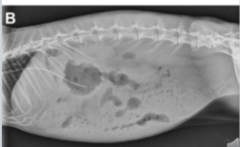
how can serial radiographs be important

b=12 hours later, on IV fluids
-Improved gas pattern, nasogastric tube in place
§Improving = gas breaking up/moving, formed stool in distal colon, stomach less round
§Declining = increasing gas, unchanged pattern, stomach enlarging/rounder
Expected response
-Most rabbits begin eating and passing stool within 24-48 h of treatment
-continue treatment for 3-5 days, initial faeces may be abnormal (mucus, hair)
Most rabbits recover with medical care
what should we do if patient not responding to treatmetn
-Re-examine and re-image: is the stomach refilling with fluid?
-Re-check glucose, sodium, temperature
-Revisit the differential: obstruction, liver lobe torsion, chronic disease, dental or other pain?
What are the severe obstruction red flags?
-Blood glucose more than 19.5 mmol/L (v high)
-Sodium less than 138 mmol/L (low)
-Gastric distension extending beyond L2
± shock signs: T <36.7°C, HR >250, RR >100, pale membranes, recumbency
All three: life-threatening obstruction → consider orogastric decompression
-Potentially lifesaving stabilisation procedure
-Requires sedation/GA which is not risk free
-If in doubt: STABILISE AND REFER ( proximal duodenal obstruction can kill within 6-8h)
how do orogastric decompression
additional holes cut into tube
nose-to-last-rib measurement,
head ventroflexed; percutaneous trocharisation is contraindicated (stomach rupture).
how can fluid colour from orogastric decompression be prognostic indicator
Fluid colour/odour is prognostic: brown-green food smell = good; dark/red-black foul = necrotic, grave.
What are the indications for surgery?
(after maximal medical management +/- decompression if appropriate):
-No or not enough response to medical treatment
-Obstruction is diagnosed and is not moving
-No improvement after a SECOND orogastric decompression
-Inability to decompress, declining GI motility
-Close monitoring not possible
-Extraluminal causes: intraabdominal mass, adhesions, hernia, intussusception
Surgery for gastric dilation?
medical management is the evidence-supported first choice, surgery is not automatically indicated for gastric dilation
What should be included in discharge conversation?
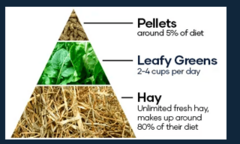
-Unlimited good-quality grass/timothy hay
-Moderate fresh leafy greens, minimal pellets
-No muesli mixes or sugary treats
-Daily exercise and environmental enrichment
-Stress management: stable bonds, quiet environment, gradual changes
-Weight management: obese rabbits are stasis rabbits waiting to happen
rabbit diet
Key messages...
-Stasis is a syndrome with a cause
-The history (gradual vs sudden) is important
-You will need to diagnose the cause AND treat in the same time
-Diet, stress, pain and disease converge on one final common pathway: the hypomotility cycle
-Radiographs: ingesta vs fluid, gas pattern, stomach beyond L2, interpreted WITH the clinical picture
-Emergency care = warmth, fluids, analgesia, nutrition (if obstruction excluded)
-Glucose ≥19.5 + Na ≨138 + stomach beyond L2 = obstruction pathway → decompress or refer
-Surgery is rarely needed, but if so: stabilise and refer