Holy Roman Empire / Germany: Notable Scientists, Mathematicians, Inventors, Explorers, and Cartographers
 Call Kai
 Learn
Learn Practice Test
 Spaced Repetition
 Match
Match Flashcards
 Knowt Play
1/25

Earn XP
Description and Tags
Organized chronologically by death date / date of publication
Name | Mastery | Learn | Test | Matching | Spaced | Call with Kai | Chat |
|---|
No analytics yet
Send a link to your students to track their progress
26 Terms
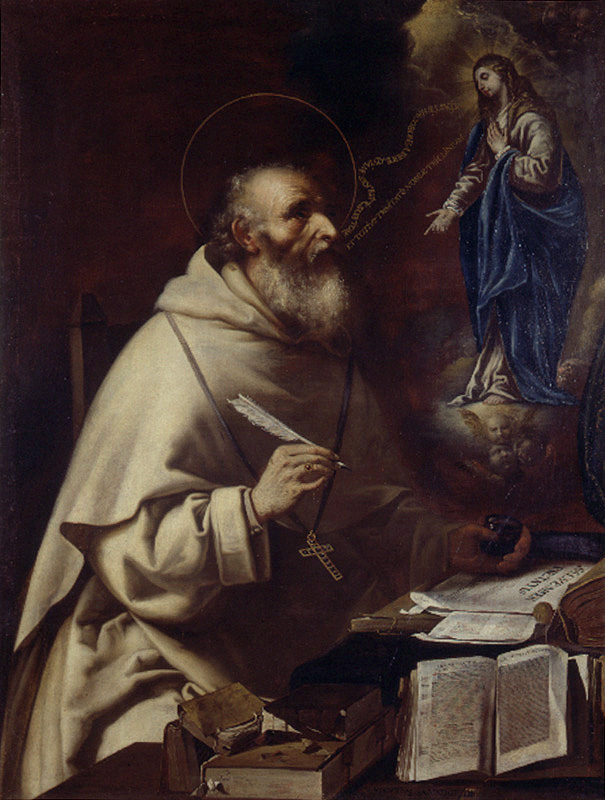
1200 - 1285 - St. Albertus Magnus (All Facts)
German Scientist and Encyclopedist
He classified plants by their structures
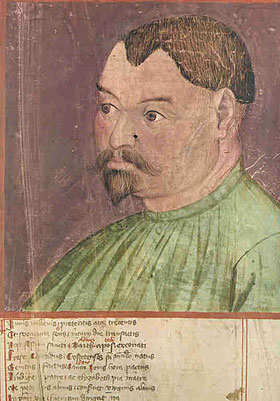
1366 - 1405 - Conrad Keyser (All Facts)
German Military Engineer
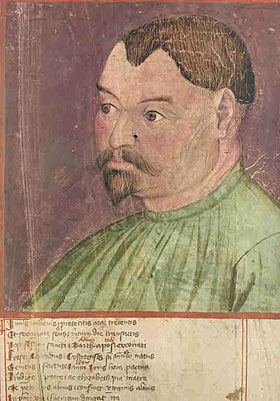
1405 - Conrad Keyser: Bellifortis (All Facts)
Technical treatise on military engineering and ballistics, the most famous of those which abounded in Germany in the (early) 1400s
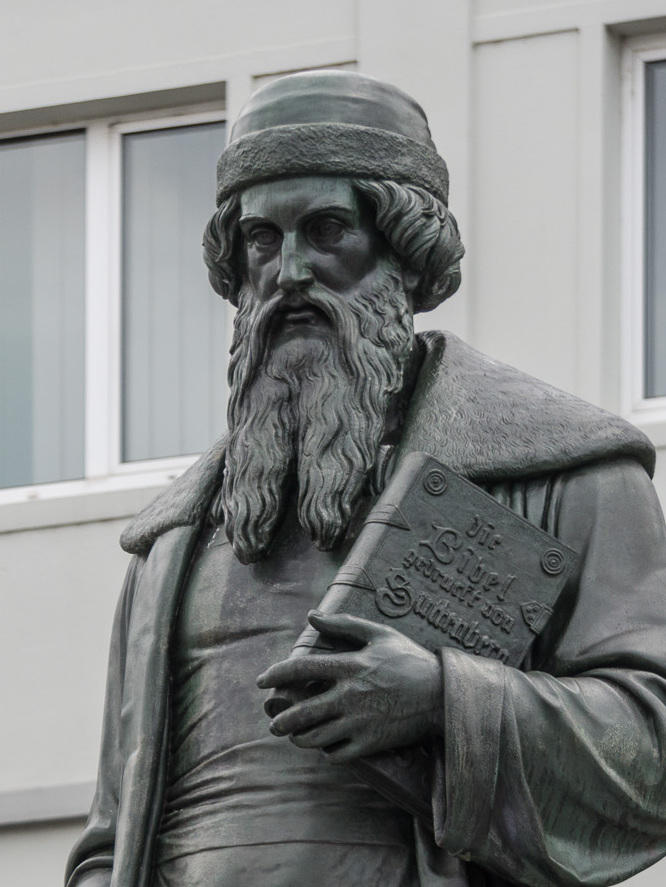
1393 - 1406 - Johannes Gutenberg (All Facts)
German Inventor and Craftsman
He was from Mainz
He invented the movable-type printing press / movable printing characters, which
enabled a much faster rate of printing compared to its preexisting East Asian (Korean) counterpart
while the use of a press for printing was not new, he made it so that making type did not have to involve laborious hours of carving from wood and handwriting bibles
spread across the world, having led to an information revolution and the unprecedented mass-spread of literature throughout Europe, with a profound impact on the development of the Renaissance, Reformation, and humanist movements
allowed accurate texts to be produced in great numbers
His many contributions to printing include the
mechanical movable type and method of printing, based on the presses already in use for wine and paper-making, and used a revolutionary system of producing metal type-faces
it is possible that he designed his press along the lines of wine and linen presses
invention of a process for mass-producing movable type, in which the printer made type by pouring molten metal into punch-stamped molds, providing a limitless supply of letters
letters were cast in type metal, composed into sentences on a type stick, and set up as pages of type before being inked for the press
use of oil-based ink for printing books
invention of a wooden printing press similar to the agricultural screw presses of the period
His first publication was a Bible with 42 lines on each page printed in a type-face (script) called “Gothic” (printed in Mainz)
His system was used for publishing bibles as well as religious tracts
His books were the first to be printed using his own method
However, no printed work bearing his name exists
He ran into major financial difficulties during his invention process, having been
forced to borrow money heavily, particularly from a rich goldsmith and financier in his day named Johann Fust, who became increasingly impatient with the namesake and sued the namesake for the return of his 800 guilders
the courts found for Fust and it is he who made the fortune of sales from the printed Bibles and it was Fust’s Book of Psalms, based on the namesake system, who profited
He also worked on a copper-based system of reproducing etchings on a mass basis
He lived in Strasbourg for awhile
He died in obscurity
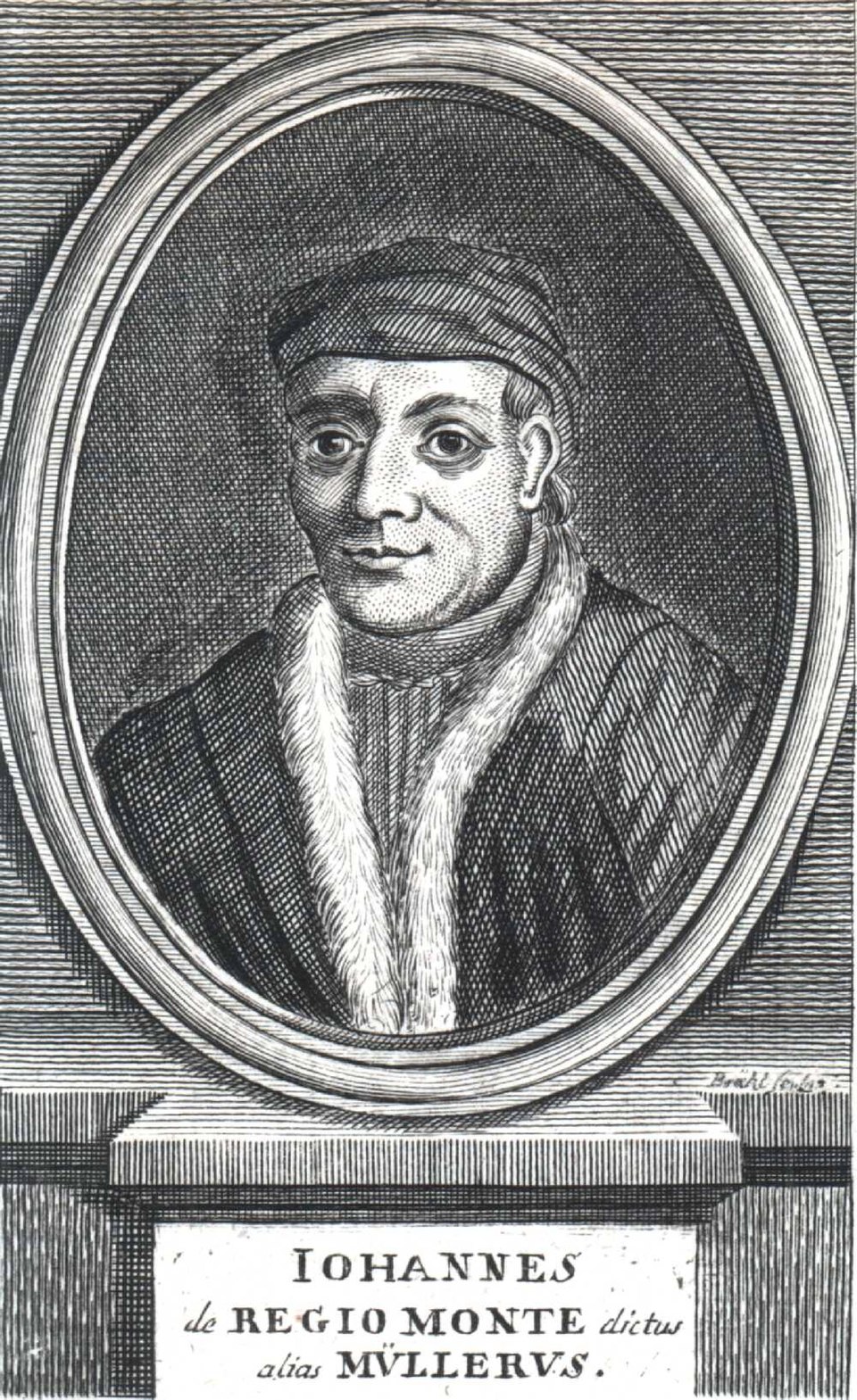
1436 - 1476 - Regiomontanus (All Facts)
German Astronomer
He revised tables for navigation
1460 - 1498 - Johann Widmann (All Facts)
German Mathematician
In a book he published, he introduced the “+” and “-” signs to denote the operations of addition and subtraction, respectively
In doing so, he had not only advanced the operational symbolism of Diophantus, the great Greek mathematician, and Hindu scholars; but he greatly simplified matters for fellow mathematicians
This simplified the variety of signs and symbols employed rather idiosyncratically that denoted adding, subtracting, and other operations; which often took the form of abbreviated words
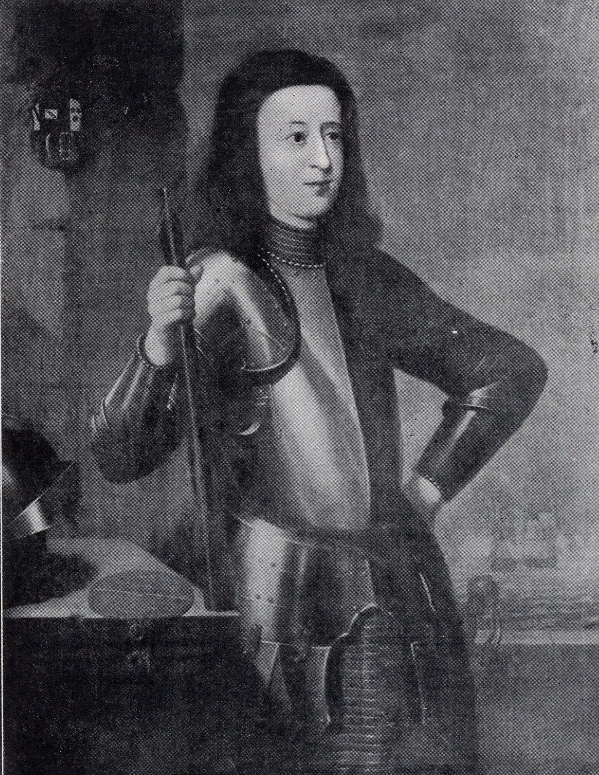
1459 - 1507 - Martin Behaim (All Facts)
German Inventor, Cartographer, and Explorer
He was born in Lisbon
He was born into a family of merchants
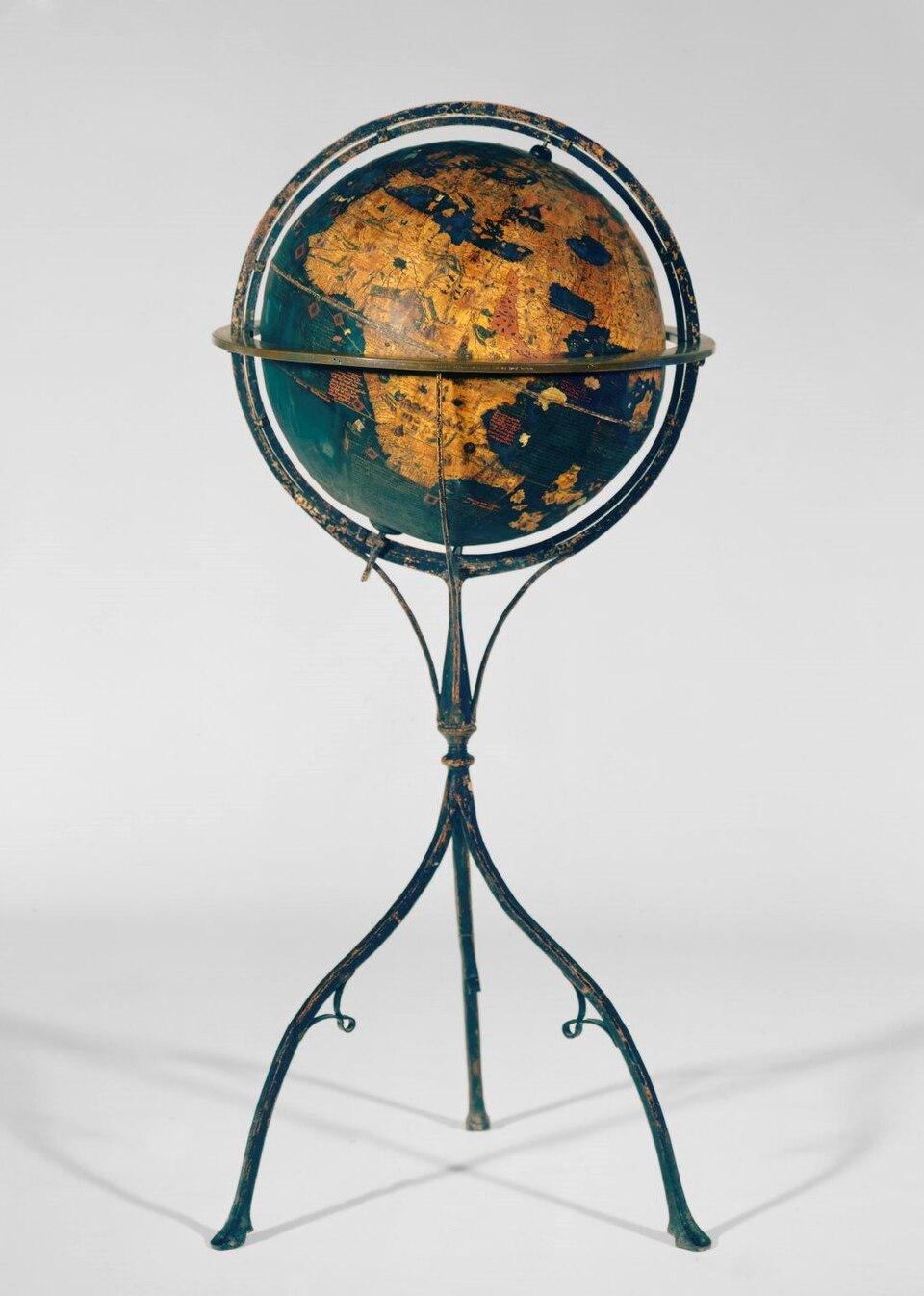
He invented the first known globe, called the “Erdapfel”
He constructed it during a visit to Nuremberg
He drew the outlines of the continents in color on a surface of fine parchment
He extensively copied from other maps
His completed work summarized the geographical knowledge of his time
He spent most of his adult life in Portugal and the Azores Islands
He served King John II of Portugal as an explorer
He kept company with all the explorers who came his way
He claimed to have accompanied Diego Cao on his expedition to Africa
He was captured by English pirates one time, and was held prisoner for several years before being allowed to return to Portugal
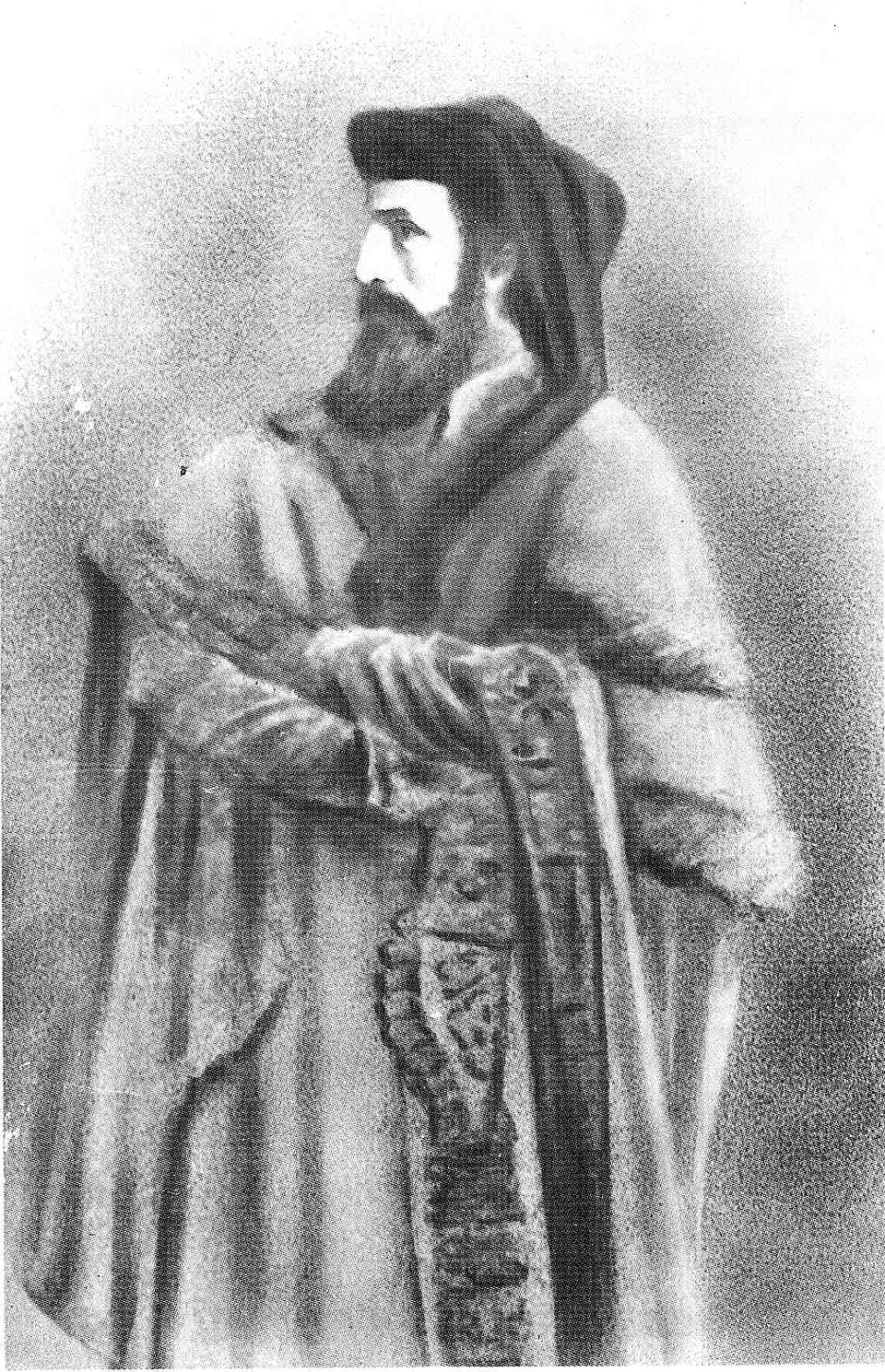
1482 - 1511 - Matthias Ringmann (All Facts)
German Cartographer
He made the Universalis Cosmographia (Universal Cosmography) Map along with Martin Waldseemüller, which was the first map to have depicted the New World to be a distinct continent between Europe and Asia
They named America after Amerigo Vespucci, having accepted Vespucci’s dubious version of events of his discovery of the continent
The irony of this map was that Vespucci was given the principal credit for the discovery of America to a man whose principal talent seems to have been as a self-publicist
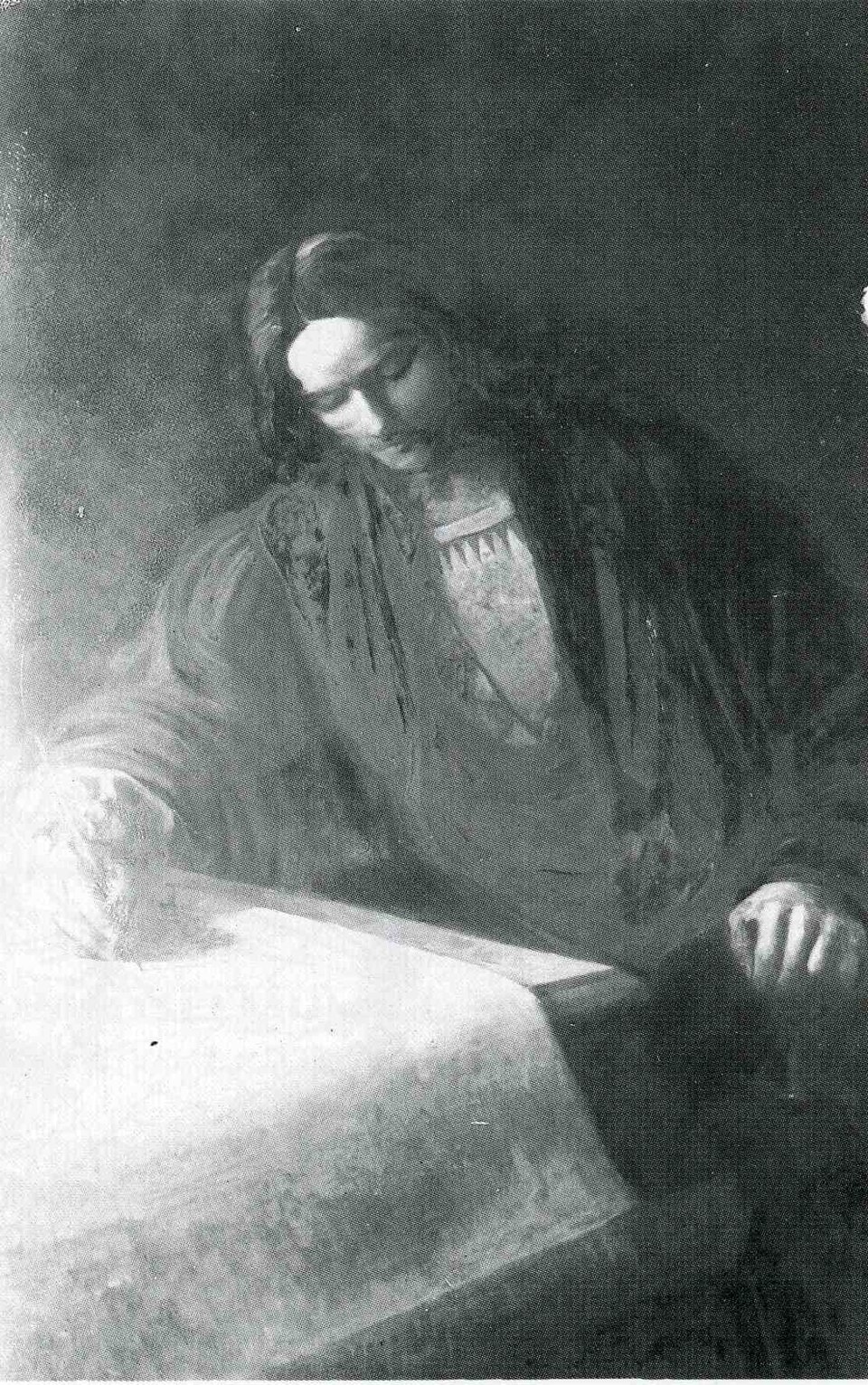
1470 - 1520 - Martin Waldseemüller (All Facts)
German Cartographer
He made the Universalis Cosmographia (Universal Cosmography) Map along with Martin Waldseemüller, which was the first map to have depicted the New World to be a distinct continent between Europe and Asia
They named America after Amerigo Vespucci, having accepted Vespucci’s dubious version of events of his discovery of the continent
The irony of this map was that Vespucci was given the principal credit for the discovery of America to a man whose principal talent seems to have been as a self-publicist
1466 - 1541 - Johann Faust (All Facts)
German Physician, Astrologist, and Magician
He died unexpectedly at Breisgau
It was rumored that his strange disappearance was the work of the Devil
His name lends itself to a term used to describe the phenomenon in which one gives up their soul in exchange for something from the Devil
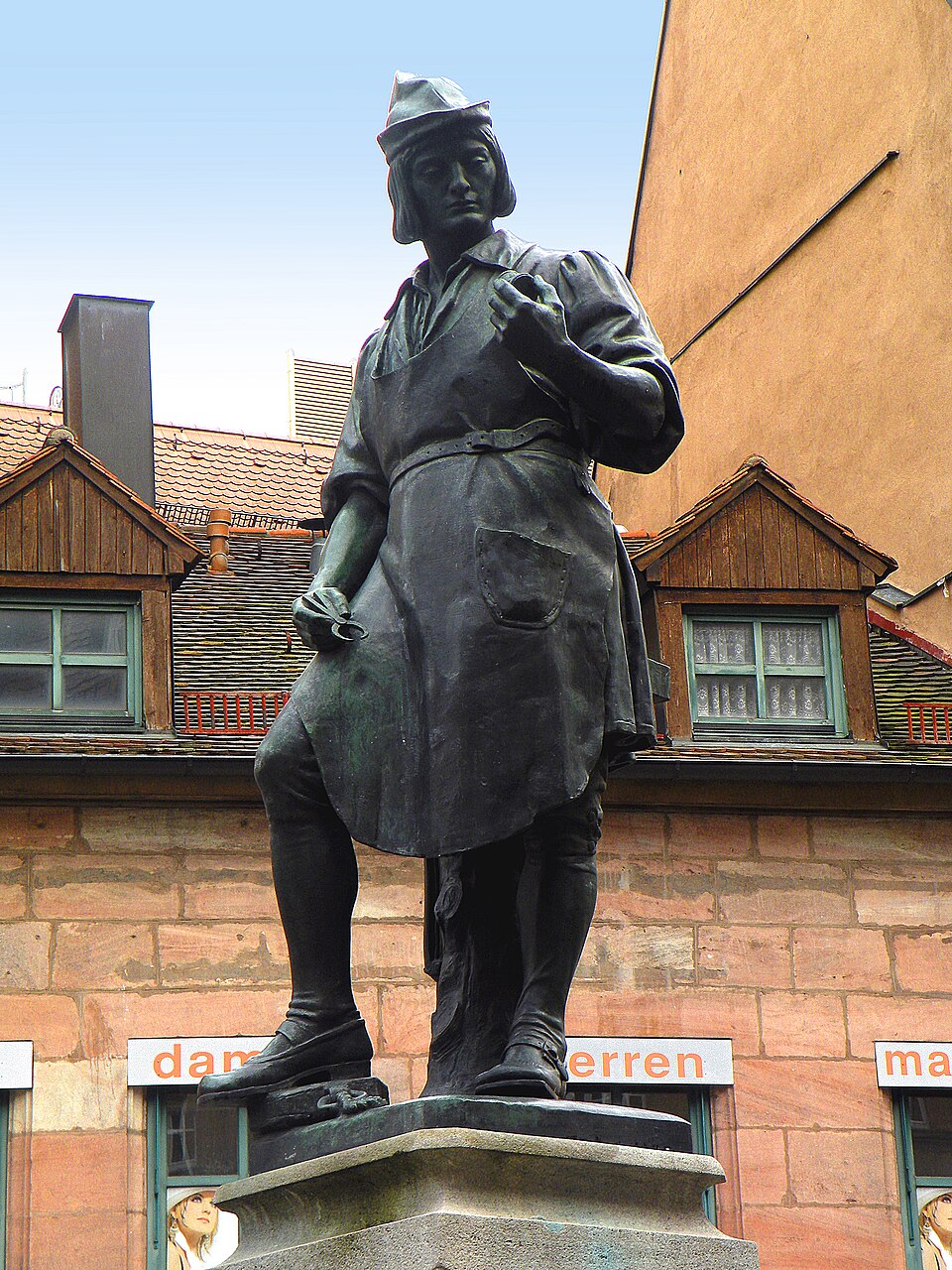
1485 - 1542 - Peter Heinlen (All Facts)
German Inventor, Locksmith, Clockmaker and Watchmaker
He was from Nuremberg
He invented the pocket-watch
He invented the timepiece that could be carried in the hand, the first being about four inches in diameter and three inches in depth
This invention was made possible by another innovation, the coiled mainspring, which he also seemed to have invent
At its first invention it was not without its faults, the most serious at the time being that force of the coiled mainspring inside was greater when it was fully wound, making time vary
He invented the coiled mainspring (allegedly)
This was stressed when coiled
When it is wound up, it stores energy in the curved metal
As the coil unwinds, this energy is transmitted to an oscillating section of a watch by means of a mechanism called a verge escapement, a notched gear wheel shaped like a crown, to produce a regular pulse
He invented this spring which replaced the weights in a clock
He died at Nuremberg
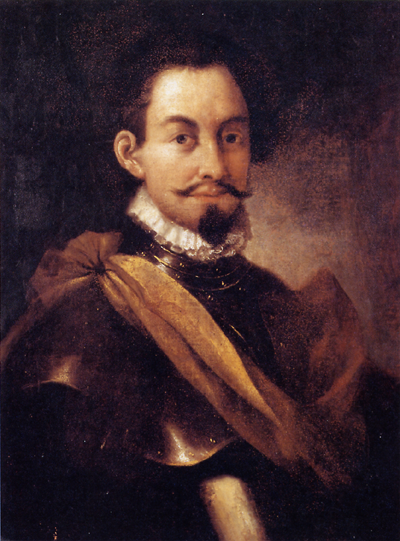
1505 - 1546 - Philip von Hutten (All Facts)
German Explorer and Adventurer
He went on an expedition to South America, where he was murdered by the Spanish at Coro
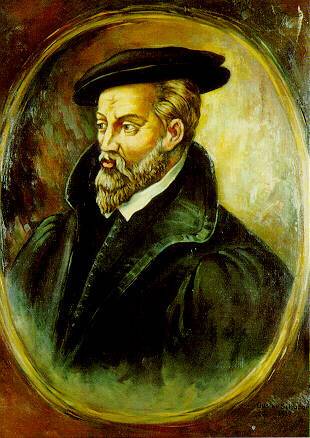
1494 - 1555 - Georgius Agricola / Georg Bauer (All Facts)
German Mineralogist and Metallurgist
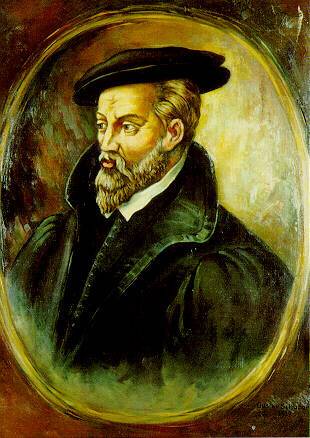
1530 - Georgius Agricola / Georg Bauer: On the Nature of Metals / “De Re Metallica” (All Facts)
Work of major importance in the field of mineralogy and mining techniques
Work which was published in Silesia
1572 - 1625 - Johann Bayer (All Facts)
German Astronomer and Celestial Cartographer (Constellation Coiner)
1603 - Johann Bayer: Uranometria (All Facts)
Astronomical atlas consisting of over 12 mapped out southern constellations intended as a popular guide to the heavens
Atlas whose key feature is the way it maps the stars without relying on verbal descriptions of their locations, grouping stars according to their luminosity, with each type of star being assigned a Greek letter and the brightest being designated as “alpha” stars
Work which was greeted with so much acclaim that Augsburg’s (the city in which it was published) city council decided to reward the namesake author with a 150-gulden honorarium

1571 - 1630 - Johannes Kepler (All Facts)
German Astronomer and Astrologer
He is most famous and well-known for his three laws of planetary motion, the laws that govern the paths of planets around the sun
He
started studying theology, but switched to mathematics
taught mathematics at the University of Graz (in Austria)
worked as an assistant for Tycho Brahe
was court astronomer for Holy Roman Emperor Rudolf II
He
was an enthusiastic astronomer who spent many hours observing stars and comets, writing up in immense detail his results and theories
applied the principles of geometry to the movements of the planets, in particular Mars

1596 - Johannes Kepler: Cosmographical Mystery (All Facts)
Work in which the namesake author argues that there is a geometrical relationship between the distances of the planets from the sun which can be expressed numerically

1609 - Johannes Kepler: New Astronomy / “Astronomia Nova” (All Facts)
Work in which the namesake author provides evidence for the elliptical rotation of the planets around the sun

1619 - Johannes Kepler: The Harmony of the World / “Harmonices Mundi” (All Facts)
Work in which the namesake author demonstrates the truth of the Copernican view of the universe

1592 - 1635 - Wilhelm Schickard (All Facts)
German Inventor
He invented the first calculator
He constructed an ingenious piece of wooden machinery capable of adding and subtracting automatically
His calculating machine could also perform multiplication and division, albeit partly manually
His device had profound repercussions as human calculators who get tired and need to check their results looked forward to using the invention
His device eventually replaced the abacus and William Oughtred’s “slide-rule” which was popular in the namesake’s day
His device revolutionized mathematics
1573 - 1650 - Christoph Scheiner (All Facts)
German Astronomer
He was also a Jesuit Priest
He s most famous and well-known for his observations on sunspots
1630 - Christoph Scheiner: Rosa Ursina (All Facts)
Work in which the namesake author
explains the apparent deformation of the sun when it sets
demonstrates that the sun turns on its axis

1591 - 1666 - Johann Adam Schall von Bell (All Facts)
German Jesuit Astronomer and Instrument-Maker
He became the director of the institute of mathematics and astronomy in Beijing (in China), which contributed to the introduction of Catholicism in China

1601 - 1680 - Athanasius Kircher (All Facts)
German Jesuit Polymath and Scholar
He invented a “magic” lantern