COMM1000 M6: Interpersonal Communication
 Call Kai
 Learn
Learn Practice Test
 Spaced Repetition
 Match
Match Flashcards
 Knowt Play
1/17

There's no tags or description
Looks like no tags are added yet.
Name | Mastery | Learn | Test | Matching | Spaced | Call with Kai | Chat |
|---|
No analytics yet
Send a link to your students to track their progress
18 Terms
What is interpersonal?
Interpersonal = communication occurs b/w at least two interdependent parties (two people who need e/o)
Power dynamics
Different needs
Tension + conflict
What are the 3 reasons why we build social relationships?
Emotional Rewards = support system
Material Rewards = money, food, transportation
More connections = more resources
Health Rewards = social relationships → healthier lives
Tell e/o to go to the doctor when needed
Tell e/o to take care of ourselves
What are 4 costs associated with relationships?
Time
Effort
Energy
Stress
What are norms?
Norms = established patterns that limit & direct behavior = things we get accustomed to over time
More specified + further norm goes → more difficult to break

What are roles?
What are the two types?
Roles = distinct functions that individuals assume during interactions to convey, interpret, and manage messages
Expected roles = roles that come with expectations
Stifano = father, husband, advisor, supervisor
Enacted roles = roles that are executed; how you play it

What is the difference between inter-role and intra-role conflict?
Inter-role conflict = playing 2 roles at same time and they conflict with e/o
Friendship + tutor/mentee → difficulty focusing on studying
Intra-role conflict = two different people have different expectations for roles
Serious relationship → marrying in future, or hanging out from time to time
What is the communication theory of identity?
What are the 4 frames of it?
Communication theory of identity = identity is consistently communicated to other people throughout our lives
Personal = how you personally view yourself
Enactment = how you communicate your identity to other people
Strong → how do you communicate it?
Relational = different person in different relationship
Sibling vs. friend vs. peer vs. coworker
Communal = who you are to everyone

What are the 2 sides of disclosure?
What are the 4 aspects of each?
Reveal
Clarity
Emotions
Impression Management
Enhanced Trust
Conceal
Risk of rejection
Creating obligation
Hurt to others
Privacy violation
Risk of being judged
What is the social penetration theory?
What is the difference between breadth and depth?
Social penetration theory = increase disclosure as relationship develops
Breadth = many topics but not deep conversations
Depth = niche conversation but not across many topics

What is the uncertainty reduction theory?
What are 3 things uncertainty raises?
What are 3 things uncertainty reduction does?
Uncertainty reduction theory = ask questions in initial interactions to decide if it is worth continuing interactions
Seek to reduce uncertainty
Uncertainty
Raises information-seeking
Reduces intimacy
Reduced by similarity
Uncertainty reduction
Lowers jealousy
Improves relational maintenance

What is equity theory?
Equity theory = good relationship is where the ratios of costs and benefits are equal
Friend asking you to give them rides, buy them coffee, etc.
Imbalance
What is communication in families?
Communication in families = complex systems that involve emotions and relationships
Well researched

What is communication in friendships?
Communication in friendships = between peers, governed by rules, different between genders, different across sexuaI orientations
Women → conversations
Men → activities
Least researched

What is communication in romantic relationships?
Complicated
LOT of research
What are 2 challenges that come with communication in workplace relationships?
Hierarchies
Conflicts of interest

What are modern interpersonal challenges?
Phones, social media, google, AI → conflict interpersonal relationships
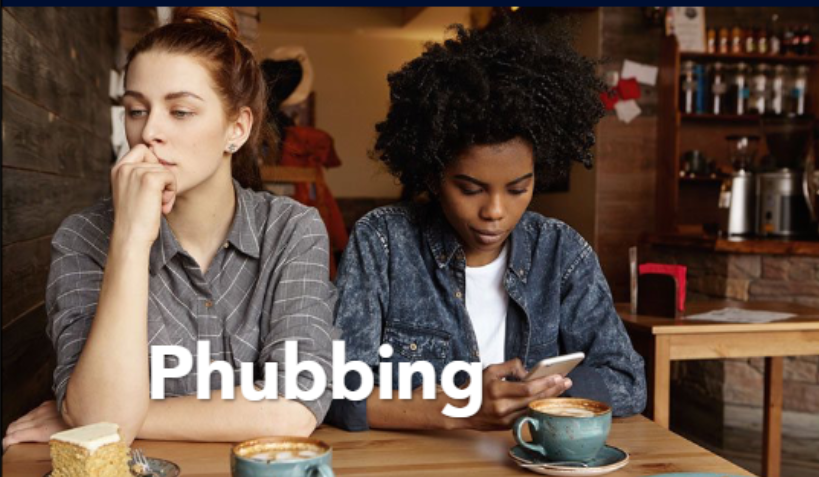
What is phubbing?
Phubbing = “phone snubbing” = people on phones when spending time with people
What is the hyperpersonal model?
Hyperpersonal model = communication through mediated channels speed up intimacy by disclosing more details
Speed-run disclosure
