mid 1
 Call Kai
 Learn
Learn Practice Test
 Spaced Repetition
 Match
Match Flashcards
 Knowt Play
1/238

There's no tags or description
Looks like no tags are added yet.
Name | Mastery | Learn | Test | Matching | Spaced | Call with Kai | Chat |
|---|
No analytics yet
Send a link to your students to track their progress
239 Terms
Biological membrane
Phospholipid bilayer that contains protein
allows the uptake of certain substances
Has various transporter proteins consuming metabolic energy for selective transport
regulates the fluxes of ions and metabolites
described as a fluid-mosaic model
components of a fluid-mosaic model
phospholipid bilayer
integral proteins
peripheral proteins
anchored proteins
Integral Proteins
embedded in the bilayer and span the entire width of the bilayer to serves as ion channels
Peripheral Proteins
bound to the surface of the membrane surface by noncovalent bonds, and can be dissociated from the membrane with a high salt solution.
peripheral proteins are involved in interactions between the plasma membrane and components of the cytoskeleton such as ,…..
Microtubules and actin microfilaments
Anchored Proteins
bound to the membrane surface via lipid molecules (covalently)
Plastids are derived from
Proplastids
Proplastids
an organelle found in the meristematic region of the plant that is colorless and small ,and is still underdeveloped. ( when developed they turn to specialized plastids)
Chloroplasts
Plastids with chlorophyll and are involved in photosynthesis
Chromoplasts
involved in producing and storing pigments ( carotene, xanthophylls. etc) and are found in fruits, flowers and roots
Leucoplast
lacks pigments and involved mainly for storing food
types of leucoplast
Amyloplast (stores starch)
Elaioplast (stores fat)
proteinoplast (stores protein)
Mitrochondria
plastids that have their own DNA and ribosomes
Semiautonomous organelles
Organelles that contain their own DNA and protein-synthesizing machinery, however they depend on the nucleus for the majority of their protein
Example of semiautonomous organelles
mitochondria and chloroplasts
DNA of semiautonomous organelles
circular chromosomes that are localized in a specific region (nucleoids)
Cell division in plants are limited to ——— post embryonic growth and development
the meristems
meristems are divided into
Shoot Apical Meristem (SAM)
Root Apical Meristem (RAM)
Lateral Meristem
Shoot Apical Meristem (SAM)
Growth lengthwise upward
Root Apical Meristem (RAM)
Growth lengthwise downwards
Lateral Meristem
Growth in diameter
Cytoskeleton
a three-dimensional network of filamentous protein
Cytoskeletons function
Spatial organization for the organelles
Scaffolding for the movement of organelles
Fundamental role in meiosis, cytokinesis, wall deposition
Maintenance of cell shape, and cell differentiation
types of cytoskeletal elements
Microtubules
Microfilaments
Intermediate filaments
Microtubules
a hollow cylinder that are composed of polymer of the protein tubulin
Protofilaments
a single microtubule consists of hundreds of thousands of tubulin monomers arranged in 13 columns
Microfilaments
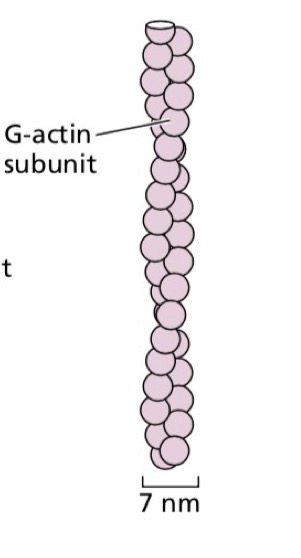
solid, and composed of a special form of the protein found in muscle (G-actin). consisting of two chains of polymerized actin subunits that intertwine in a helical fashion
Intermediate filaments
a diverse group of tough, helically wound fibrous elements that function in the structural support of membranes ,and are composed of linear polypeptide monomers of various types.
Plasmodesmata
tubular extensions of the plasma membrane that traverse the cell wall and connect the cytoplasm of the adjacent cells
the cytoplasm form a continuum referred to as the symplast because ?
most plant cells are interconnected by the plasmodesmata
Symplastic transport
Intercellular transport of solutes through plasmodesmata
Plasmodesmata Function
regulating macromolecular traffic from cell-to-cell
the complex internal structure of plasmodesmata
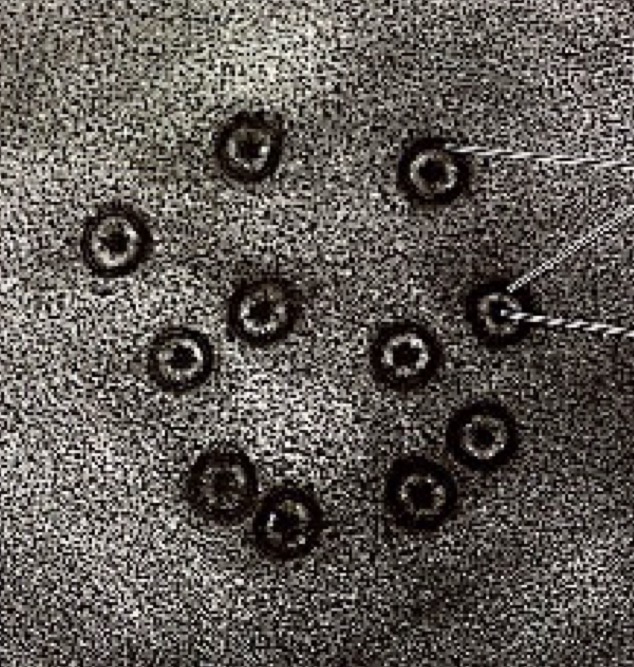
contains a narrow tubule of ER called desmotubule
Desmotubule
is a continuous with the ER of the adjacent cells

Plant Cell

Microtubules
Microfilaments
Desmotubule

Plasmodesmata

Activation energy of uncatalyzed reaction

Activation energy of catalyzed reaction

gibbs free energy

Secondary Structure

Primary Structure

Tertiary Structure

Quaternary Structure

Active-site cleft

Substrate entering active site of enzyme

Induced Fit theory

Enzyme/Substrate complex

Enzyme/Products complex

Products leaving active site of enzyme

Temperature Graph

pH Graph

Normal Reaction

Competitive Inhibitor

NonCompetitive Inhibitor

Normal enzyme

Competitive inhibitor

Non competitive inhibitor

Allosteric Inhibition

Allosteric Activation
Enzyme
biological catalysts that greatly increase the rates of biochemical reaction most of which are protein.
Enzymes are usually named after
their substrates by adding the suffix “-ase”
Catalyst
a substance that speeds up a chemical reaction without being a reactant
reaction activation energy
the amount of energy that must be put in for the reaction to begin
Amino Acid
20 different side chains with a large variety of groups that have different chemical and physical properties, including hydrophilic, or hydrophobic groups, charged or neutral polar groups, and acidic or basic groups
Proteins
are composed of long chains of amino acids linked by amide bonds, known as peptide bonds
Protein structure
primary structure
secondary structure
tertiary structure
quaternary structure
primary structure
refers to the sequence of amino acid residues
secondary structure
refers to regular, local structural units, usually held together by hydrogen bonds
tertiary structure
the final three-dimensional structure of the polypeptide - results from the packing together of the secondary structure units and the exclusion of solvent
quaternary structure
the association of two or more separate three-dimensional polypeptides
The factors that can affect or control enzyme activity
Temperature
pH
Regulatory molecules
Cofactors
Compartmentalization
Feedback inhibition
How temperature effects enzymes
a higher temperature generally makes for higher rates of reaction to a certain degree. once it hits 40C the protein begins to denature
How does pH affect the enzyme
The active site amino acid residues often have acidic or basic, meaning changes in pH can affect these residues and make it hard for the substrate to bind
Regulatory molecule
where other molecules either increase (activator) or decrease (inhibitor) the enzymes activity
Types of reversible inhibitor
Competitive
Non Competitive
Competitive
binds to an enzyme to block binding of the substrate and will decrease reaction rate when theres not much substrate but can be out competed by lots of substrates.The enzyme can still reach its maximum reaction rate given enough substrate.
Non Competitive
doesnt block the substrate from binding to the active site. enzyme-catalyzed reaction will never reach its normal maximum rate even with lots of substrate.
Allosteric regulation
the regulatory molecule binds to an enzyme someplace other than the active site
Allosteric site
the place where the regulator binds
Cofactor
inorganic ions that are attached temporarily to the enzyme
Coenzymes
Organic molecule example vitamins
Compartmentalization
that enzyme needed for specific processes can be kept in the places where they act, ensuring they can find their substrates readily, don’t damage the cell, and have the right microenvironment to work well
Feedback inhibition
the end product of a metabolic pathway acts on the key enzyme regulation entry to that pathway, keeping more of the end product from being produced
the water content and rate of water movement in soils depend
on a large extent on soil type and soil structure
sand (1mm)
low surface area per gram of soil and have large spaces or channels between particles
Clay (2um)
greater surface area and smaller cannels between particles
When a soil is heavily water by rain or by irriagtion in Sandy soil
the spaces between particles are so large that water tend to drain from them and remain only on the particle surface and at interstices between particles
When a soil is heavily water by rain or by irriagtion in Clay soil
Channels are small enough that water does not freely drain from them and its held more tightly
Field capacity
is the water content of a soil after it has been saturated with water and excess water has been allowed to drain away
clay soil retain
40%
Sandy soil retain
3%
pressure gradient
water moves through soils predominantly by bulk flow driven by
how does a pressure gradient form
as plant absorb water from the soil, they deplete the soil of water near the surface of the roots. this depletion reduces the negative pressure in the water near the root surface and establishes a pressure gradient
the rate of water flow in soil depends on two factors
the size of the pressure gradient through the soil
The hydraulic conductivity of the soil
soil hydraulic conductivity
measure of the ease with which water moves through the soil, and it varies with the type of soil and water content.
Sandy soil hydrulic conductivity
large hydrulic conductivity
Clay soil hydrulic conductivity
smaller hydrulic conductivity