Art History exam 2
 Call Kai
 Learn
 Practice Test
 Spaced Repetition
 Match
 Flashcards
 Knowt Play
1/47

There's no tags or description
Looks like no tags are added yet.
48 Terms

Image
Title: Folio 1 of the Fejervary-Mayer, Culture: Nahua, Date: 1400-1521, Medium: pigment on amate paper

Image
Title: Midwife and Child-Naming Ceremony, from Book 6, Florentine Codex, Artist: Master of the Three-Quarter Profile, Organized by Sahagun, indigenous scribes Date: 1575-1577, Medium: Pigment on European paper
Image
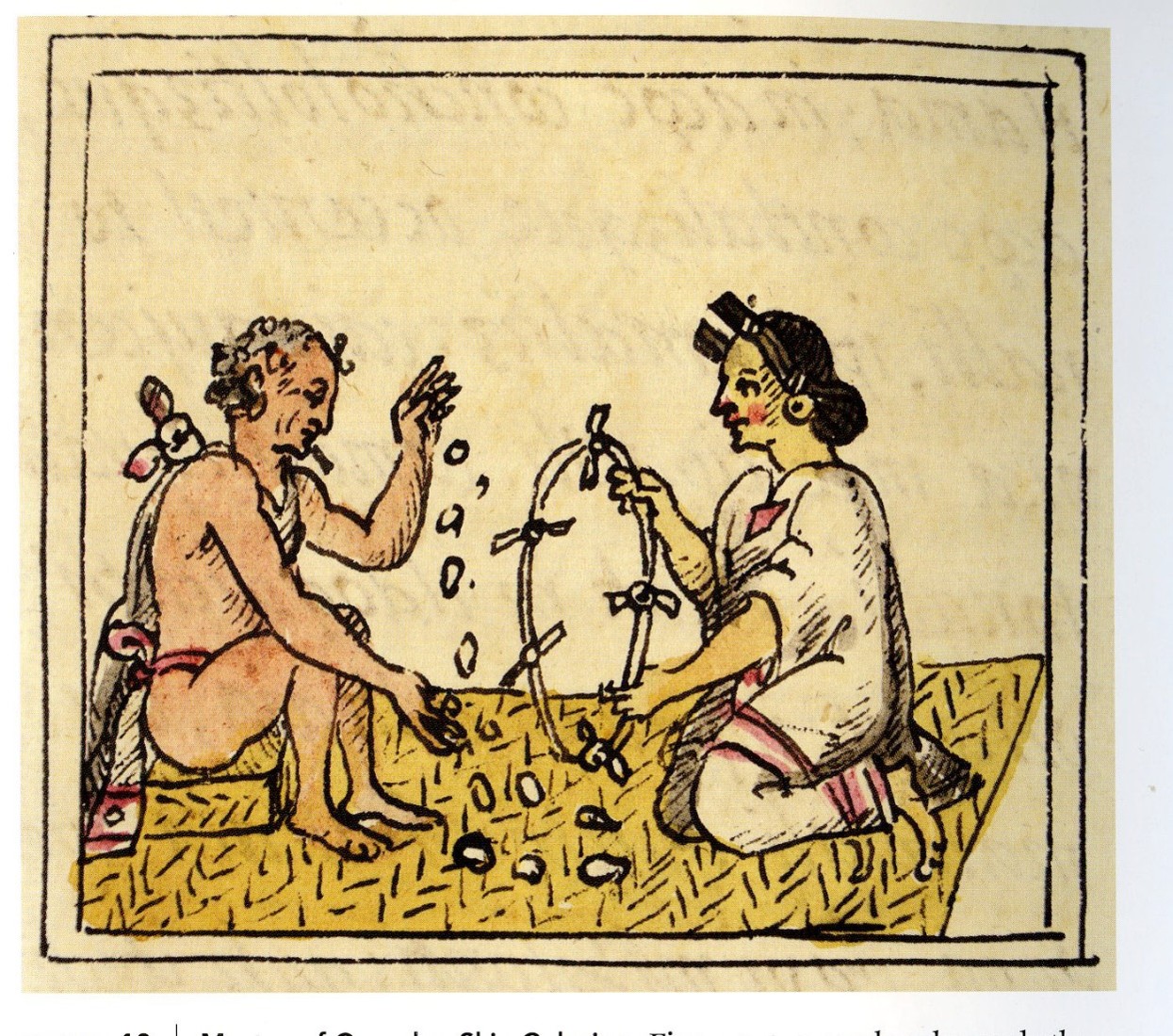
Title: First Creator Couple, from Book 4 of the Florentine Codex, Artist: Master of the Complex Skin Coloring, Date: 1575-1577, Medium: Pigment on European paper

Image
Title: Cuahtemoc (Descending Eagle) from Book 8 of Florentine Codex, Artist: Master of Both Traditions, Date: 1575-1577, Medium: Pigment on European paper

Image
Title: The process of obtaining and producing nocheztli (cochineal) from Book 11 of the Florentine Codex, Artist:?, Date: 1575-1577, Medium: Pigment on European paper

Image
Title: The production of quiltic (Maya green) indigo plant from Book 11 of the Florentine Codex, Date: 1575-1577, Medium: Pigment on European paper

Image
Title: Gathering the red tlahuitl (mineral pigment) and white tizatl (white sulfate) from Book 11 of the Florentine Codex, Date: 1575-1577, Medium: Pigment on European paper

Image
Title: Folio 46, Codex Mendoza, Culture: Aztec, indigenous artist, Date: 1542, Medium: Painted manuscript, has finished products and raw materials

Image
Title: Folio 26, from Book 9 of the Florentine Codex, Date: 1575-1577 Artist: Bernardino de Sahgun and Nahua artists/writers, Medium: Pigment on European paper

Image
Title: Page from Book 9 of the Florentine Codex, Date: 1575-1577, Artists: Bernardino de Sahagun and Nahua artists, Medium: Pigment on European paper

Image
Title: Feather Penacha (Headdress), Culture: Aztec, Date: 1519, Medium: Feathers, gold, wood and vegetable fibers

Image
Title: Featherwork Shield with Supernatural Coyote, Culture: Mexica, Date: 1400-1521, Medium: wood, feathers, and gold

Image
Title: Mosaic Serpent Pectoral, Culture: Mexica, Date: 1350-1521, Medium: wood, turquoise, coral, shell

Image
Title: Turquoise Mosaic Disk, Culture: Mexica, Date: 1200-1521, Medium: wood, spondylus shell, oyster shell, mother of pearl, turquoise, gold

Image
Title: Mask (representing Xiuhtecuhtli), Culture: Mexica, Date: 1400-1521, Medium: turquoise, wood, seashells, mother of pearl

Image
Title: Ceremonial Knife, Culture: Mexica, Date: 1400-1521, Medium: wood, turquoise, maguey fiber, shell, spondylus shell, flint, malachite
Image
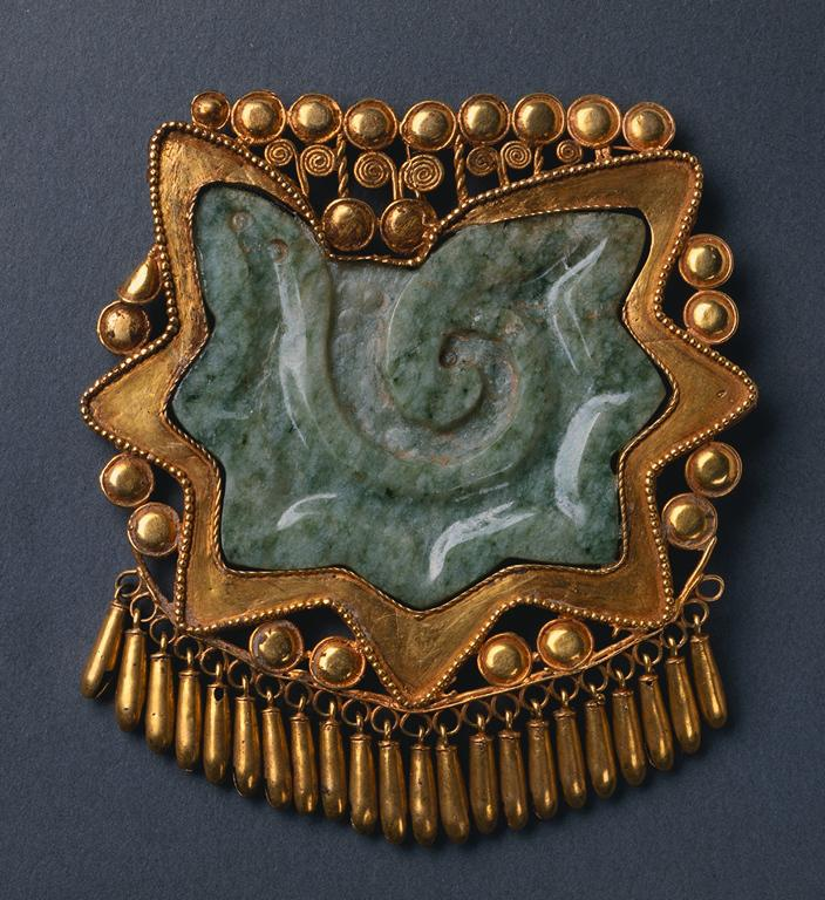
Title: Pectoral, Culture: Mexica, Date: 1400-1521, Medium: Jadeite and gold

Image
Title: Shell (maybe part of a pendant), Culture: Mexica, Date: 1300-1521, Medium: Shell, gold

Image
Title: Ring with Jaguar and Serpent Motifs, Culture: Mexica, Date: 1400-1521, Medium: Gold

Image
(Close up of image) Title: Atlatl (spear thrower), Culture: Mexica, Date: 1400-1521, Medium: wood, cotton, shell, obsidian, gold


Image
Title: Pair of Ceremonial Knives, from Offering 125, associated with Ehecatl-Quetzalcoatl, Culture: Mexica, Date: 1400-1521, Medium: Flint, jadeite, obsidian, spider monkey skin, gold, copal
Teotl
Sacred energy
Tlacuilo
artist/scribe, in mesoamerican painting is tied to language
Toltecaye
Artists
Tlacuiloque (tlacuilo-singular)
painters
Tlamatinime
sages (wise men and women)
Calmecac
a school
Tonalamatls
“book of days”
Folio 1 of the Frejervary-Mayer
Almanac (calendar) for pochtecas, tress framed by deities, other deities (Xiuhetecuhtli (fire god) and Tezcatlipoca (he of the smoking mirror), Quincunx, completion sign, 260 day calendar, Trcenas
Almanac
calendar
pochtecas
long distance luxury traders, wealthy class
Indigenous scribes from Florentine Codex
Master of ¾ profiles, Master of both traditions, Master of Complex Skin Coloring
Quincunx
four directions join a central axis that links heavens, underworld, and the surface of the earth
Xihuitl
Turquoise/360 day calendar
Teoxihuitl
Turquoise god
Totocalli
artison shops
Amanteca
Feather worker, own social class, lived in special neighborhoods, own patron gods, they used mosaic and collage techniques
Atlatl
spear thrower
Penacha
Headdress
Xuitecuhtli
Fire god
Tezcatlipoca
he of the smoking mirror, associated with both destruction and creative energy
Trecena
13 day count
radial temple
stairs on all sides
Colors with florentine codex
Colors change based on whats discussed (some books have subdued color and book 6 Rhetorical and Moral philosphy is completely black and white), Book 11 is mostly images although 1/3 not painted b/c epidemic, colors divided into those obtained from plants and animals vs mineral colors, other distinctions include saturated vs. diluted, opaque or dark colors; primary colors vs. secondary hues
Black ink the colors
Can refer to featherworks and luminosity b/c what is highlighted
What are the 2 most prized feathers
Quetzel and hummingbird
Russo article
Feathers associated with luminosity and brilliance, sacrifice, deities. Priests allowed because they thought it was cool so they allowed it to continue to be used with religious iconography, but it can still be read in a very indigenous way
Turquoise