9/16 - Plant Toxicology Respiratory and Urinary
 Call Kai
 Learn
Learn Practice Test
 Spaced Repetition
 Match
Match Flashcards
 Knowt Play
1/11

There's no tags or description
Looks like no tags are added yet.
Name | Mastery | Learn | Test | Matching | Spaced | Call with Kai | Chat |
|---|
No analytics yet
Send a link to your students to track their progress
12 Terms
Fog Fever
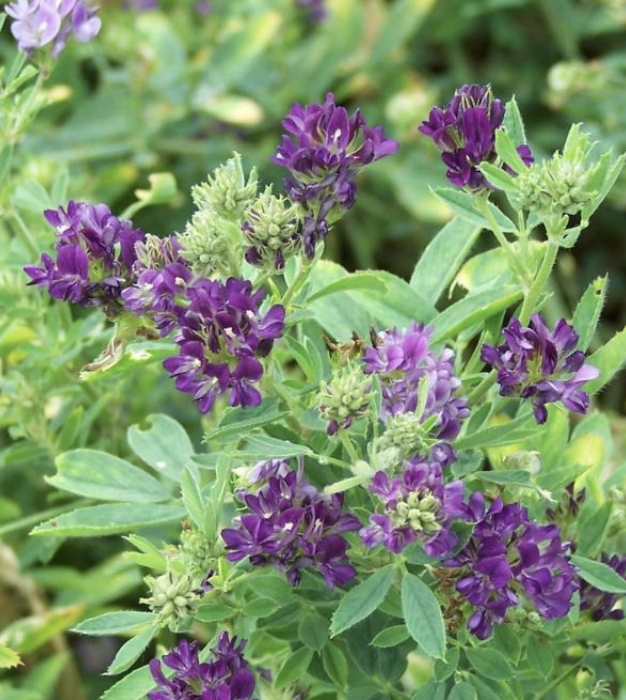
Medicago sativa (alfalfa, lucerne) toxicity produces a condition in ruminants known as what? This causes rumen overload with tryptophan, converted to 3-methylindole, which is absorbed into the blood and metabolized in the lung to a toxin which destroys type I pneumocytes. Signs include acute pneumonia and fever for 5-10 days after consumption. The lungs will be heavy, firm, frothy, and will have distended interlobular septas with fluid, fibrin, and air bubbles. Cut surfaces of the lung will have a marbled appearance with red-purple lobules, prominent edema, and bubbles between connective tissue. Treatment is with NSAIDs and support.
Purple Mint
What plant is in the genus Perilla, and produces ARDS signs, including panting disease in cattle in late summer/early fall? It contains volatile 3-substituted furan ketones and produces excessive proliferation of type II pneumocytes, with glandular appearance of tissue.

Pigweed
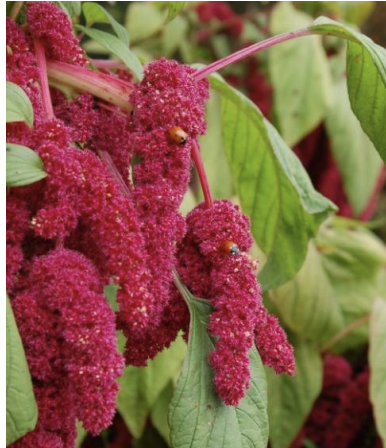
What plant is in the genus Amaranthus, and has an unidentified toxin that causes nephrotoxicity? Death can occur due to secondary hyperkalemia, and it also involves nitrate toxicosis due to nitrate accumulation. Signs include weakness, trembling, ataxia, recumbency, flaccid paralysis, increased urination, coma, and death. There will be increased BUN and potassium in serum. There will be renal tubular epithelial necrosis, and dilated proximal tubules with proteinaceous material.
Oak
What type of tree is in the genus Quercus and contains gallotannins, tannic acid, pyrogallol, and phenolic acid? These are concentrated in spring and in young plant components. These toxins are astringents and cause cell protein denaturation. Signs occur acute or chronic, and include transient elimination of red-brown urine. Signs include depression, abdominal pain, nasal discharge, PU/PD, increased respiratory rate, diarrhea, dehydration, colic, edema, weakness, and icterus. Cattle are most affected. There will be elevated BUN, creatinine, AST, and ALT, plus hypocalcemia and hyperphosphatemia.

Halogeton
What plant is also known as H. glomeratus? Sheep are most affected by toxicity, and signs include depression, anorexia, drooling, and later will include weak/stiff muscles. There will be irregular respiration, increased urination, and decreased blood calcium. There will be fluid in the abdomen, pale kidneys with crystals on the cut surface, and renal tubular epithelial necrosis, dilated proximal tubules, and protein and oxalate crystals in the tubules. Treatment is support and calcium supplementation.

Rain Lily
What plant is in the genus Zephyranthes, and contains alkaloids in the leaves and bulbs? Signs include lack of appetite, tiredness, diarrhea, increased thirst, frequent urination, fluid retention, irregular heart rate, dehydration, and incoordination. Nerve damage will cause partial paralysis and blindness, plus convulsions, coma, and death.

Johnson
What type of grass is also known as S. halepense, and in stressed animals produces prussic or hydrocyanic acid, causing cyanide poisoning? There will be neurological disease with nerve degeneration in the hindquarters. Cyanide will block the action of the cytochrome oxidase enzyme, preventing hemoglobin from releasing oxygen. Treatment is with normal cyanide toxicity antidote. There will sometimes be a bitter almond smell.

Datura
What plant genus contains thorn apple and jimson weed, and contains tropane alkaloids (atropine and I-hyoscine), plus solasodine, which has saponin-like effects and disrupts cell membranes by a detergent action, causing GI mucosal necrosis? It has anticholinergic effects, decreasing salivation/motility, dilating the pupils, and causing photophobia and tachycardia. There will be GIT irritation, sinus tachycardia, and signs will develop in hours up to a day, including depression, weakness, incoordination, and abdominal pain.

Solanum
What plant genus contains nightshades, which have the glycoalkaloids solanine and solanidine? Ruminants are generally resistant to this but large amounts can cause disease. Some species can cause CNS effects in ruminants, such as restlessness, irritability, and weakness.

Nettle
Bull and stinging what plant has irritant effects, causing erythema, blisters, pruritus, and swelling? Dogs will have salivation, paw-licking, face-scratching, and vomiting. Treatment is support and NSAIDs.

St. John’s wort
H. perforatum is also known as what plant, and contains hypericin toxin? This causes photosensitivity reactions. It can also be used for treating depression or as a topical antibacterial treatment on wounds or cuts.

Spring Parsley
What plant is also known as C. watsonii, and causes severe sunburn in sheep and cattle, due to photoactive substances like furocoumarins, xanthotoxin, and bergapten? There will be reddening and blistering of exposed areas on the body, such as the nose, udder, and external genitals.