Vertebrate endoskelton
 Call Kai
 Learn
Learn Practice Test
 Spaced Repetition
 Match
Match Flashcards
 Knowt Play
1/23

There's no tags or description
Looks like no tags are added yet.
24 Terms
Cartilage
Soft; flexable; no minerals; avascular/no blood
Bone
Harder; Not flexible; Mineralized; Vascular
ossification
Bone formation; Intramembranous (inside) or dermis of the skin; dermal and visceral bone do this
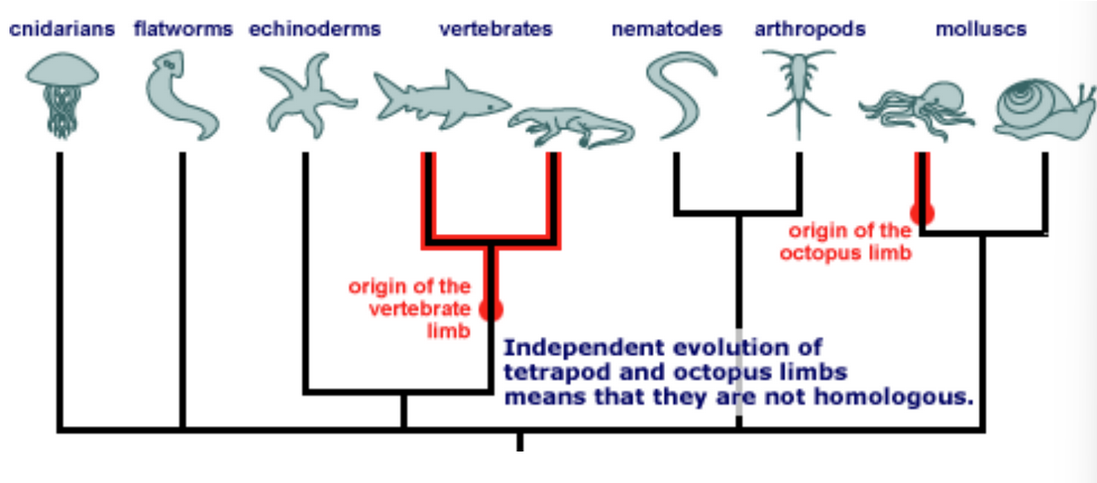
Limb and Bone analogy
Some limbs and bones look simular in different animals but are anaolgous
Axial Skeleton
Skull, Ribs, Vertebrae, Sternum, Hydroid
Appendicular skeleton
Limbs, Pectoral Scapluar and Clavicle(collar bone), Pelvic Ilium, ichium and pubis
Endochordral
Bone formation where bone replaces cartilage
Somatic origin Bones
Most the skeleton, Endochondral ossification
Visceral origin bones
From phylaxial bars, Edochondral ossification, Earbones, part of the trachea, hyoid, small parts of the skull
Dermal origin bones
Most of the skull, clavical; intramembranous ossification
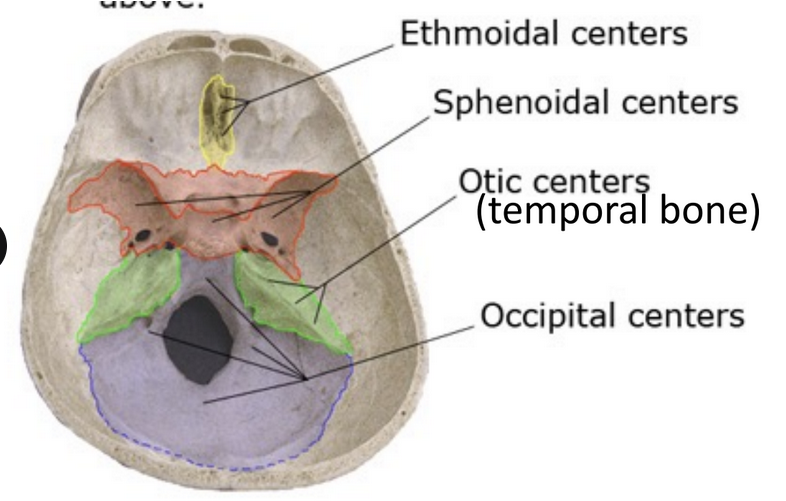
Somatic skull bones
Support the base of the brain; Temporal bone, occipitcal bone, ethmoid bone, Spehnoid bone
Visceral skull bones
Part of Sphenoid bone, Part of temporal, hyoid bone, Ear ossices: incus, Malleus, Stapes
Dermal skulll origin
Most of the skull
Skull bone patterns
Sphenoid and temporal bones are visceral, dermal, and somatic; Occipital is dermal and somatic
Jaw bones
Upper is maxiulla, Lower is mandible, Both are dermal and visceral
Hard plate
Devides the nasal and oral cavity; Key to mammals
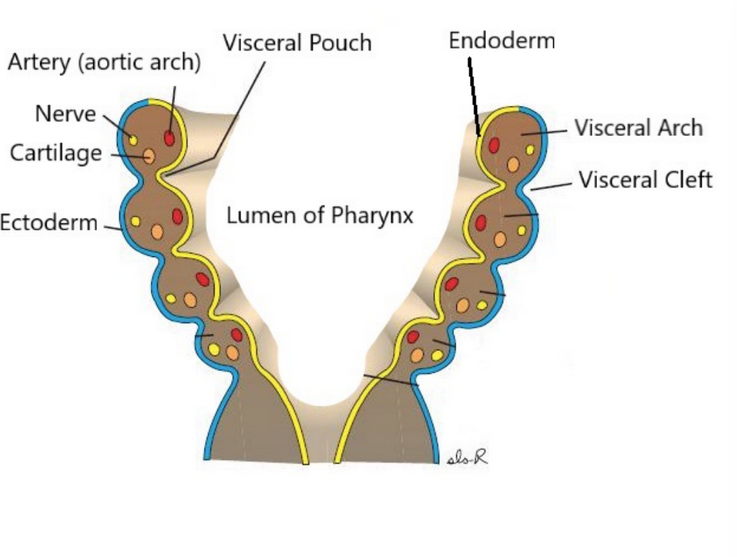
Arch anatomy
Arch (cartilage, mesoderm); pouch (insde,endoderm); cleft (outside ectoderm); Lumen, space inside;
Evolution of Arch 1 Upper
Palatoquadrates in sharks; Quardrate in fish, amphibians, reptiles, and birds; incus in mammals
Evolution of Arch 1 Lower
Meckels cartilage in sharks; articular in fish, amphibains, reptiles and birds; mallus in mammals
evolution of Arch 2 upper
Hyomandibula in sharks and fish; columella in amphibians, reptiles, and bird; stapes in mammals; first ear bones
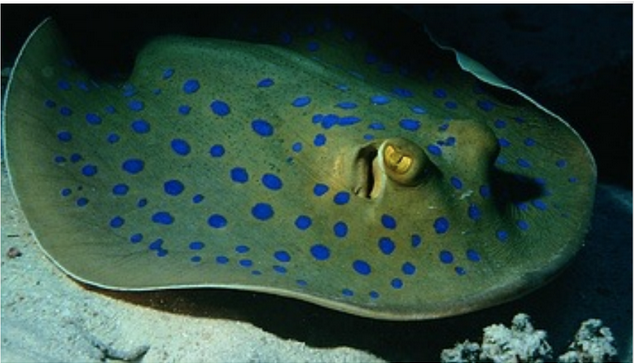
Spiracles
Holes anterior to eyes that allows breathing in benthic chondrithese
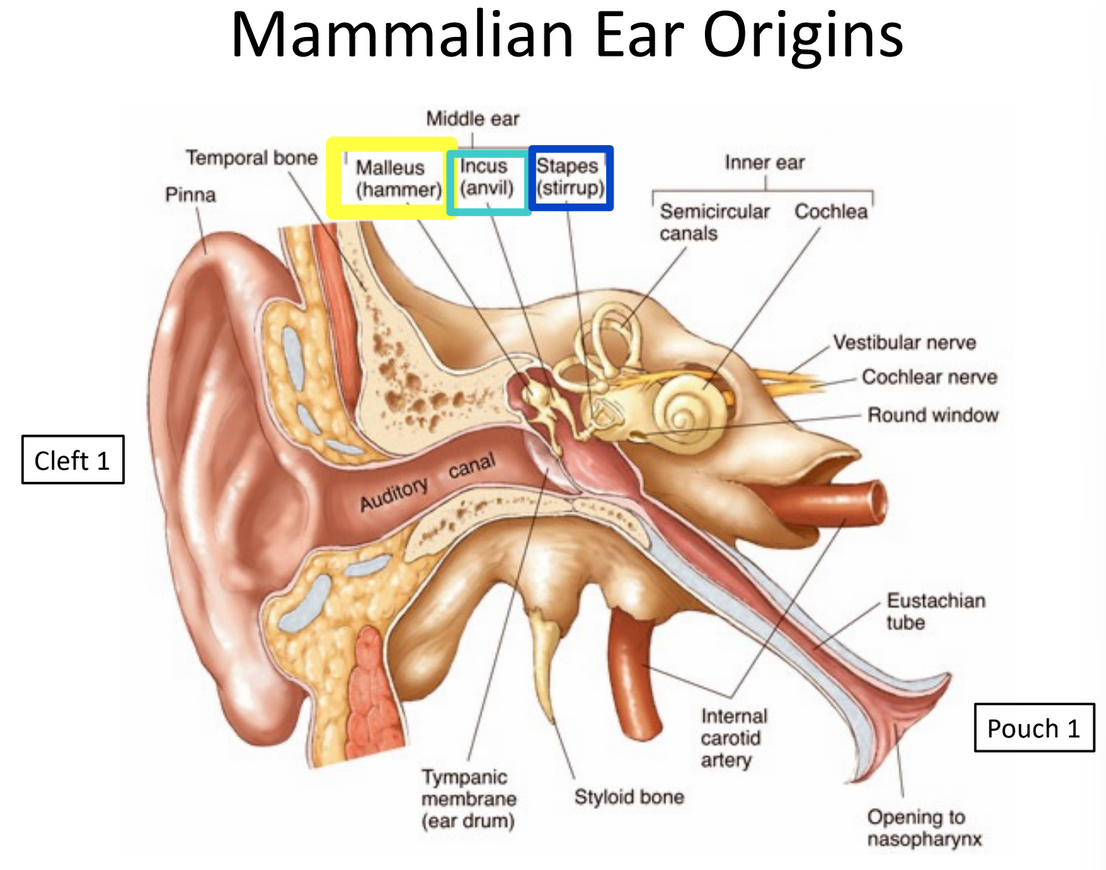
Mammalian ear origins
Cleft 1 is from arches; Malleus, incus, and stapes
Jaw to ear evolution
Quadrates and anticular turned into ear bones; Maxilla and madible are bones, mandible and temporal bones are now joints