AP PYSCHOLOGY UNIT 2
 Call Kai
 Learn
 Practice Test
 Spaced Repetition
 Match
 Flashcards
 Knowt Play
1/33

Earn XP
Description and Tags
Cognition
34 Terms
sensation includes receiving an external stimuli from the environment, converting it into a neural message (also called ___), and ____
transduction; sending it to the brain to be evaluated
perception involves ___ and ___ sensory information to construct ___ and ___ the environment
organizing; interpreting; experiences; understand
bottom-up processing
processing raw visual data without any preconceived knowledge about it
top-down processing
relying on overall context of the situation to complete the image or understand stimuli
schema: mental ___ for how we think about and ___ the world
frameworks; understand
perceptual set
mental predisposition or readiness to perceive something in a certain way, shaped by expectations, emotions, context
3 Gestalt principles
closure, figure and ground, grouping
closure

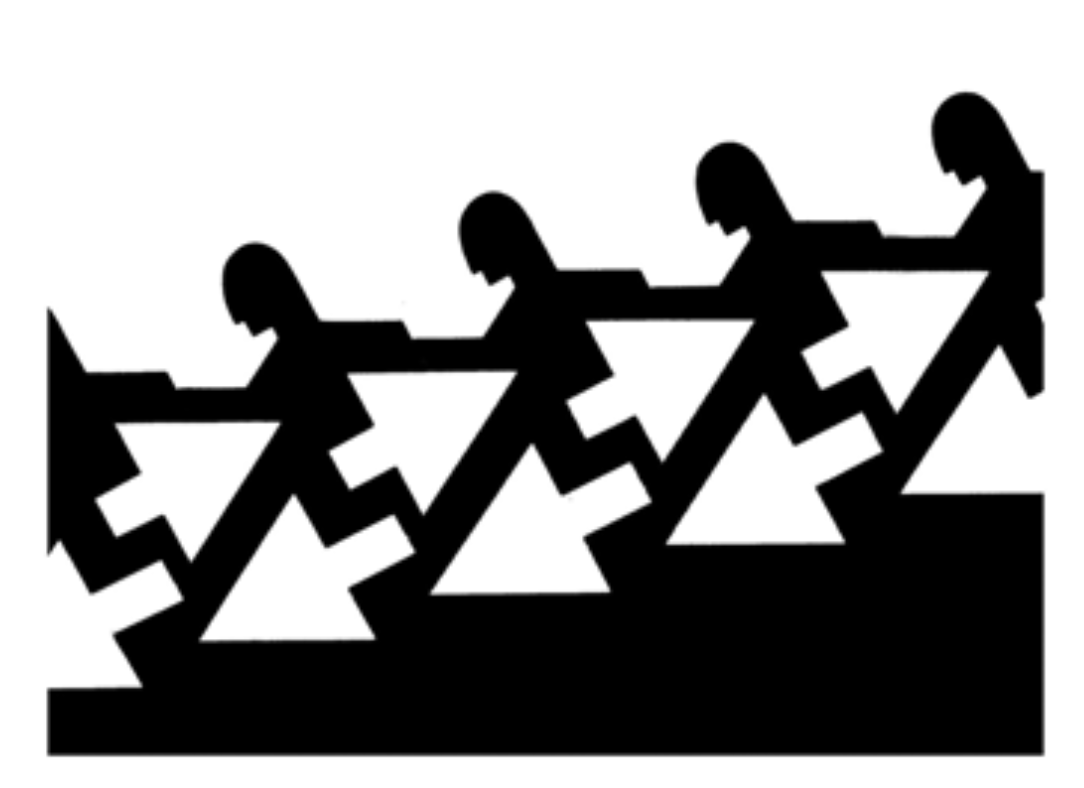
figure and ground
organization of the visual field that distinguishes figures and their surroundings
grouping rules (4)
similarity, proximity, continuity, connectedness

attention is an interaction of
sensation and perception
inattentional blindness
ignoring certain parts due to focus on other parts of the visual field
selective attention
filtering out distracting stimulus to focus on what’s important
change blindness
changes in the environment are not perceived due to inattention or obscuration
why do binocular cues utilize both eyes
to provide depth perception
how do binocular cues use both eyes to perceive distance
inward rotation of both eyes as objects moves closer → brain senses the degree of muscle rotation required to maintain focus → translates to accurate estimate of depth
convergence
inward rotation of both eyes as objects moves closer
what does retinal disparity do
determines depth based on the difference between what each eye sees
how does retinal disparity work
dual image projection → disparity between views → key visual cue
monocular depth cues (5)
relative clarity; relative size; texture gradient; linear perspective; interposition
relative clarity
Objects that are clear and have more distinct details create sharper retinal images and are perceived as being closer.
texture gradient
The surface texture of an object appears coarser and more detailed up close but becomes finer and smoother as it recedes into the distance
linear perspective
parallel lines appear to converge as they recede into the distance, eventually meeting at a point on the horizon (the vanishing point). The closer the lines are to this point, the farther away they appear
interposition
When one object partially blocks or overlaps another object, the blocked object is perceived as being farther away, and the blocking object is perceived as being closer
visual perception constancies
size, shape, brightness, color
apparent movement
can be visually perceived even when objects are not moving
phi phenomenon
perception of movement created by 2+ adjacent lights blinking on and off