Lab 7 A&B
 Call Kai
 Learn
 Practice Test
 Spaced Repetition
 Match
 Flashcards
 Knowt Play
1/69

There's no tags or description
Looks like no tags are added yet.
70 Terms

The is a part of the digestive system connected to the mouth and stomach.
Esophagus
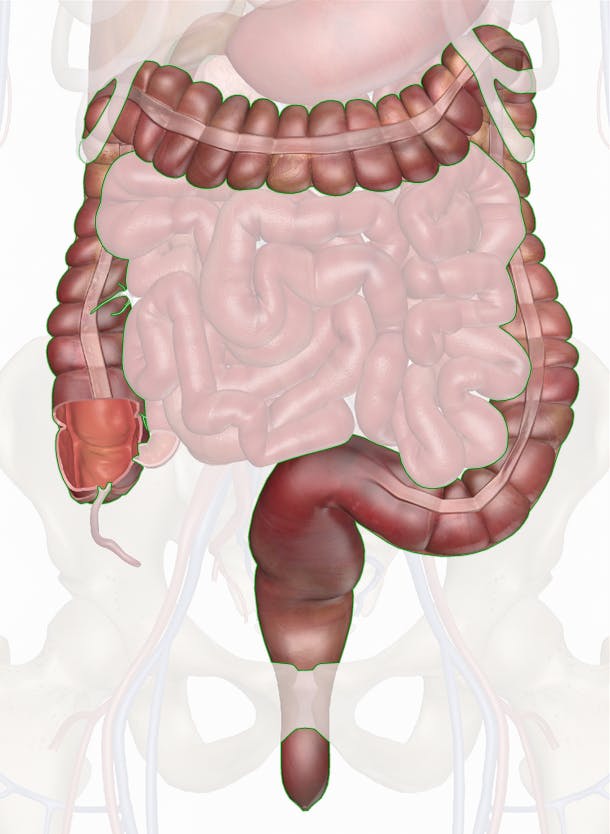
The major organs of the digestive system include the stomach, small intestine, and _.
large intestine
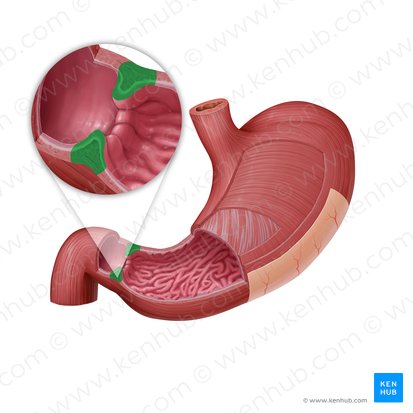
The __ is the valve that regulates the passage of chyme from the stomach to the small intestine.
pyloric sphincter
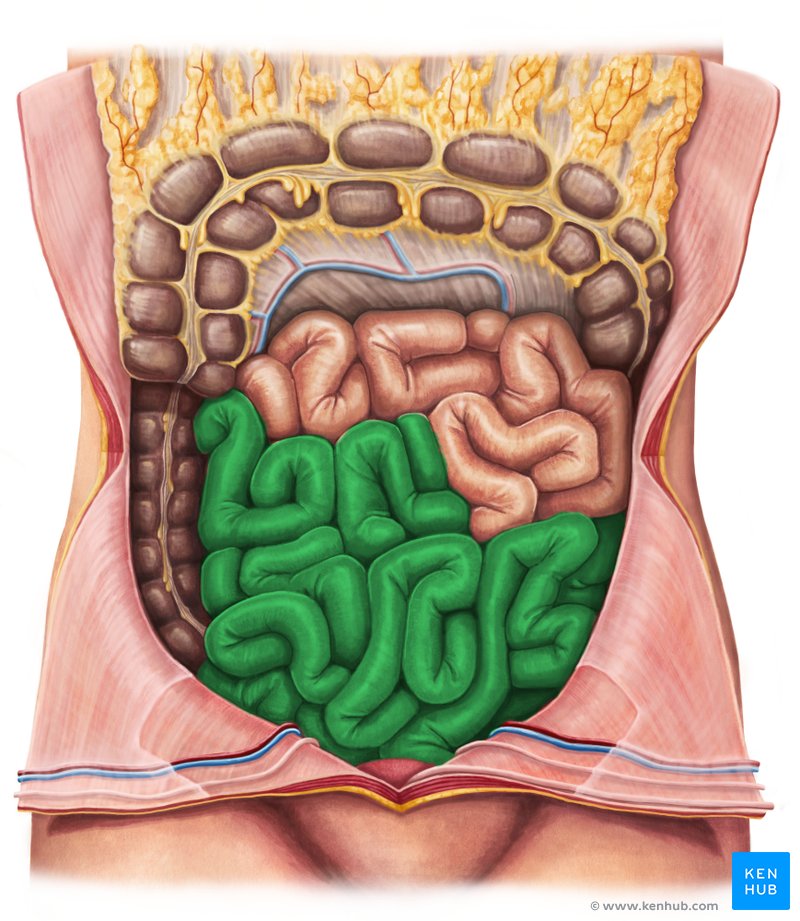
The small intestine consists of the duodenum, jejunum, and _.
ileum
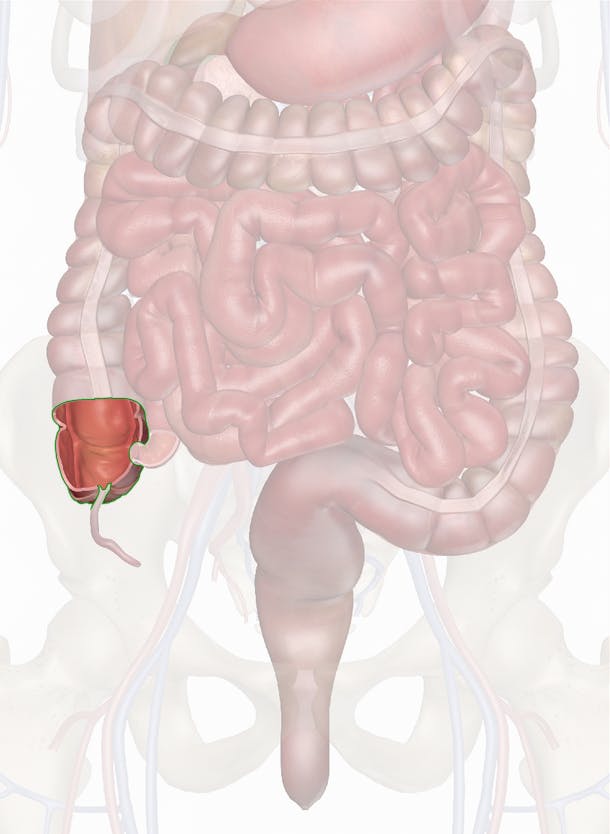
The is a pouch-like structure at the beginning of the large intestine.
cecum
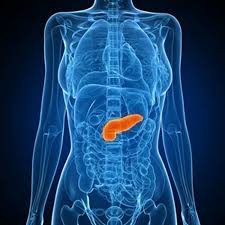
The is located behind the stomach and produces digestive enzymes and hormones.
pancreas
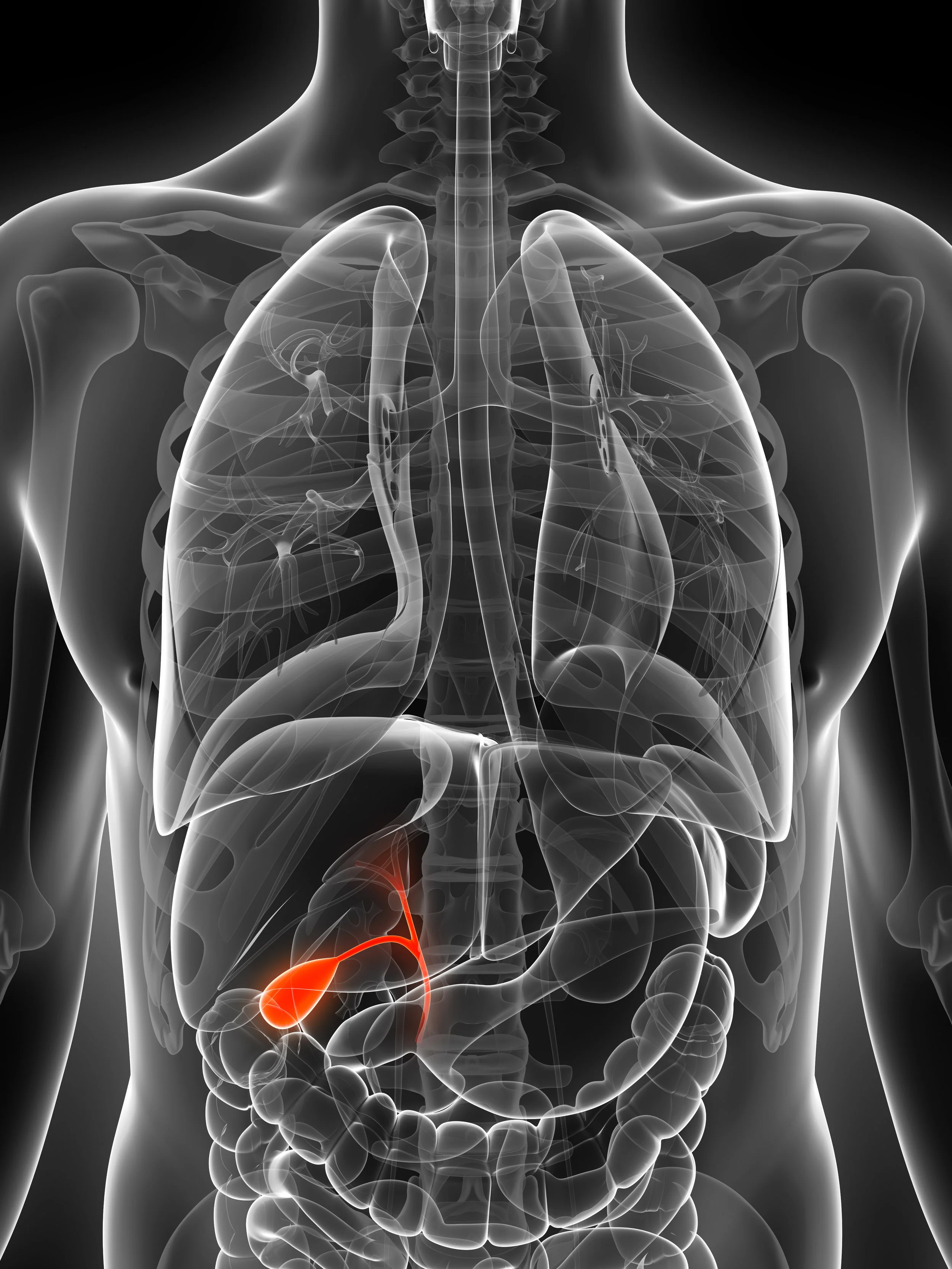
The is a small organ that stores bile produced by the liver.
gallbladder
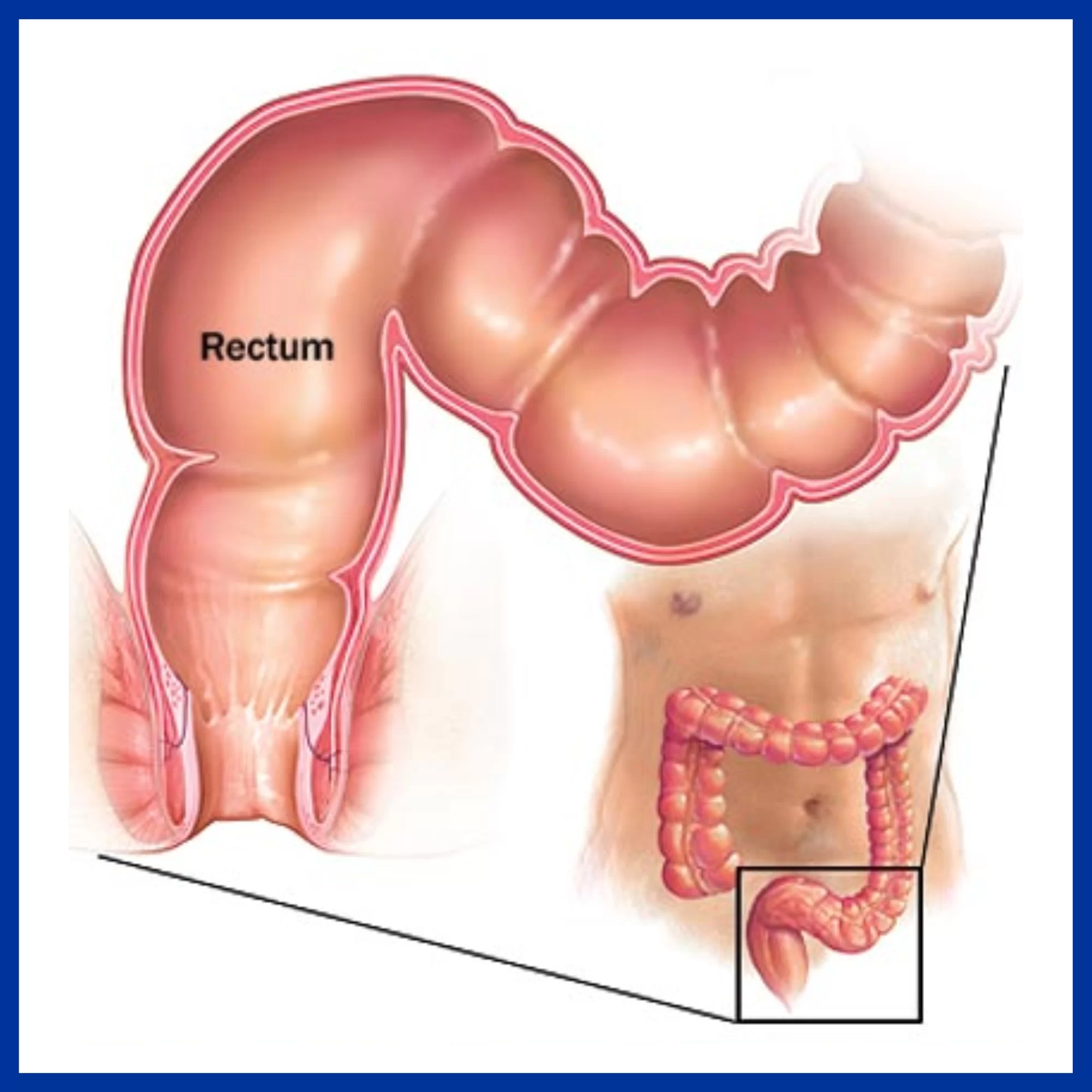
The is the final section of the large intestine that leads to the anus.
rectum
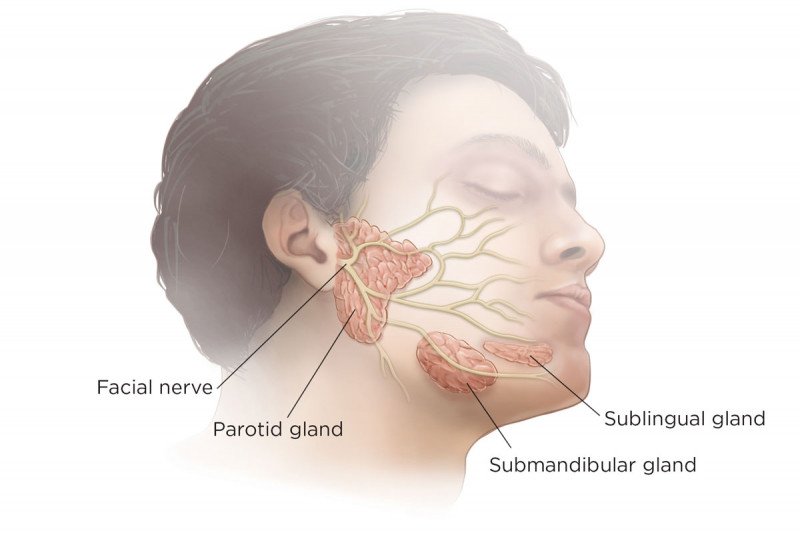
The are glands located in the mouth that produce saliva and aid in digestion.
Salivary glands
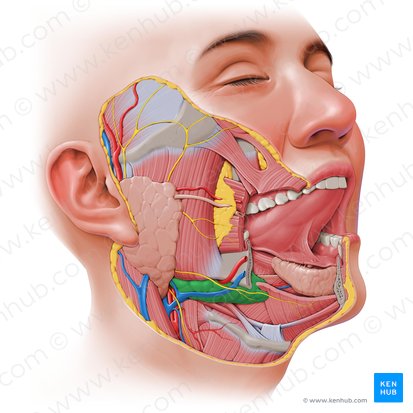
The is one of the three major salivary glands located beneath the jawline and produces a mixture of serous fluid and mucus.
Submandibular gland
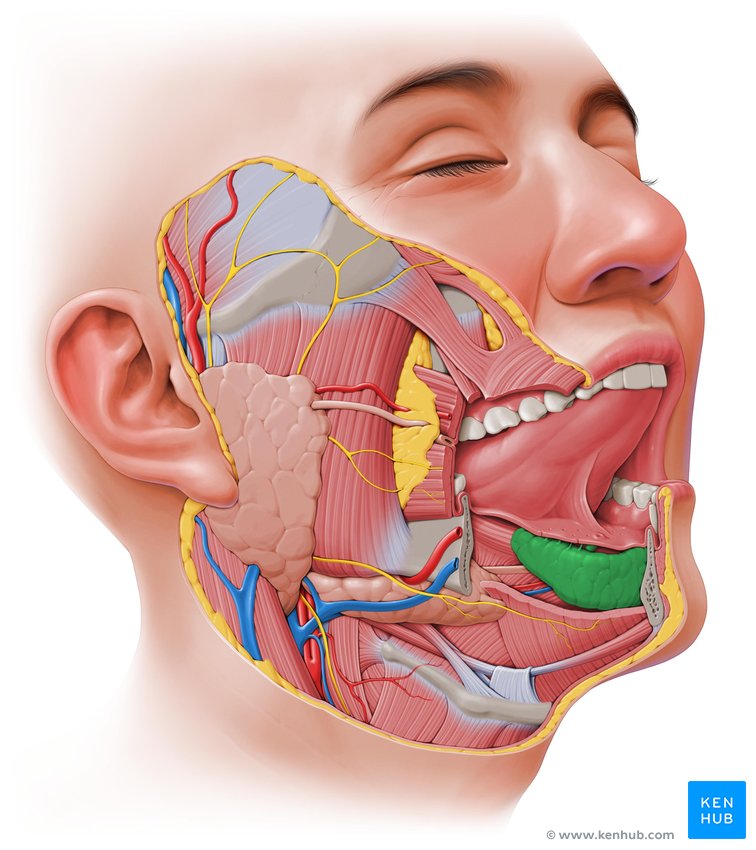
The is one of the three major salivary glands located under the tongue that produces mucus and contributes to saliva.
Sublingual gland
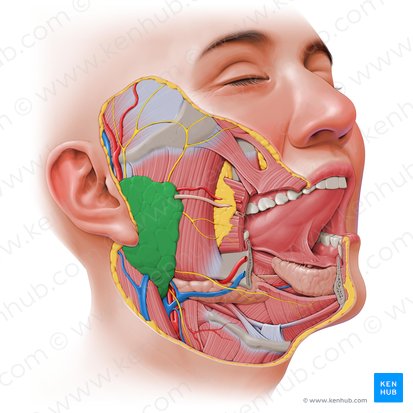
The is one of the three major salivary glands located near the ear and produces a serous fluid that aids in digestion.
Parotid gland
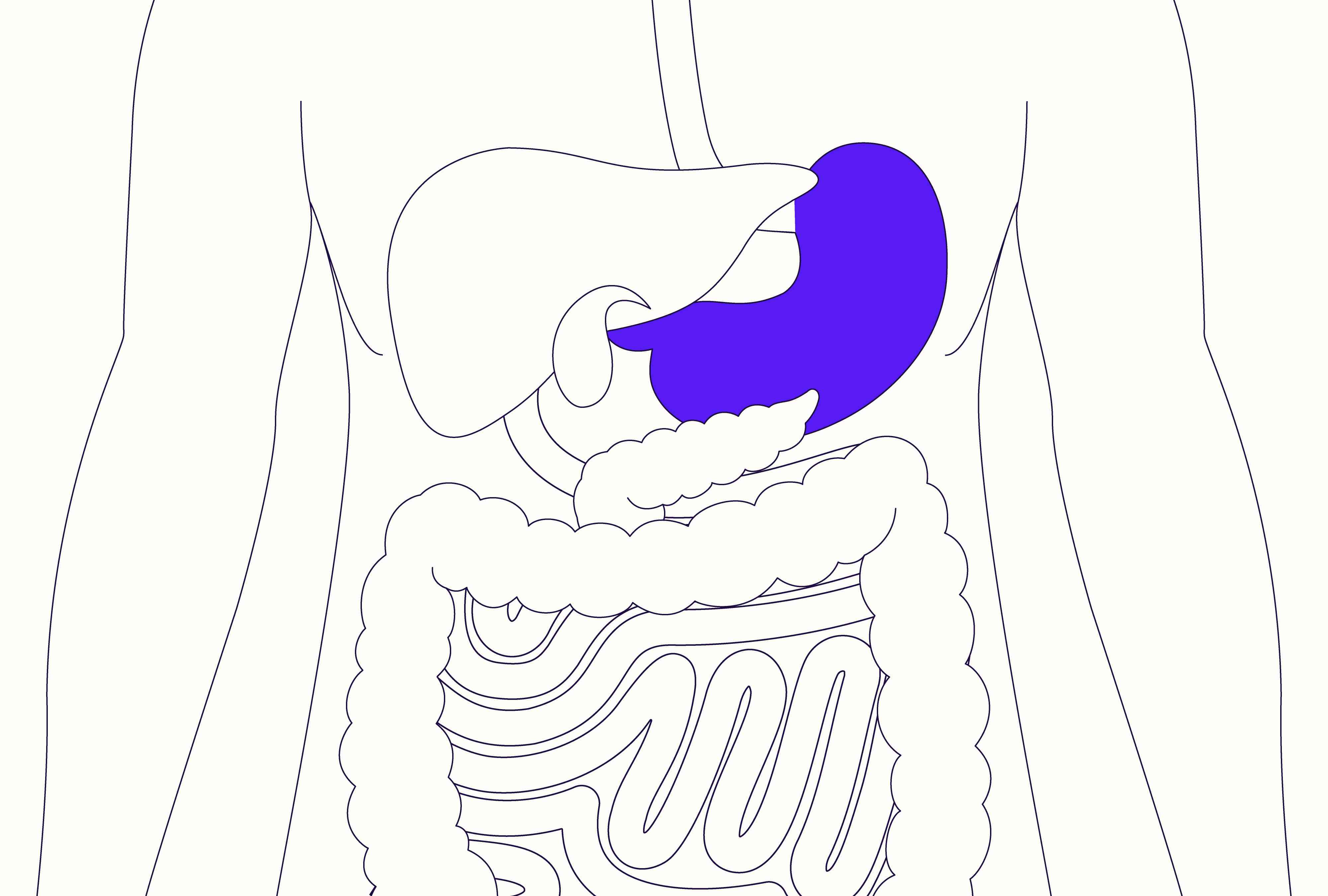
The is a muscular organ in the digestive system that stores and breaks down food, mixing it with gastric juices to form chyme.
Stomach
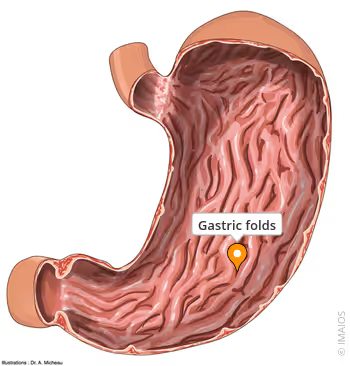
The are folds in the stomach lining that allow the stomach to expand when full and help in the mixing of food with gastric juices.
Rugae
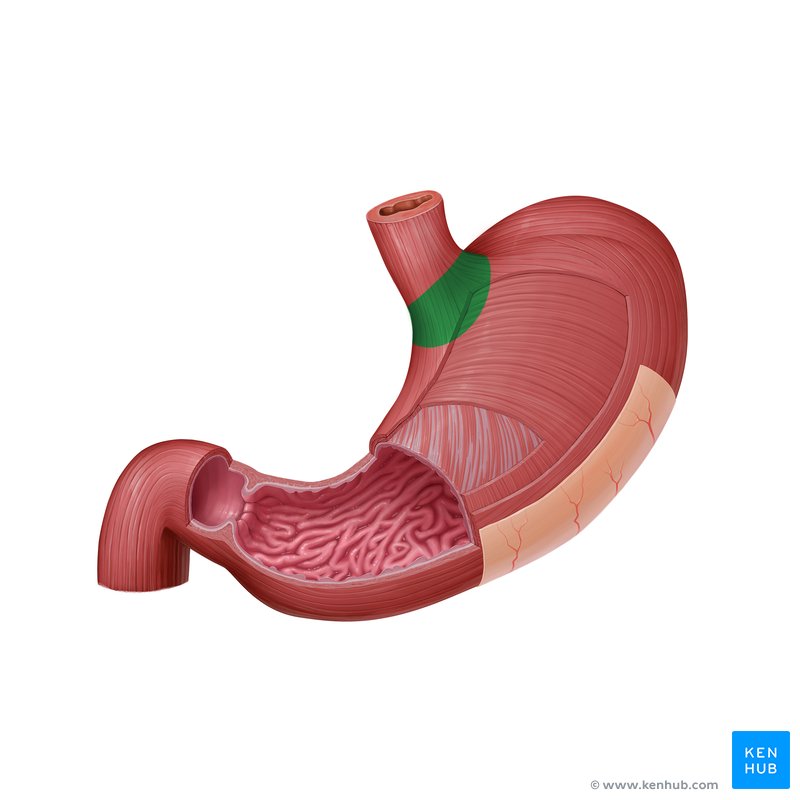
The is the part of the stomach where the esophagus connects and food enters the stomach.
Cardiac region
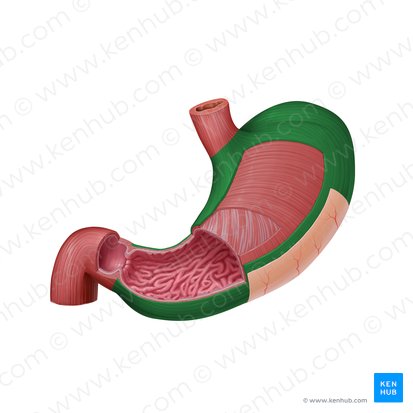
The is the main portion of the stomach where digestion occurs and food is mixed with gastric juices.
Body of stomach
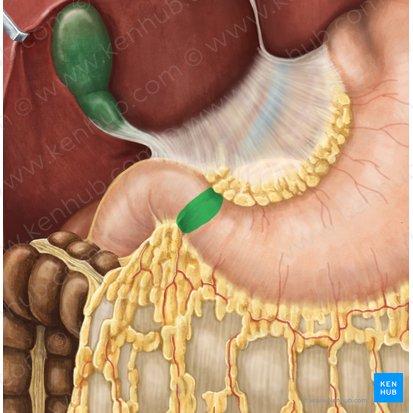
The is the valve that regulates the passage of chyme from the stomach to the small intestine.
pylorus

The is a fold of peritoneum extending from the stomach and hanging down in front of the intestines, often described as an apron-like structure.
Greater omentum
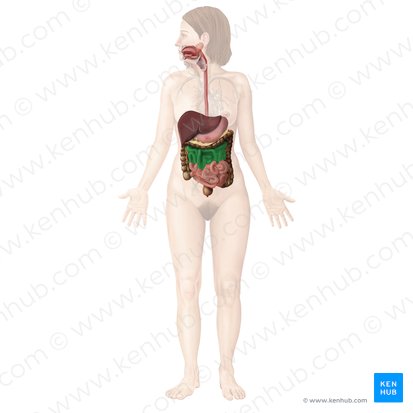
The consists of the duodenum, jejunum, and ileum.
Small intestine

The are folds of peritoneum that attach the intestines to the abdominal wall and support blood vessels and nerves.
Mesenteries
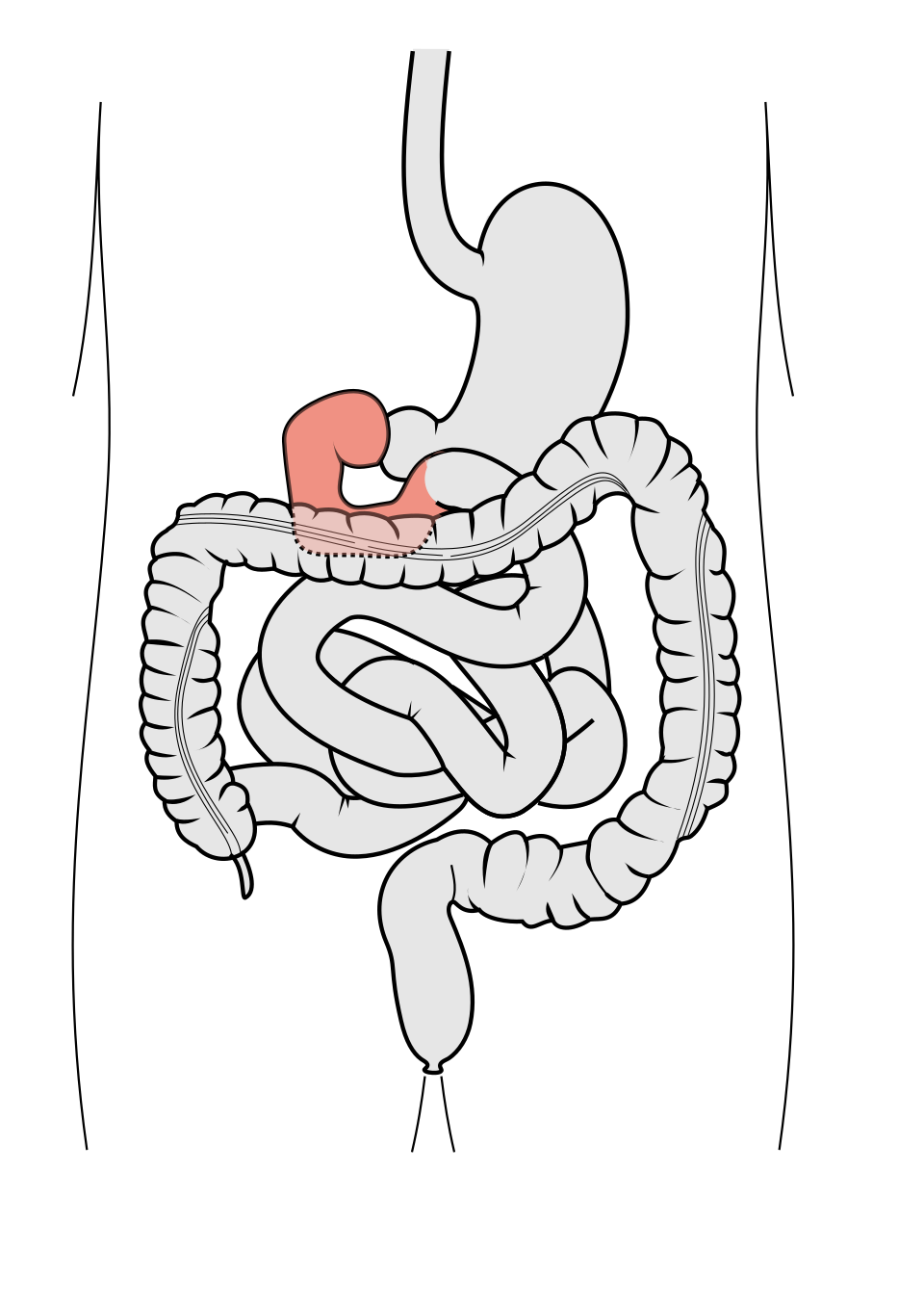
The is the first part of the small intestine, where a significant amount of chemical digestion occurs after food leaves the stomach.
Duodenum
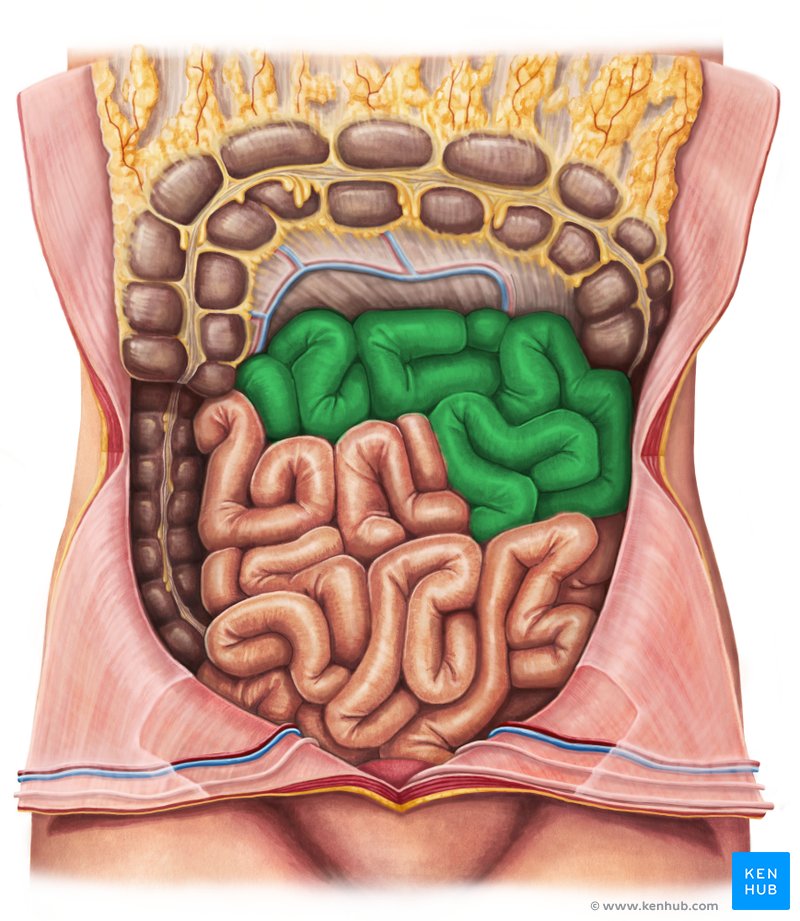
The is the middle section of the small intestine, where further digestion and absorption of nutrients occur.
Jejunum
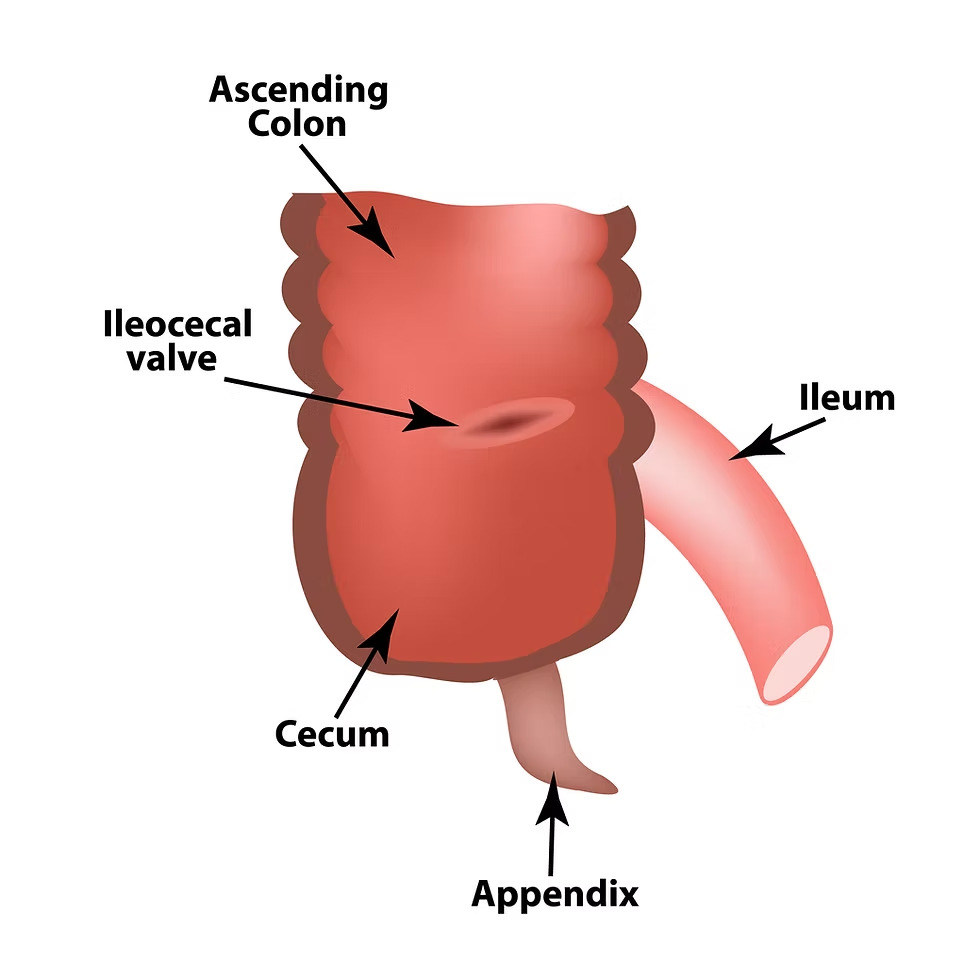
The is the valve that regulates the passage of chyme from the small intestine to the large intestine.
Ileocecal valve
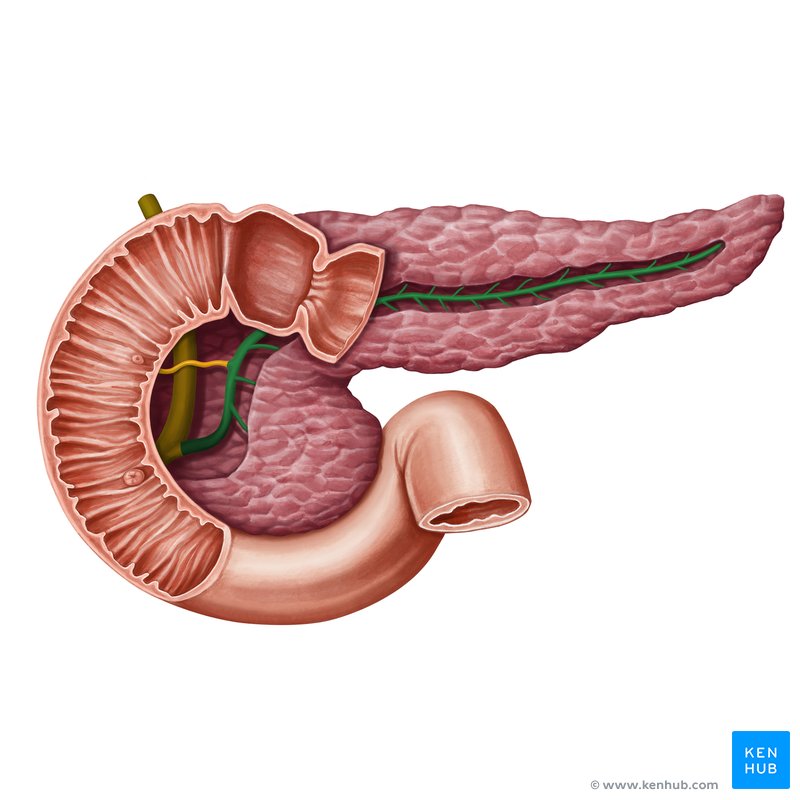
The is a duct that transports digestive enzymes from the pancreas to the small intestine.
Pancreatic duct
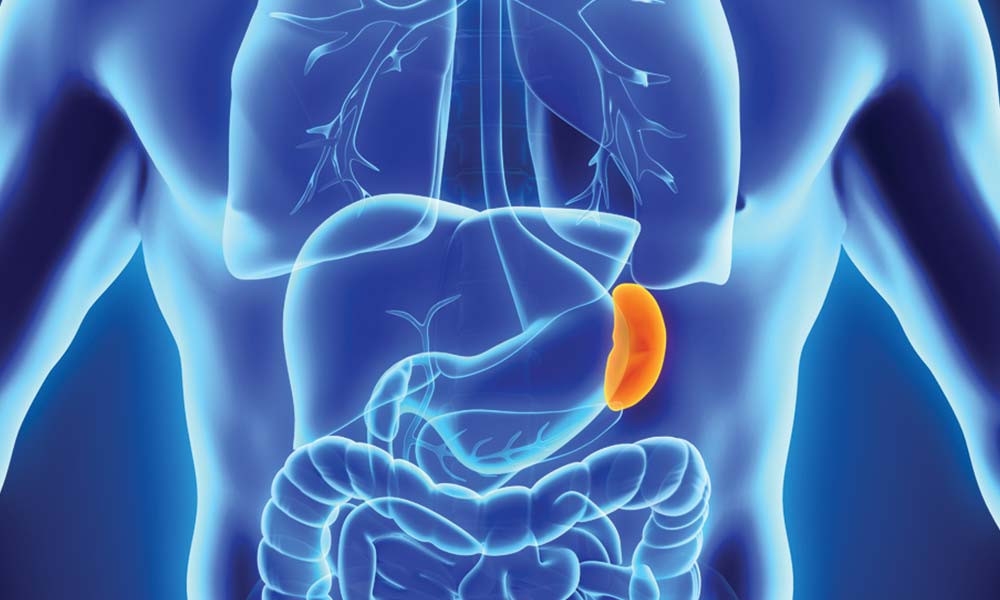
The is an organ that filters blood and is part of the lymphatic system, playing a key role in immune response and blood storage.
Spleen
The is a pouch-like structure attached to the cecum at the beginning of the large intestine that has no significant digestive function in humans.
Appendix
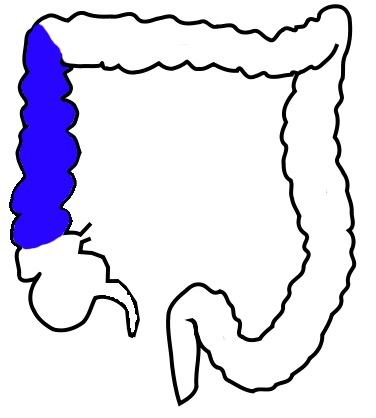
The is the part of the large intestine that moves upward from the cecum along the right side of the abdominal cavity.
Ascending colon
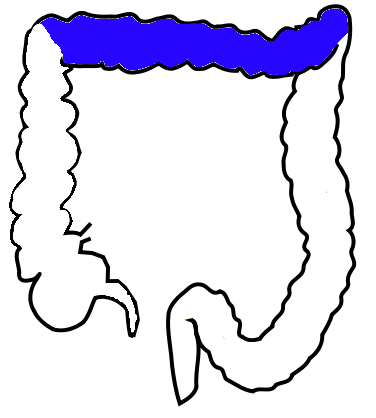
The is the part of the large intestine that runs horizontally across the abdomen, connecting the ascending colon to the descending colon.
Transverse colon
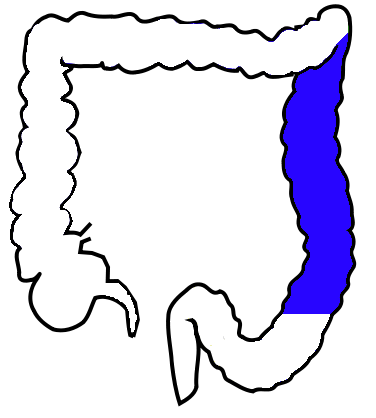
The is the part of the large intestine that moves downward along the left side of the abdominal cavity, connecting the transverse colon to the sigmoid colon.
Descending colon
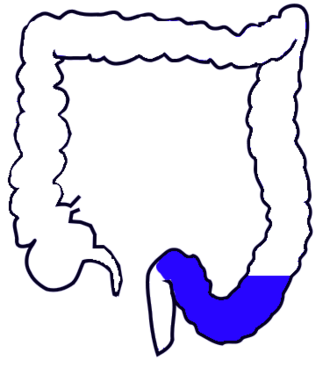
The is the part of the large intestine that connects to the rectum and is shaped like an 'S.'
Sigmoid colon
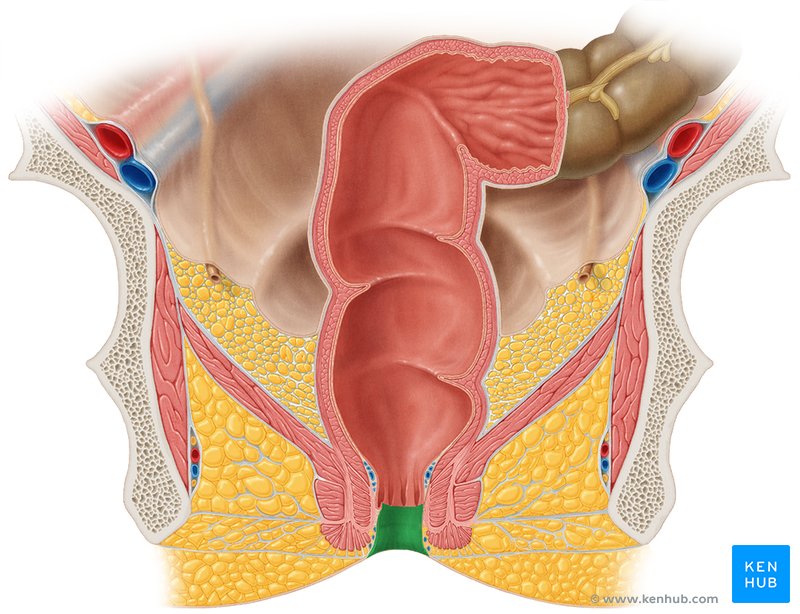
The is the opening at the end of the digestive tract through which waste is expelled from the body.
Anus
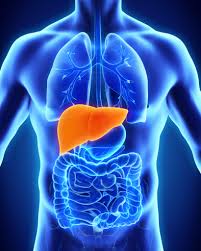
The is an organ located in the upper right abdomen that produces bile, processes nutrients from the blood, and plays a key role in metabolism and detoxification.
Liver
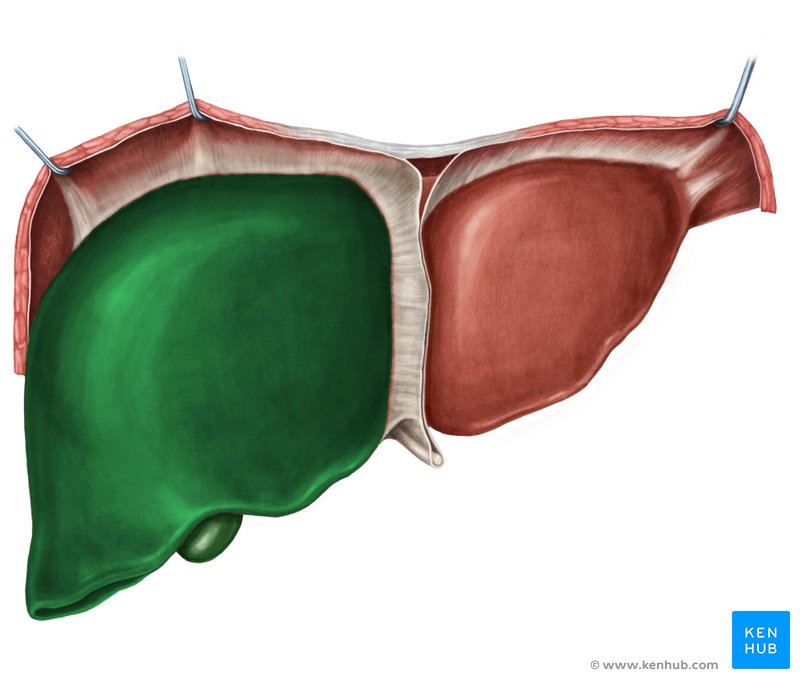
The is the larger portion of the liver located on the right side of the body, playing a key role in metabolism, detoxification, and the production of bile.
Right lobe of liver
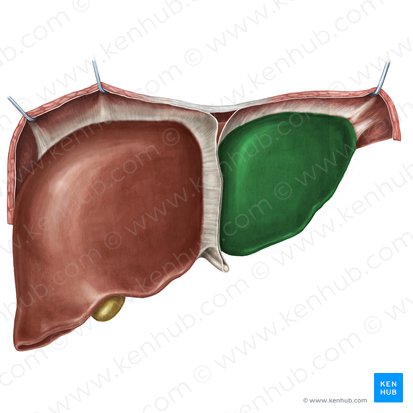
The is the smaller portion of the liver located on the left side of the body, involved in various metabolic processes and the production of bile.
Left lobe of liver

The is a lobe of the liver located on its posterior side, playing a role in metabolic processes.
Caudate lobe

The *red* is a duct that carries bile from the liver to the gallbladder and small intestine. Blue
Hepatic duct

The *yellow* is a duct that carries bile from the gallbladder to the small intestine. Green
Cystic duct

The *green* is a duct that carries bile from the liver and gallbladder to the small intestine. Yellow
Common bile duct

The structure that connects the nose to the esophagus is __.
Pharynx

The flap of tissue that covers the glottis during swallowing is called __.
Epiglottis

The __ is the muscle that contracts and relaxes for breathing.
Diaphragm muscle

The __ cartilage forms part of the larynx and is commonly referred to by its prominence in the neck. First arrow
Thyroid cartilage

The __ provides structure to the trachea and prevents it from collapsing. Green
Tracheal cartilage

The __ is located at the entrance of the trachea.
Glottis

The part of the pharynx that is behind the nasal cavity is called __.
Nasopharynx

The region known as the __ lies below the oropharynx.
Laryngopharynx

The section of the bronchial tree that branches from the trachea is known as __.
Bronchi

The __ is the lower respiratory tract that connects to the bronchi. Yellow
Trachea

The structure that humidifies and filters the air entering the respiratory tract is the __.
Nose

The __ of the pharynx is lined with mucous membranes.
Oropharynx

The __ helps in the production of sound.
Larynx

The bony structures that help to warm and filter the air in the nasal cavity are known as the __.
Nasal conchae

The space within the mouth, bounded by the cheeks, lips, and teeth, is referred to as the __.
Oral cavity

The structure that forms the roof of the mouth is known as the __.
Palate

The small, fleshy extension at the back of the throat that swings during swallowing is known as the __.
Uvula

The masses of lymphatic tissue located on either side of the throat, often referred to as the __, play a key role in immune response.
Palatine tonsils

The ring-shaped cartilage located below the thyroid cartilage and above the trachea is known as the __. Second arrow
Cricoid cartilage

The cartilages that sit on top of the cricoid cartilage and play a crucial role in vocal cord movement are known as the __. Red
Arytenoid cartilage

The section of the bronchial tree that branches from the trachea is known as __. Blue
Primary bronchi

The section of the bronchial tree that branches from the primary bronchi is known as __. Purple
Secondary bronchi

The larger lung that has three lobes and is shorter due to the space occupied by the liver is known as the __.
Right lung

The uppermost lobe of the right lung, which is located above the horizontal fissure, is known as the __.
Superior lobe of the right lung

The lobe of the right lung located between the superior lobe and the inferior lobe is known as the __.
Middle lobe

The lobe of the right lung located below the middle lobe is known as the __.
Inferior lobe of the right lung

The fissure that separates the superior lobe from the middle lobe of the right lung is known as the __.
Horizontal fissure

The fissure that separates the superior lobe from the inferior lobe of the right lung is known as the __.
Oblique fissure of the right lung

The smaller lung that typically has two lobes and is positioned to allow space for the heart is known as the __.
Left lung

The uppermost lobe of the left lung, which is located above the oblique fissure, is known as the __.
Superior lobe of the left lung

The lobe of the left lung located below the superior lobe is known as the __.
Inferior lobe of the left lung

The fissure that separates the superior lobe from the inferior lobe of the left lung is known as the __.
Oblique fissure of the left lung