Russia: Notable Groups, Organizations, and Movements
 Call Kai
 Learn
 Practice Test
 Spaced Repetition
 Match
 Flashcards
 Knowt Play
1/9

There's no tags or description
Looks like no tags are added yet.
10 Terms
Boyars (All Facts)
Class of the highest rank of the feudal nobility in (the Tsardom of) Russia
They were considered the old nobility or aristocratic class
Tsar Ivan IV worked to eliminate them from Russian society
They were represented, however, in the Zemsky Sobor
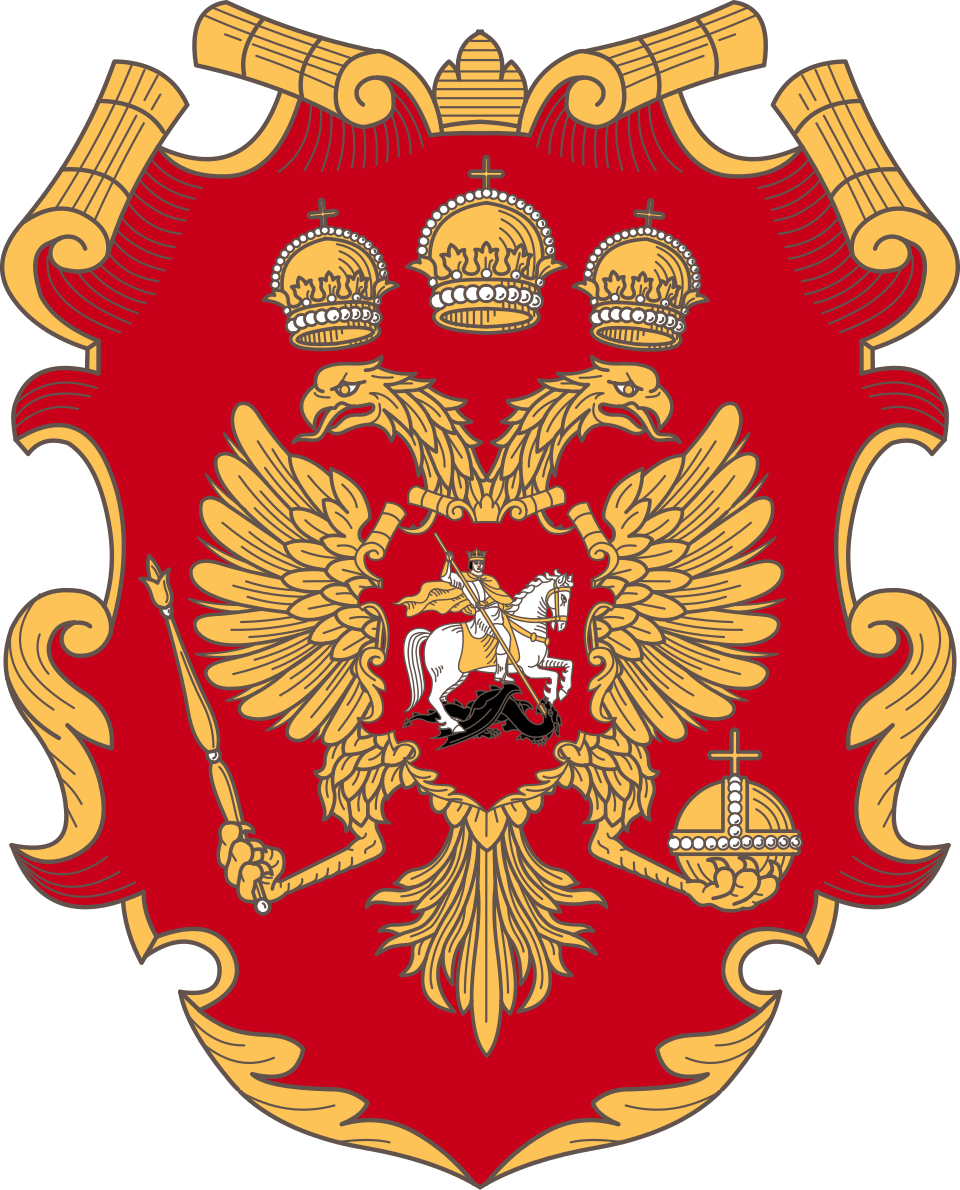
1549 - 1684 - Zemsky Sobor / Assembly of the Land (All Facts)
Organization founded by Tsar Ivan IV
Organization which
was essentially Parliament of the Tsardom of Russia's estates of the realm
It was given the task of deciding important measures of state
was made up of representatives of
the old nobility / aristocrats (boyars)
the new (lesser) nobility / aristocrats (living in the towns and districts)
the (Russian Orthodox) church (clergy)
merchants
Organization, which, in its first meeting, Tsar Ivan IV
gave a speech in which
he harked back to his youth when the Boyars
plotted against him
dealt harshly with the gentry and the peasants
warned the Boyars that they would be punished if they did not obey his orders without question
proposed setting up courts to hear complaints against the Boyars
introduced the new Sudebnik law code, dealing with court procedure and criminal laws, and which consisted of 100 articles
In this law code, capital punishment was prescribed for everyone guilty of armed rebellion and conspiracy against the Tsar
Organization which “elected” the Tsars including
Tsar Ivan IV
Boris Godunov
Michael Romanov
1550 - 1720 - Streltsy (All Facts)
Units of Russian firearm infantry that lasted from the Tsardom to the imperial period of Russia
Praetorian Guard of Russia composed of nobles that was founded by Tsar Ivan IV
1565 - 1572 - Oprichnina / Oprichniki (All Facts)
Organization which was essentially a state within the state of Muscovy, which essentially functioned as a political police force, the first in the history of Russia, established by Tsar Ivan IV of Russia
It was essentially a separate administration and court set up to the bidding of Tsar Ivan IV
It oversaw years of absurd denunciations, executions, and terror simply for the sake of terror which shattered Muscovite society at the time
Organization dominated by a private army called the latter namesake, which was its main instrument
This was a select corps of 6,000 men who
wore black uniforms
had badges of a dog’s head and broom, which were symbols of
their doglike devotion to the Tsar
their role in sweeping away treason from the state
Organization which set the precedent for the existence of future political police forces
Organization which heavily persecuted against the Boyars
Organization which carried out the Massacre of Novgorod; they
were ordered by Tsar Ivan IV to savagely destroy Novgorod, as Tsar Ivan IV was pre-empting moves by the feudal lords at the time towards their independence
carried it out because Novgorod was suspected of seeking union with Poland
made it so that Novgorod was devastated as 60K people were killed, many of which were pushed through holes in the ice
Organization which facilitated Tsar Ivan IV’s reign of terror; they were eventually disbanded by him
Cossacks (All Facts)
People-Group that were East Slavic, Eastern Orthodox Christian, and militant
People-Group who originated in the steppes of Ukraine and southern Russia
People-Group who were roving bands of warriors, as much brigands as regular soldiers
They were led by Yermak Timofeyevich when they were hired out as mercenaries by the Stroganov Family of Muscovy (Russia) to conquer Sibir (modern-day Siberia)
1650s - Old Believers (All Facts)
Term used to refer to the numerous religious communities that maintain the old liturgical and ritual practices of the Russian Orthodox Church, as they were before the reforms of Patriarch Nikon of Moscow during the Russian Orthodox Church Schism / Raskol
They were a sect within Russia that was founded by Avvakum during the Russian Orthodox Church Schism / Raskol
Along with Avvakum, thousands of them were hanged as a result of their dissent
They revised Russian church ritual and liturgy in accordance with Greek practice and were regarded as schismatics by the Russian Orthodox Church by the time of Tsar Peter
1687 - Slavic Greek Latin Academy (All Facts)
First (public) institution of higher education established in the history of Russia during the reign of Tsar Peter
It was established in a gesture of reconciliation between church leaders who were open to western ideas and those who thought those western ideas to be dangerous
1705 / 1755 - Moscow University (All Facts)
1721 - 1917 - Most Holy Synod (All Facts)
Highest governing body of the Russian Orthodox Church which replaced the Patriarchate of Moscow established by Tsar Peter
Its institution coincided with steps taken against the sect of the “Old Believers,” who objected to the revision of Russian church ritual and liturgy in accordance with Greek practice and were regarded as schismatics by the Russian Orthodox Church