common british plants
 Call Kai
 Learn
 Practice Test
 Spaced Repetition
 Match
 Flashcards
 Knowt Play
1/9

There's no tags or description
Looks like no tags are added yet.
10 Terms

B
English bluebell (hyacinthoides non - scripta)
UK is home to almost half the worlds population of native bluebells

Common foxglove ( Digitalis purpúrea)
The plant contains digitalis, a chemical extracted to manufacture vital heart medications that regulate heartbeat

Wild garlic ( Allium ursinum )
The entire plant is edible, leaves can be used to make wild garlic pesto or soup
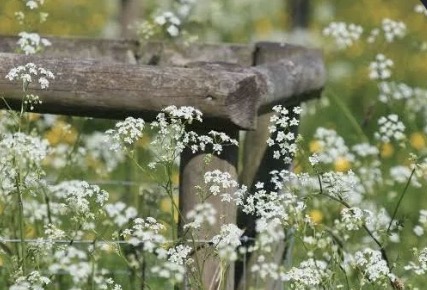
Cow Parsley (Anthriscus Sylvestris)
Cow Parsley belongs to the same plant family as carrots, celery, and parsnips

Primrose (primula vulgaris)
The name comes from the Latin prima rosa, meaning “first rose” because it is one of the very first flowers to bloom after winter

Stinging nettle (urtica dioica)
The stinging sensation is caused by microscopic glass like needles on the leaves that inject Formic acid and histamine into the skin

Common poppy (papaver rhoeas)
Poppy seeds can lie dormant in the soil for decades without germinating, but during WW1 heavy artillery bombardment disturbed the soil of the battlefields in Flanders, causing dormant poppy seeds to sprout and bloom into a sea of red flowers.

Oxeye daisy (leucanthemum vulgare)
In folklore, people use the flower to play he loves me he loves me not

Red campion (silene dioica)
It’s flowers are dioecious so the male flowers produce pollen and the female flowers form seed pods

Hawthorne/ may-tree (crataegus monogyna)
The only British plant named after the month in which it blooms, hence the name MAY- tree