research methods (psychology)
 Call Kai
 Learn
 Practice Test
 Spaced Repetition
 Match
 Flashcards
 Knowt Play
1/161

There's no tags or description
Looks like no tags are added yet.
162 Terms
what are the 4 types of experiments
lab
field
natural
quasi
evaluation of lab experiments (causation)
by controlling all variables, researchers are able to establish cause and effect between manipulation in the IV and the difference in the DV due to standardisation
define lab experiment
an experiment that takes place in a controlled environment the researcher manipulates the IV and records the effect on the DV
evaluation of lab experiments (lack of ecological validity)
findings from the lab study can not be applied to a range of real world situations because they fail to represent everyday behaviours
pp's may also alter their behaviour to demand characteristics to match the aim of the study
define field experiment
an experiment that takes place in a natural setting to avoid artificiality. the researcher manipulates the IV and records the effect on the DV
evaluation of field experiments (high ecological validity)
pp's behave more naturally in their normal environment, making it more likely any behaviour observed can be applied to other natural settings
also likely to have mundane realism
evaluation of field experiments (extraneous variables)
field experiments lack control over extraneous variables that could influence the DV, therefore the ability to assume the IV had a direct influence on the DV Is reduced
define natural experiment
a study that uses a naturally occurring IV and the researcher measures the change in the DV
evaluation of natural experiments (high external validity)
natural experiments are an example of real behaviour occurring in the real world, free of demand characteristics
evaluation of natural experiments (lack of replicability)
natural experiments are influenced by extraneous variables, and due to a lack of control over them, the study lacks replicability, thus reliability cant be tested
define quasi experiment
an experiment where the IV is naturally occurring (innate) and the DV is measured
evaluation of quasi experiments (high external validity)
they often involve real-world studies of pre existing characteristics instead of artificial laboratory settings
evaluation of quasi experiments (confounding variables)
there may be variables influences both the dependent variable and independent variable making it difficult to establish cause and effect
define an observation
researcher watches and record behaviour of pp's
what are the types of observational techniques
natural
controlled
overt
covert
participant
non-participant
define a controlled observation
aspects of the environment are controlled to give all pp's the same experience. often conducted in a lab
give an example of a controlled observation
ainsworth's strange situation
evaluation of a controlled observation (standardisation)
controlling the environment gives all pp's the same experience and also reduces the chance that extraneous variables are responsible for observed behaviour, increasing reliability
define naturalistic observation
observing and recording behaviour in naturally occurring situations without manipulation. eg, school and home
evaluation of a controlled observation (artificial)
because controlled observations are done in a lab, they lack mundane realism, due to it not being representative of real life. this may result in DC and unnatural behaviour
give an example of a naturalistic observation
Schaffer and Emerson in Glasgow
evaluation of naturalistic observations (high realism)
pp's are more likely to behave naturally and not artificially which increases generalisability to other natural environments
evaluation of naturalistic observations (extraneous variables)
uncontrolled extraneous baubles means that other variables may be responsible for the behaviour resulting In lower internal validity
define overt observation
participants can see the observer and aware they are being researched
evaluation of of overt observations (ethical issues)
pp's have given informed consent which follows the BSP guidelines making the research ethically sound
evaluation of of overt observations (demand characteristics)
if pp's know they're being observed, they may try to show behaviour they think the researcher wants to see, or social desirability bias to 'look good'
define covert observations
pp's are not aware that they are being observed
evaluation of covert observations (lack of demand characteristics)
because pp's are unaware that they're being observed, they are more likely to show natural increasing the ecological validity of the study
evaluation of covert observations (ethical issues)
pp's are unaware they're being observed, an infringement of their privacy. as well as this, they have not given informed consent to be researched
define participant observation
the observer becomes a participant in the group being observed
evaluation of participant observations (rapport)
the researcher can build rapport with the pp's so trust and confidence may be established leading to the pp's behaving more naturally and disclosing more
evaluation of participant observations (investigator effects)
if the pp's are aware they're being observed by a researcher, they may alter their behaviour so they look better or to meet the aims, producing un natural behaviours
define non participant observations
researcher is separate from the pp's, recording their behaviours without taking part
evaluation of non participant observations (lack of investigator effects)
because the researcher is not visible and pp's are unaware they're being observed, they're more likely to act naturally
evaluation of non participant observations (lack of proximity)
due to a lack of proximity the researcher might overlook or miss behaviours of interest
define observational design
the choice of behaviours to record and how they are measured
define operationalised behavioural categories
behaviours need to be clearly identified and measurable. eg, aggression= punches thrown
define time sampling
researcher records relevant behaviours at set points. eg, every 15 seconds
evaluation of time sampling (flexibility)
allows the researcher flexibility to record behaviour and has the opportunity to record unexpected behaviours
evaluation of time sampling (missed behaviours)
behaviours that may be relevant but are not in the time frame may be missed and produce unrepresentative data
define event sampling
a behaviour/event is recorded every time it occurs
evaluation of event sampling (
evaluation of event sampling (missed behaviours)
behaviours that are not on the categorised list are not recorded, which means relevant behaviours could be missed
explain inter rater reliability
two or more trained observers conduct the same observation to sure the reliability of the observation
explain the 5 steps of inter rater reliability
both observers must agree on the list of behaviour categories
the observation is conducted separately by each observer
they compare the two independent data sets and test the correlation using a statistical test (e.g. Spearman's Rho)
this produces a correlation coefficient result
to be considered a good/high level of inter-rater reliability, it must pass a threshold of +0.8 or 80% consistency
what is a self report technique
when pp's are asked to provide information about themselves. eg, emotions, beliefs
define an interview
pp's are asked questions from the researcher and answer them. two types, structured and unstructured
define a questionnaire
pp's are sent a set of question which they answer. two types, open and closed questionaries
define an open questionnaire
questions are phrased so pp's can answer however they want. no restrictions. produces qualitative data
evaluation of an open questionnaire (increased validity)
because pp's have freedom to answer however they want, they more likely to give more accurate answers back
evaluation of an open questionnaire (difficult to analyse)
because the data is qualitative, analysis of it is difficult and time consuming and can often be biassed when analysing
define a closed questionnaire
questions are phrased that limits pp's responses to fixed options. eg, yes, no, maybe. produces quantitative data
evaluation of a closed questionnaire (easy to analyse/compare)
because the data set is often large, and closed questionnaires produce quantitative data, analysis can be quick and easy allowing for comparisons to be made
evaluation of a closed questionnaire (lacks validity)
because pp's have to answer from a fixed set of options, it may not accurately capture their true response, limiting the validity
what are important considerations when designing an interview/questionnaire
avoid complex terminology
avoid leading questions
include pilot questionaries/interveiws
include filler questions
define a structured interview
researcher asks a pre-reaped set of closed questions to pp's/ produces quantitative data
evaluation of structured interviews (easy to compare)
because all pp's are asked the sam questions, the researcher can easily compare responses between pp's
evaluation of structured interviews (shallow data)
the structure of the interview means the interviewer can't probe and ask further questions, so the data isn't as rich
define an unstructured interview
there is no setlist of questions, so researcher can ask whatever they like, like a conversation. produces qualitative data
evaluation of an unstructured interview (established rapport)
because this is similar to a conversation, the researcher can create a relationship with the pp's so they feel more conformable to answer allowing for deeper results
evaluation of an unstructured interview (hard to compare)
because all questions are different and follow no set order, it makes it difficult to compare results across pp's
define a semi structured interview
combination of prepared and unprepared questions
evaluation of a semistructured interview (easy to compare)
because the same questions are used, results are easily comparable
evaluation of a semistructured interview (needs a highly trained interviewer)
because the interviewer has to think of questions in the moment, they need to be highly trained which can be costly
define a correlation
the relationship between two or more variables

explain the difference between a correlation and an experiment
experiments involve the manipulation of an IV and a measurement of the DV upon the change. whereas, a correlation, no variables are manipulated, they're just measured to look for a relationship
what is used to plot a correlation
scattergram
explain what a positive correlation shows
as one variable increases, so does the other variable
explain what a negative correlation shows
as one variable increases, the other decreases
explain what a zero correlation shows
there is no relationship between the two co-variables
what does the correlation co-efficient measure
the strength and the direction of the relationship between the co-variables as a number between -1 to +1
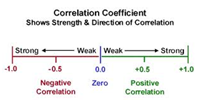
what method of statistical tests are used to measure correlation coefficients
spearmint rho or Pearsons
evaluation of correlations (no causation)
correlations only highlight the relationship/strength of a relationship between two variables. but they don't explain whether one change in variable is the direct cause of the other variable
evaluation of correlations (highlight possible relationships)
correlational studies can highlight possible relationships between variables which can them prompt experiments establishing cause and effect
define test retest reliability
conducting the study again using the same sample and comparing the two sets of data
define interrater reliability
a second individual also completes the study with the same set of data and same behavioural categories. then data sets are compared
define a case study
an observation technique in which one person is studied in depth in the hope of revealing universal principles
examples of case studies
Phineas Gage
Clive wearing
HM
define an aim
a question or statement about what the researcher intends to research
define a hypothesis
a precise, testable statement including the IV and DV
define a null hypothesis
there is no difference between the DV and change in IV
define an alternative hypothesis
there is a relationship between a change in IV and DV
define a direction hypothesis
states there is a difference and says the direction the results will go
define a non directional hypothesis
states there is a difference but doesn't say the direction the results will go
list the 5 types of sampling in psychological research
systematic
stratified
opportunity
volunteering
random
define random sampling
each member of the target population has an equal chance of being picked for the sample
explain how to conduct a random sample
researcher needs a full list of the target population
all names are put into a container
all number of names are equal to the sample required
the computer randomly pulls out the names
evaluation of random sampling (no researcher bias)
because the researcher cant choose the pp's they want for the sample, they avoid picking pp's they want for a desired result
evaluation of random sampling (unrepresentative)
pp's could be picked that produce an unrepresentative sample, thus not reflecting the population eg, not enough boys
define systematic sampling
every nth item in the population is chosen as part of the sample. eg, every 5th person
explain how to conduct a systematic sample
researcher needs a full list of the target population
the researcher researcher selects every nth person until the sample is chosen
evaluation of systematic sampling (lack of researcher bias)
the researcher cant choose the participants they want in their sample
evaluation of systematic sampling (unrepresentative)
selecting every nth person may not be representative of the population. eg, every fourth person in the list was male, you would have only males in your sample
define opportunity sample
researcher asks available members of the target population to take part
evaluation of opportunity sampling (quick)
reduces the time it takes to select sample as its quick and done based off availability also reducing costs
evaluation of opportunity sampling (researcher bias)
because the researcher decides who takes part, they may select pp's who they feel are likely to give a desired result
define volunteer sampling
participants self-select to take part in the study, likely through an ad or newspaper
evaluation of volunteer sampling (quick and easy)
pp's do not have to waste time looking for pp's, because advertising reaches a wide range of people, It can reach a wider audience so the researcher doesn't have to waste time looking for pp's
evaluation of volunteer sampling (unrepresentative)
tose who respond to the call for volunteers may all display similar characteristics, reducing generalisability
define stratified sampling
stratifies the target group into sections, each showing a key characteristic which should be present in the final sample
then each of those sections is sampled individually
the sample thus created should contain members from each key characteristic in a proportion representative of the target population