AST Lec 06: Newton's Laws
 Call Kai
 Learn
 Practice Test
 Spaced Repetition
 Match
 Flashcards
 Knowt Play
1/23

There's no tags or description
Looks like no tags are added yet.
24 Terms
When, in the highly eccentric orbit of a comet, is the speed of the comet the greatest?
When the comet is closest to the sun
What were Isaac Newton’s contributions to our understanding of planetary orbits?
The 3 Laws of Motion and the Universal Law of Gravity
“The rate of change of position, e.g. the car is travelling 60km/h”
Speed
“The speed and direction of a moving object, e.g. the car is going due North at 60km/h”
Velocity
“The rate of change of velocity, e.g. the car, travelling in a straight line, changes speed from 0km/h to 100km/h in 9 seconds”
Acceleration
Which one of these is NOT an example of acceleration?
A star travels through space at 156,000km/h
What is Newton’s First Law?
An object in motion remains in motion unless acted upon by an outside force
“An object in motion remains in motion unless acted upon by an outside force.”
Newton’s First Law
What is Newton’s Second Law?
Acceleration is proportional to force and inversely proportional to mass
“Acceleration is proportional to force and inversely proportional to mass.”
Newton’s Second Law
What is Newton’s Third Law?
For every force, there is always an equal and opposite reaction force.
“For every force there is always an equal and opposite reaction force.”
Newton’s Third Law
According to Newton’s Laws, why does a ball on a flat surface roll to a stop?
A force called friction acts on the ball, causing it to stop
An astronaut, deep in interstellar space, pushes herself away from her large spacecraft. What happens to her and to the spacecraft?
She and the spacecraft move apart, she more quickly than the spacecraft
“Mass times velocity. In a closed system, the sum of everything’s _____ is conserved.”
Momentum
“Mass times velocity times distance. In a closed system, the sum of everything’s _______ is conserved. This explains Kepler’s 3rd Law.”
Angular Momentum
How does Angular Momentum explain Kepler’s 3rd Law (that an object in orbit moves faster when nearer to the sun)?
When the distance from the sun is large, speed is small. When the distance is small, speed is large.
“There is a force between any two objects in the Universe; the force is proportional to the product of the masses of each object, and the force is inversely proportional to the square of the distance.”
Universal Law of Gravitation
Which of these is NOT part of Newton’s Universal Law of Gravitation?
Acceleration is proportional to force and inversely proportional to mass
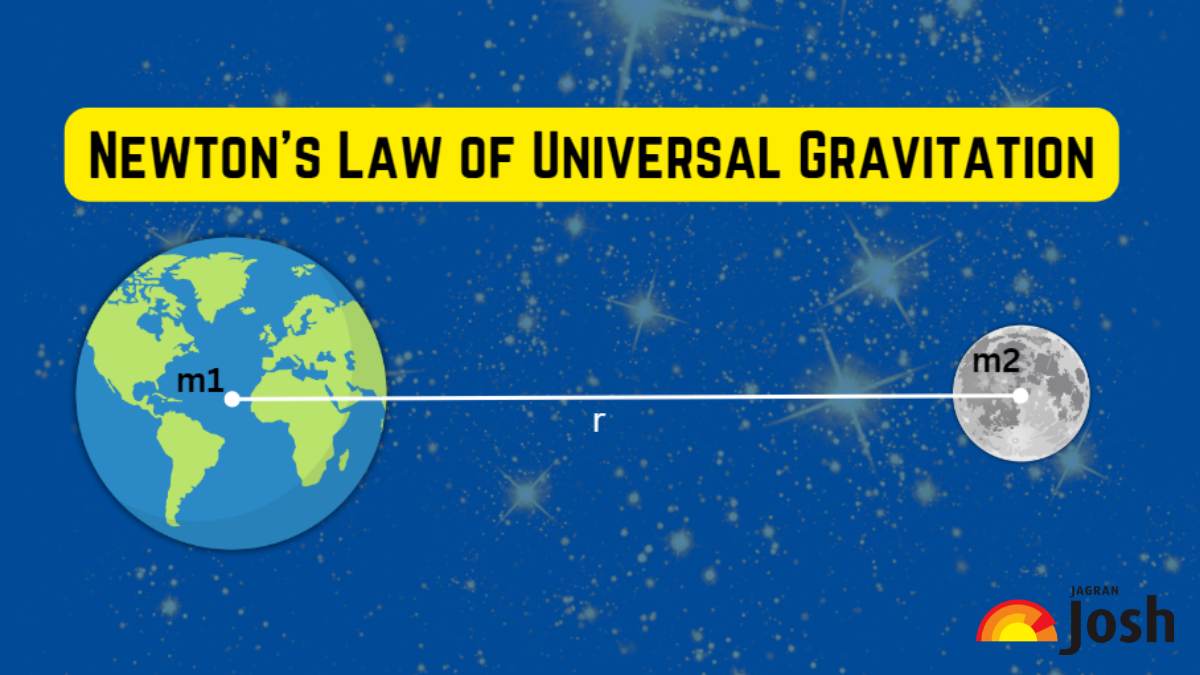
According to Newton’s Universal Law of Gravitation, what happens if you double the mass of either object?
You double the force
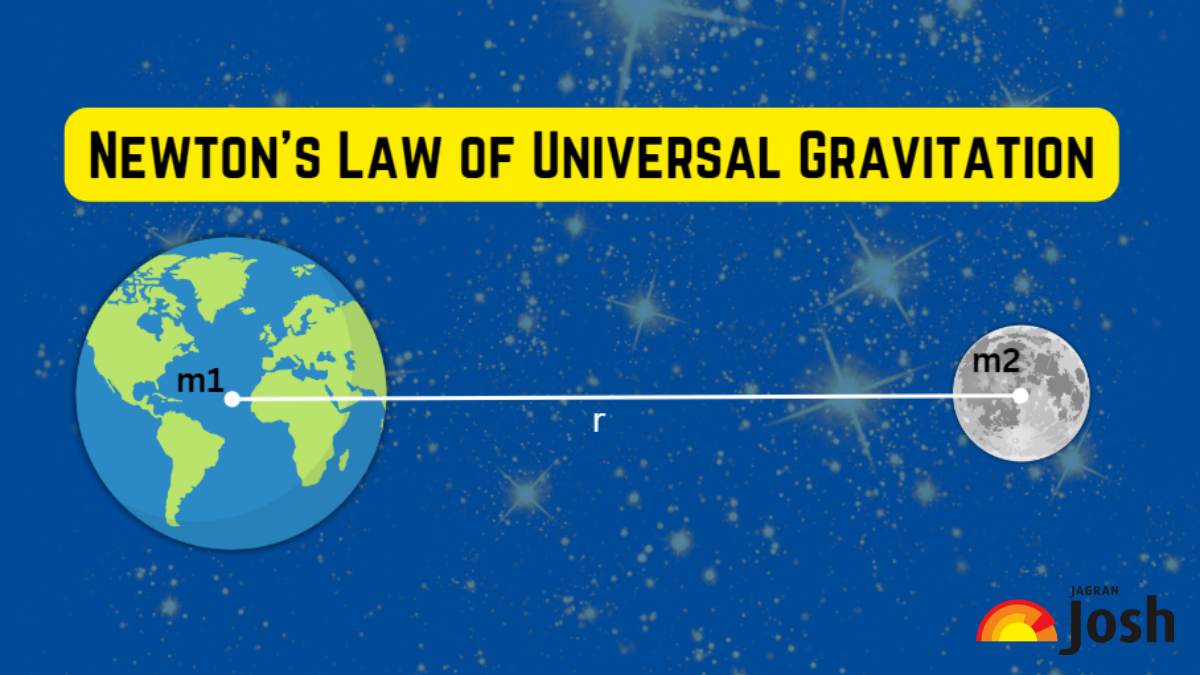
According to Newton’s Universal Law of Gravitation, what happens if you half the mass of either object?
You half the force
According to Newton’s Universal Law of Gravitation, what happens if you double the distance?
You reduce the force by a factor of 2×2 = 4
According to Newton’s Universal Law of Gravitation, what happens if you half the distance?
You increase the force by a factor of 2×2 = 4
The state where the only force acting on an object is gravity
Freefall