#6 Lipoprotein particles
 Call Kai
 Learn
Learn Practice Test
 Spaced Repetition
 Match
Match Flashcards
 Knowt Play
1/24

There's no tags or description
Looks like no tags are added yet.
Name | Mastery | Learn | Test | Matching | Spaced | Call with Kai | Chat |
|---|
No analytics yet
Send a link to your students to track their progress
25 Terms
How are cholesterol and TAGs transported?
Via lipoprotein particles (LPPs) which have a core of hydrophobic lipids, surrounds by a SINGLE phosophlipid layer with special lipoproteins
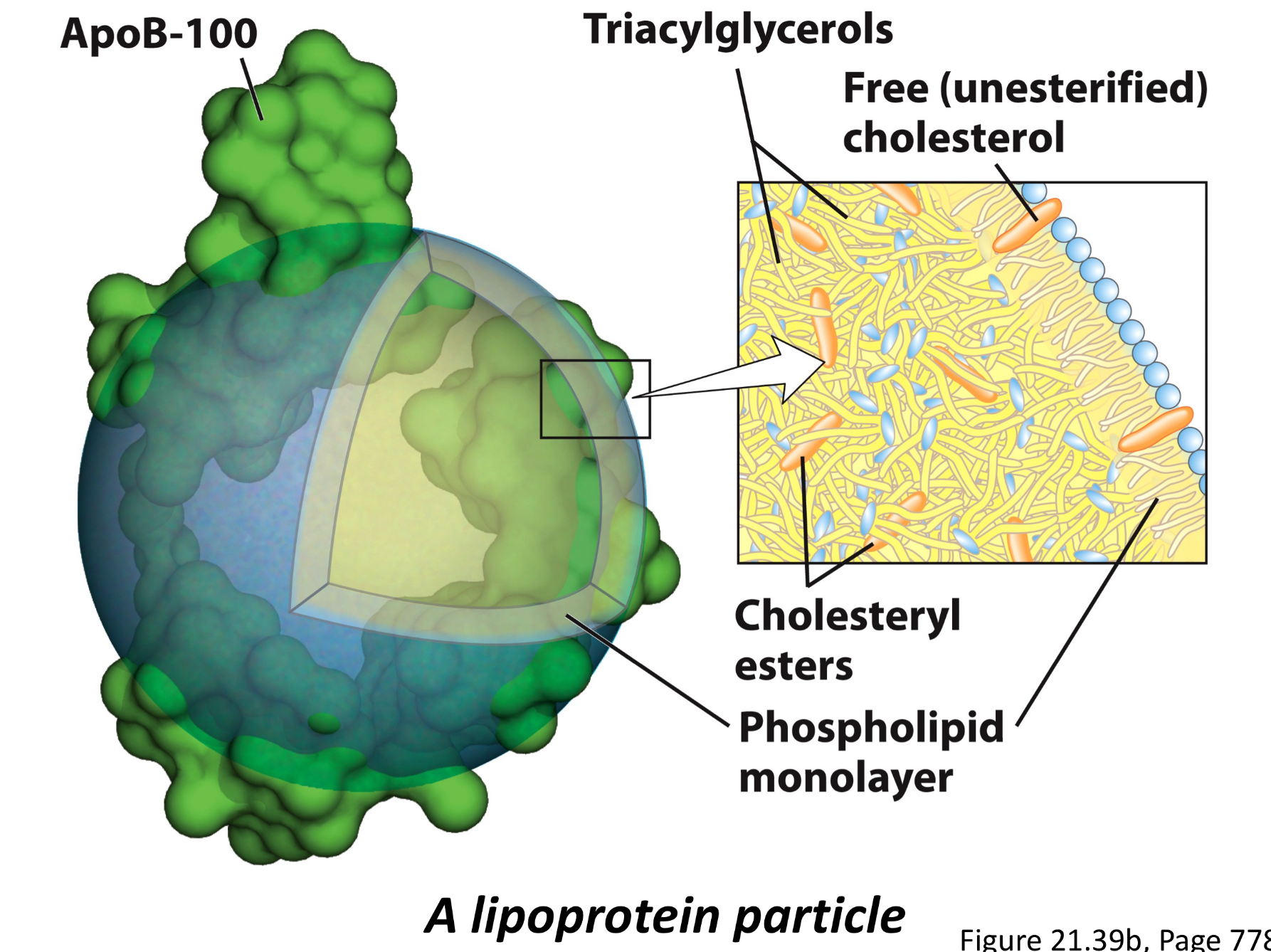
What are the types of LPPs?
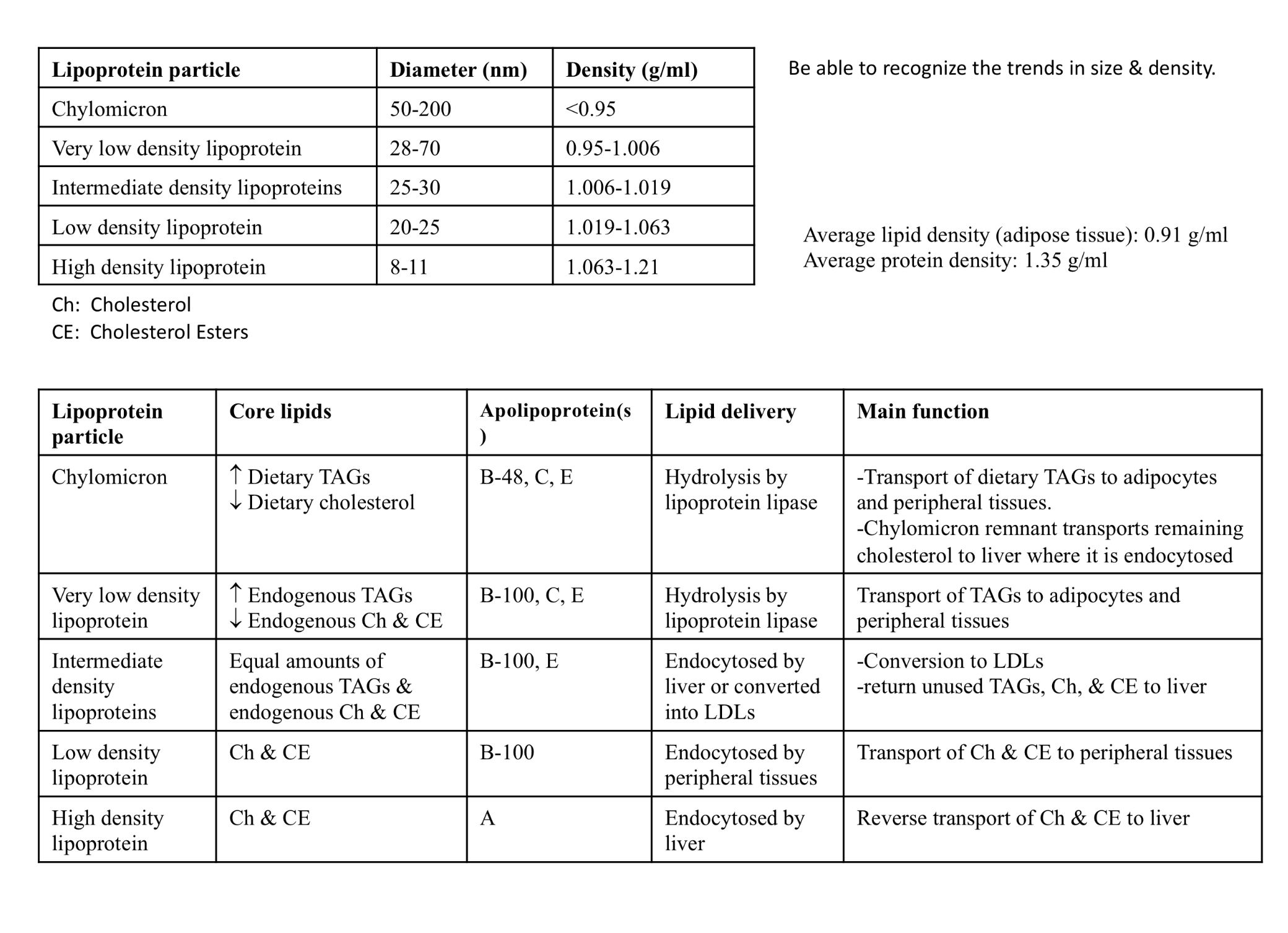
5 major types which differ in size, density, and contents
From largest/lowest density: Chylomicron, VLDL, IDL, LDL, HDL
How are dietary TAGs (+ cholesterol) transported?
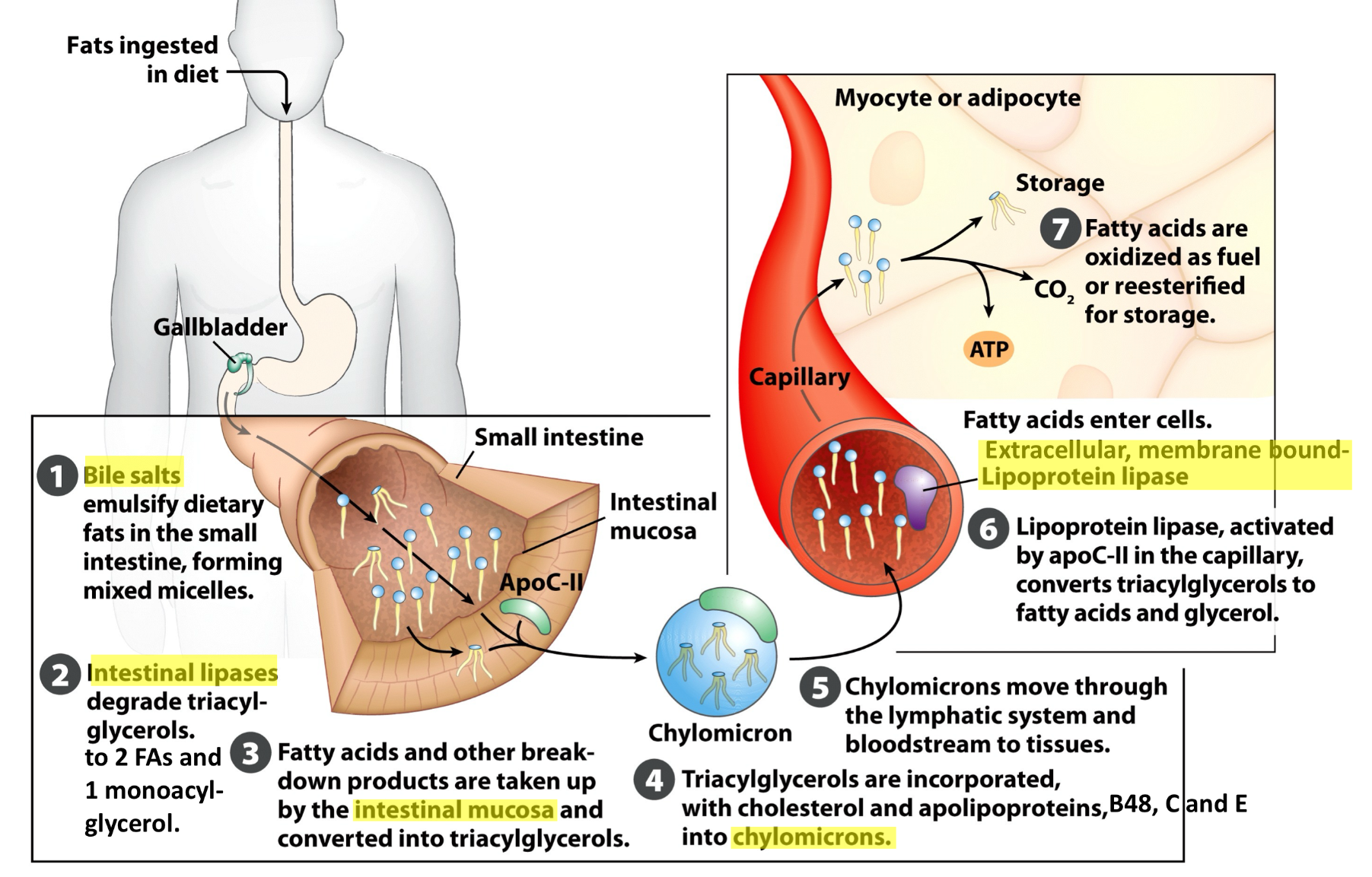
Complex process where lipids are absorbed in intestines, then are turned into chylomicrons and travel through the lymphatic system into the bloodstream and tissues (7ish steps)
TAG digestion Step 1
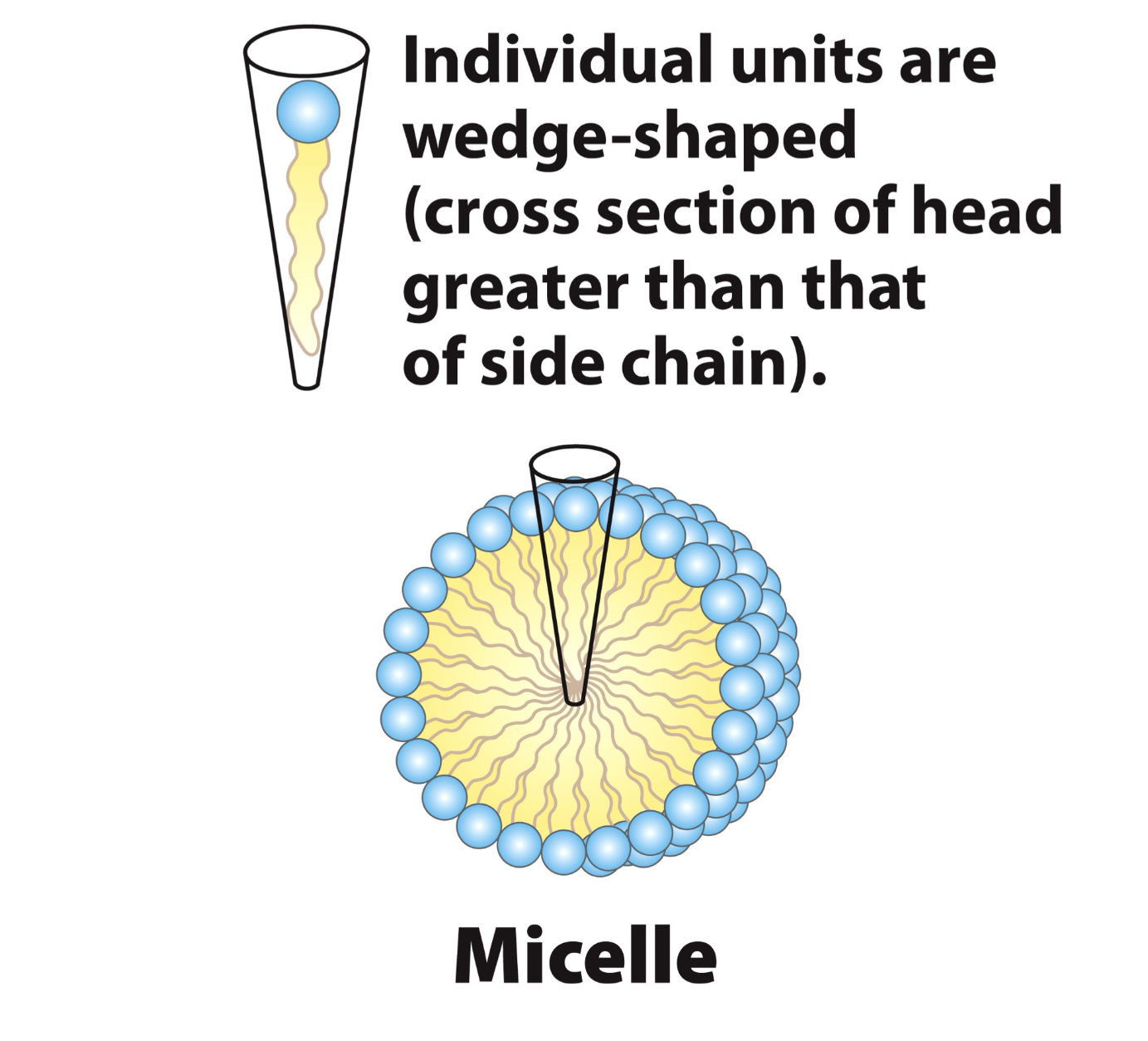
Lipids travel to intestines where bile salts emulsify TAGs, cholesterol, and phospholipids into a MIXED micelle, (basically breaking up fat into small droplets)
TAG digestion step 2
Intestinal lipases cleave TAG into 2 FAs and a 2-monoacylglycerol (MAG), basically removing the 2 outer FA chains
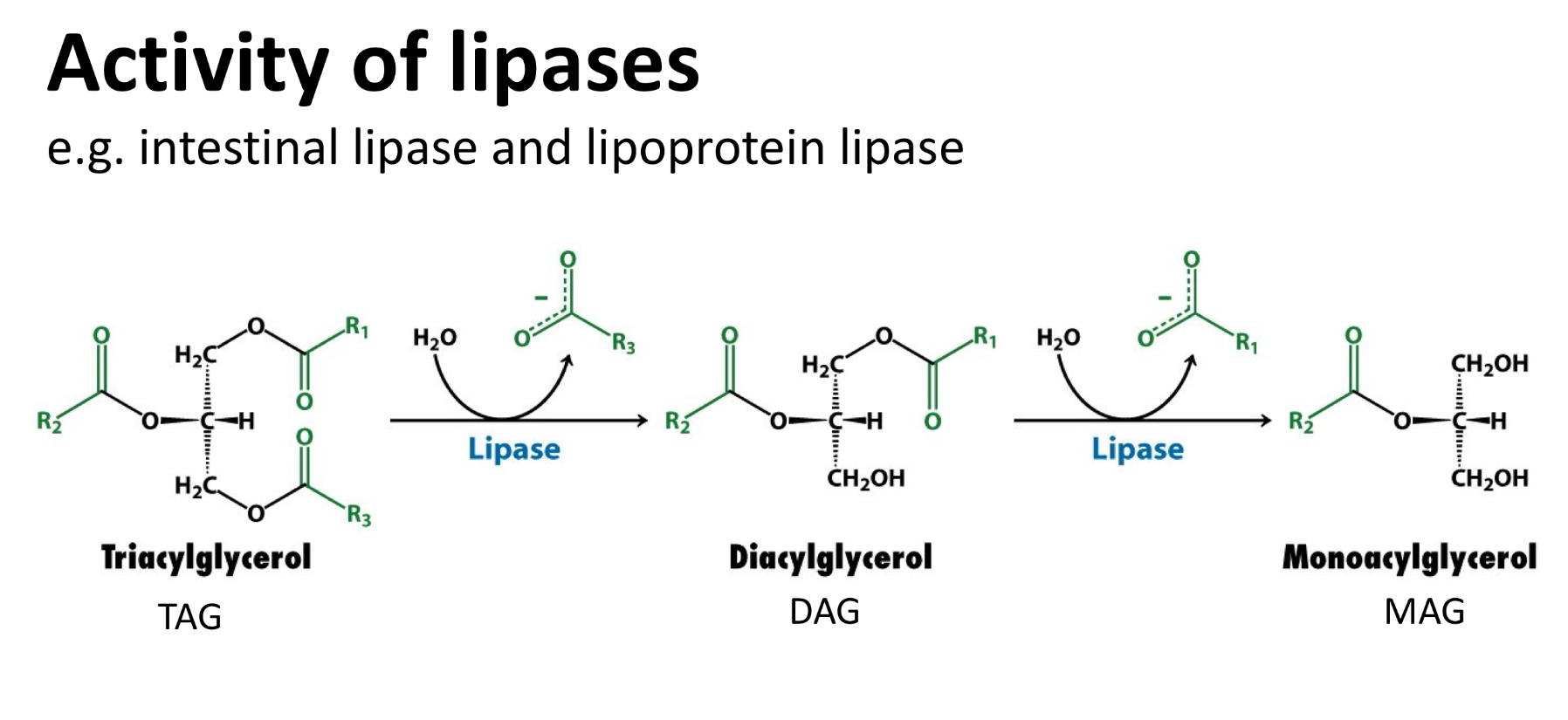
TAG digestion step 3
MAGs, FAs, and cholesterol absorbed into intestine mucosal cells
TAGs are REFORMED from MAGs and FA after inside cells
TAG digestion step 4
Cholesterol + CE, TAGs, phospholipids, and apolipoproteins form a chylomicron (largest and lowest density LPP containing primarily TAGs with small amount of CE)
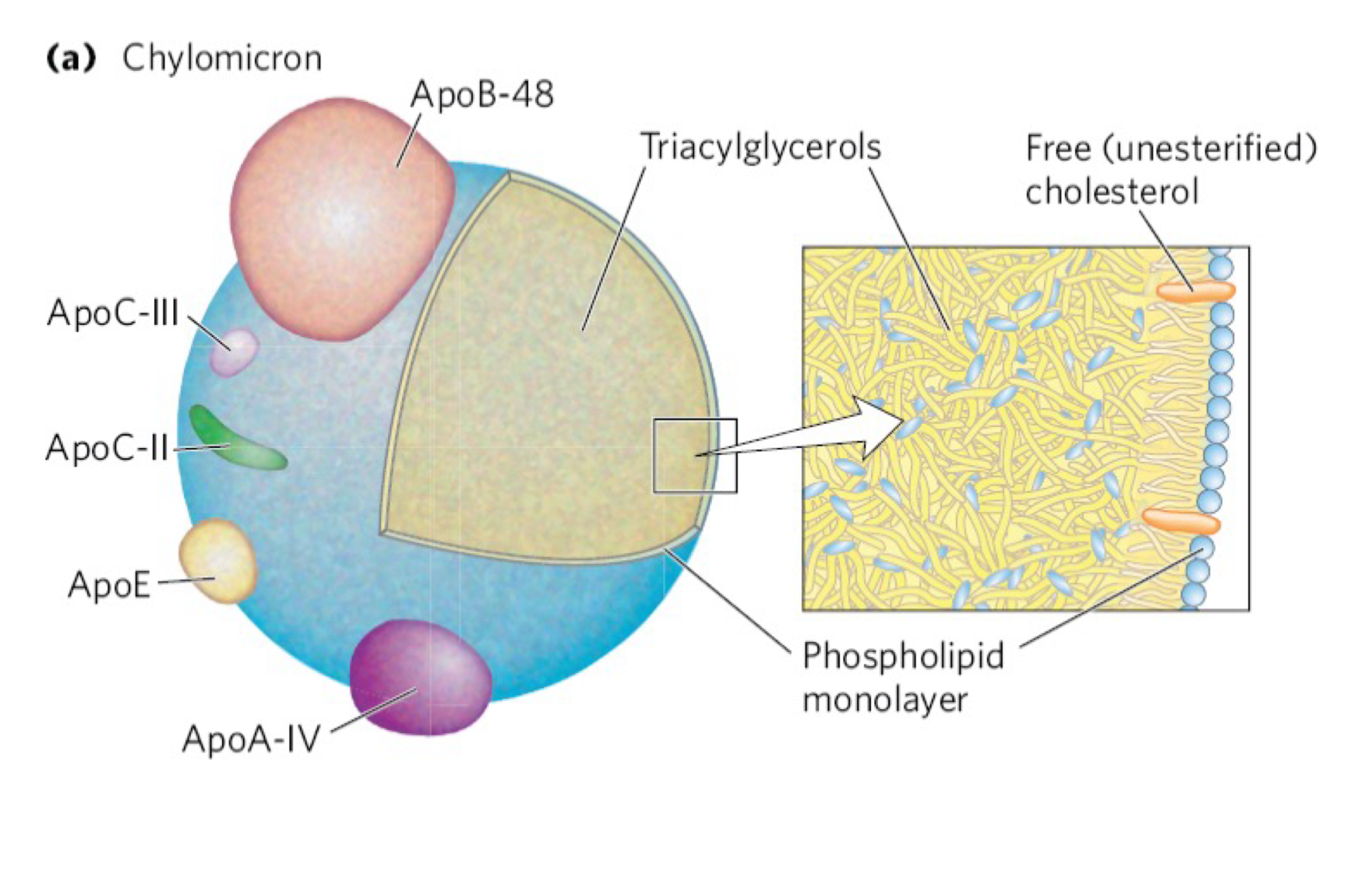
TAG digestion step 5
Chylomicron secreted into lymph systems and travel into the bloodstream, lipoproteins direct them to specific destination, otherwise they would just travel in blood endlessly
TAG digestion step 6
Some chylomicrons go to adipocytes (also muscles and peripheral tissues) where extracellular lipoprotein lipase (LPL) cleaves TAGs into free FAs and MAGs
TAG digestion step 7
Free FAs and MAGs are taken up by cells and either stored as TAGs (adipocytes), or consumed (peripheral cells), chylomicron remnent removed by liver via receptor mediated endocytosis (Apo E)
How are FA transported from adipocytes?
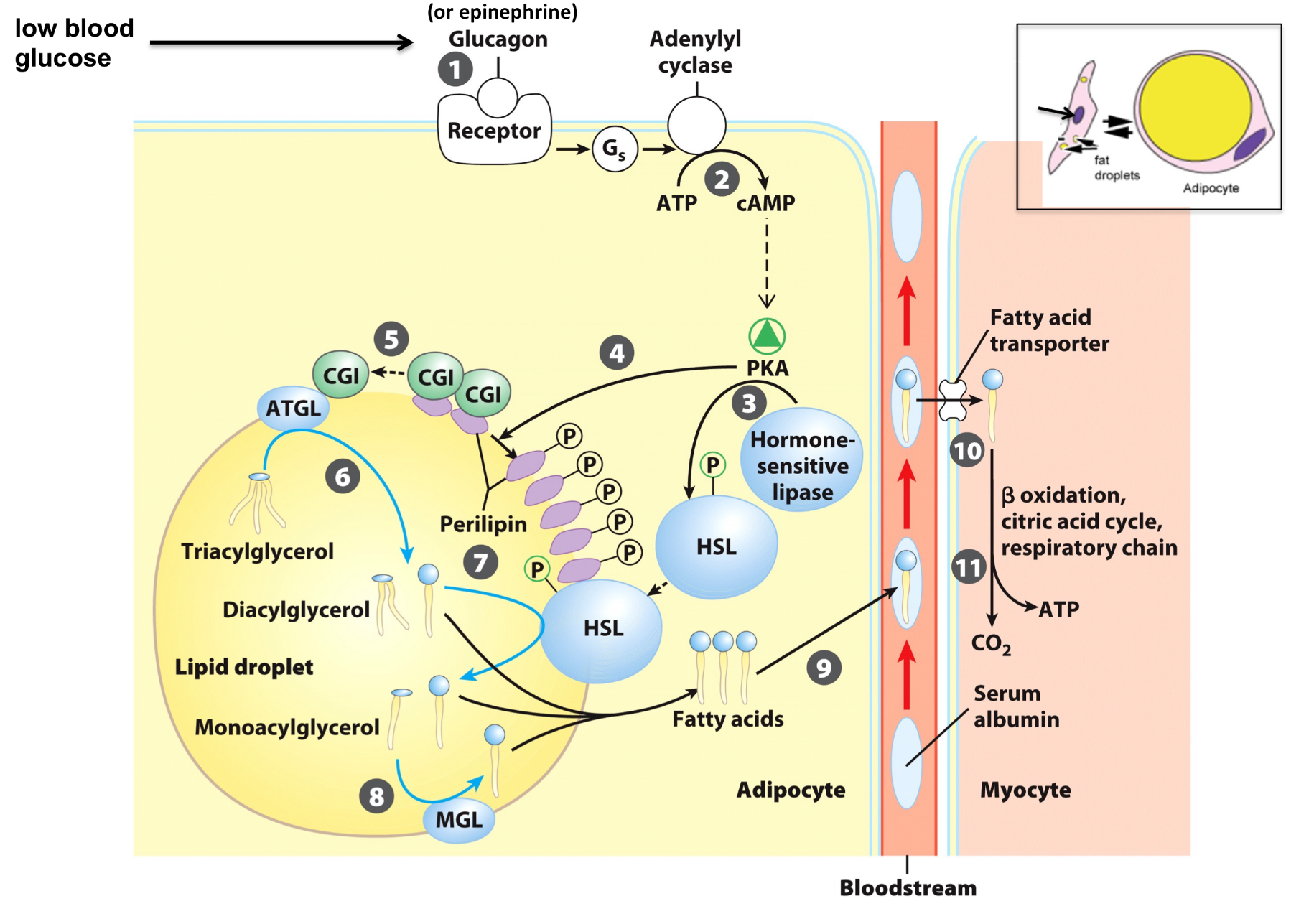
Glucagon (+ epinephrine) stimulate cAMP cascade in adipocytes which causes HSL (hormone sensitive lipase) to hydrolyze TAGs and FAs are released into the blood where albumin carries them to tissues
How are TAGs and cholesterol initially transported from liver?
Liver produces VLDLs to move TAGs, cholesterol + CEs through the body until they encounter lipoprotein lipase (LPL) which hydrolyzes TAGs
What happens to VLDLs after losing TAGs from LPL?
VLDLs then turn into IDLs (intermediate) which have Apo B-100 and Apo E, and half go back to the liver via endocytosis while the other half lose even more of their TAGs
What happens to IDLs after losing more TAGs?
IDLs turn into LDLs (low density) which are very rich in cholesterol + CEs and are the main form of transport and circulate throughout blood (only have Apo B-100 now)
What happens to LDLs in the bloodstream?
LDLs encounter LDL receptors which are expressed when cells need cholesterol, LDL receptors bind to Apo B-100 and LDL internalized by endocytosis. CEs converted back to cholesterol to produce FAs and cells can convert back using ACAT to get rid of excess cholesterol
Excess LDLs in blood can be taken up by the liver
How does the liver regulate cholesterol levels?
Control activity of HMG-CoA reductase [], phosphorylation
High [cholesterol] promotes ACAT activity
Some cholesterol in liver is excreted as bile salts
How do non-liver cells regulate cholesterol?
High [cholesterol] results in decreased expression of LDL receptor and increased ACAT activity (ALL CELLS have ACAT)
Cells CANNOT break down cholesterol
High density lipoprotein particles HDLs are used by non-liver cells to remove cholesterol
What are HDLs?
HDLs (high density) the smallest and most dense LPPs with mostly cholesterol + CEs, also contain Apo A + LCAT
Liver releases empty disk shaped HPLs which pick up cholesterol from cells, LPPs, and blood which mature and turn spherical. CEs made by LCAT and mature HDLs taken up by liver
How can cholesterol cause cardiovascular disease (CVD)?
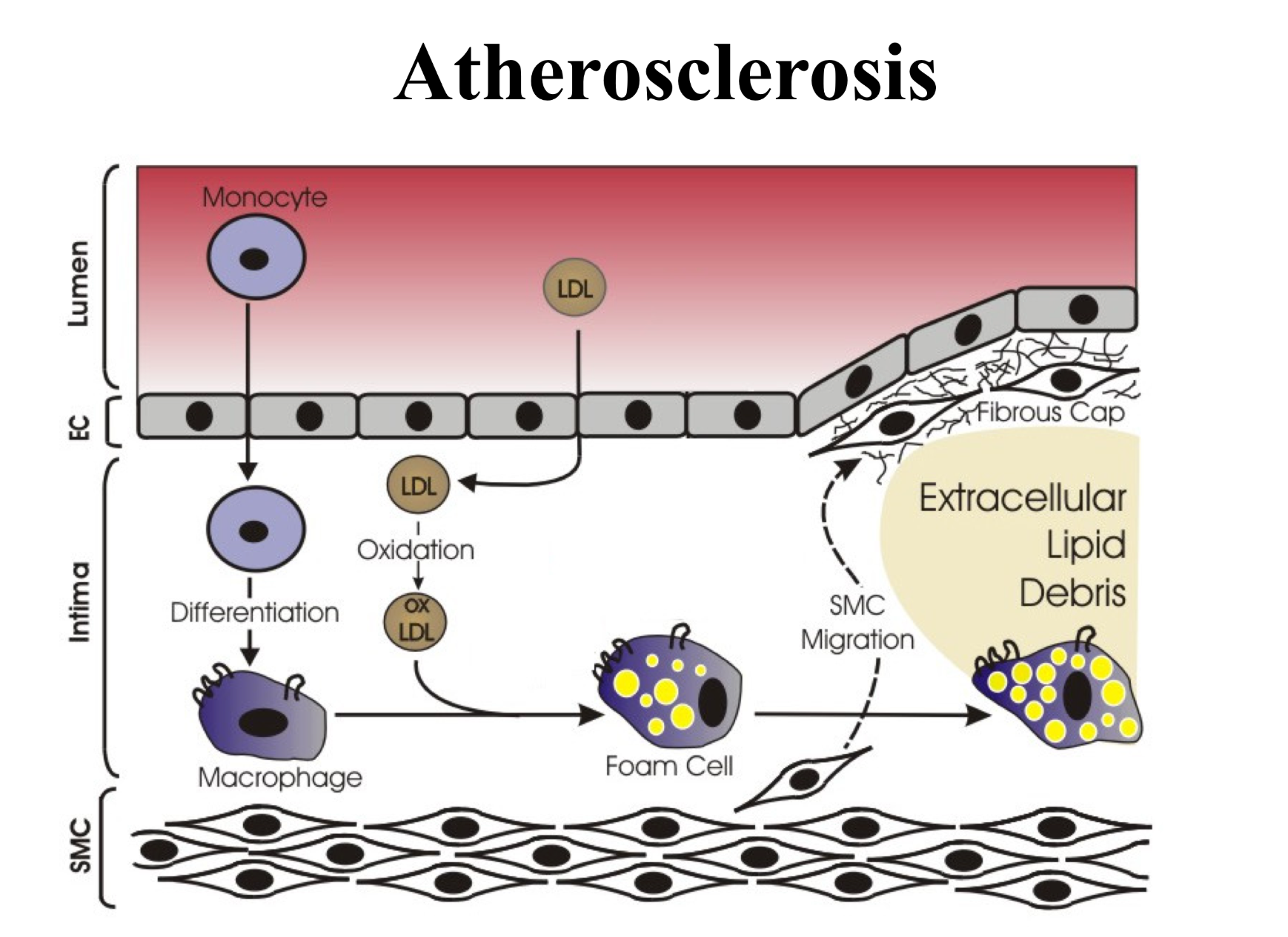
With excess cholesterol input, more LDLs/cholesterol in the blood, LDLs circulate bloodstream for awhile and CEs auto-oxidize by ROS.
This causes immune response by macrophages which cannot break down oxidized CEs, then become foam cells
Foam cells die and deposit contents in the vessel wall which becomes plaque
What happens when plaque builds up?
Causes Atherosclerosis as there is less blood flow, vessel wall hardens
Plaque and rupture and cause thrombosis (blood clotting), dislodged plaque can block downstream arteries/capillaries
Types of Atherosclerosis blockages
Stroke (brain)
Pulmonary embolism (lungs)
Angina/myocardial infraction (chest pain/heart attack)
What are some CVD risk factors?
Genetics, gender, age, diabetes, smoking, obesity, diet, blood pressure
Normal blood cholesterol levels are 1.5-3mM
What are the ideal cholesterol ratios?
Want more HDL than LDL (HDL considered ‘good cholesterol’ and vice versa)
Normal ratio of HDL/LDL is 0.2-0.5, the higher the ratio the better
Familial Hypercholesterolemia
Genetic disorder causing high LDL and cholesterol lvls in blood, LDL receptor broken or absent meaning LDLs cannot be removed from blood
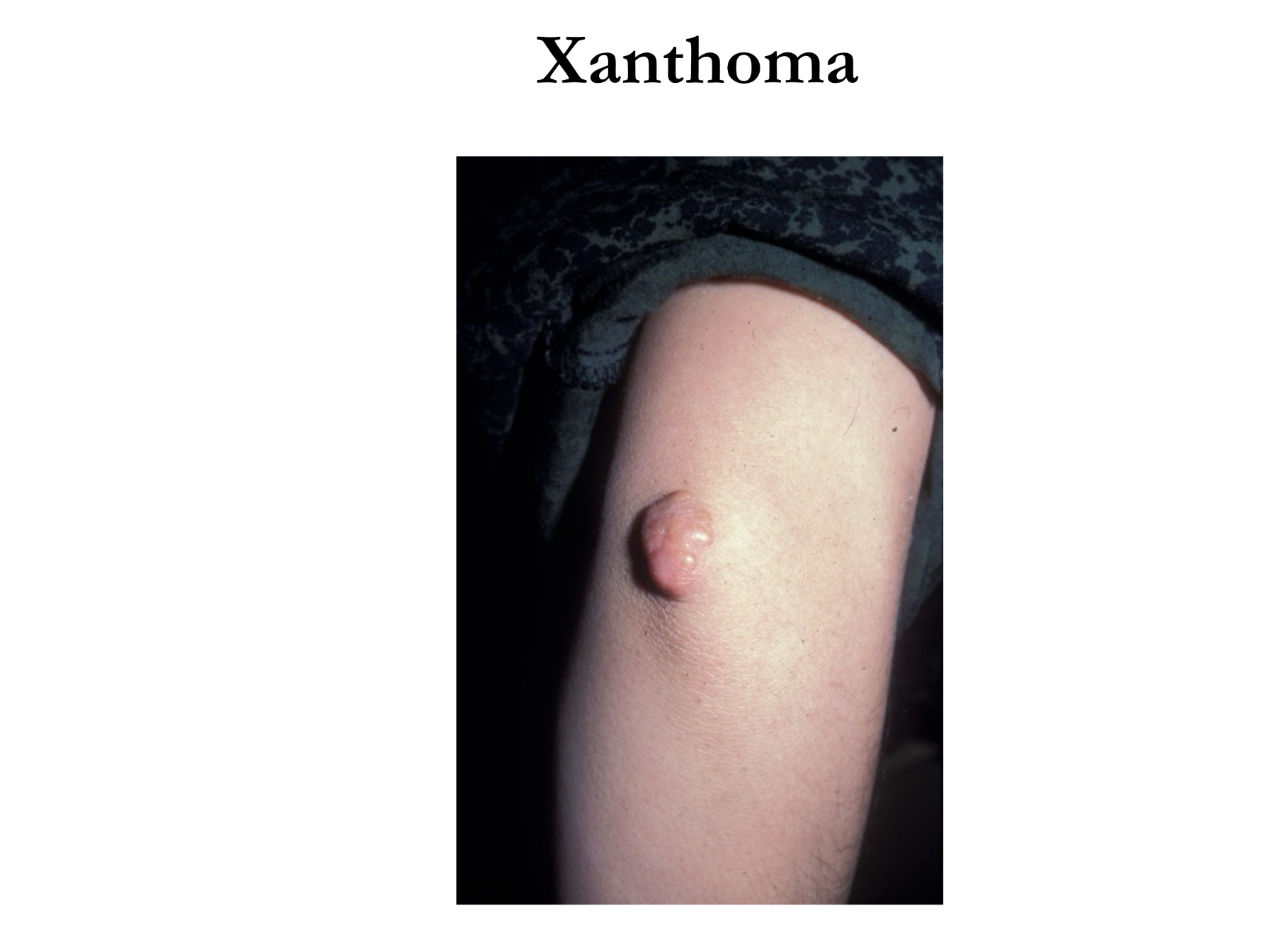
Causes very high risk of atherosclerosis and xanthomas
What are the main ways to treat high cholesterol?
Diet (low cholesterol and SA fats, more soluble fibre)
Exercise (lower body weight means lower LDl)
Drugs (Statins and edible polymers)