Anatomy Test #2
 Call Kai
 Learn
 Practice Test
 Spaced Repetition
 Match
 Flashcards
 Knowt Play
1/64

There's no tags or description
Looks like no tags are added yet.
65 Terms
Frontal Bone
Bone that forms the forehead

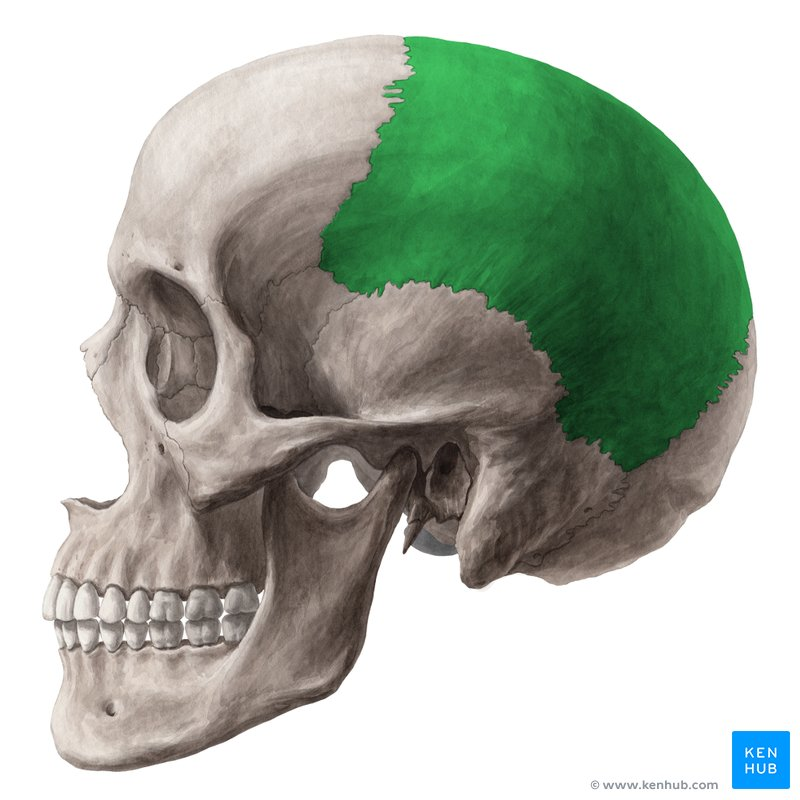
Parietal Bones
two bones that form the top and upper sides of the skull
Temporal Bone
bones on the sides of the skull near the ears

Occipital Bone
bone that forms the back and base of the skull

Sphenoid Bone
Butterfly-shaped bone at the base of the skull, behind the eyes.

Nasal Bone
two small bones that form the bridge of the nose

Zygomatic Bone
cheekbones

Maxilla
upper jawbone; holds the upper teeth

Mandible
lower jawbone; the movable bone used for chewing

Foramen Magnum
large opening in the skull where the spinal cord passes through

Occipital Condyles
rounded surfaces that connect the skull to the first vertebra (C1)

Palatine Bone
bone that forms the back part of the hard palate (roof of mouth)

Mastoid Processes
bony bumps behind the ears where neck muscles attach

Coronal Suture
joint between the frontal and parietal bones

squamous suture
joint between the parietal and temporal bones

lambdoid suture
joint between the parietal and occipital bones

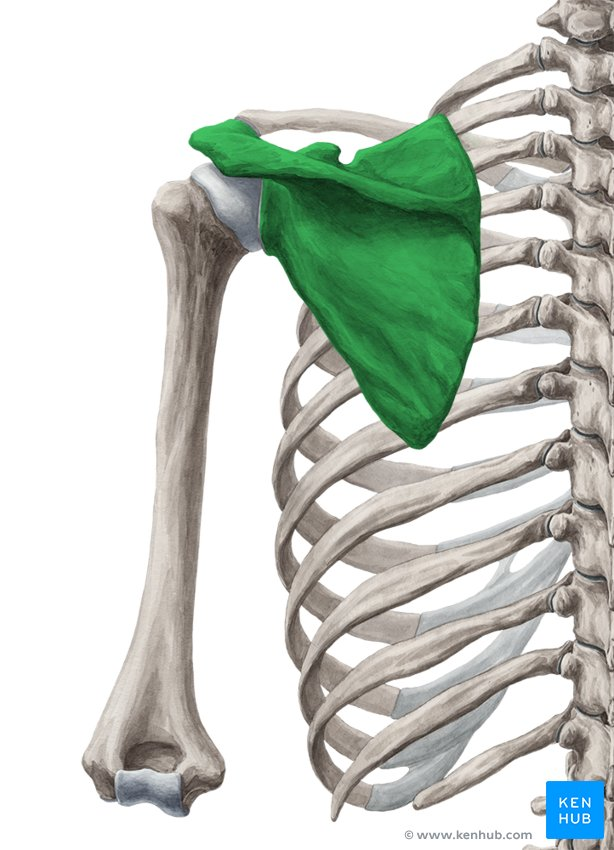
scapula
shoulder blade; a flat, triangular bone on the back
Cervical vertebrae (C1-C7)
seven vertebrae in the neck

Atlas (C1)
First cervical vertebra; supports the skull and allows you to nod your head

Axis (C2)
Second cervical vertebra; allows you to rotate your head from side to side

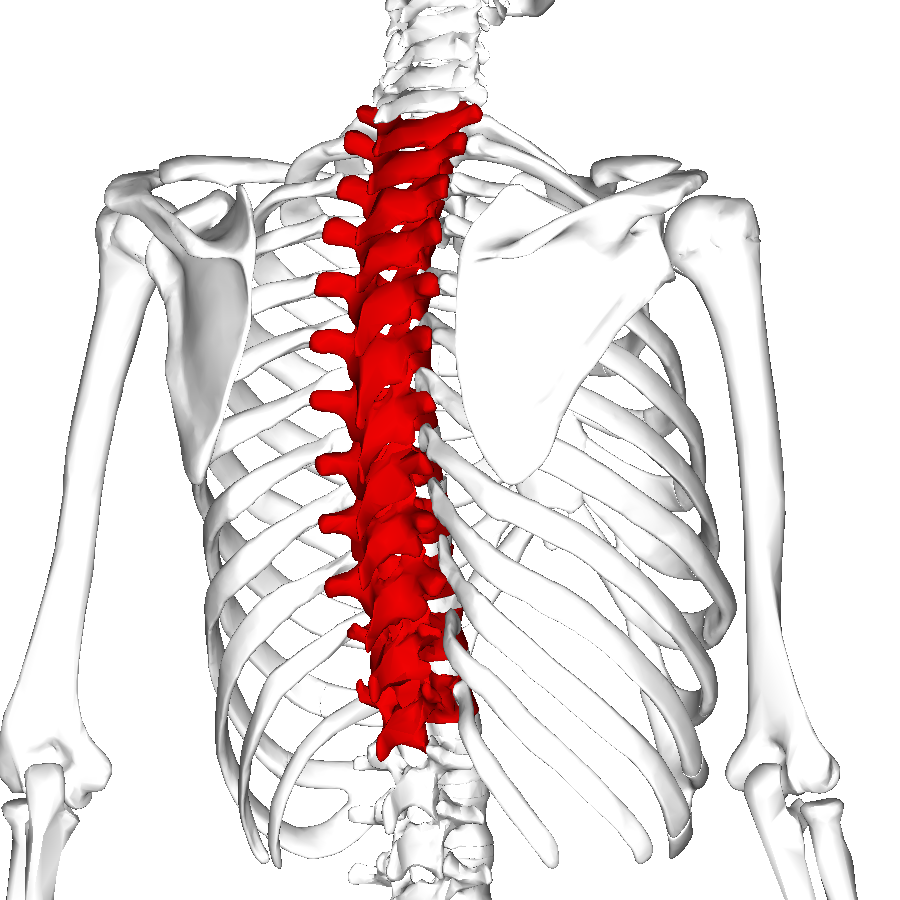
Thoracic vertebrae (T1-T12)
Twelve vertebrae in the upper and middle back that connect to the ribs
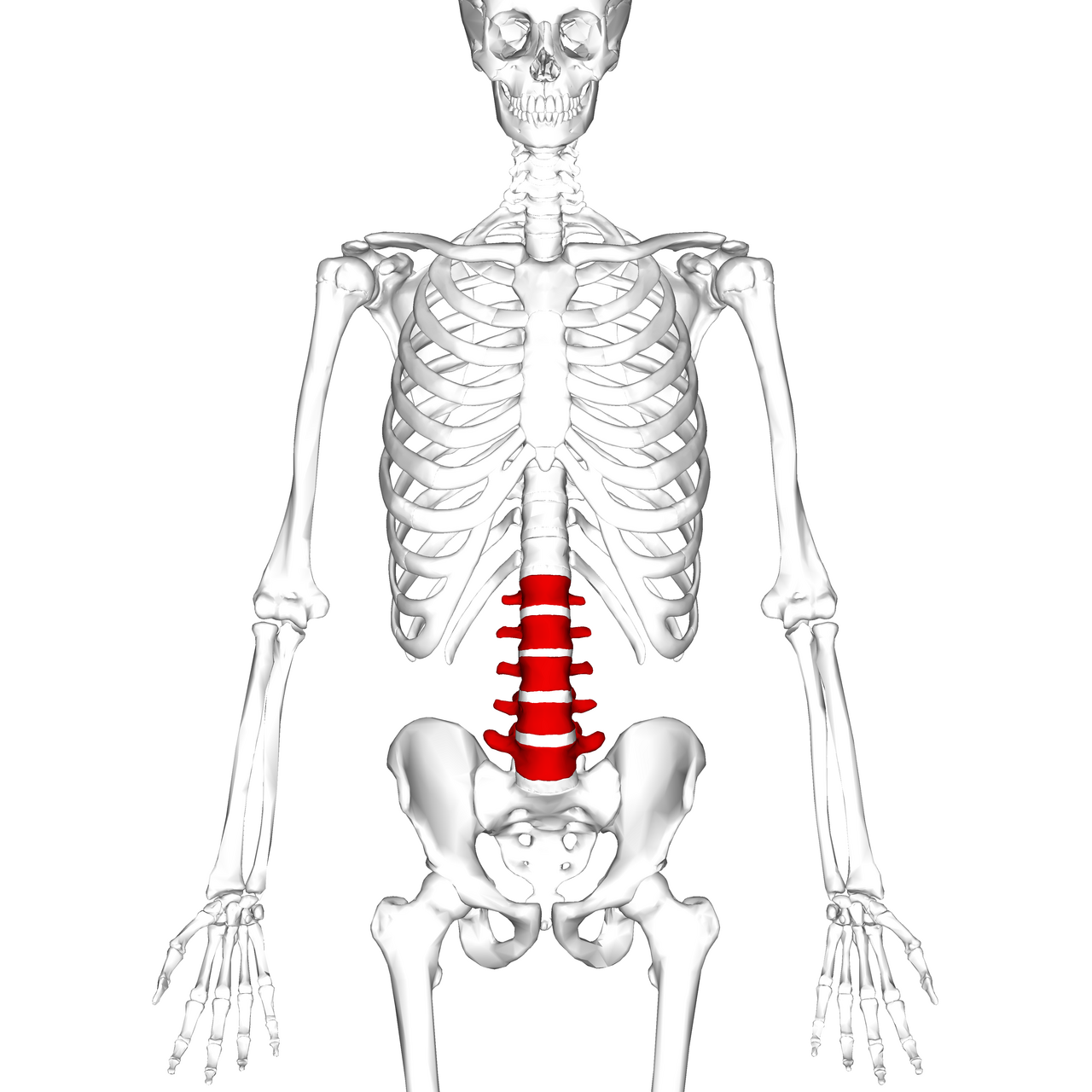
Lumbar Vertebrae (L1-L5)
Five large vertebrae in the lower back that support much of the body’s weight
Sacrum
Triangular bone at the base of the spine, formed by fused vertebrae

Coccyx
Tailbone; the small bone at the very bottom of the spine

true ribs
first seven pairs of ribs; attach directly to the sternum through their own costal cartilage
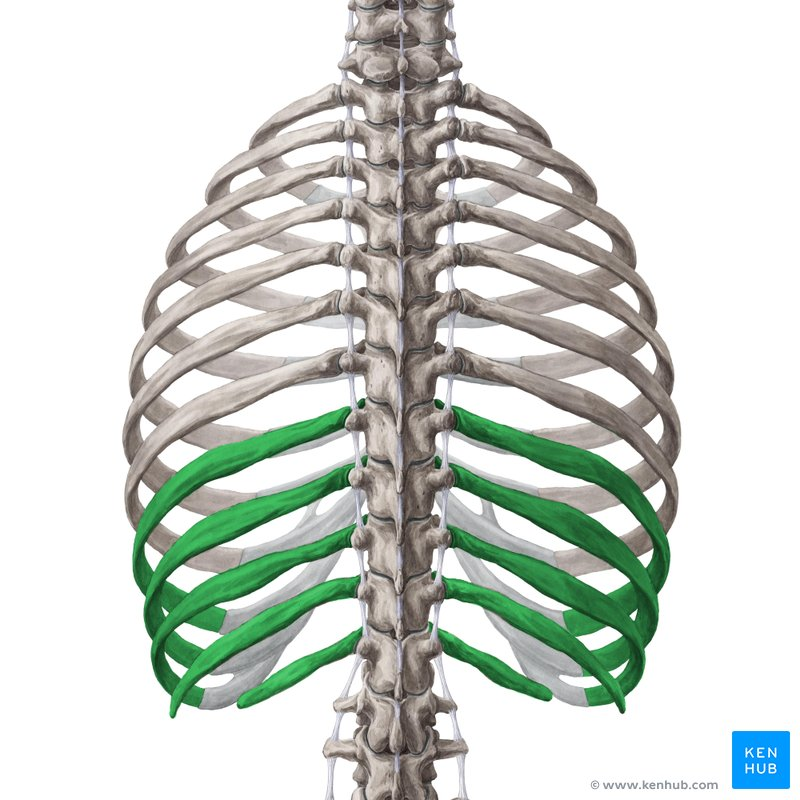
false ribs
ribs 8-12; do not attach directly to the sternum through their own costal cartilage
floating ribs
ribs 11-12; do not attach to the sternum at all

costal cartilage
flexible cartilage that connects the ribs to the sternum

sternum
flat bone in the center of the chest

manubrium
upper part of the sternum; connects to the clavicles and first ribs

sternum body
long, middle part of the sternum

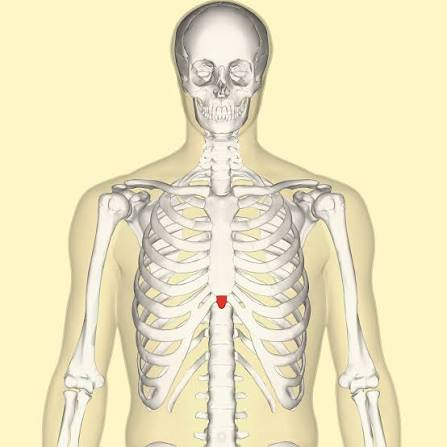
xiphoid process
small, pointed bottom part of the sternum
clavicle
collarbone; connects the sternum to the scapula region at the shoulder

Humerus
bone of the upper arm, between the shoulder and elbow

radius
forearm bone on the thumb side

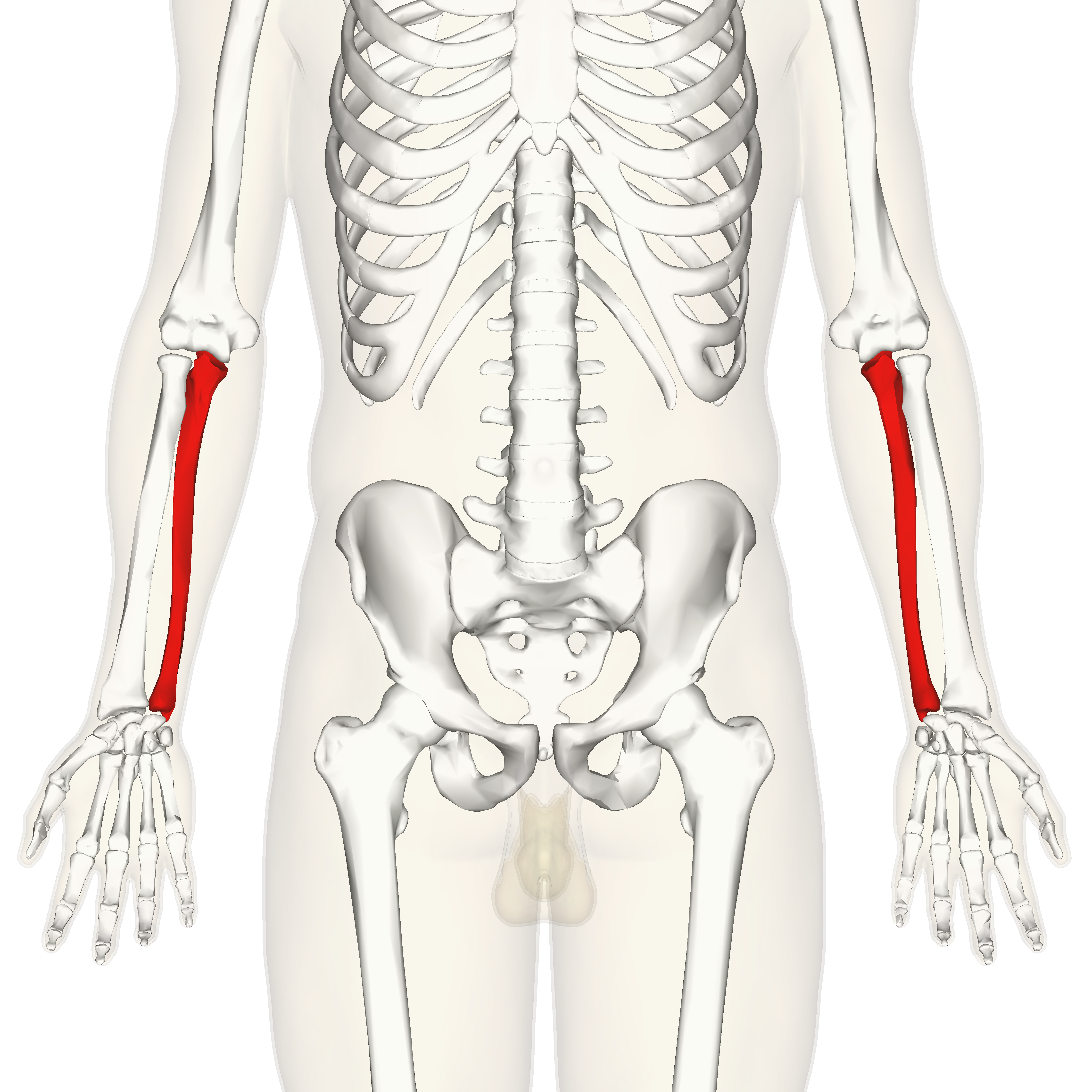
ulna
forearm bone on the pinky side; forms much of the elbow joint
scaphoid
carpal bone on the thumb side, near the radius

lunate
crescent-shaped carpal bone near the center of the wrist
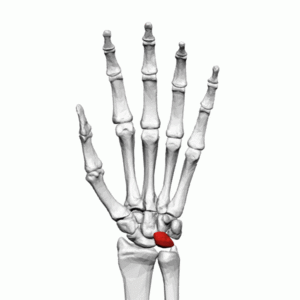
triquetrum
three-sided carpal bone on the pinky side of the wrist

pisiform
small, pea-shaped carpal bone on the pinky side of the wrist
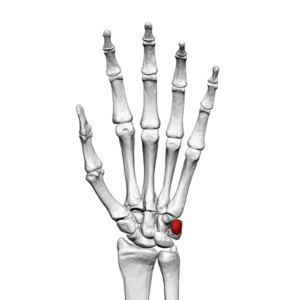
trapezium
carpal bone that connects to the thumb
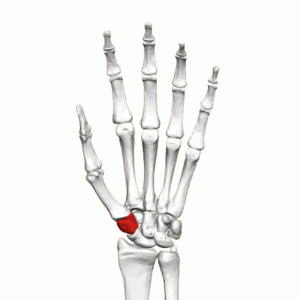
trapezoid
small carpal bone next to the trapezium, connecting to the index finger

capitate
largest carpal bone, near the center of the wrist

Hamate
carpal bone on the pinky side with a hook-shaped projection

metacarpals
five bones that form the palm of the hand

proximal phalanges
finger bones closest to the palm

intermediate phalanges
middle finger bones; absent in the thumb
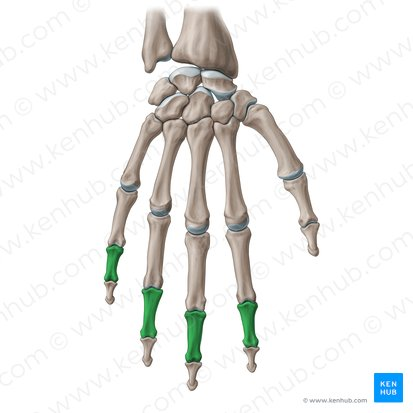
distal phalanges
finger bones at the tips

Ilium
large, flared upper part of the hip bone

ischium
lower, back part of the hip bone; the part you sit on

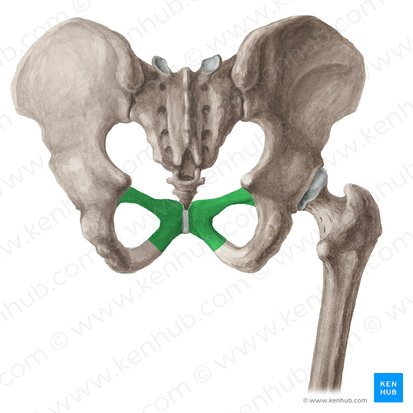
pubis
front part of the hip bone; the left and right sides meet at the pubic symphysis
femur
thighbone; the longest and strongest bone in the body

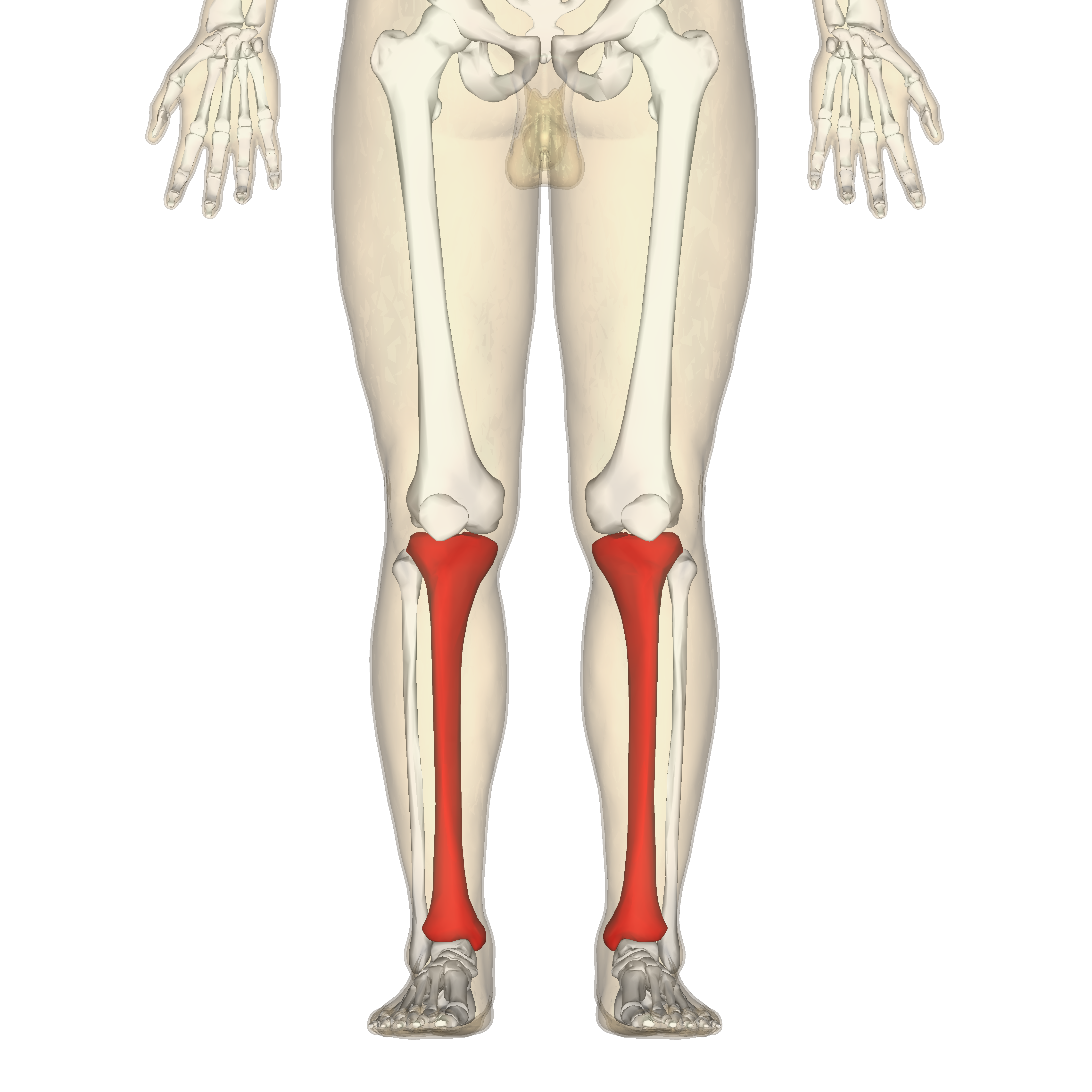
tibia
larger, inner bone of the lower leg; the shinbone
fibula
smaller, outer bone of the lower leg

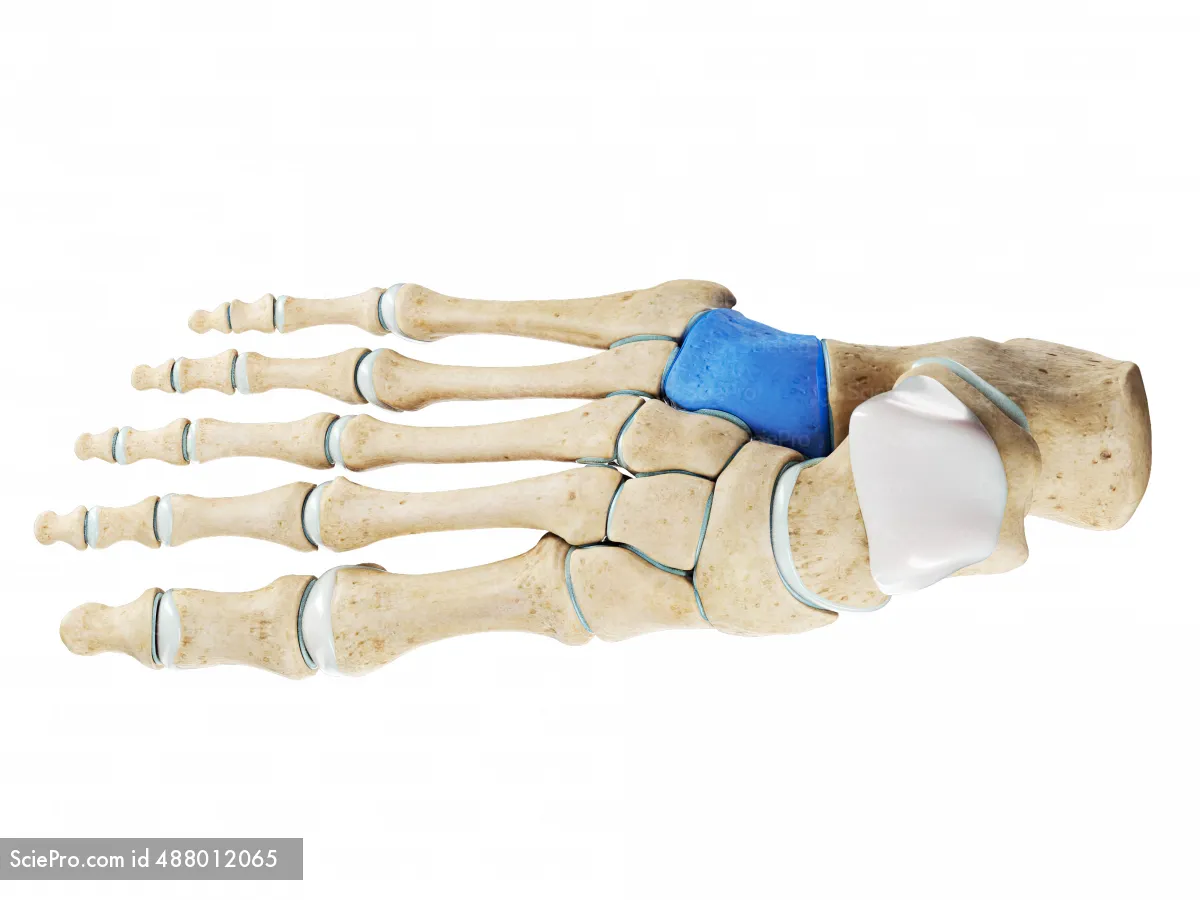
intermediate cuneiform
middle wedge-shaped bone between the other two cuneiforms

lateral cuneiform
outer wedge-shaped bone near the third metatarsal

medial cuneiform
inner wedge-shaped bone near the big toe

navicular
boat-shaped bone on the inner side of the foot, in front of the talus

cuboid
cube-shaped bone on the outer side of the foot
talus
ankle bone that connects the foot to the tibia and fibula

calcaneus
heel bone; the largest tarsal bone

metatarsals
five long bones that form the middle of the foot

proximal phalanges
toe bones closest to the foot

intermediate phalanges
middle toe bones; absent in the big toe

distal phalanges
toe bones at the tips
