(1) Church History (1517-Present): Papal History and Notable Figures
 Call Kai
 Learn
Learn Practice Test
 Spaced Repetition
 Match
Match Flashcards
 Knowt Play
1/135

There's no tags or description
Looks like no tags are added yet.
Name | Mastery | Learn | Test | Matching | Spaced | Call with Kai | Chat |
|---|
No analytics yet
Send a link to your students to track their progress
136 Terms

1513 - 1517 / 1521 - Pope Leo X (All Facts)
217th Pope and First Pope during / after the Protestant Reformation
He and his League of Cambrai / Holy League helped the Duchy of Milan and the Swiss defeat France and the Republic of Venice during the Fourth Italian War / War of the League of Cambrai
He signed the Concordant of Bologna with King Francis of France
He issued the Exsurge Domine Papal Bull
He named King Henry VIII of England “Defender of the Faith” for maintaining strict orthodox theology despite his matrimonial problems, prior to his establishment of Anglicanism in England
He consecrated Bishop Henrique of Kongo, accepting his unique brand of Catholicism despite some of the pagan elements in it, as “eccentric but orthodox”
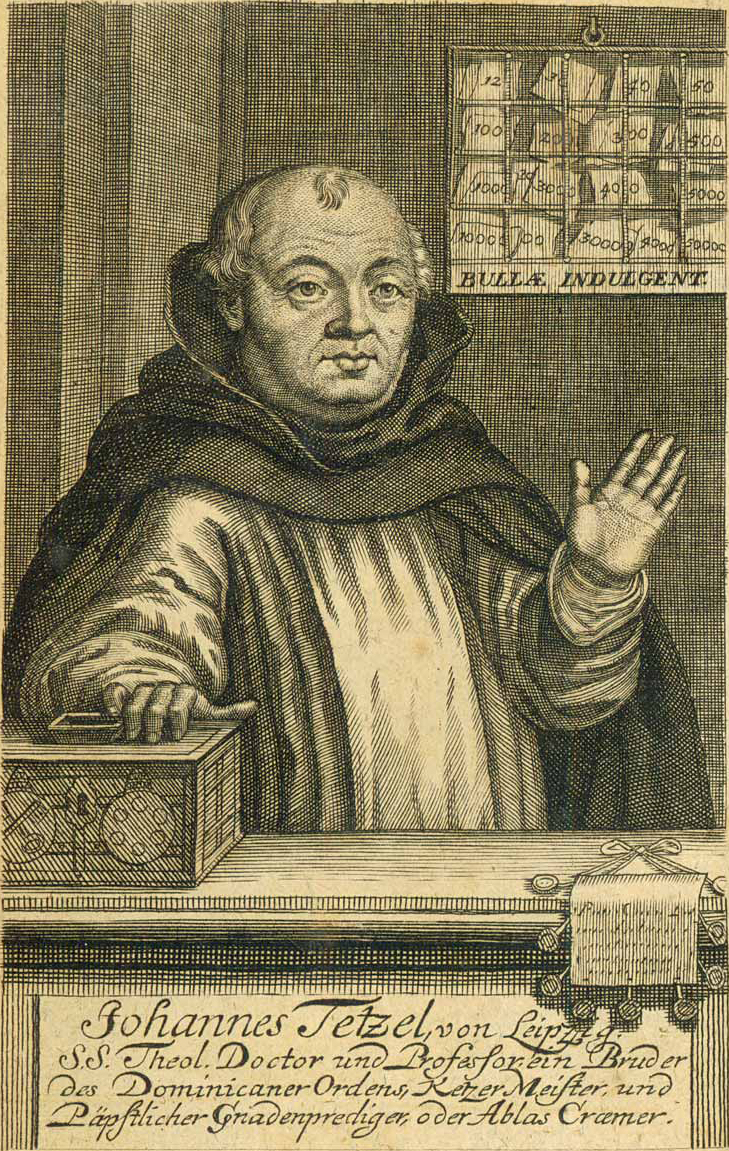
1465 - 1519 - Johannes Tetzel (All Facts)
German Dominican Friar and Preacher
His travelling around Germany with a papal bull on a scarlet velvet cushion auctioning indulgences like a common street peddler shocked and inspired Martin Luther to publish his 95 theses against the sale of indulgences for the forgiveness of sins

1521 - King Henry VIII and Thomas More: Defense of the Seven Sacraments (All Facts)
Treatise which sets out to do the namesake task and attacks Martin Luther’s Reformation, maintaining strict orthodox theology
As a result of its publication, Pope Leo X gave the namesake author the title “Defender of the Faith”

1522 - 1523 - Pope Adrian VI (All Facts)
218th Pope
He was Pope during the Protestant Reformation
He was initially the Cardinal of Utrecht
He was an austere and spiritual man
He was the first and only Dutch (Flemish) Pope
He was also the last non-Italian Pope until the 20th Century
He planned a program of church reform to counteract the spread of Protestantism and the Protestant Reformation

1489 - 1531 - Geronimo de Aguilar (All Facts)
Spanish Franciscan Friar and Missionary
He was sent as a sailor to the Yucatan Peninsula where he survived a shipwreck alongside Gonzalo Guerrero but in which both were captured by the Maya
Unlike his counterpart, he was later rescued by an expedition of Hernan Cortes
He later served as a translator for Hernan Cortes during the Spanish Conquest of the Aztec Empire
1495 - 1531 - Henrique of Kongo (All Facts)
Bishop of Utica
He was the son of King Afonso of the Kongo Kingdom
He built a unique brand of African Catholicism in which he incorporated numerous Pagan elements
He did this despite the hostilities of
Europeans
Indigenous Congolese pagans
In response, Portugal called his brand heretical, unable to manipulate it for their own benefit
However, the Roman Catholic Church rejected Portugal’s accusations and considered the Catholic Church he built as eccentric but orthodox
He was thus consecrated by Pope Leo X
By the end of his life,
Portuguese relations with the Kongo Kingdom were strained due to
exploitation by Portuguese traders and opportunists
depopulation of the Kongo by Portuguese slave traders
misbehavior of White Portuguese missionaries as rulers
presumptions of European superiority over Africans

1472 - 1534 - Guillaume Briconnet (All Facts)
Bishop of Meaux
He established a (humanist) school of reforming churchmen

1523 - 1534 - Pope Clement VII (All Facts)
219th Pope
He was Pope during the Protestant Reformation
His real name was Giulio de Medici, and he was the second member of the Medici Family to assume the papacy
He resumed the traditions of his cousin and predecessor Pope Leo X, hardly ignoring the Medici Family’s interests
He was understood to be keen to keep the papacy independent
He reformed the Curia System
He approved the founding of the Order of Friars Minor Capuchin by Matteo de Bascio, which aimed to revive the Franciscan ideal of saintly poverty
He rejected King Henry VIII’s request to annul King Henry VIII’s marriage to (Queen) Catherine of Aragon, who had borne him one surviving daughter but no male heirs
In so doing, he was under the influence of Holy Roman Emperor Charles V, who was, in turn, (Queen) Catherine of Aragon’s nephew
He eventually excommunicated King Henry VIII of England
He signed the Treaty of Barcelona with Holy Roman Emperor Charles V
He then crowned Charles V as Holy Roman Emperor at Bologna in Italy
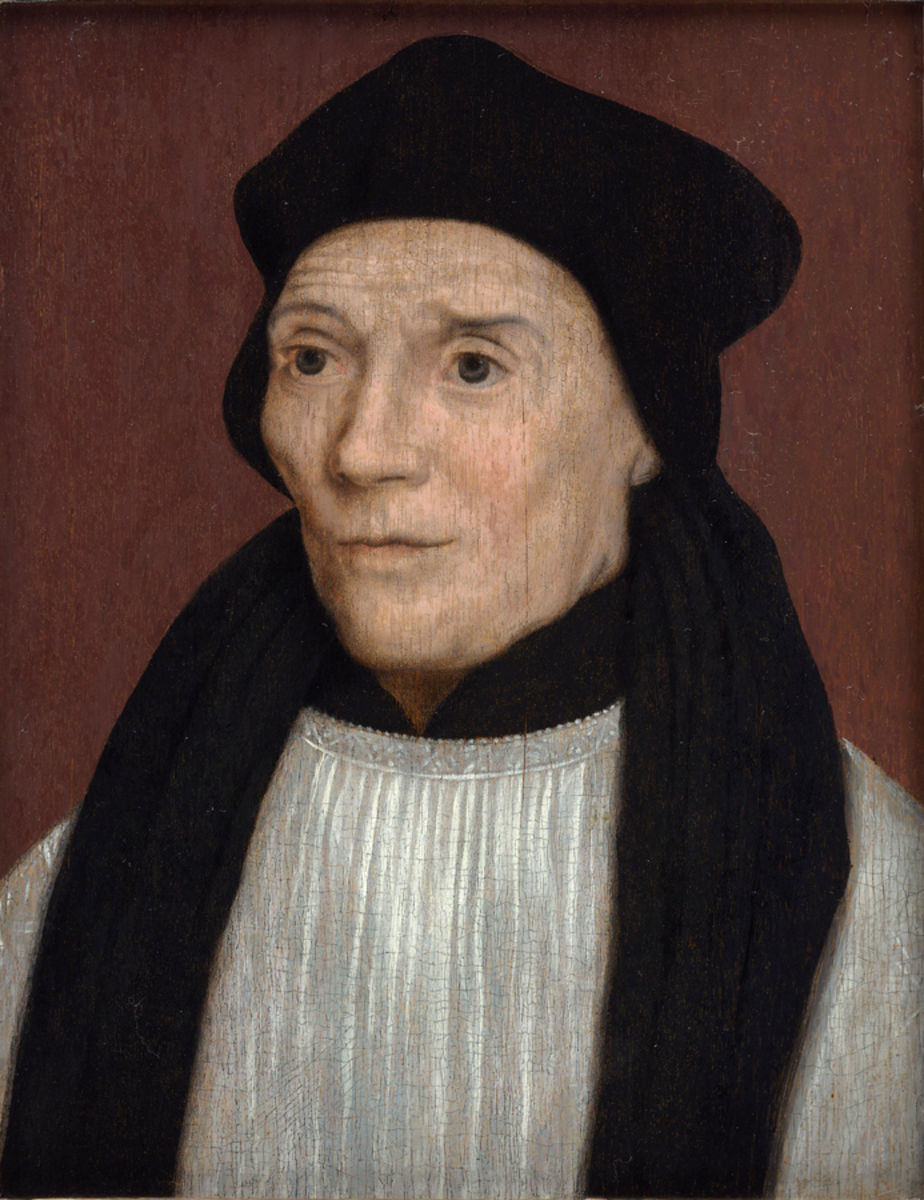
1469 - 1535 - St. John Fisher (All Facts)
English Catholic Prelate and Bishop of Rochester
He was executed by King Henry VIII for refusing to accept him as Supreme Head of the Church of England and for upholding the Catholic Church's doctrine of papal supremacy and the independence of the Church from control by the State
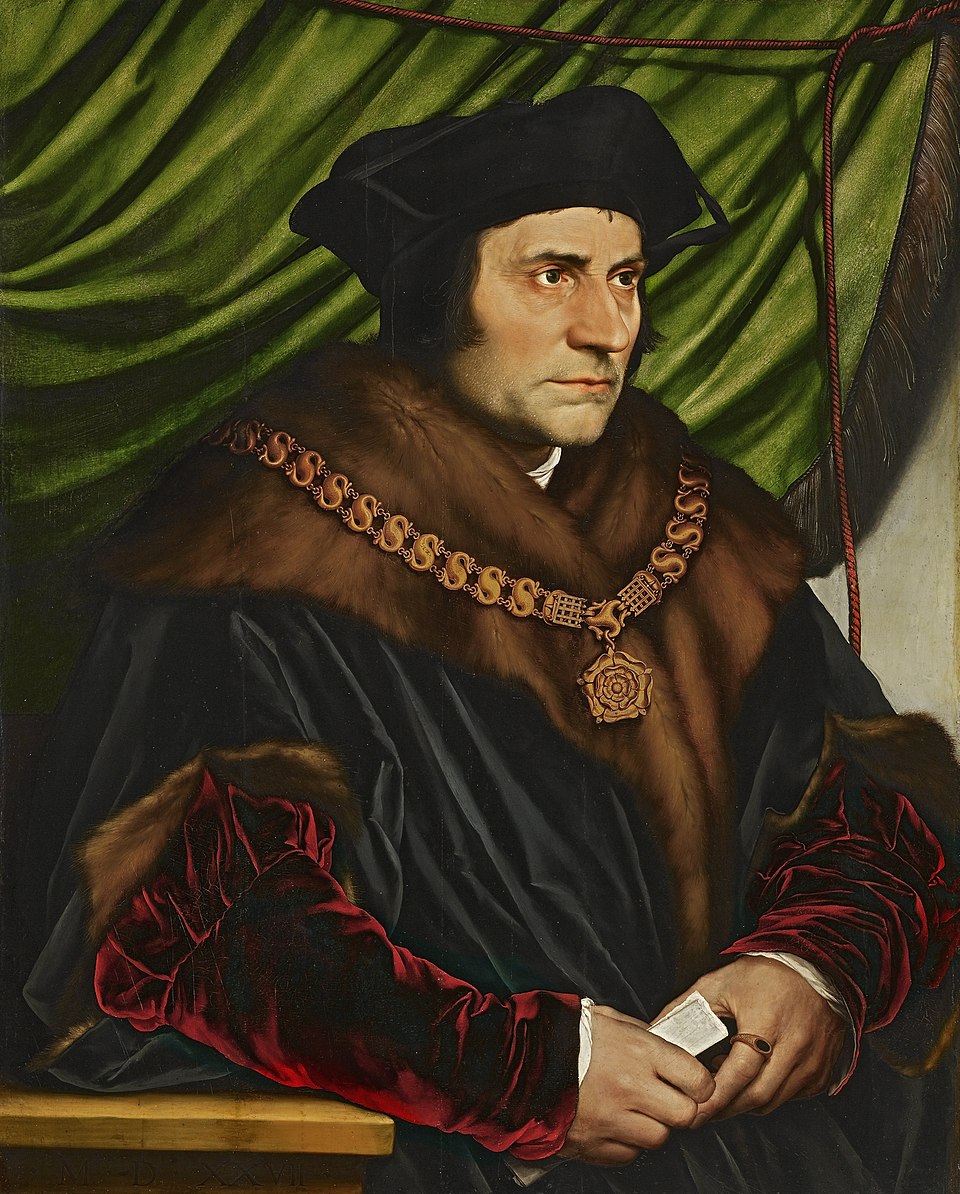
1478 - 1535 - St. Thomas More (All Facts)
He was a greatly respected lawyer and the under-sheriff of the city of London
He was loved by his fellow citizens who regarded him as “the fairest of judges, the general patron of the poor”
He was a man of simple tastes, noted for his gentle sense of fun and his in those around him
He was “born for friendship”
He made his name as a writer early in his career when he wrote a biography and condemnation of King Richard III of England
He was imprisoned in the Tower of London, and beheaded after refusing to take the oath to Anne’s issue demanded by the Succession Act; he is thus considered a martyr in the Roman Catholic Church

1516 - St. Thomas More: Utopia (All Facts)
Written in the Renaissance Humanist tradition
It was known as the “golden little book” by the Humanists at the time
It was published at Louvain
It was written by the namesake while he was in service to King Henry VIII
It was later translated from Latin into English
It is a shrewd, sometimes furious look at European society
It is an indictment of its harsh rulers at the time
It is a guide to the construction of an ideal civilization, as it was written in such a style
The title refers to an island somewhere off the New World, coming from the Greek meaning “no place”
It is about a people who
are distanced from all the social ills of Europe
live a communal existence, sharing equally in their food, government, clothes, houses, education, and wars
are a part of a deeply religious community, in which God rewards by an afterlife of immortality
Many saw the book differently, including
as a fantasy, a humorless travelogue of a land which could exist in the dreams of an idealist
as a comedy, with humorous intent
It essentially depicts an imaginary islands that lacked the evils of Europe at the time
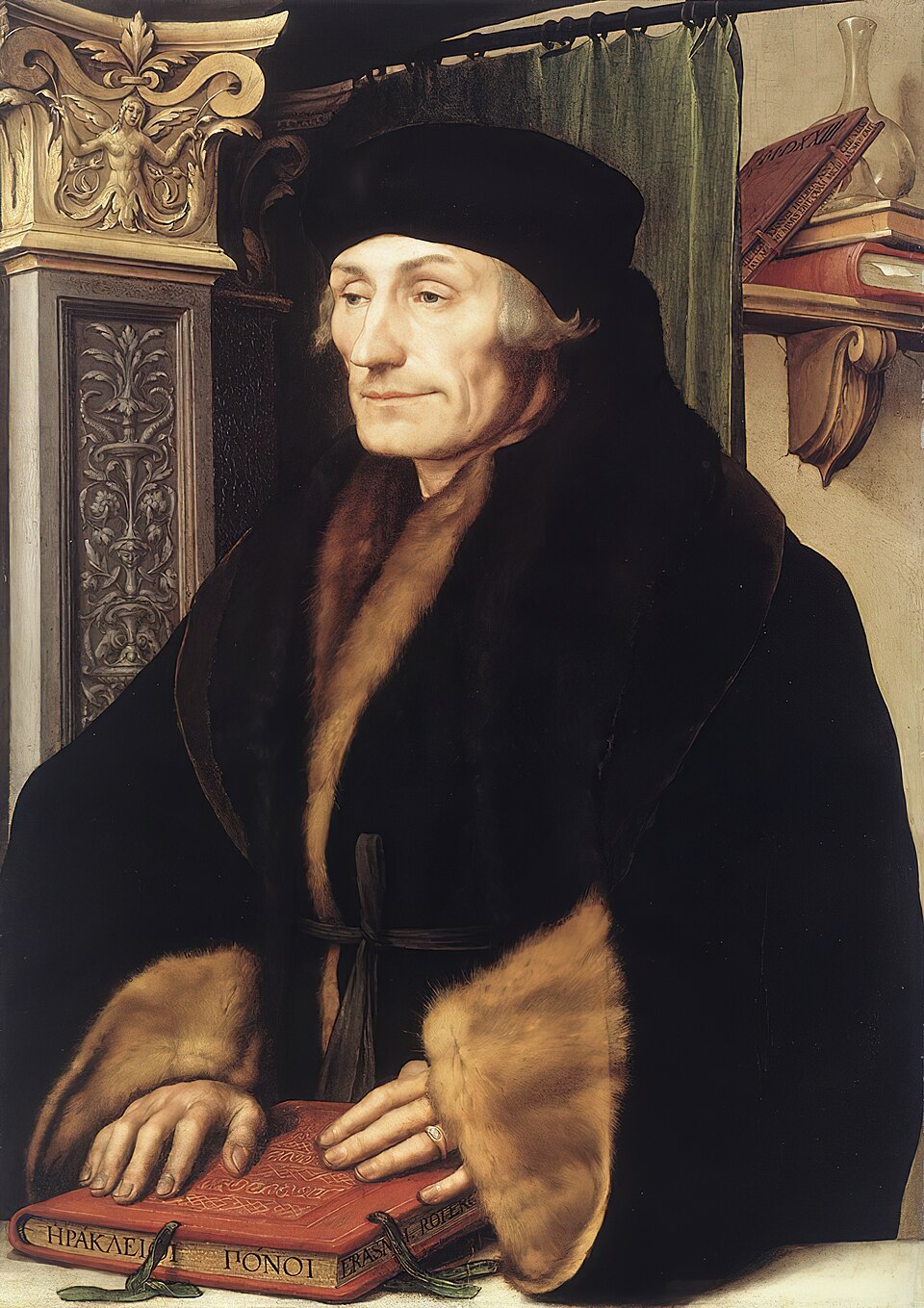
1466 - 1536 - Desiderius Erasmus (All Facts)
Dutch Catholic Humanist Philosopher and Theologian
He was one of the few religious scholars in history who was as much loved by Catholics as by Protestants
He inspired many to depart from the rigidities of the Catholic Church with his emphasis on the value of education and his desire for a Christian renaissance
However, he never wished for a complete split with Rome and remained a Catholic after having been exiled from (Protestant) Basle (Switzerland), where had lived for many years
He believed that man could be helped to be good of his own free will, through diligent reading of the scriptures
His works were as much critiques of contemporary social life as they were critiques of religion
He worked on a Greek edition of the New Testament, joined with a Latin translation, which was published by Froben, his friend, a famous printer
He founded the College of Three Languages at Louvain, which taught Hebrew, Greek, and Latin
He was born in Rotterdam
He travelled widely
He was known to several French scholars as a prolific letter-writer
He visited scholars in Italy and Germany
He spent ten months in Venice as a proof-reader for the printer Aldo Manuzio
He corresponded with humanists everywhere including Thomas More and John Colet
He was a monk for many years, but he knew his real calling was scholarship
He taught Greek at Cambridge University in England
He died at Freiburg in Germany

1511 - Desiderius Erasmus: Praise of Folly (All Facts)
Work in which the namesake author
advocates a practical piety, based on the human spirit rather than religious observances
thinks that religion is too important to be left to the theologians as men of letters can purify the scripture by going back to the ancient sources for them
men of letters can combine their learning with faith and so achieve mystic unity with God
Work about the namesake central character
is a volatile and ever-changing woman who delivers a series of homilies against the stupidities of all kinds of men, even castigating crabbed scholars like the namesake himself
reserves her most severe censure for worldly popes and hypocritical monks
shows a sense of humor, especially when she asks, “Who would marry if they rationally anticipated the pains and problems?”
thinks a little bit of herself helps to make the world go round
Work which is profoundly serious, despite its title, that sparkles with wit and imagination
Work which excited scholars at the Sorbonne (University of Paris in France), as it was an exciting contribution at the time to humanist thought

1518 - Desiderius Erasmus: Colloquies (All Facts)
Work which consists of strongly worded attacks on both the reformers and religious orders of 16th Century Europe

1474 - 1540 - St. Angela Merici (All Facts)
Italian Catholic Religious Educator
Founder of the Angelines / Company of St. Ursula Order, which worked to educate young girls
She died at Brescia

1475 - 1540 - Antonio de Montesinos (All Facts)
Spanish Dominican Friar and Missionary
He preached a sermon to the Spanish colonists in / of Hispaniola, where he questioned the religious principles of colonial ventures
He spoke out against the right of conquest, arguing that, because the native inhabitants of the New World were true men with souls, they should not be subject to enslavement

1485 - 1543 - Johann Eck / Johann Maier (All Facts)
German Catholic Theologian
He was also a Renaissance Humanist scholar
He hoped to see the revival of the Catholic Church
He was the Chief Opponent of Martin Luther in his day
He was responsible for having Martin Luther excommunicated by the Catholic Church
He attended the
(Second) Diet of Augsburg, supporting Holy Roman Emperor Charles V and the Catholics
He published a Catholic version of Luther’s German translation of the Bible
He died at Ingolstadt
1524 - 1546 - Garica de Loyasa (All Facts)
Spanish Archbishop of Seville
He was the first president of the Council of the Indies, responsible for the administrative, financial, and legal matters in Mexico (New Spain) and other new Spanish lands

1539 - 1546 - David Beaton (All Facts)
Scottish Catholic Cardinal, the last prior to the Scottish Reformation
He was the Archbishop of St. Andrew’s
He oversaw a sustained persecution of Protestants
He beat to death George Wishart for preaching the doctrine of Sola Fide
After the death of King James V, he produced a forged will, appointing himself and three other regents of the kingdom
He was later arrested for this
However, he later became a chancellor
He adopted a pro-French policy (likely due to the Catholic commonality)
He was assassinated by a band of conspirators who took possession of his castle
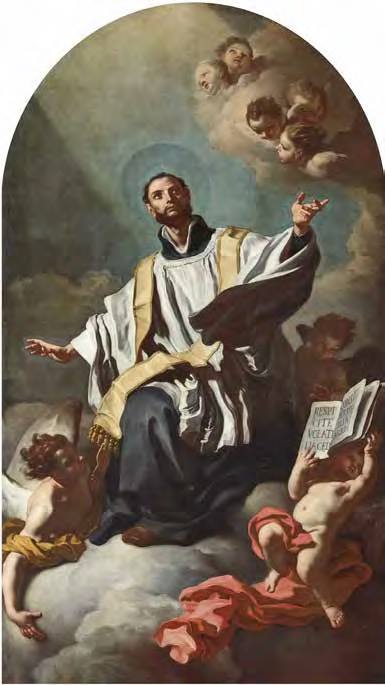
1480 - 1547 - St. Cajetan (All Facts)
Italian Catholic Priest and Religious Reformer
His real name was Gaetano di Thiene
He co-founded the Theatines or Congregation of Clerics Regular, along with Gian Pietro Carafa (the future Pope Paul IV)
Prior to this, he was initially the leader of the Oratory of Divine Love
He and his co-founder
were dedicated to the relief of human suffering
attempted to persuade the Catholic Church to improve the training of clerics (by their own examples)
argued that priests should live in their parishes
He and his co-founder founded the Theatines in order to have its members’ lives be made up of
poverty
celibacy
work in schools, hospitals, orphanages, and women’s hostels

1509 - 1547 - Henry VIII (All Facts)
He maintained a strict orthodox theology despite his matrimonial problems; having written “Defense of the Seven Sacraments” against Martin Luther and was named “Defender of the Faith” by Pope Leo X for doing so

1468 - 1548 - Juan de Zumárraga (All Facts)
Spanish Basque Franciscan Prelate and First Bishop of Mexico
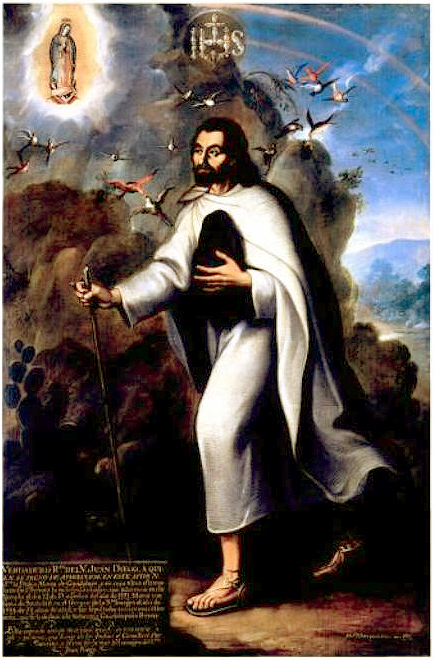
1474 - 1548 - St. Juan Diego (All Facts)
Nahua Mexican Peasant and Devout Catholic
He had a vision of the Virgin Mary
She told him to go to the Spanish bishop of Mexico and persuade him to build her a church on Tepeyacac Hill
When he went to the bishop, the bishop refused to believe his story
He had a second vision of the Virgin Mary
He begged her to use a Spaniard for her mission, rather than a Nahua Mexican
She just assured him of her love and concern for his people and asked him to persevere
He failed a second time to convince the bishop
He had a third vision of the Virgin Mary
She told him to return the next day to collect proof for his story
However, his uncle caught the plague that day, forcing him to stay home
He had a fourth vision of the Virgin Mary
The next day, she cured his uncle and simultaneously met him at Tepeyacac Hill
There, she ordered him to pick flowers and carry them to the bishop in his cloak
When he did so, he opened his clock, and the image of the Virgin Mary was clearly to be seen on the lining, finally persuading the bishop to build the church
1500 - 1549 - Luis Cancer de Barbastro (All Facts)
Spanish Dominican Priest, Monk, and Missionary to the New World
He was a veteran of missionary activity in Guatemala
He had sought to bring the peoples of Florida to obedience by peaceful means
However, he was clubbed to death by natives while praying in Tampa Bay (in Florida)

1534 - 1549 - Pope Paul III (All Facts)
220th Pope
His real name is (was) Alexander Farnese
He began the Catholic Counter-Reformation, having convened the Council of Trent
He moved the Council to Bologna in Italy, and then closed the first session of it there
He established the Roman Inquisition
He appointed six cardinals as “inquisitor-generals,” whom had the powers to
imprison anyone on suspicion alone
confiscate property
execute the guilty
He established it in order for the Catholics to fight the spread of Lutheranism and Calvinism across Europe at the time
He issued the Sublimis Deus Papal Bull
He excommunicated the Catholic slave traders
He approved the founding of the Jesuit Order / Society of Jesus by St. Ignatius Loyola
He made a pact with Holy Roman Emperor Charles V, in which he promised Charles V that he would give him money and troops in Charles V’s fight against the German Protestants with the aims of
crushing the independence of the Protestant German states
restoring the German Catholic Church
1465 - 1550 - Luis Cabeza de Vaca (All Facts)
Spanish Bishop and Humanist
He was famous for tutoring the young King Charles in the Spanish language and customs prior to his kingship there

1495 - 1552 - Matteo de Bascio (All Facts)
He founded the Order of Friars Minor Capuchin, which aimed to revive the Franciscan ideal of saintly poverty, and which was approved of by Pope Clement VII

1506 - 1552 - St. Francis Xavier (All Facts)
Spanish Cleric, Missionary, and Jesuit
He was one of St. Ignatius Loyola’s six companions who founded the Jesuit Order / Society of Jesus
He was known as the “Apostle of the Indies”
He went on a mission to the Indies with three companions to carry out Jesuit Order’s original aim as missionaries
He went on missions to Mozambique, Malindi, and Socotra in East Africa (to spread the gospel)
He went on a mission to Goa in India (to spread the gospel)
He went on a mission to Kagoshima in Japan (to spread the gospel)
He introduced Christianity into Japan for the first time
The Jesuit missionaries he left behind to help build up the nucleus of the new church in Japan came into conflict with the Buddhist priests there
He went on a mission to Canton in China (to spread the gospel)
He died of exhaustion near Canton in China

1550 - 1555 - Pope Julius III (All Facts)
221st Pope
He was close to the Farnese family in Italy
He opened the second session of the Council of Trent (Council of Bologna)
He appointed Reginald Pole as the Archbishop of Canterbury, thus supporting the Catholic Counter-Reformation under Queen Mary Tudor in England

1555 - Pope Marcellus II (All Facts)
222nd Pope
He was only in office for 21 days

1491 - 1556 - St. Ignatius of Loyola (All Facts)
Spanish Basque Catholic Priest and Theologian
He was a nobleman, soldier, and monk
He founded the Jesuit Order / Society of Jesus
He was the first (elected) Superior General of the Jesuit Order
He vowed to found the society in honor of Jesus Christ
He and six others took a vow to offer themselves to the pope (Pope Paul III) to be sent wherever the pope wished to convert pagans and infidels, even the Ottoman Turks
He saw his order’s numbers swell from a handful to over 1,000 members in just 25 years
He established the first Jesuit College in Rome, what is now called the Pontifical Gregorian University
He came from a noble Basque family
He began life as a soldier devoted to chivalry
He defended Pamplona from a siege, where he was badly wounded in the leg, which left him disabled
During his long convalescence he turned to the life of Jesus and resolved to become a “soldier of Christ”
He had an intense religious experience which began his conversion
He then went on a retreat to Montserrat in Spain
He withdrew to a monastery at Manresa, where he subject himself to prayer, fasting, and self-flagellation
He only agreed to break things off when his confessor ordered him to eat
He went on a pilgrimage to the Holy Land
He had to leave his native Alcala because his regime of self-discipline was denounced to the Spanish Inquisition, which went against him
He returned to Spain and was determined to become a priest at the age of just 33

1548 - St. Ignatius of Loyola: Spiritual Exercises (All Facts)
Work in which the namesake author explains the namesake, which were designed to break the will by contemplating the agonies of hell and the mercy of Christ

1556 - 1558 - Reginald Pole (All Facts)
Archbishop of Canterbury during the reign of Queen Mary of England
He was appointed by Pope Julius III
His disapproval of King Henry VIII’s Act of Supremacy (assumption of supremacy over the church in England) forced him to leave England
He was then a longtime English resident in Italy and made into a cardinal
He returned to England and became its papal legate
He
championed vigorously the restoration of Catholicism
revived the old Catholic services throughout England
sacked priests who married when allowed to under the reforms of King Henry VIII and King Edward VI
He died a mere 12 hours after Queen Mary of England

1555 - 1559 - Pope Paul IV (All Facts)
223rd Pope
He was Pope during the Protestant Reformation
His real name was Gian Pietro Caraffa
Prior to the Papacy,
He was a Cardinal, Cardinal Caraffa
He co-founded the Theatines or Congregation of Clerics Regular, along with Gaetano di Thiene (St. Cajetan)
Prior to this, he was initially the leader of the Oratory of Divine Love
He and his co-founder
were dedicated to the relief of human suffering
attempted to persuade the Catholic Church to improve the training of clerics (by their own examples)
argued that priests should live in their parishes
He and his co-founder founded the Theatines in order to have its members’ lives be made up of
poverty
celibacy
work in schools, hospitals, orphanages, and women’s hostels
He helped his predecessor Pope Paul III establish the Roman Inquisition
He led the more militant wing of the Papacy, whom, along with him, wanted to put an end to the attempts of the moderates within the Papacy to conciliate with Lutherans and Calvinists
According to him, “No man is to lower himself by showing toleration towards any sort of heretic, least of all a Calvinist”
He wanted a purge of Protestantism as fierce as that of the Spanish Inquisition’s purge of Jews in Spain in centuries prior
He was determined to stamp out heresy via the Roman Inquisition (which he had co-established prior to the Papacy)
He thus completed the organization of the Roman Catholic Inquisition in order to stamp out such heresy
He issued a list of prohibited books containing heretical doctrines
He brought in the first official Index
He banned all works by Desiderius Erasmus
He prohibited any and all bibles not written in Latin
He provoked the Anglo-French War of 1557-1559, having been a lifelong enemy of Spain, since England had declared war in order to support King Philip II of Spain
1526 - 1561 - Gonçalo da Silveira (All Facts)
Portuguese Jesuit Missionary and Christian Envoy to the Munhumutapa Court at Mozambique
He was killed at the Munhumutapa Court, at the instigation of the Muslim imam there
In spite of his assassination as Portuguese-Christian Envoy to Mozambique, Portugal continued to secure it hold on the lower Zambezi area

1559 - 1565 - Pope Pius IV (All Facts)
224th Pope
His real name was Giovanni de Medici
He presided over the Council of Trent
He called the convention of the council in order to resolve the struggle between Catholics and Protestants, especially the Catholic struggles with the Huguenots of France
His severe, potentially fatal illness galvanized the Council of Trent once more into action
His illness strengthened the arm of the traditionalists who feared that any weakening in the face of the growing power of the Calvinists in France and the Lutherans in Germany would be fatal
He issued the Super Universas Papal Bull
He published a list of prohibited books containing heretical doctrines
He ordered that the nudes of Michelangelo’s “The Last Judgement” in the Sistine Chapel be painted over and covered

1484 - 1566 - Bartolome de las Casas (All Facts)
Spanish Dominican Friar, Missionary, Clergyman, Lawyer, and Activist
He was the first Catholic Priest to be ordained in the New World
He was appointed the Bishop of Chiapas (in Mexico; a position to which he was appointed two years prior to his decision to take up such duties)
As a champion of native Mexican and American rights, he was given a hostile reception by the colonists
He was famous for having participated in the Valladolid Debate arguing for the case against Spanish conquest of the Americas and condemning the brutality of Spain’s forces against the natives against the case for Spanish conquest made by Juan Gines de Sepulveda
He once ran his own estate, but was so appalled by the excesses of the Spanish forces that he abandoned his holdings and began campaigning for colonial reform
He left Cuba and returned to Spain, where he publicized what he saw
He has shocked his compatriots with his terrifying account of military atrocities committed in the Spanish Conquest of Cuba
As a member of Panfilo de Narvaez’s expedition to Cuba, he revealed a nightmarish catalogue of torture and depravity that occurred there
His eye-witness report detailed he wholesale slaughter of the Native “Indian” population there, sparing neither man, women, nor child
He claimed that the Spanish troops in Cuba were overtaken by the Devil
He witnessed babies being torn from the breast, smashed onto rocks, and skewered on pikes
He witnessed adults, especially Cuban nobility, being roasted alive on grid irons and suspended from gibbets with fires lit beneath them
He witnessed friendly natives being butchered
He witnessed resistant natives being hunted without mercy by men and savage dogs
He campaigned against the Encomienda System, where large estates exploited slave labor of natives
He drafted the “New Laws (of Burgos),” demanding an end to slavery in the New World
He even got King and Holy Roman Emperor Charles to back him, suspending any new encomienda grants thereafter
However, those who profited from the system rebelled and the laws were repealed 4 years later; however the extraction of labor as a tribute remained forbidden

1552 - Bartolome de las Casas: A Short Account of the Destruction of the Indies (All Facts)
Work which attacked Spanish colonial practices in the New World, issuing a savage condemnation of Spain’s regime in the New World
Work which demanded an end to Spain’s Encomienda System
Work in which the namesake author shows expertise on the native inhabitants, citing a mass of evidence to prove that their culture, while neither European nor Christian, was just as complex and sophisticated as Spain’s
Work in which the namesake author shows that the Encomienda System is not even sustainable and that due to the brutality of the overseers and ravages of diseases brought from Europe, there will eventually be no native Americans to exploit in the first place
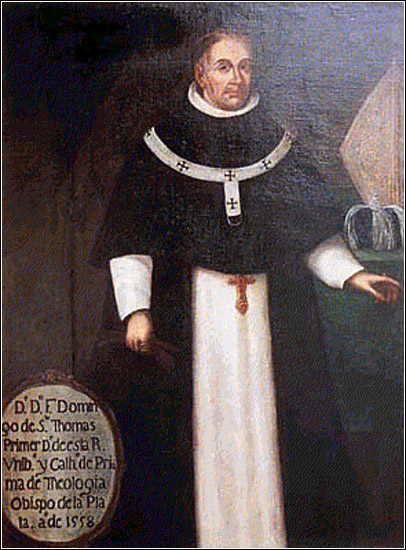
1499 - 1570 - Domingo de Santo Tomas (All Facts)
Spanish Dominican Friar, Missionary, Bishop, and Grammarian

1560 - Domingo de Santo Tomas: Grammar or art of the general language of the Indians of the kingdoms of Peru / Lexicon and Vocabulary (All Facts)
Work which enabled Spanish missionaries to study Quechua, the language of the native Andean peoples of (Spanish) Peru

1517 - 1570 - Manuel da Nobrega (All Facts)
Portuguese Jesuit Priest and First Provincial of the Jesuit Order in (Portuguese) Brazil
He was instrumental in tying the Jesuit Order into a close relationship with the Brazilian natives
He founded (Portuguese) Brazil’s first archbishopric in its first capital, Salvador de Bahia de Tosos los Santos
He setup a Jesuit College at Sao Paolo
1485 - 1571 - Andres de Olmos (All Facts)
Spanish Franciscan Priest, Grammarian, and Ethno-Historian of Mexico's indigenous languages and peoples
He published the first Nahuatl grammar

1566 - 1572 - Pope Pius V (All Facts)
225th Pope
His real name was Ghislieri
Prior to the Papacy, he was the grand inquisitor of the Roman Inquisition
He was remembered for his implementation of the Catholic Counter-Reformation developed at the Council of Trent, which published the first Catholic
Catechism
Breviary
Missal (Tridentine Mass)
He issued the Regnans in Excelsis Papal Bull
He issued the Congregation of the Index, which formalized the censorship moves by recent popes
He
crowned Cosimo de Medici as the first Archduke of Tuscany and effectively established the Grand Duchy of Tuscany in Italy
He
instructed the apostolic nuncio of Spain to set up a commission to deal with the problems of missionaries in the New World (America)
issued instructions that Native Americans should be excluded from the jurisdiction of the Roman Inquisition
proposed / organized the Holy League of 1571 against the Ottoman Empire

1490 - 1573 - Juan Gines de Sepulveda (All Facts)
Spanish Theologian, Philosopher, and Humanist
He participated in the Valladolid Debate arguing for the case of Spanish conquest of the Americas against the case against Spanish conquest made by Bartolome de las Casas
He justified Spain’s actions by the Biblical text that said to “go out into the highways and hedges and compel them to come in”
He argued that the native Americans were a barbaric race, certainly not Christians and barely human
He said, “How can we doubt that these people - so uncivilized, contaminated with so many impieties and obscenities, have been justly conquered by such an excellent, pious, and most just king?”
1524 - 1579 - Diego de Landa (All Facts)
Spanish Franciscan Bishop of Yucatán
He led a campaign against idolatry and human sacrifice, ordering for the burning of a large number of Maya manuscripts which contained knowledge of Mayan religion, culture, and history

1540 - 1581 - St. Edmund Campion (All Facts)
English Jesuit
He was considered one of the most remarkable members of the “English mission”
He was arrested and executed for conducting his underground Catholic ministry by “priest hunters”
His fate illustrated the dilemma of those English Catholics who wished to remain loyal to both their faith and the crown
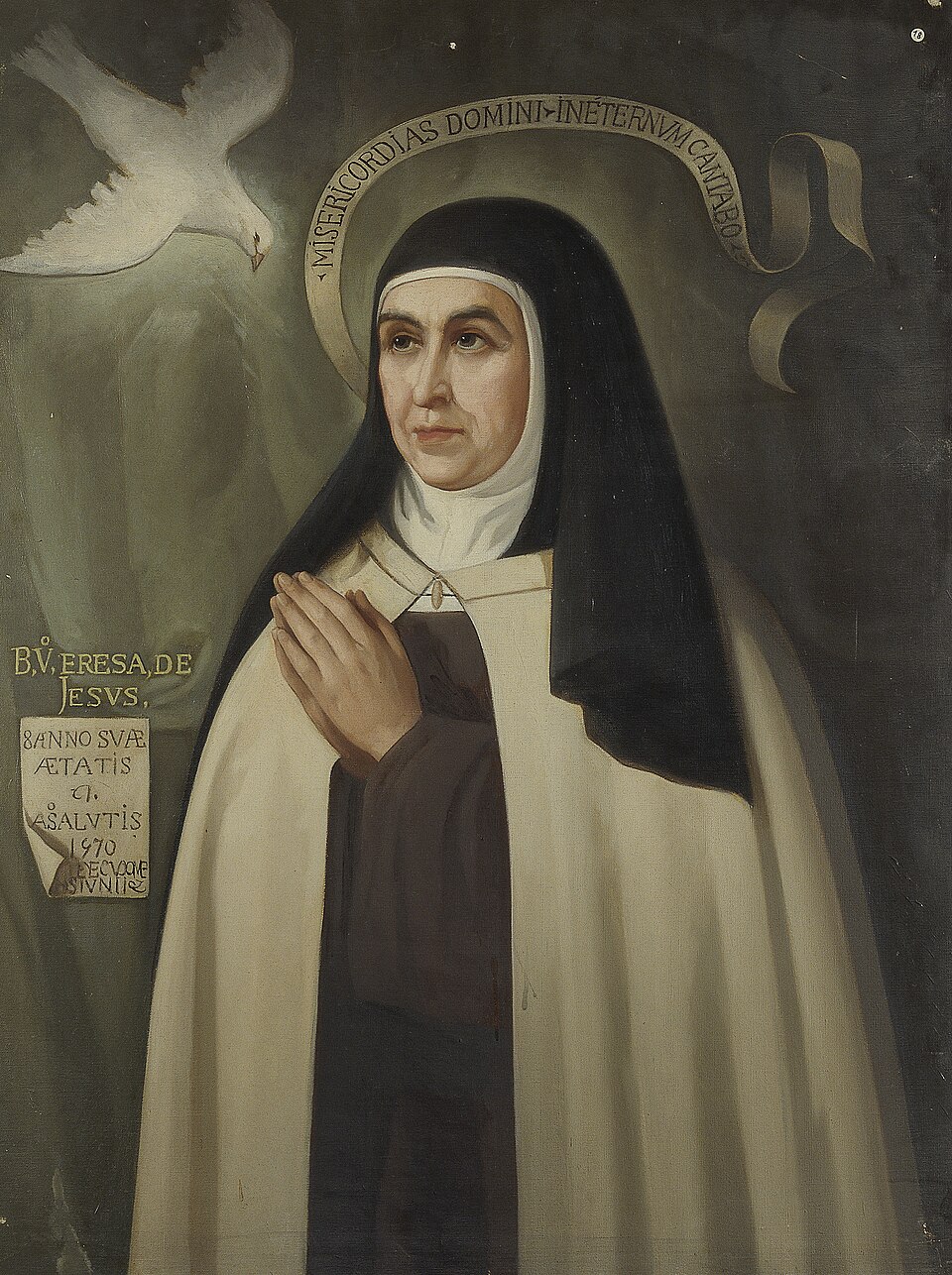
1515 - 1582 - St. Teresa of Avila (All Facts)
Spanish Carmelite Nun, Mystic, and Spiritual Reformer
She was one of the leading reformers of the monastic movement in Spain during the Counter-Reformation
Her father was a Jewish convert
Her mother was a Castilian aristocrat
She founded the first order of barefoot Carmelite nuns
She entered her first Carmelite convent at the age of 21
Shocked by the lack of piety she found, she was determined to lead a return to the Palestinian Carmelite tradition of the hermit living in the desert
She founded the convent of St. Joseph of Avila, where she insisted that the main role of the nuns was to pray for souls in danger and intercede for others
She founded many others, some with the help of St. John of the Cross, who shared her deep mysticism
She was also the prioress at the convent of the Incarnation in Avila, where St. John of the Cross was the confessor of the Carmelites
By 1576, she was forbidden by the church in Spain to found any more Carmelite convents
Her asceticism, prayer, and piety took her to a state of intensely physical ecstasy of a kind which lesser mortals associate with sexual love
Thus, in contrast with her severe puritanism, her writing is rich with the erotic and sensual experience of the holy
A complete edition of her works was published posthumously
She was also beatified after her death by Pope Paul V

1572 - St. Teresa de Avila: Book of the Foundations (All Facts)

1573 - St. Teresa de Avila: The Way of Perfection (All Facts)

1588 - St. Teresa de Avila: The Interior Castle (All Facts)
Work that describes how the castle is the soul, which has to go through seven rooms to attain purity
Work that describes how, in the final room, a divine union is achieved

1538 - 1584 - Carlo Borromeo (All Facts)
Archbishop of Milan
He revived Catholicism in northern Italy
He died in Milan and was later canonized
1529 - 1585 - Cristobal de Molina (All Facts)
Spanish Colonial Clergyman and Chronicler
He was very fluent in Quechua
He compiled an anthology / collection of Incan hymns called the “Tales and Ceremonies of the Incas”

1572 - 1585 - Pope Gregory XIII (All Facts)
226th Pope
His real name was Ugo Buoncompagni
He invented and instituted (his namesake) “Gregorian Calendar,” authorized by papal decree, replacing the previous Julian Calendar with a new method of calculation
He decided to bring back the spring equinox to March 21 by removing ten days, those between October 5 and October 15, from the calendar
He did this to ensure that Easter fell on its proper date
This was the culmination of many years of experts that had been demanding a replacement for the Julian system, under which calendar time gains one whole day every 128 years for 300 years; with the difference between official time and solar time being ten days
This new system maintained accuracy by cutting three leap years every 400 years
He approved the foundation of the Institute of the Oratory
He welcomed the Japanese Jesuits of the Tensho Embassy
He told Giovanni Pierluigi da Palestrina to restore the purity of Gregorian chant and to rid sacred music of anything which prevented the words from being understood; this instruction having been in line with the decisions of the Council of Trent

1550 - 1590 - Charles de Bourbon (All Facts)
Cardinal of Bourbon
He was a candidate of the Catholic League for the French throne in place of King Henry IV
The Catholic League of France declared him King of France as Charles X, refusing to recognize King Henry IV as King of France; but the namesake’s rule was never officially recognized

1499 - 1590 - Bernardino de Sahagún (All Facts)
Spanish Franciscan Friar, Missionary, Priest and Ethnographer
He was hailed as the foremost historian of the lands of Mexico (New Spain)
In parallel to his religious undertakings, he developed himself into an outstanding historian of the native tribes of Mexico (New Spain)
He began his career as a missionary to the New World
He participated in the Catholic evangelization of Mexico (New Spain)
While his central task as a missionary was to wipe out native idolatry and replace it with Christian worship, his natural inclination had been to discover as much as possible about the native tribes of Mexico (New Spain)
He devoted his career to the Colegio de Santiago Tlatelolco, which was dedicated to the education of young native individuals of the tribes of Mexico (New Spain)
He was an expert in native Mexican crafts, the best of which he saw himself
He was an expert in native Mexican languages, of which he both read and wrote

1569 / 1585 - Bernardino de Sahagún: General History of the Things of New Spain (All Facts)
Work which was essentially an encyclopedia of ancient Mexico
Work which the namesake author begun with the aim of giving his fellow priests as wide as possible a knowledge of the culture with which they deal in evangelizing
Work which was not the first such history of its kind, but in which the namesake author’s methods made it the most authoritative

1585 - 1590 - Pope Sixtus V (All Facts)
227th Pope
His real name was Felice Peretti
He was an energetic Franciscan of humble origins
He worked on the “Sixtus,” his established edition of the (Latin) Vulgate Bible
He declared it to be the official text for the Catholic Bible (that which was originally produced by St. Jerome in the 300s CE) and which became recognized as the authentic Catholic Bible (as outlined in the Council of Trent)
He
reformed and reorganized the Papal Curia
reformed and regularly visited bishops to make sure they were disciplined
He was politically effective having
maintained the balance of the Catholic powers and combatted Protestantism
resisted the overwhelming power and ambition of King Philip II of Spain successfully
deprived (King) Henry IV of France his rights to the French crown during the Eighth French War of Religion / War of the Three Henrys
He
transformed the appearance of Rome as a city
The jumble of old houses had been cleared to make space for broad avenues and squares with splendid vistas
He had erected an obelisk in St. Peter’s Square
He had the vast cupola (dome) of St. Peter’s Basilica completed, according to Michelangelo’s designs
He had built a new aqueduct and many fountains
He encouraged a revival of art with richly decorated frescoes and sculptures
He had a new library built
He had a new Vatican Palace built
He encouraged cardinals and congregations to rebuild their own churches
used art and architecture to encourage personal piety and religious mass emotion

1590 - Pope Urban VII (All Facts)
228th Pope
His real name was Giovanni Castagna
He ruled for 13 days

1527 - 1591 - Luis de Leon (All Facts)
Spanish Augustinian Friar, Theologian, Mystic, and Writer
He entered the Augustinian Order, teaching theology at the University of Salamanca
He was imprisoned by the Spanish Inquisition and accused of heresy
He died as he was about to be named Vicar-General of the Augustinians in Castile in Spain

1583 - Luis de Leon: Of the Names of Christ (All Facts)
Work in which the namesake author defined 13 descriptions attached to the name and person of Jesus Christ

1542 - 1591 - St. John of the Cross / Juan de Yepes (All Facts)
Spanish Catholic Priest and Monk and Carmelite Friar
He wrote mystical treatises and poems including his masterpiece of the age “Spiritual Canticle”
He founded the first monastery of barefoot Carmelites
He escaped from a monastery in Toledo where he was imprisoned by Carmelites hostile to his proposals for reform
During his imprisonment, he wrote 30 stanzas of what would become his “Spiritual Canticle”
He became rector of the college of Baeza in Andalucia
He was a victim of betrayals and persecution up to the end of his life
He died at the convent of Ubeda

1590 - 1591 - Pope Gregory XIV (All Facts)
229th Pope
His real name was Niccolo Sfondrati
He was from Milan
He died ten months after his election

1591 - Pope Innocent IX (All Facts)
230th Pope
His real name was Facchinetti of Bologna
He ruled for two months

1587 - 1594 - William Allen (All Facts)
English Catholic Cardinal
He founded the (Venerable) English College of Rome, located in Rome, not England; but which trained and educated priests for England and for the English people who remained faithful to the Roman Catholic Church
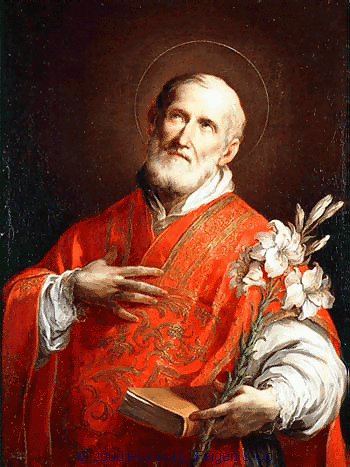
1515 - 1595 - St. Philip Neri (All Facts)
Italian Catholic Priest and Philanthropist
He was from Florence but moved to Rome
He founded the Congregation of the Oratory, which was approved by Pope Gregory XIII
He did this to rededicate the clergy to the service of lay society

1561 - 1595 - St. Robert Southwell (All Facts)
English Jesuit (Catholic) Priest during the English Renaissance / reign of Queen Elizabeth
He conducted clandestine Catholic missionary operations
He was hung for “treason” (being a Catholic Priest) at Tyburn, one of the “Forty Martyrs” of England and Wales

1521 - 1597 - St. Peter Canisius (All Facts)
Dutch Jesuit Priest
He was a major architect of the Counter-Reformation in Germany
He wrote a widely used catechism
He founded 13 Jesuit communities
He died in Freiburg in Switzerland

1535 - 1600 - Luis de Molina (All Facts)
Spanish Jesuit Priest, Theologian, and Scholastic Philosopher
He was the Jesuit Professor of Evora
He was a disciple of St. Thomas Aquinas
He was famed for his treatise which opposes the Augustinian belief in the complete corruption of human liberty, asserting that free will is total and in accord with divine grace

1592 - 1605 - Pope Clement VIII (All Facts)
231st Pope
His real name was Ippoliti Aldobrandini
He amended the Vulgate Bible and produced a more definitive version
He had summoned Torquato Tasso to Rome to be crowned poet laureate, but Tasso died before the ceremony took place
He absolved King Henry IV of France from his previous excommunication (given that King Henry IV of France eventually converted to Catholicism during his reign)

1605 - Pope Leo XI (All Facts)
232nd Pope

1552 - 1610 - Matteo Ricci (All Facts)
Italian Jesuit
He was also a cartographer and clockmaker
He founded one of the first Catholic missions to China
He arrived in Macao, where he began an intensive study of the Chinese language and civilization
He gained access to the imperial court at Beijing
He visited Beijing a second time and was given permission to stay
He warned the Chinese of “the sins of Sodom”
He believed that if the Catholic Church was to succeed in the East, it would have to adapt to local customs and he did this by
wearing a mandarin’s robe
adopting the Chinese name of Li-Mateo
intensively studying and gaining knowledge of Chinese philosophy
He did much to convert many Chinese including
translate the Lord’s Prayer and Ten Commandments into Chinese
publish his greatest work
He worked with Li Paulus, his Chinese colleague
He was buried in Beijing in great honor

1603 - Matteo Ricci: True Meaning of the Lord of Heaven (All Facts)
Work in which the namesake author bridges Christian theology with Confucian morality
Work in which the namesake author explains Christian doctrine for Chinese understanding, as it is written in Chinese
Work in which the namesake author attacks the “sins of Sodom” which many Chinese practiced at the time it was written
Work in which the namesake author writes that “this kind of filthiness is not even discussed by wise men in the west, for fear of defiling their own mouths”

1565 - 1615 - Juan de las Cabezas Altamirano (All Facts)
First Spanish Bishop to visit North America
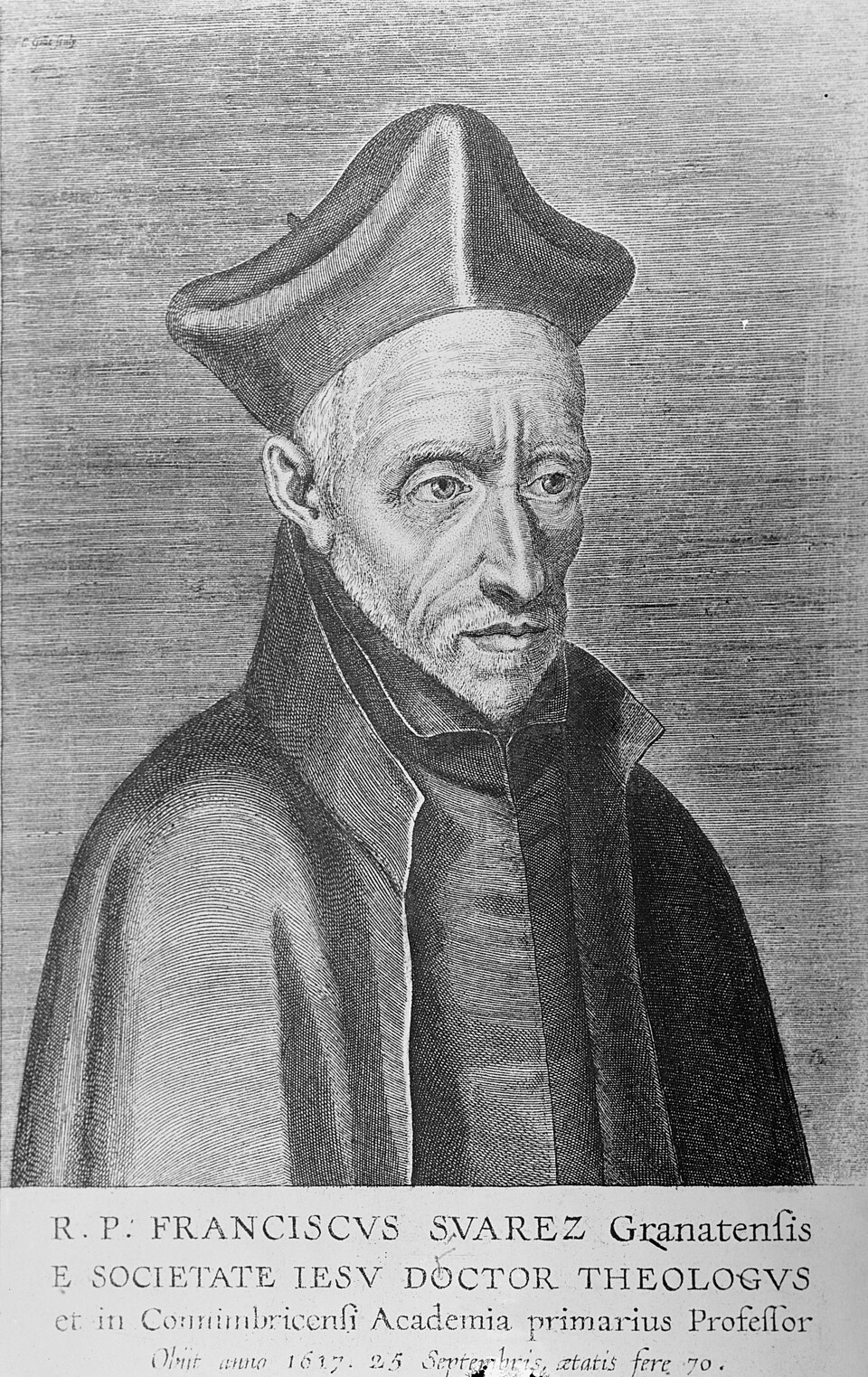
1548 - 1617 - Francisco Suarez (All Facts)
Spanish Jesuit Priest, Theologian, Philosopher, and Lawyer
He was a disciple of Luis de Molina
He adapted Molina’s ideas on predestination and free will to the tricky subjects of grace and special election
He argued that a certain elect were granted a special grace to whose influence they would willingly and infallibly yield; despite believing that all men were born equal, with an absolutely sufficient grace
He thus argued that this allowed for popes, but not for kings
He was appointed to the First Chair of Theology at the University of Coimbra in Portugal at the request of King Philip II

1612 - Francisco Suarez: Tractatus de legibus ac deo legislatore (All Facts)
Work which threatened a major split between church and state in Spain
Work in which the namesake author
champions native American rights
challenges the divine right of kings
refutes the patriarchal theory of government
Work in which the namesake author argues that
all legislative as well as paternal power is derived from God, and that every law should be His law
kings do not have the same power
all states are the result of a social contract to which the people must give their consent and that native Americans should be treated no differently in this respect
1613 - Francisco Suarez: Defensio Fidei (All Facts)
Work which argued against the rule of King James of England

1542 - 1621 - St. Robert Bellarmine (All Facts)
Italian Jesuit Theologian and Catholic Cardinal
He was a leader of the Catholic Counter-Reformation

1605 - 1621 - Pope Paul V (All Facts)
233rd Pope
His real name was Camillo Borghese
He dominated the Catholic world in his 16-year reign
He had completed the rebuilding of St. Peter’s Basilica
He called on the rulers of Venice to abandon their policy of social and moral control
This was a power Venice had taken from the Papacy previously
When they refused upon his calling to them, he placed them under the Edict of May 1606
He eventually had to reconcile with Venice after the Papacy was denied practical support by France and Spain and withdrew the Edict of May 1606
Thus, Venice retained its power that was originally that of the Catholic Church and maintained its control of the moral and social lives of its citizens
However, he had excommunicated the doge of Venice because the doge had forbade the erection of religious buildings without the permission of Senate
He rebuked King James of England for demanding an oath of allegiance
He died of a stroke only a few months after the Battle of White Mountain

1567 - 1622 - St. Francis de Sales (All Facts)
French-Savoyard Catholic Prelate and Bishop of Geneva
He was born in Savoy
He studied in Paris and Padua
He made his way through the church hierarchy to his present eminence
He was inspired by a visit to Paris, when he met the great representatives of French spirituality, Berulle and Marie de L’Incarnation; when writing his most famous work
He was a devotional writer
He co-founded the Order of the Visitation of Our Lady / Visitandines with Jeanne de Chantal
He died at Lyons

1609 - St. Francis de Sales: Introduction to the Devout Life (All Facts)
Work in which the namesake author
hopes to prove that the intimate love of God, often considered to be the province of priests and clergymen alone, is available to anyone and everyone who desires it
shows that the life of devotion is a life to which anyone and everyone may aspire
explains that God does not love only His priests and clergymen, but all of mankind
reconciled humanism with devotion, wishing to offer a spiritual life to all

1628 - St. Francis de Sales: The Spiritual Conferences (All Facts)
Collection of the namesake author’s familiar, practical conversations and talks on religious virtues, given directly to the Sisters of the Visitation
Published posthumously after the namesake author’s death
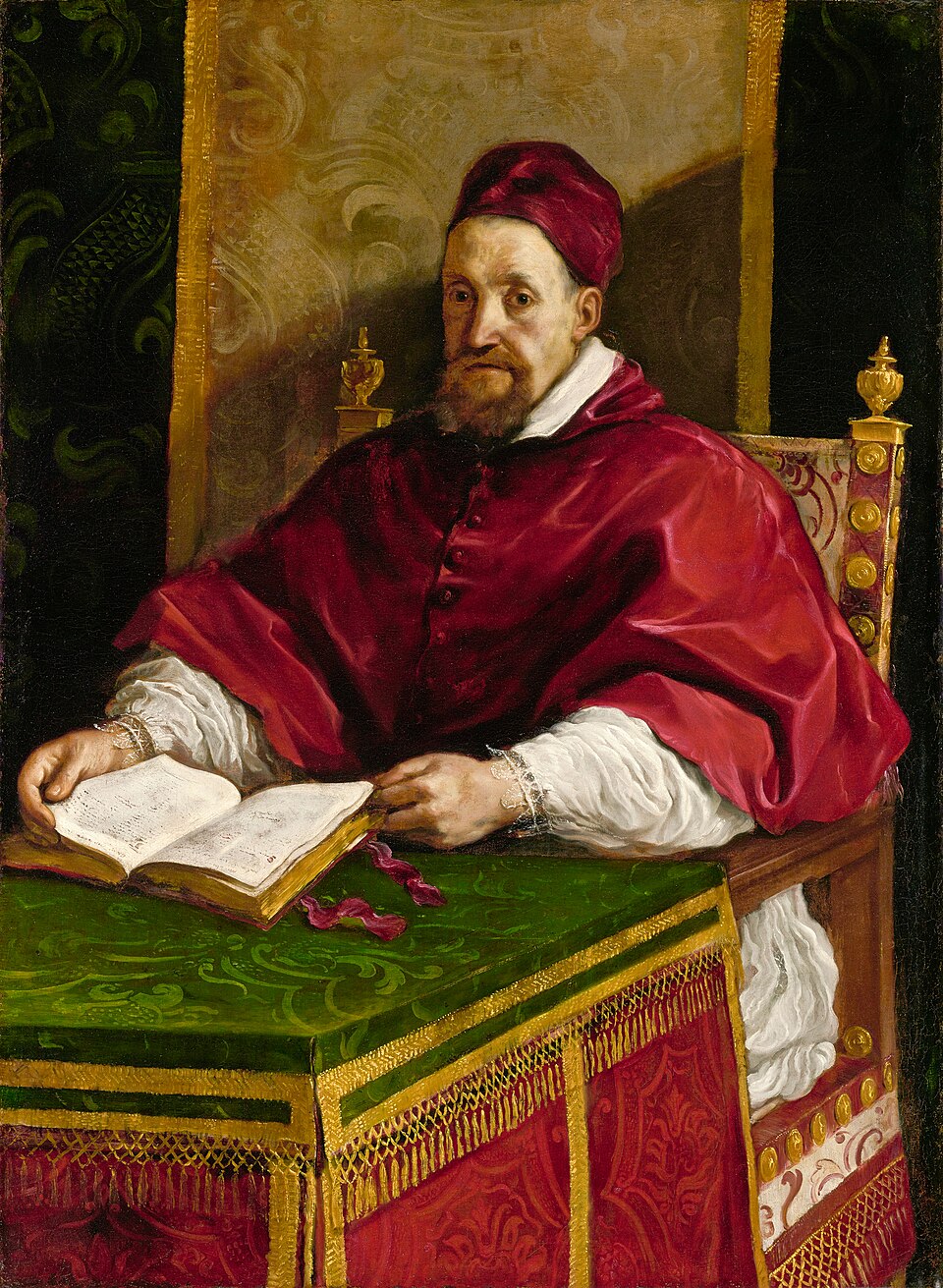
1621 - 1623 - Pope Gregory XV (All Facts)
234th Pope
His real name was Alessandro Ludovisi
He was from Bologna
He was previously a cardinal
He was elderly upon his assumption to the throne
He was a skillful politician
During / Under his reign,
the Catholic Counter-Reformation made important gains including
the spiritual reconquest of Bohemia after the Catholic victory at the Battle of White Mountain during the Thirty Years’ War
he issued the Inscrutabili Divinae Providentiae Arcano Papal Bull, which founded the Congregation for the Evangelization of Peoples / Sacred Congregation for the Propagation of the Faith
the Papal Chancery adopted January 1 as the beginning of the new year
His choice of saints
showed careful attention for the
temporal needs of the Catholic Church in its struggle against Protestantism
spiritual need to encourage the pious life
included
four prominent Jesuits including St. Ignatius of Loyola
St. Teresa of Avila
He cleared the (name of) Jesuit Roberto de Nobili of (for) corrupting the Catholic faith during his work in India

1536 - 1624 - Juan de Mariana (All Facts)
Spanish Jesuit Priest, Scholastic Philosopher, and Historian
His book criticizing the institution that was the Spanish Inquisition was put on the index of banned books
He was a critic of the institution from within the ranks of Catholic leadership

1599 - Juan de Mariana: The King and the Education of the King (All Facts)
Treatise which justifies regicide and affirms popular sovereignty
Work in which the namesake author rails against monarchy

1575 - 1629 - Pierre de Berulle (All Facts)
French Cardinal and Theologian during the reign of King Louis XIII
He founded the Congregation of the Oratory, one of the new orders of the French Counter-Reformation

1591 - 1635 - Fredrich Spee (All Facts)
German Jesuit Priest and Theologian and Poet
He was a courageous opponent of the procedure followed in Germany’s Witch Trials
He wrote some fine church hymns and pastoral allegories, inspired by St. John of the Cross and his Spanish mysticism

1631 - Fredrich Spee: Cautio Criminalis (All Facts)
Work in which the namesake author gives a passionate plea on behalf of those accused of witchcraft
1614 - 1636 - Gabriel Sagard (All Facts)
French Franciscan Father and Layman
He compiled a French-Huron dictionary
1564 - 1637 - John Gerard (All Facts)
English Jesuit Missionary who
operated an underground ministry of the Catholic Church in England during the reign of Queen Elizabeth
established several Catholic centers in England
became spiritual director of the English College in Rome
He was imprisoned for three years and escaped to Europe
He died at Jena

1585 - 1638 - Cornelius Jansen (All Facts)
Dutch Catholic Archbishop of Ypres in Flanders and Theologian
He was the father of the namesake theological movement

1585 - 1638 - Cornelius Jansen (All Facts)
Work in which the namesake author challenged the doctrine of free-will from the Catholic perspective of the namesake saint through five propositions
Work which laid the foundations for Jansenism / Jansenists / the Jansenist Movement
Work which was published posthumously in France by his friends, two years after his death
Work which was condemned by Pope Urban VIII and the Papacy

1581 - 1643 - Jean du Vergier de Hauranne (All Facts)
French Catholic Priest
He introduced Jansenism into France
He was the abbe of St. Cyran
He was a leader of the French Counter-Reformation
He was imprisoned by Cardinal Richelieu at Vincennes

1623 - 1644 - Pope Urban VIII (All Facts)
235th Pope
His real name was Maffeo Barberini
He was from Florence
He
pledged to excommunicate all those who take snuff (tobacco), angered by tobacco imports into Rome and Italy from the American colonies
banned tobacco as a product of the devil which causes
hallucinations and wayward behavior
upsets relations between men and women
destroys the fabric of society
He
presided over the Roman Inquisition’s Trial / Affair of Galileo
He had Galileo placed on house arrest instead of imprisoned after he was sentenced
condemned Cornelius Jansen’s “Augustinus”
opposed Antoine Arnaud (of France)
He
commissioned Gian Lorenzo Bernini to work on the Baldachin of St. Peter’s Basilica
patronized Francesco Borromini
had St. Peter’s Basilica was completed consecrated
transformed Rome into a city of elegant splendor

1593 - 1649 - St. Jan de Brebeuf (All Facts)
French Jesuit Missionary
He observed the Native Americans playing a game in which they propel a ball from a rawhide bag attached to a stick (modern-day lacrosse)

1644 - 1655 - Pope Innocent X (All Facts)
236th Pope
He condemned the five Jansenist propositions of Nicolas Cornet of the Sorbonne in Paris
He patronized Francesco Borromini
He transformed Rome into a city of elegant splendor
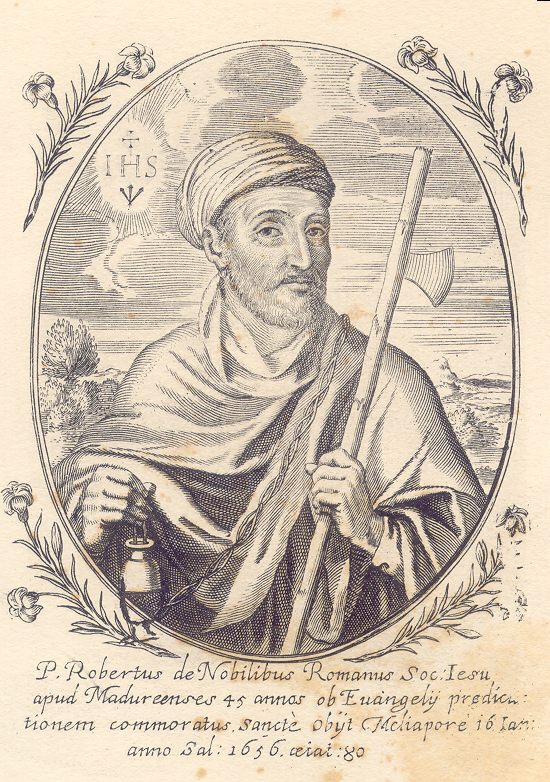
1577 - 1656 - Roberto de Nobili (All Facts)
Italian Jesuit Priest
He preached in the Dekhan region in India, where he learned local dialects and adopted the lifestyle of the Brahmins
He adopted local languages and customs and toned down some parts of the Gospel (the Christian message) in deference to Hindu sensibilities
His lifestyle aroused hostility in his fellow missionaries and he was charged with corrupting the Catholic faith during his work in India
His name was eventually cleared for (of) corrupting the Catholic faith during his work in India by Pope Gregory XV
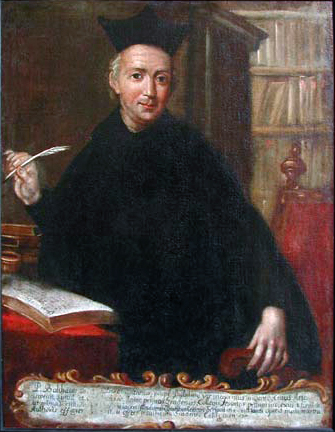
1601 - 1658 - Balthasar Gracian (All Facts)
Spanish Jesuit Writer, Novelist and Philosopher
He wrote several works setting out a system of practical ethics

1657 - Balthasar Gracian: El Criticon (All Facts)
Novel about a savage’s vision of civilization

1581 - 1660 - St. Vincent de Paul (All Facts)
French Catholic Priest
At the age of 25, he was captured by pirates on a sea voyage and sold into slavery in Tunis
He escaped by persuading his master to return to the Christian faith
He landed back in France soon after
He was considered the moral leader of the French Catholic Church in his day
He dedicated himself to serving the poor
He formed associations for helping the sick
He co-founded the Order of the Daughters of Charity
He founded the Congregation of Priests of the Missions, which was sanctioned by Pope Urban VIII
He also founded a charity for orphans

1591 - 1660 - Louise de Marillac (All Facts)
She co-founded the Order of the Daughters of Charity