Rhythms and Pacing
 Call Kai
 Learn
Learn Practice Test
 Spaced Repetition
 Match
Match Flashcards
 Knowt Play
1/60

Earn XP
Description and Tags
rhythms, pacings, changes, treatments
Name | Mastery | Learn | Test | Matching | Spaced | Call with Kai | Chat |
|---|
No analytics yet
Send a link to your students to track their progress
61 Terms
Asystole
flat line, no QRS present, no pulse, HR=0, no BP, lethal if not corrected in 3-5 minutes

What is the treatment for asystole?
DO NOT SHOCK!!!!! CPR, check asystole in two leads, epinephrine, pacemaker, consider the causes.
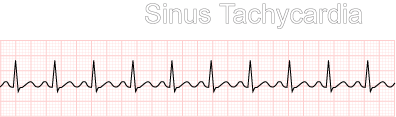
What is sinus tachycardia?
100-150bpm. rhythm is normal but too fast. workload of the heart is increased while the perfusion is decreased. this is a normal response to the body's increased demand for O2
What causes sinus tachycardia?
pain, hypovolemia, fever, exercise, anxiety, medications that stimulate sympathetic response, stimulants, illicit drugs
What is sinus bradycardia?
sinus rhythm but the heart rate is below 60bpm. may be normal for athletes or during sleep, seen with inferior and posterior infarctions

What is the treatment for sinus bradycardia?
ONLY TREAT IF PT IS SYMPTOMATIC. treat the cause. Give O2, atropine, pacemaker, dopamine or epinephrine infusion, assess for hypotension
What is the treatment for a fib?
Controlled: anti thromb therapy, warfarin(coags), factor x inhibs, then elective cardiovet (will need 3wk antithromb therapy)
AMIOOOOOOOOO, ditiazem
uncontrolled: EMERGENT CARDIOVERT

What is atrial fibrillation?
Atria is quivering but not contracting, AV node acts as a filter to protect the ventricle

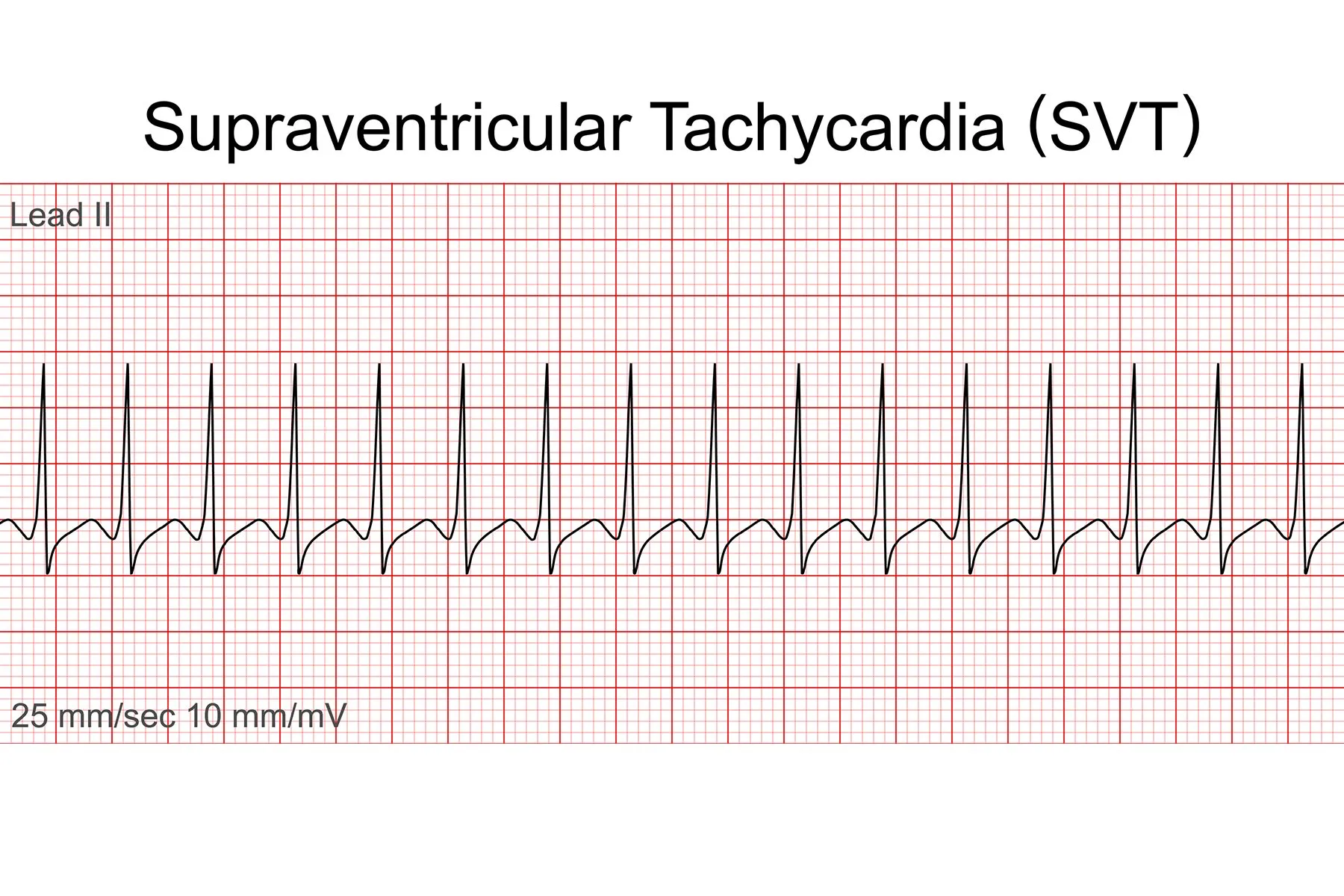
What is supraventricular Tachycardia?
cannot identify p wave and narrow QRS. rapid heartbeat that develops when the normal electrical impulses of the heart are disrupted.
what is V tach?
BAD, ventricles are pumping too fast

What is the treatment for v tach? WITH PULSE
-Pulse: amioderone or lidocaine, cardiovert(if unstable)
What is the treatment for v tach? WITHOUT A PULSE
-Pulseless: CPR and defibrillation followed by vasopressors (epi, vasopressin) and antidysrhymics (amiodarone) if defib unsuccessful
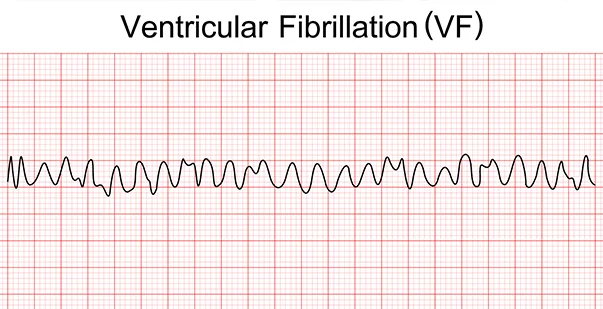
what is V fib?
you are dead, ventricles are quivering, clients have no pulse/BP/RR. fatal if not terminated in 3-5 minutes. Want Coarse v fib rather than fine because there is more of a rhythm to shock.
What is the treatment for v fib?
-CPR/DEFIB/EPI
-CPR, shock, med, shock, cpr, shock, med (epi, vasopressin), magnesium if low, bicarb (only in severe acidosis) antidysrythmics (amioderone, lidocaine, procinamide)
what is PEA?
patient has a rhythm but NO PULSE, heart muscle loses its ability to contract even though the electrical activity is preserved. This is treated like asystole.

What is the treatment for PEA?
Treat like asystole. CPR, epinephrine, rapid identification of the causes.
What is the treatment for third degree heart block?
pacemaker
What is fixed pacing?
generates paced beats regardless of what the heart's own intrinsic rate is doing. fire at a fixed rate constantly.

demand pacing
only paces the heart when needed. (i.e. the heart rate falls into a rate below the threshold of 60). ONLY KICKS IN WHEN THE HR DROPS.

ventricular pacing
Pacing is done within the ventricle. Firings are sent before the QRS.

atrial pacing
Pacing is done within the atria. Firings are sent before the p wave.

dual pacing
Combination of both atrial and ventricular pacing.

What are some issues that can happen with a pacemaker?
failure to pace
failure to sense
failure to capture
failure to pace
no pacemaker spikes. check connections and power to pacemaker.

Failure to sense
pacemaker spikes are not aligning with QRS and not pacing appropriately, ensure it is set to correct mode and does not need an increase in sensitivity.

failure to capture
pacemaker spike is being produced but not capturing a QRS

When is defibrillation indicated?
In a pulseless patient with a shockable rhythm (like V.fib and V tach)
cardioversion
shocks are synched with the QRS
what is important to do before cardioversion?
anticoagulant beforehand because it could dislodge a clot or embolism
what rhythms require cardioversion?
atrial fibrillation, A flutter, SVT, V tach with a pulse.
SYMPTOMATIC PATIENTS
automated external defibrillator (AED)
portable automatic device used to restore normal heart rhythm to patients in cardiac arrest
What EKG changes might occur with hyperkalemia?
ST depression, peaked t waves, wide/flat QRS, prolonged PR interval.Seen with third degree AV block, asystole, v fib, and v tach.

What EKG changes might occur with hypokalemia?
wide t waves, st depression, possible U wave.seen with torsade's or v fib.

What EKG changes might occur with hypomagnesemia?
tall T waves, ST segment depression, long QT/PR interval .seen with torsade's v tach

What EKG changes might occur with hypermagnesemia?
slowing of cardiac conduction, bradycardia, prolonged PR and QT intervals, peak t waves, wide QRS, av block or asystole

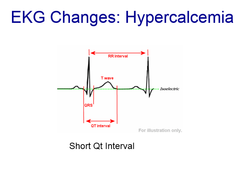
What EKG changes might occur with hypercalcemia?
short QT interval
What EKG changes might be seen with hypocalcemia?
slowing of cardiac conduction, bradycardia, prolonged PR and QT intervals

What dysrhythmias are seen with the SA node?
sinus tachy and sinus Brady
What dysrhythmias are seen with the AV node?
junctional rhythms, paroxysmal SVT
What dysrhythmias are seen in the ventricles?
PVC, V tach, tosades, v fib, asystole
what part of the heart is responsible for the P wave?
SA node
Atrial depolarization
what part of the heart makes the QRS complex?
purkinjie fibers
ventricular depolarization
what part of the heart makes the T wave?
ventricular repolarization
pacemaker
stimulates depolarization
-can pace atrium, ventricle, or both
5 indications of a temporary pacemaker
-heart attack (heart block)
-temporary support (post open heart surgery)
-awaiting a permanent pacemaker
-Arrhythmia (symptomatic bradycardia, AV blocks, complete heart block, overriding tachycardia, atrial or ventricular arrhythmia)
epicardial pacemaker
pacing wires sutured into the myocardium and exposed through the skin on the patients chest

transvenous pacemaker
cardiac pacemaker using a pacing electrode or wire passed through a vein into the chambers of the heart that stimulates and maintains a normal heart rate; may be permanent or temporary
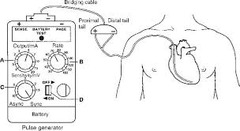
transcutaneous pacemaker
external pacemaker used as a temporary emergency measure for maintaining adequate heart rate

which type of pacemaker is inserted for open bypass patients?
epicardial
dysrhythmias of the atria
PAC's, A flutter, A fib
third degree heart block
PR interval is regular but does not match up to QRS.


hemodynamic changes of sinus brady
decreased cardiac output
decreased arterial pressure
hemodynamic changes of atrial flutter
decreased cardiac output
decreased blood pressure


hemodynamic changes of ATRIAL fibrillation
decreased cardiac output
decreased blood pressure

hemodynamic changes in ventricular tachy
systemic arterial hypotension
decreased cardiac output

hemodynamic changes in ventricular fibrillation
decreased stroke volume
decreased cardiac output
sinus tachycardia treatment
fix issue causing the dysrhythmia, if unstable sedate and cardiovert
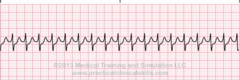
SVT treatment
-vagal stimulation: Valsalva maneuver, carotid massage
-IV adenosine is drug of choice
-IV beta blockers, CCB, amiodarone also used
-if none of that works, cardioversion
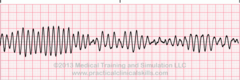
torsades de pointes
this is a form of v tach
-caused by low mag
torsades de pointes treatment
Magnesium