Marketing Chapter 9 & 10 (Product Concepts and Service Marketing)
 Call Kai
 Learn
 Practice Test
 Spaced Repetition
 Match
 Flashcards
 Knowt Play
1/26

There's no tags or description
Looks like no tags are added yet.
27 Terms
Products
something customers “hires” to fulfill job to be done
Types of Products
Business Products → manufacture, facilitate operation, resell
Consumer Products → to satisfy individual’s personal wants and needs
Types of Consumer Products
Convenience (inexpensive, little shopping effort)
Shopping (requires comparison shopping, costs more)
Specialty (unique characteristics, unwilling to accept substitutes)
Unsought (unknown to buyer, not actively sought)
Examples of Consumer Products
Convenience (personal hygiene, snack items, chocolate)
Shopping (price, style, practicality, lifestyle - clothing, furniture)
Specialty (homes, automobiles, engagement rings)
Unsought (insurance, burial plots, prescription cream)
Value of Proposition
manifestation of promise a company makes to its customers in exchange for the price to receive it (see, feel, touch, taste, experience)
Five Levels of Products

Product Items, Lines, Mixes

Product Mix
Produce Line Length
diversify against risk, spread risk across other products than 1 or 2
generate sales/profits

Example of Lululemon Product Lines and Product Mix

Adjustment by Modification
Product Modification — changing one or more of product’s characteristics
e.g. Kleenex may introduce four-ply tissues (new colours, moisturizing tissue)
Quality → Functional → Style
Planned Obsolesce
modifying products so those sold become obsolete before needing replacement
can be wasteful/unethical | some favour latest features/functions)
e.g. Apple with a new iPhone every year
Repositioning, Product Line Extension & Contraction,
Repositioning → changing consumer's’ perception
e.g. Old Spice, from after shave product to hygienic products
Extension → adding products to existing product line to offer more options
e.g. Old Spice, from deodorant to body wash, shampoos
Contraction → reducing products in existing product line
Universal Product Codes (UPCs)
series of thick or thin vertical lines (bar codes)
readable by computerized optical scanners
match codes to brand names, package sizes, prices
Packaging
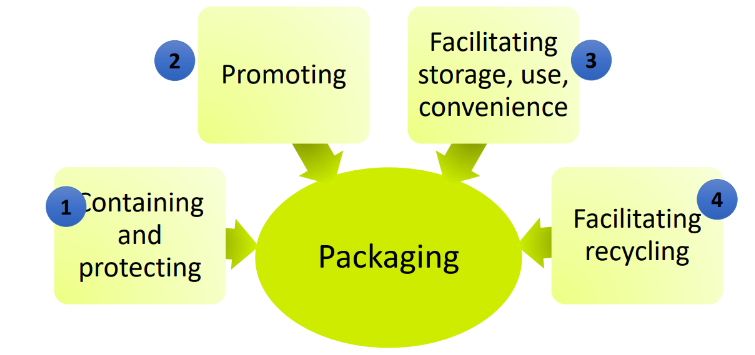
Labelling
Persuasive (focus on promotional theme or logo, consumer info secondary)
e.g. Mars, not chocolate bar but candy bar (chocolate amount low)
Informational (help to make proper selections, lower cognitive dissonance)
Consumer Packaging and Labelling Act
Design Thinking as a Process

Product Life Cycle (PLC)
intro → full launch of product in market
growth → sales growing, competitors enter
maturity → period sales (+) at a (-) rate, signals decline
decline → drop in sales

New Product Categories

New Product Development
Idea Generation —> customers, vendors, competitors, employees
Idea Screening → eliminate inconsistent ideas, have clear objective
Business Analysis → demand, costs, sales, profit
Development → prototype, market, manufacture, tests
Test Marketing → limited intro, determine reaction (high costs, alternatives)
Commercialization → decision to market product (time)

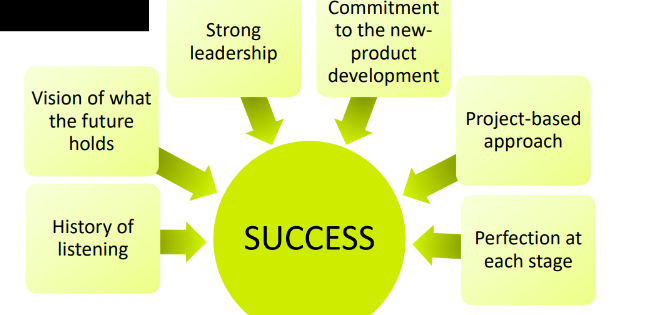
Keys to Success
Failure caused by

Services
products that are intangible (lacks physical form, packaging)
e.g. massage, real estate, memorable experiences (dinner or concert)
how services differ from goods
Intangibility → not able to touch, see, taste, hear or possess
Inseparability → production and consumption cannot be separate
haircuts, root canal surgery, massages, waxing
Inconsistency & Inventory
Heterogeneity (depends on service deliver)
training, uniforms, procedures, manual
e.g. Baskin Robins, new flavours often (manageable)
e.g. Crumbl with weekly flavours (inventory can be wasted, not enough)
Perishability (cannot be stored, inventoried)
surge pricing (to balance supply and demand, price goes up)
e.g. airplane tickets, uber, concert tickets
Quality of Services
Search - easily assessed before purchase (colour of car)
Experience - assessed only after use (massage)
Inexperience - difficulty assessing after use, lack of knowledge
Photo of Key Service Qualities


Service Gaps, how to close them

The 8 Ps of Service Marketing
Produce (make intangible tangible | customization, standardization)
Price (focus on maximizing income)
Place (convenience, direct vs indirect, location)
Promotion (brand ambassadors, strong image, postpurchase comms)
People (manage gaps and employees)
Process (people, possession, mental stimulus, info)
Productivity (supply down, quality up)
Physical Environment (visual cues to communicate message)
design, exterior appearance, urban design, social interactions
Customer Relationship Management (CRM)
Goal → attract, develop, retain = foster loyalty