Mitosis Review
 Call Kai
 Learn
 Practice Test
 Spaced Repetition
 Match
 Flashcards
 Knowt Play
1/19

There's no tags or description
Looks like no tags are added yet.
20 Terms
Chromatids are
joined strands of duplicated genetic material

Chromosomes
threadlike structures made of DNA molecules that contain the genes
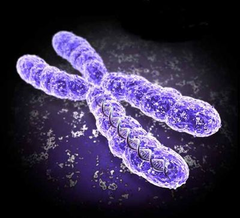
Centromere
the region of the chromosome that holds the two sister chromatids together during mitosis
Chromatin
Substance found in eukaryotic chromosomes that consists of DNA tightly coiled around histones
Telomere
DNA at the tips of chromosomes
Proliferate
To increase greatly in number; multiply
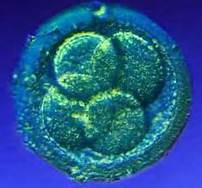
Anaphase
Phase of mitosis in which the chromosomes separate and move to opposite ends of the cell

Interphase
Cell grows, performs its normal functions, and prepares for division; consists of G1, S, and G2 phases

Metaphase
Chromosomes line up in the middle of the cell

Telophase
the final phase of cell division, between anaphase and interphase, in which the chromatids or chromosomes move to opposite ends of the cell and two nuclei are formed.

Prophase
Chromosomes become visable, nuclear envelop dissolves, spindle forms

Cytokinesis in plant cells
divide from inside out using a cell plate in middle of cell
Cytokinesis in animal cells
Cell membrane is drawn inward until the cytoplasm is pinched into two nearly equal parts
Growth Phase 1 (G1/Gap 1)
Cell grows rapidly and performs routine metabolic process

Synthesis Phase (S Phase)
Part of interphase where DNA is replicated

Growth Phase 2 (Gap 2 or G2)
Makes final preparations to divide (additional proteins and organelles)

Cleavage Furrow
The area of the cell membrane that pinches in and eventually separates the dividing cell
Cell plate formation
The mechanism of cytoplasmic division in plant cells. After nuclear division, vesicles derived from Golgi bodies deposit the material for a cross-wall that cuts through the cytoplasm and connects to the parent cell wall.
Spindle fibers
Protein structures which move the chromosomes during cell division.

Kinetochore
A specialized region on the centromere that links each sister chromatid to the mitotic spindle.
