pain
 Call Kai
 Learn
 Practice Test
 Spaced Repetition
 Match
 Flashcards
 Knowt Play
1/36

There's no tags or description
Looks like no tags are added yet.
37 Terms
pain assessment

Biopsychosocial Model

pain

pain threshold
The point at which a stimulus causes the client to perceive pain.
pain tolerance
How much of a stimulus the client is willing to accept.
assessing and documenting

descriptive characteristics

acute pain

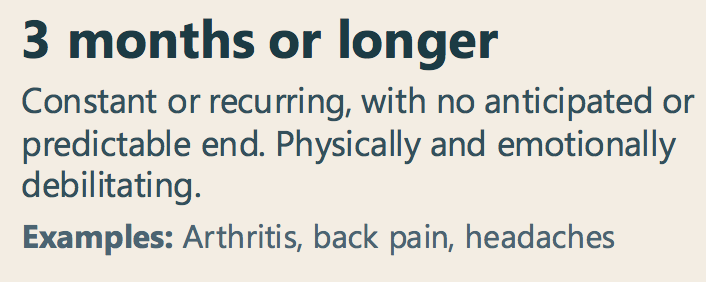
chronic pain
nociceptive pain
Treatment differs: medications effective for nociceptive pain are not effective for neuropathic pain

neuropathic pain
Treatment differs: medications effective for nociceptive pain are not effective for neuropathic pain

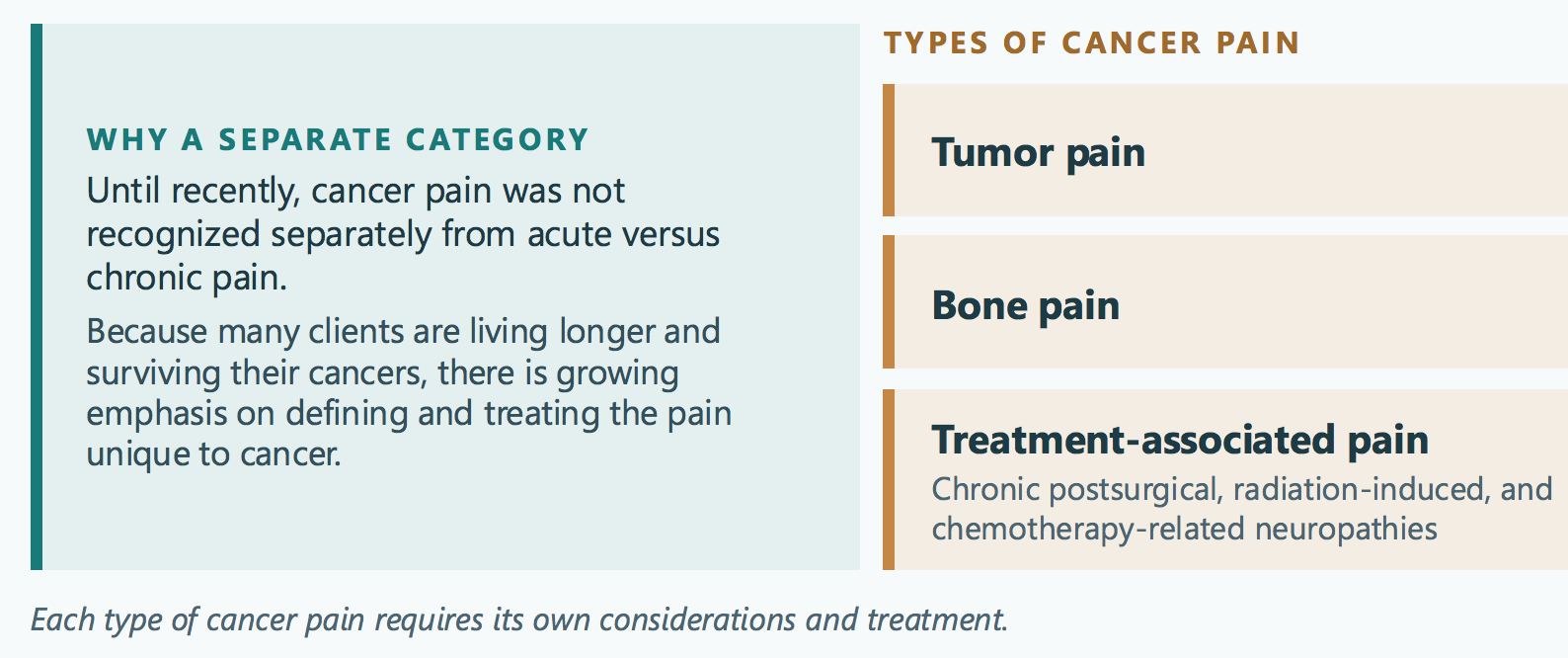
cancer pain
children
adults

older adult

communication barriers

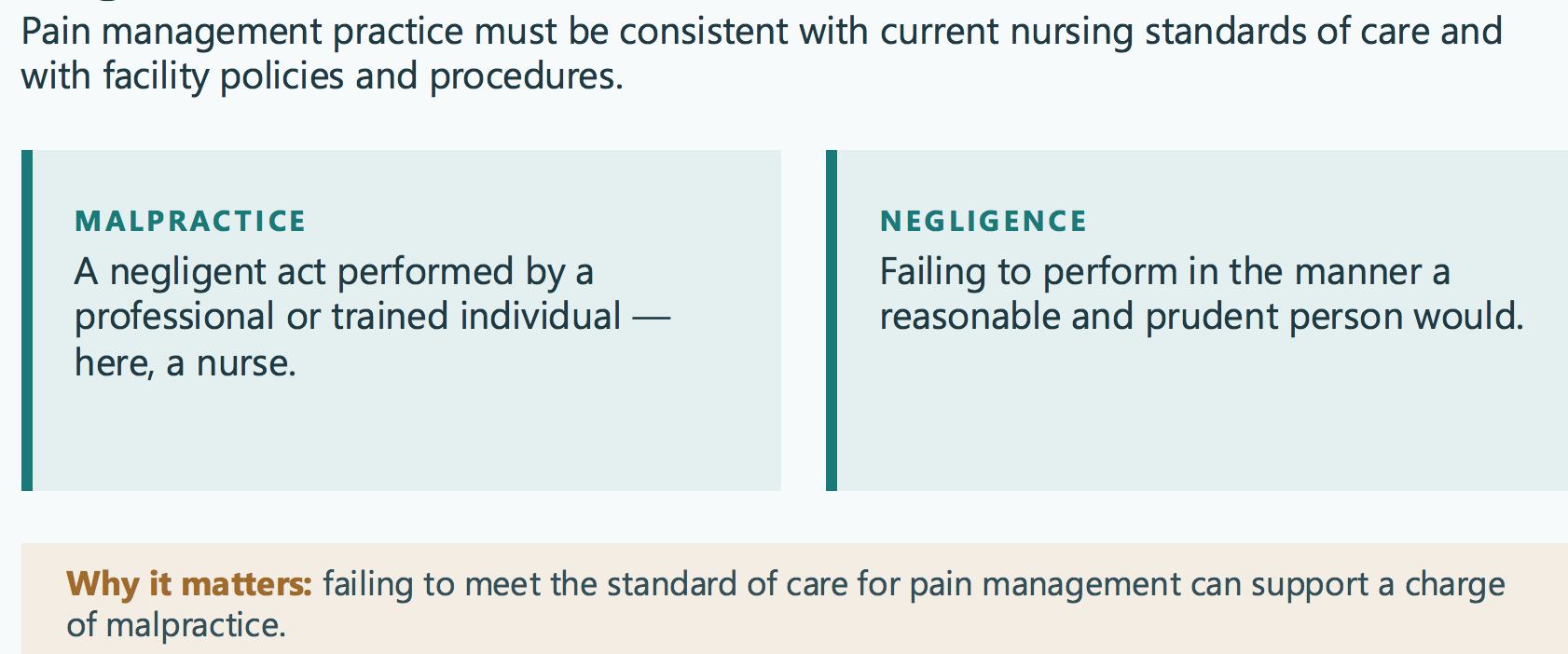
legal considerations
ethical consideration
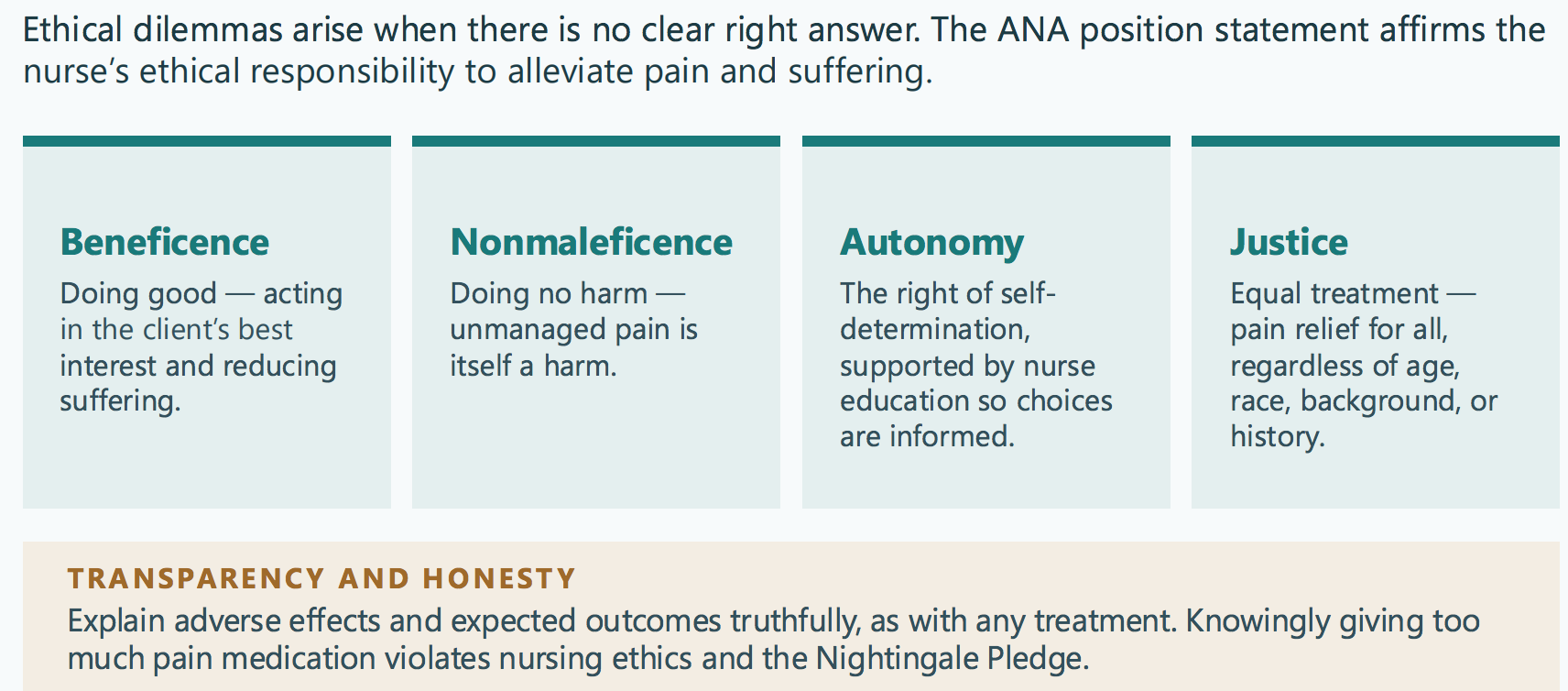
morality

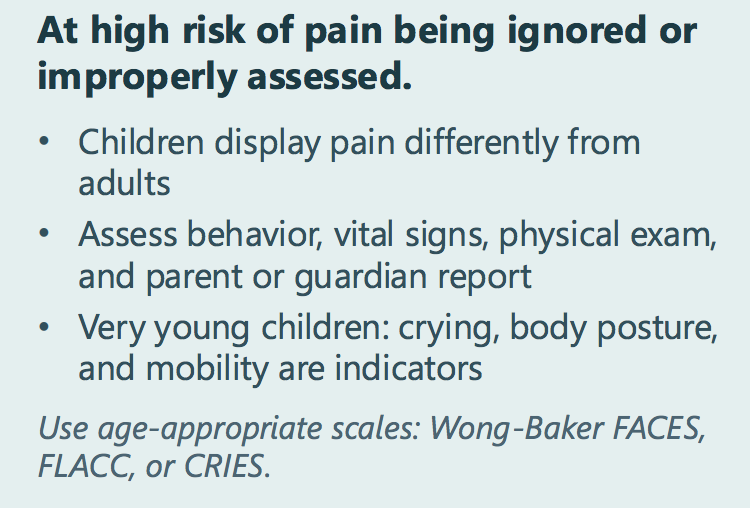
cries

Flacc

PAINAD

wong baker faces
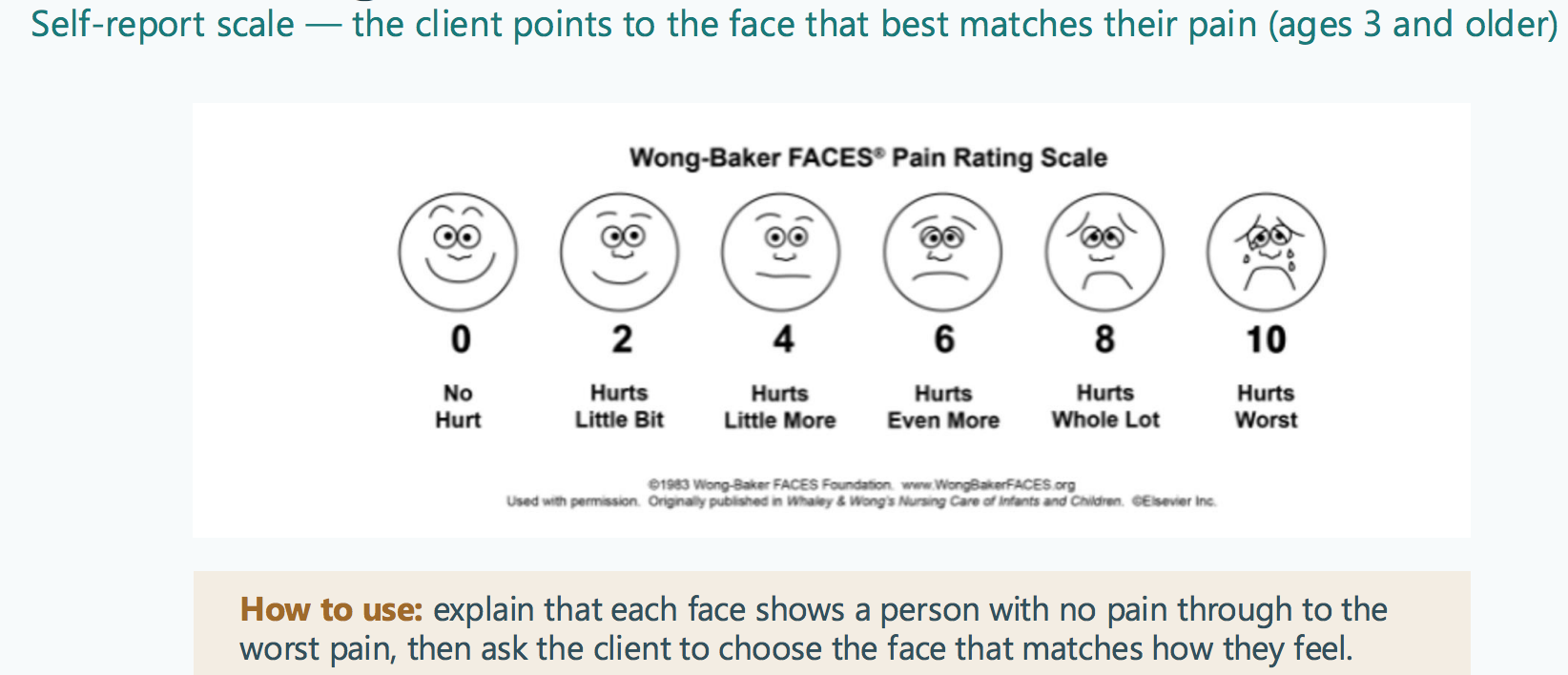
nonverbal

revised non verbal
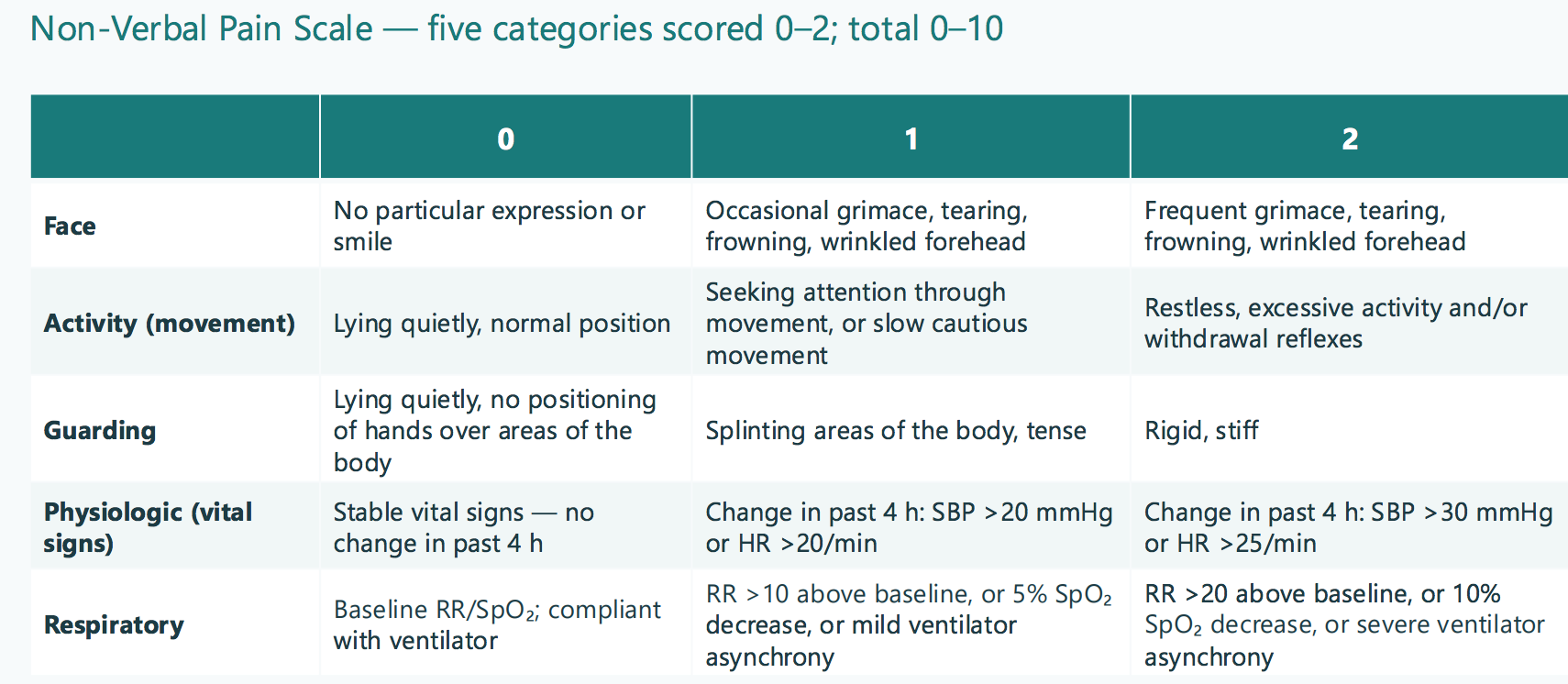
CPOT

end of life

subjective

objective

PQRST

numeric rating

visual analog scales

whole person

risk factors

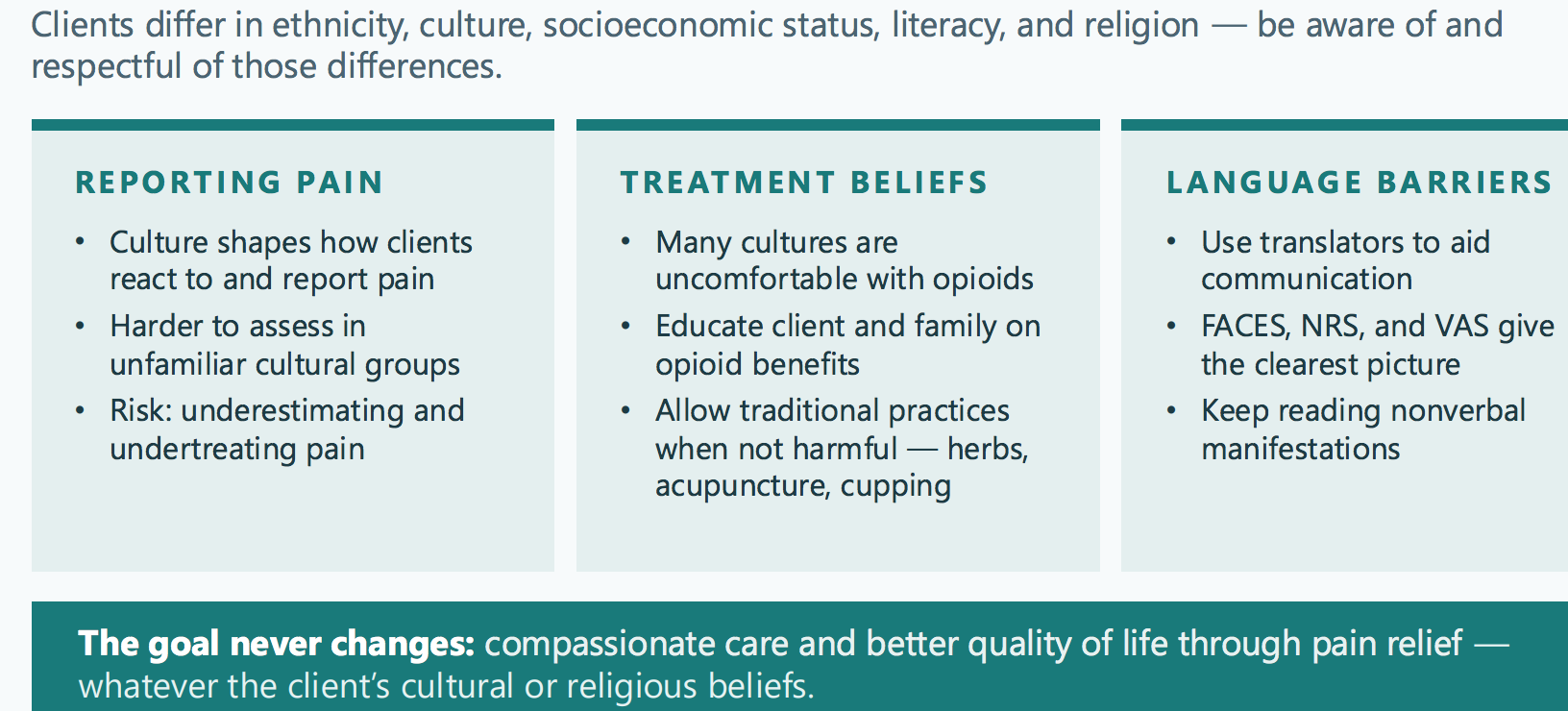
cultural considerations
positioning
• Reposition every 2 hours, more often as needed
• Keep clients off bony prominences
• Pad coccyx, sacrum, heels, scapulae
• Move carefully to avoid shear injury
cutaneous simulation
• Heat for muscular pain; cold for swelling (20–30 min, check skin)
• Massage and acupressure lower pain scores
• Acupuncture — experienced practitioner only
• TENS unit; ESWL for soft-tissue injury