anatomy exam 3
 Call Kai
 Learn
 Practice Test
 Spaced Repetition
 Match
 Flashcards
 Knowt Play
1/208

There's no tags or description
Looks like no tags are added yet.
209 Terms
central nervous system (CNS)
brain and spinal cord
somatic nervous system
actions are voluntary and within our control
autonomic nervous system
actions are “automatic” and involuntary
the path of a nerve impulse
dendrites, cell body, axon, axon terminals, synaptic end bulb
gray matter
cell body of a neuron due to the ribosomes within the cell body
Schwann cells
wrap around an axon in the PNS and become myelin sheath

bipolar neuron
cell body is in the center; found in the ears, eyes and nose

pseudounipolar neuron
cell body hangs; sensory neurons housed in dorsal root ganglia
afferent neurons
sensory neurons that receive a signal and carry information towards the CNS
efferent neurons
motor neurons that carry out the response or action
oligodendrocytes
wrap around axons forming the myelin sheath
microglial cells
eat pathogens in the CNS
astrocytes
form the blood-brain barrier by wrapping around capillaries
blood brain barrier
connects capillaries with neurons. minimizes what can cross from blood to the brain
ependymal cells
move cerebrospinal fluid/line brain ventricles and the central canal
gray matter is called what in the PNS
ganglia
white matter
bundles of axons
white matter is called what in the CNS
the tract
white matter is called what in the PNS
the nerve
peripheral nervous system (PNS)
made up of cranial nerves and spinal nerves. contains the afferent and efferent neurons, as well as the autonomic and somatic nervous systems.
plexus
a network of nerves as it comes off the spine
cervical plexus
contains the phrenic nerve
brachial plexus
contains the radial, medial, and ulnar nerves
lumbar plexus
contains the femoral nerve
sacral plexus
contains the sciatic nerve
how many pairs of spinal nerves are there
31
action potential
wave of polarity changes
polar
two different electric charges

node of Ranvier
node of the axon
sulcus
2 halves that come together

cervical enlargement
enlargement of the spinal cord in the upper back, made of gray matter

lumbar enlargement
nerves to and from the pelvis and below
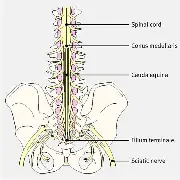
conus medullaris
tapered end of the spinal cord
filum terminale
fibrous tissue strand that extends from the conus medullaris to the coccyx to help stabilize the spinal cord. extension of the pia mater
how many pairs of cervical spinal nerves are there
8
how many pairs of thoracic spinal nerves are there
12
how many pairs of lumbar spinal nerves are there
5
how many pairs of sacral spinal nerves are there
5
how many pairs of coccygeal spinal nerves are there
1

cauda equina
spinal nerves distal to the conus medullaris. they hang down until they reach their respective foramina

gray matter in the cross-section
looks like the letter H
gray commissure
cross-bar of H
central canal
cavity in the center of the spine (contains CSF)

ventral medial fissure
space in front middle of cross section

dorsal median sulcus
line in back middle of cross section
dorsal gray horns
arms of the H
ventral gray horns
legs of the H

dorsal root ganglion
cell bodies of afferent neurons. contains the cell bodies of the PNS
epidural space
where the spinal cord sits
dura mater
made of fibrous CT, most superficial meninge
subdural space
space between the dura mater and arachnoid mater, contains serous fluid
arachnoid mater
middle meninge, spider-like in appearance
subarachnoid space
space between the arachnoid mater and pia mater. contains CSF
pia mater
innermost meninge, most delicate. adheres to the surface of the spinal cord
adipose tissue
cushions between hard bone and spinal cord structures
3 functions of the spinal cord
takes information to the brain, takes inforamation from the brain, reflexes

lumbosacral enlargement
widened area of the spinal cord located in the lower back, made of gray matter
cerebrospinal fluid
fluid in the spinal cord. circulate between the arachnoid and pia maters
nerves
tracts of the CNS
dorsal roots:
bundles of axons
reflex
sensing something and reacting without consulting the brain
reaction
sensing something and reacting by consulting the brain
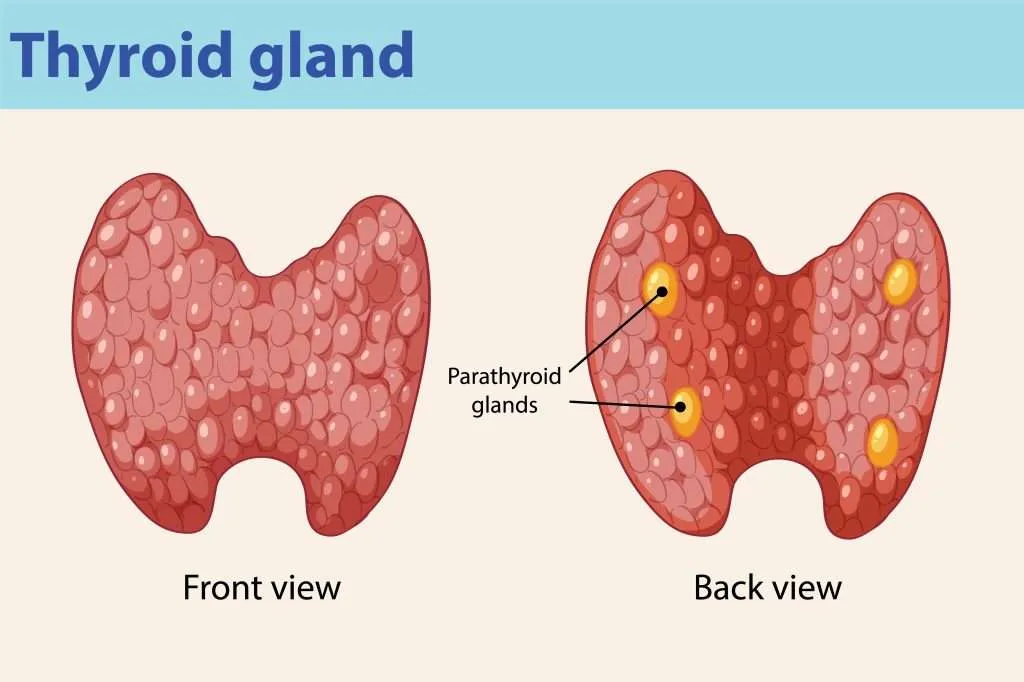
parathyroid gland
essential gland, patch inside the thyroid, puts calcium in the bloodstream
pancreatic islets
release insulin and glucagon
pancreatic acini cells
aid digestion
alpha cells
along the edge of the pancreatic islet
beta cells
not along the edge of the pancreatic islet
pancreatic duct
carries digestive enzymes to the small intestine
spinal nerves
bundles of nerves off the spinal cord
epineurium
surrounds the spinal nerve
each fascicle of the spinal nerve contains what?
myelinated axons
what are fascicles surrounded by
the perineurium
what are myelinated axons surrounded by
the endoneurium
ONLY what has a cell body
a neuron

dorsal ramus
branching off of dorsal and ventral roots in the back of the spinal cross section. innervates the muscles and skin of the back

ventral ramus
branching off of dorsal and ventral roots in the front of the spinal cross section. innervates the ventral surface

cervical plexus
C1-C5. Innervates the head, contains the frontic nerve that innervates the diaphragm.

brachial plexus
C6-T1. innervates the arm
T2-T11
the intercostal nerves. They innervate the abdominal and intercostal muscles

lumbar plexus
L1-L5. contains the femoral nerve, innervates the interior part of your leg and the pelvic region

sacral plexus
S1-S5. contains the sciatic nerve, innervates the posterior or side of the leg and the gluteus maximus
phrenic nerve
found in the cervical plexus, provides motor control of the diaphragm

median nerve
found in the brachial plexus, controls forearm flexion and movements of the finger and thumb
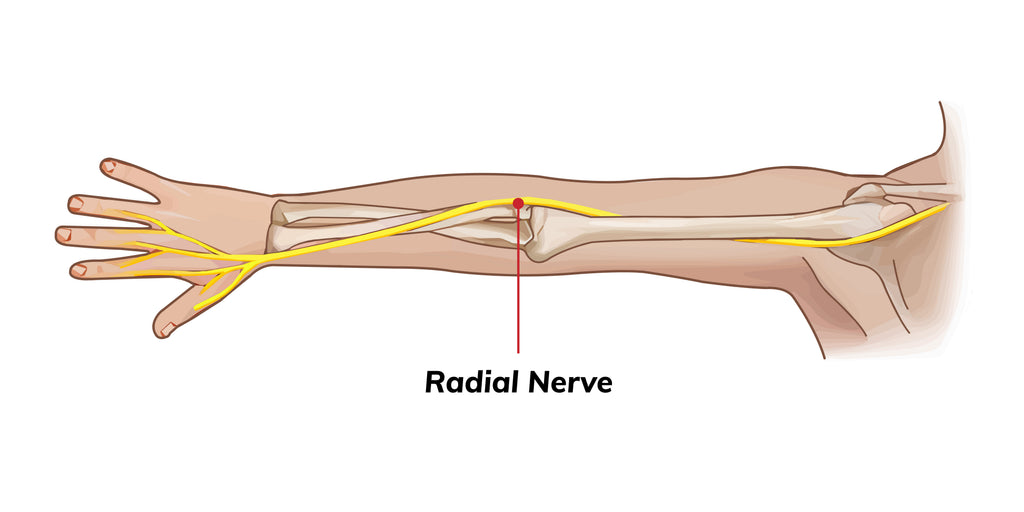
radial nerve
found in the brachial plexus, supplies motor function to the triceps

ulnar nerve
found in the brachial plexus. responsible for motor control of specific hand and forearm muscles.

femoral nerve
found in the lumbar plexus. moves the hips, legs, ankles and feet

sciatic nerve
found in the sacral plexus. provides motor control to the posterior thigh and muscles of the legs and foot
how many neurons does the brain contain
86 million

medulla oblongata
regulates breathing, heart rate, and blood vessels/blood pressure

pons
superior to the medulla oblongata. bridge to the cerebellum

midbrain
superior part processes visual info, inferior part processes auditory info

thalamus
relays sensory/motor information to the cerebral cortex

epithalamus (pineal gland)
produces melatonin

hypothalamus
controls fight or flight/rest and digest responses (autonomic). produces ADH and oxytocin
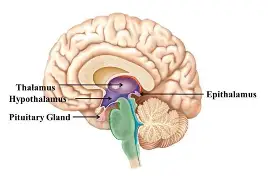
diencephalon
contains the thalamus, epithalamus, and hypothalamus

mammillary body
responsible for mamillary reflexes like feeding habits, swallowing, licking reflexes of infants

pituitary gland
makes essential hormones and tells other endocrine glands to release hormones

cerebellum
controls motor functions of the body
arbor vitae
“tree branches” of the inner cerebellum