5. Innate Immunity 2: Phagocytosis and Natural Killing
 Call Kai
 Learn
 Practice Test
 Spaced Repetition
 Match
 Flashcards
 Knowt Play
1/23

There's no tags or description
Looks like no tags are added yet.
24 Terms
What happens if pathogens cross epithelial barriers, and which immune cells are involved in innate killing?
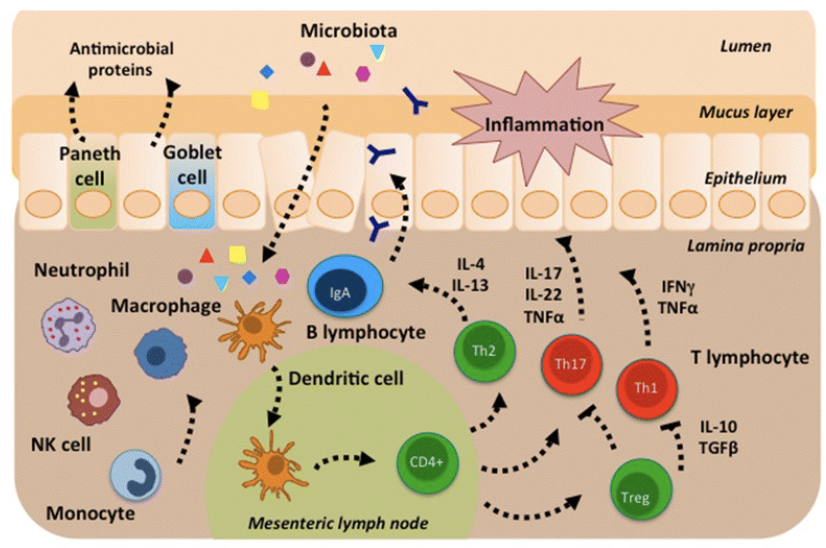
Innate immune cells under epithelium act as gatekeepers
Functions:
Recognize danger
Destroy invaders at site of entry (innate killing)
Cells: macrophages, neutrophils, dendritic cells, NK cells, NKT cells, γδ T cells, bystander CD8+ T cells
Where does hematopoiesis occur after birth in mammals?
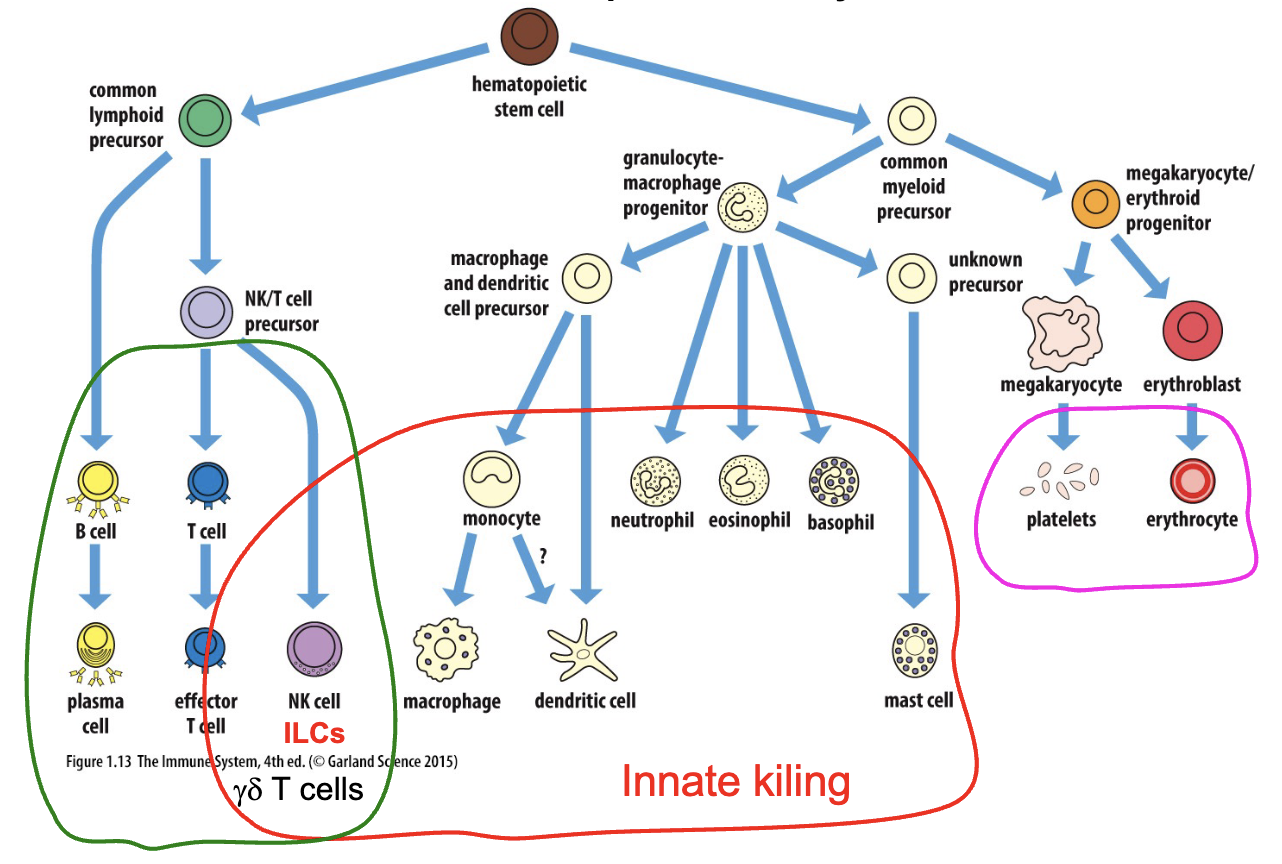
Bone marrow is the site of hematopoietic activity.
What are the three main forms of innate killing?
Phagocytosis (a form of endocytosis): macrophages, neutrophils, dendritic cells, B cells
Direct cell cytotoxicity (directed toward infected or abnormal cells): NK cells, NKT cells, γδ T cells, bystander CD8+ T cells
Complement/peptide-mediated killing (molecules that can induce death signaling)
What are the key functions of macrophages?
Derived from monocytes
Most efficient phagocytes
Remove aged/damaged/apoptotic cells
Process and present antigens to T-cells
Secrete cytokines (innate + adaptive roles)
Essential for tissue repair/remodeling
What are the categories of macrophages based on phenotype and location?
Phenotype/function:
M1: killer (anti-microbial, anti-tumor)
M2: healer (regulatory, pro-tumor)
Location:
Mobile (wandering)
Fixed (tissue) → reticular M (lymph node/spleen), Kupffer (liver → detoxification), microglia (brain), alveolar M (lung), peritoneal M (gut), cardiac (heart), Langerhans (skin)
How do macrophages act as professional phagocytes?
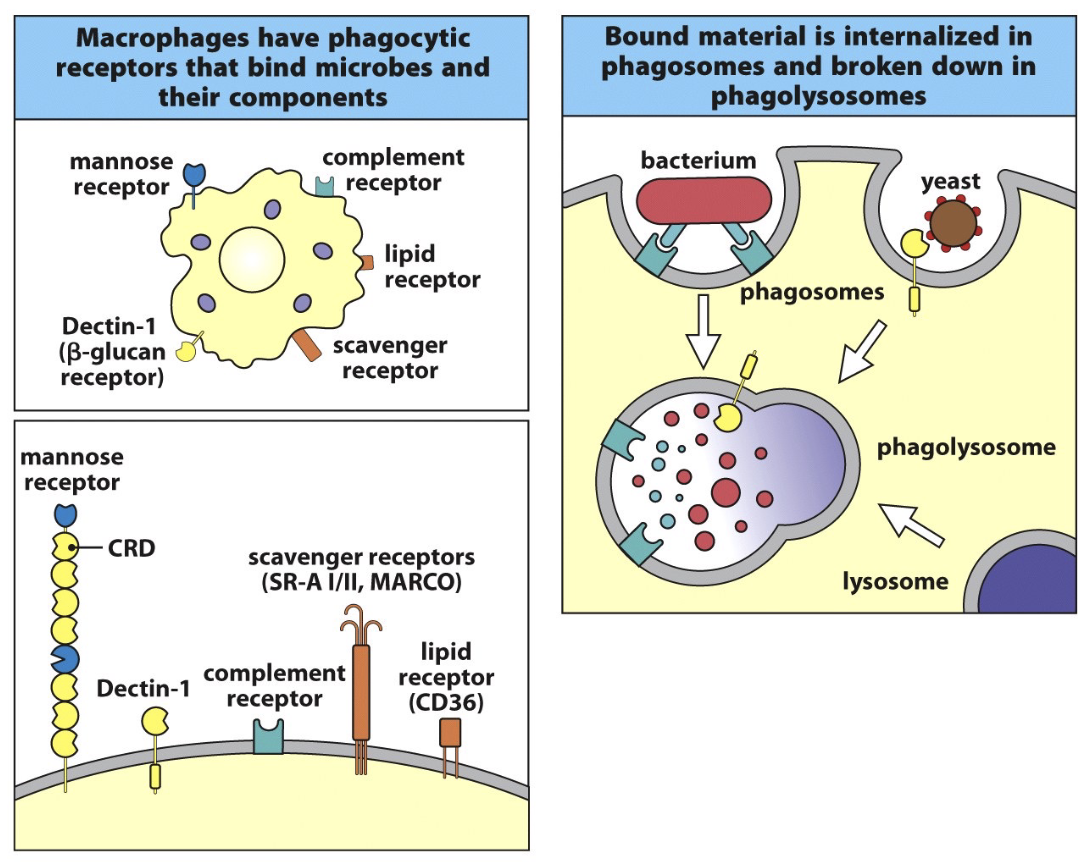
Use phagocytic receptors to bind microbes/components
Internalize material into phagosomes
Fuse with lysosomes → phagolysosomes for breakdown
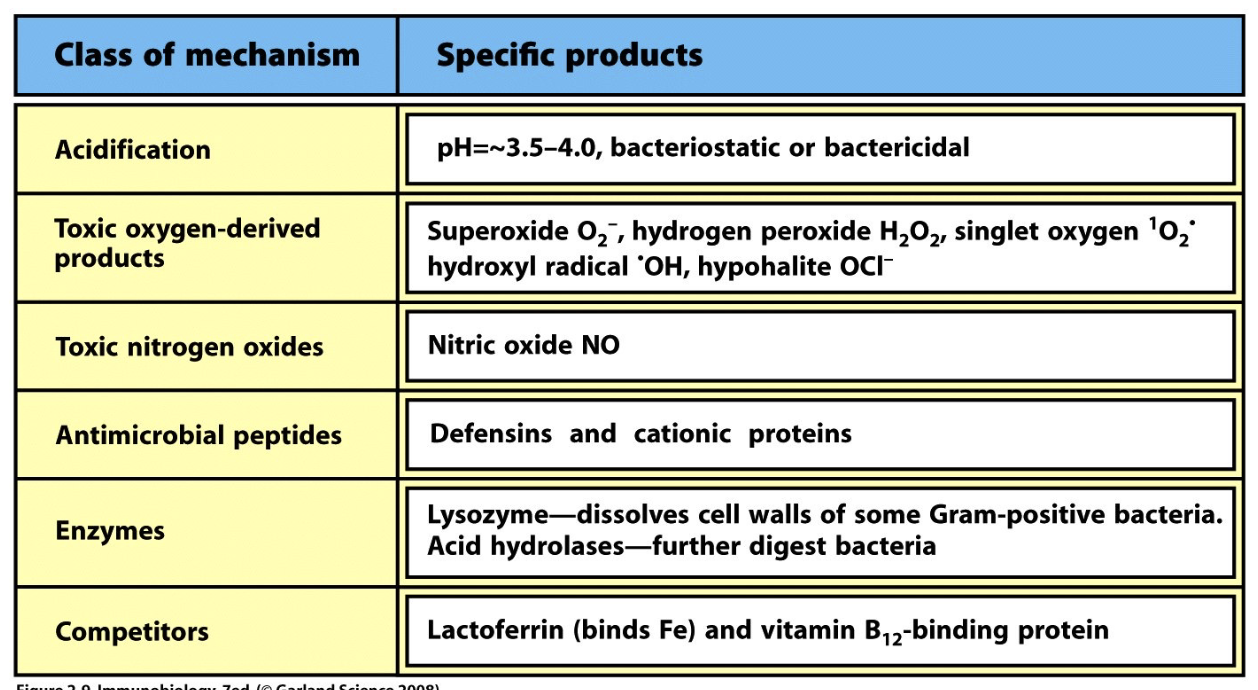
What antimicrobial mechanisms do phagocytes use?
Acidification (pH ~3.5–4.0)
Toxic oxygen products (O2-, H2O2, OCl-, OH-, singlet O2)
Toxic nitrogen oxides (NO)
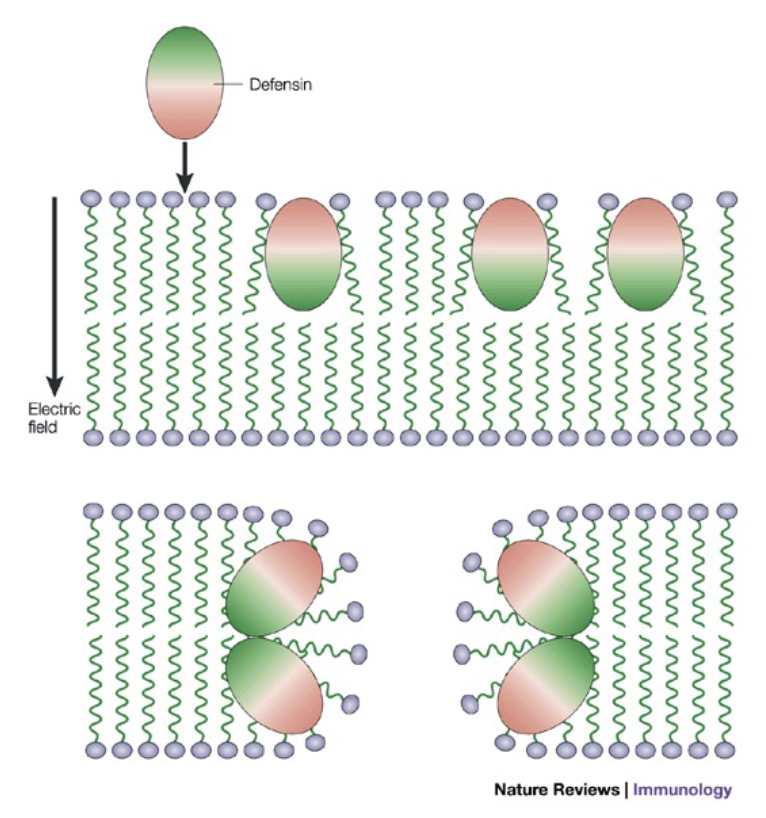
Antimicrobial peptides (defensins, cationic proteins)
Enzymes (lysozyme, acid hydrolases)
Competitors (lactoferrin binds Fe, B12-binding protein)
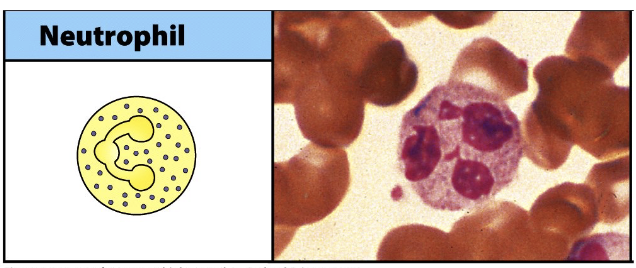
What are the key features of neutrophils (microphages)?
Most abundant circulating leukocytes
First responders to infection/injury
Hallmark of bacterial infection (gram positive/ gram negative)
Short-lived (hours–days), cannot multiply
Bone marrow makes millions per minute
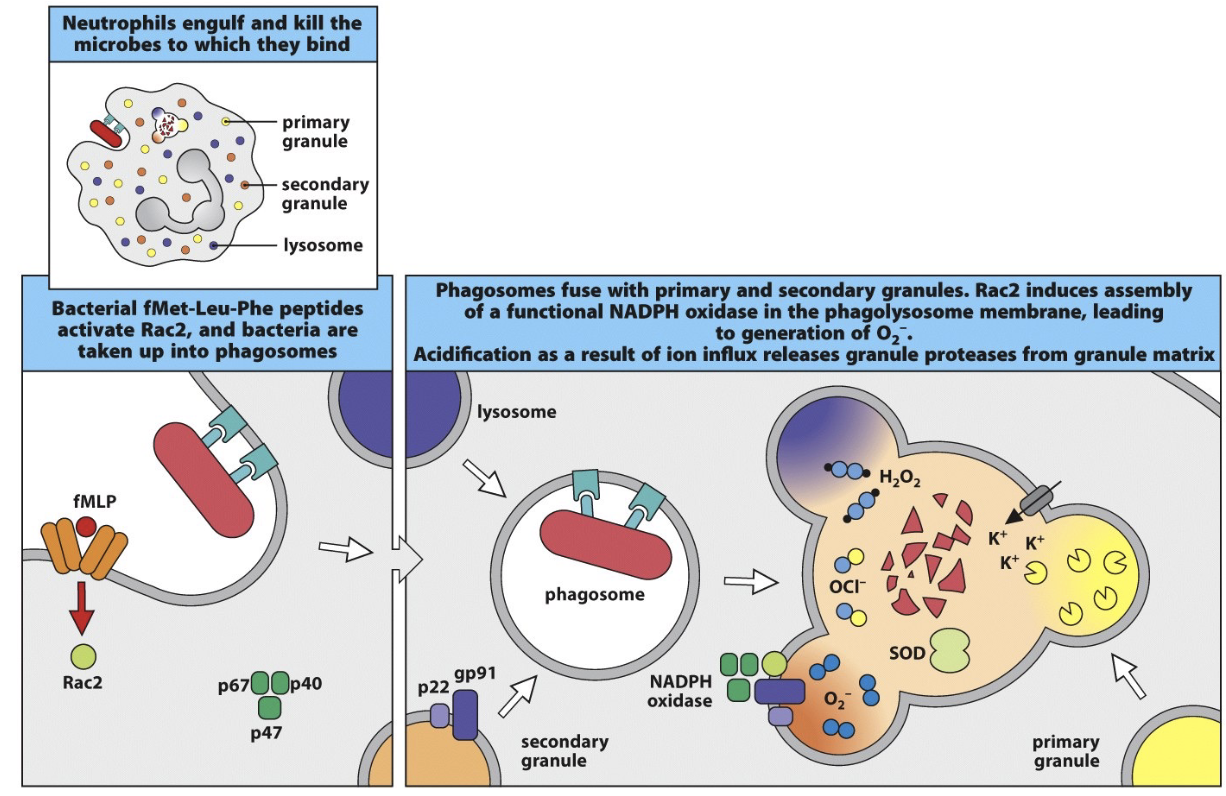
How do neutrophils kill microbes?
Bind → engulf bacteria
Bacterial fMet-Leu-Phe peptides activate Rac2
Phagosomes fuse with granules → NADPH oxidase generates O2-
Acidification releases proteases → microbe killing
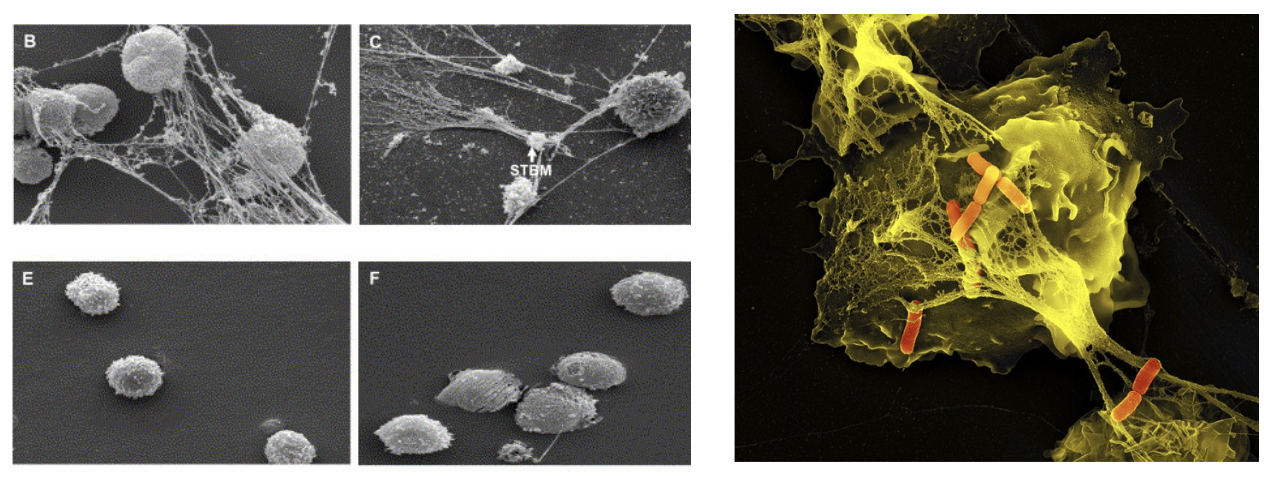
How can neutrophils and macrophages kill microbes besides phagocytosis
NETs: Neutrophil Extracellular Traps via netosis
Pro: Cell death where neutrophils release web-like structures of DNA and proteins with cytotoxic granules (primary/secondary) to trap and kill pathogens
Con: Tissue damage
METs: Macrophage Extracellular Traps via metosis
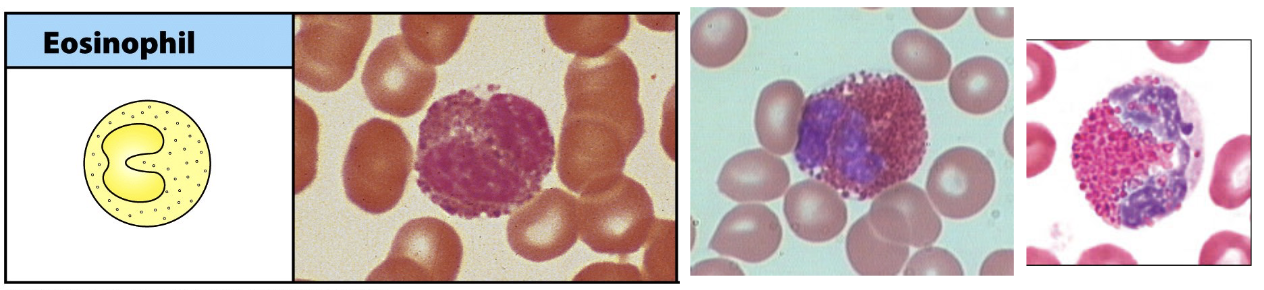
How do eosinophils contribute to innate immunity?
1–4% of WBCs
Eosinophilia = hallmark of helminth infections
Can phagocytose but mainly release toxic contents extracellularly
Kill fungi, protozoa, worms (pathogens too big for phagocytosis)
Main idea: Can do innate killing, but are more specialized on bigger pathogens
Lifespan: 8–12 days
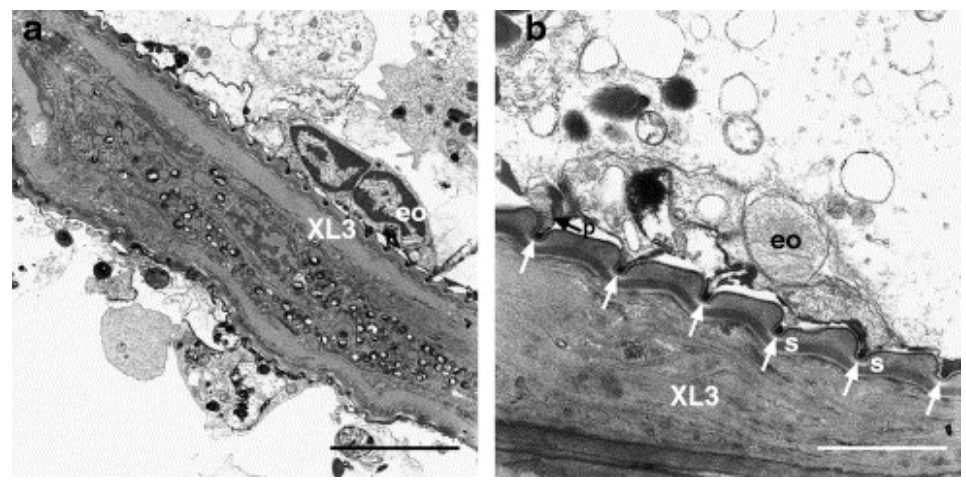
What makes eosinophils potent killers of multicellular parasites?
Eosinophil peroxidase (EPO).
What is natural cytotoxicity and how is it carried out?
Killing by NK, NKT, γδ T cells, bystander CD8 T cells
4 lymphocytes that conduce innate cytotoxicity
Targets:
Virally infected cells
Malignant cells
Antibody-coated cells
Methods:
Receptor-mediated cell death
Release of toxic granules into target cells
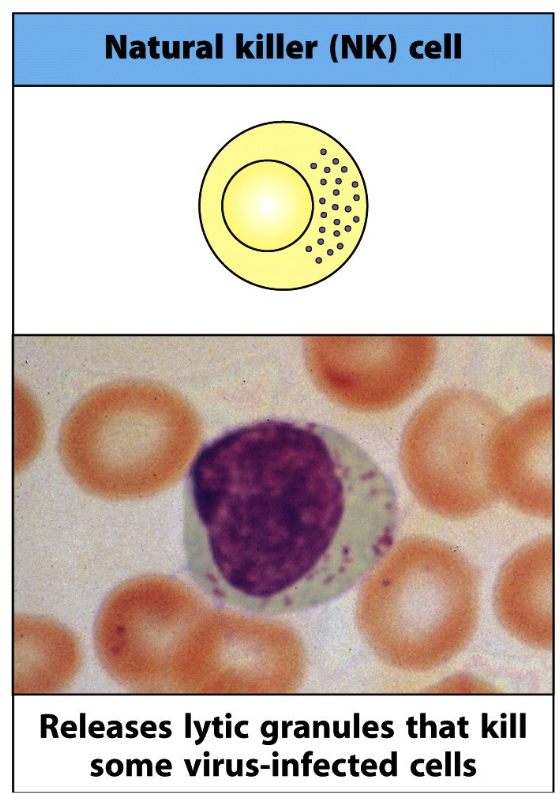
What are the key features of NK cells?
5-20% of circulating white blood cells is NK cells depending on ethnicity
Lymphoid lineage, most important innate lymphoid cells (ILCs)
Kill tumor/virus-infected cells (granules: perforin + granzyme)
Not ALL NK cells can kill
3 subsets in humans:
Cytotoxic
Regulatory (tissue remodeling)
Cytokine producers
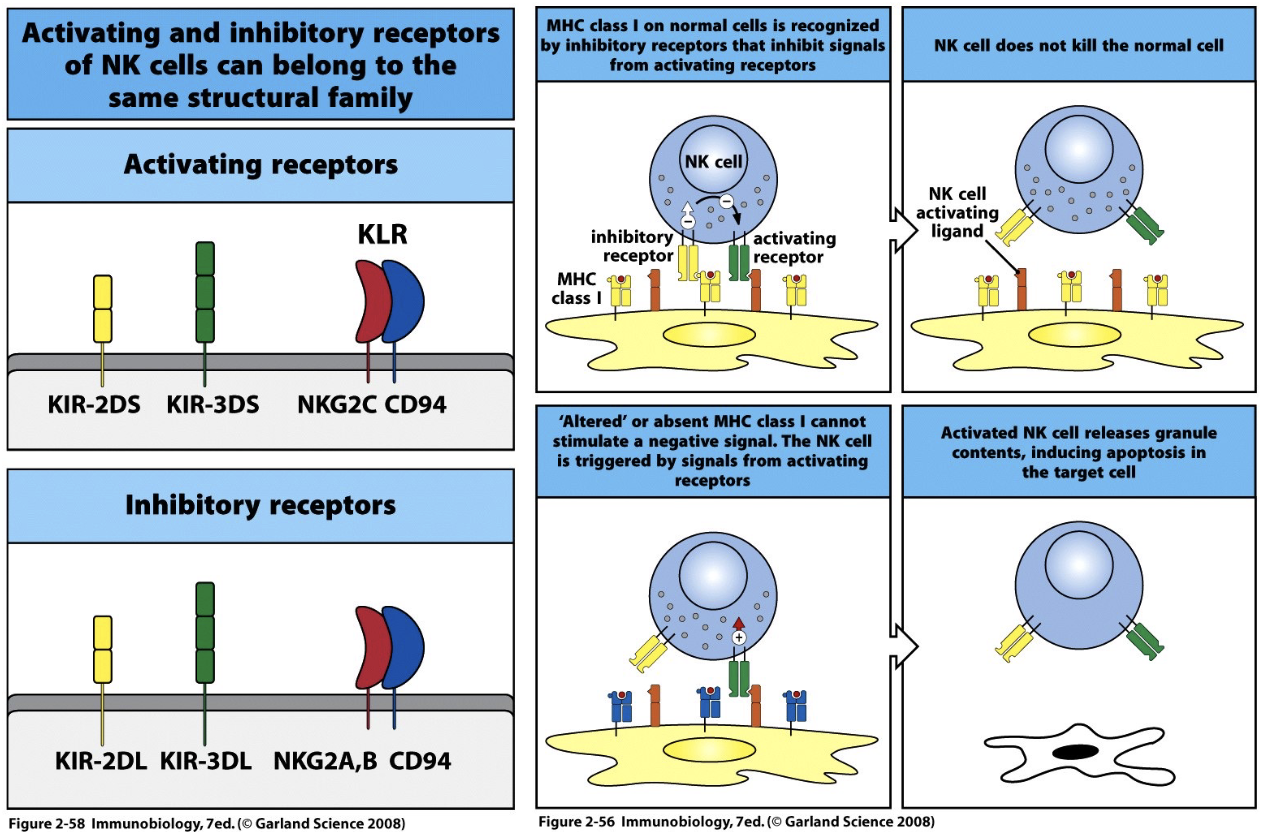
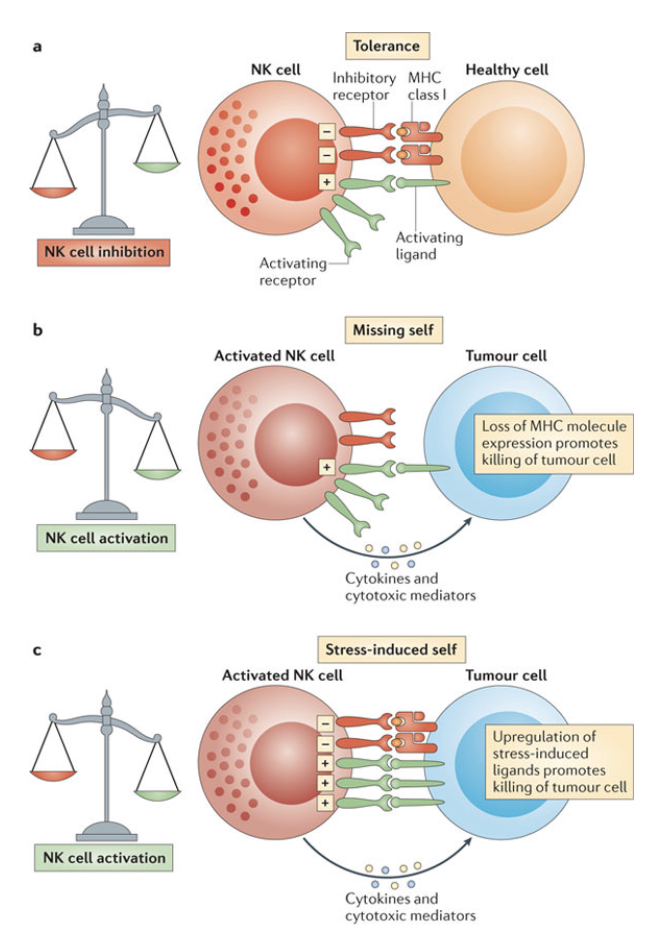
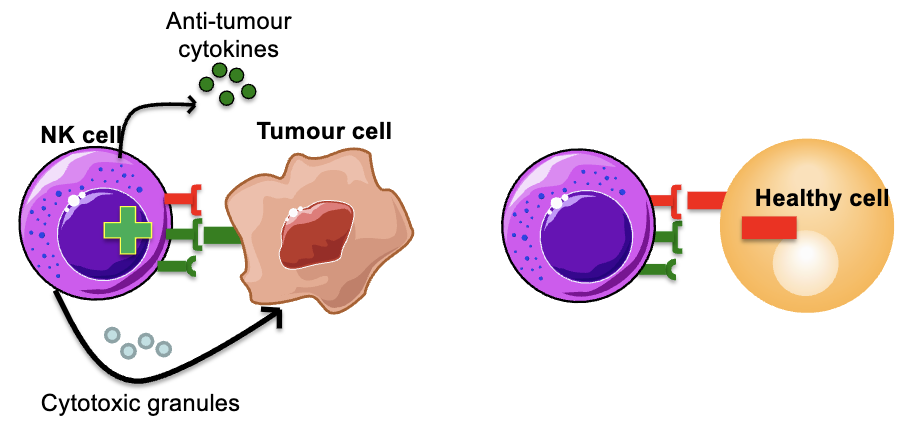
How do NK cells distinguish normal from abnormal cells?
Normal cell: MHC-I binds inhibitory receptors → block activation → no killing
Abnormal cell: Missing/altered MHC-I → no inhibition → activating signals dominate → NK induces apoptosis
When do NK cells “pull the trigger”?
Tolerance: inhibition (normal MHC) → no kill
Missing self: loss of MHC-I (tumor/virus) → kill
Stress-induced self: upregulation of stress-induced ligands → kill
What is the role of NK cells in cancer immunotherapy?
Safe and effective against blood cancers.
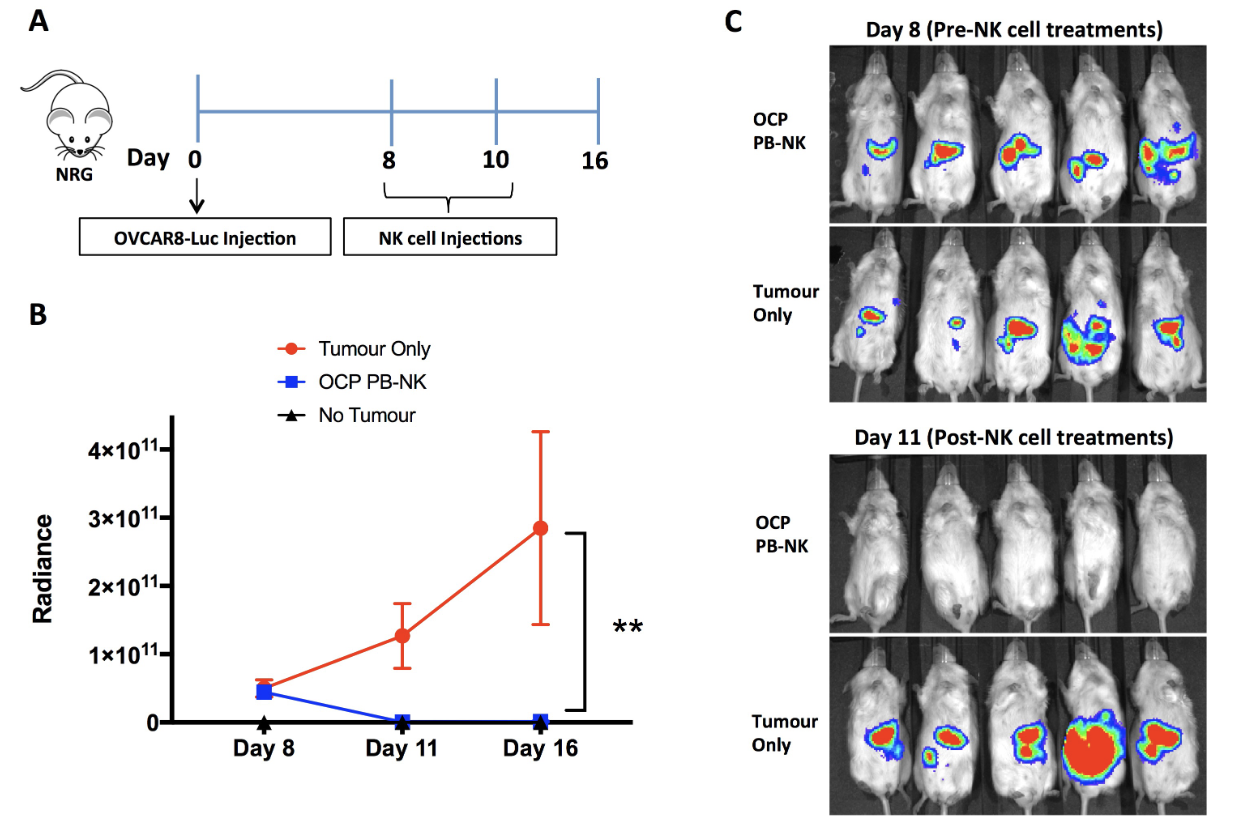
How do NK cells act in ovarian cancer models?
Provide protection in human ovarian cancer PDX model
Mice treated with ovarian cancer + then inject with NK cells after few days → Solid tumour is gone
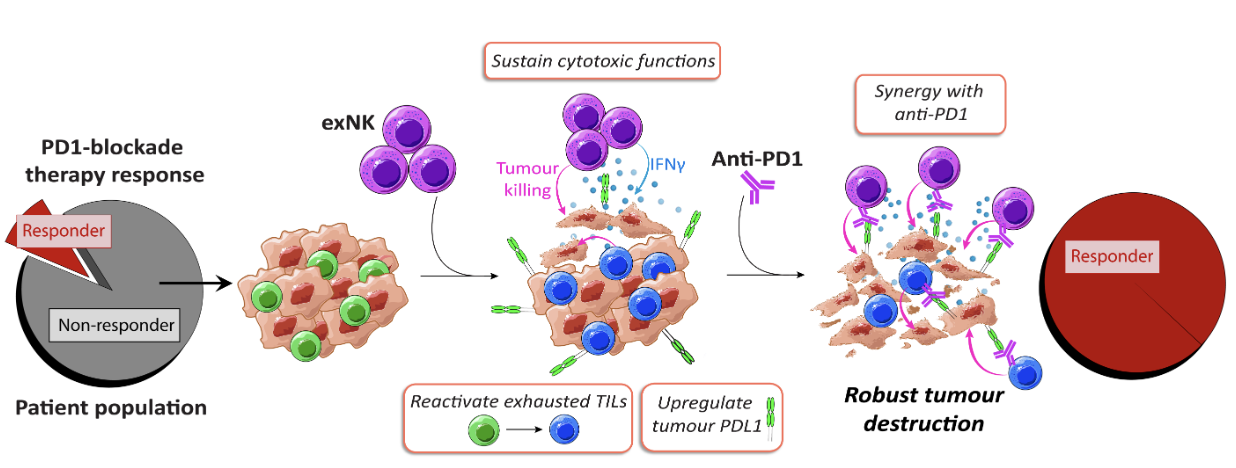
How do NK cells act as a “triple threat” against lung cancer?
Threat 1: Directly kill lung cancer cells
Threat 2: Release cytokines → activate macrophages → anti-tumor effect
Threat 3: Make cancer cells more susceptible to PD1/PDL1 checkpoint inhibitor therapy
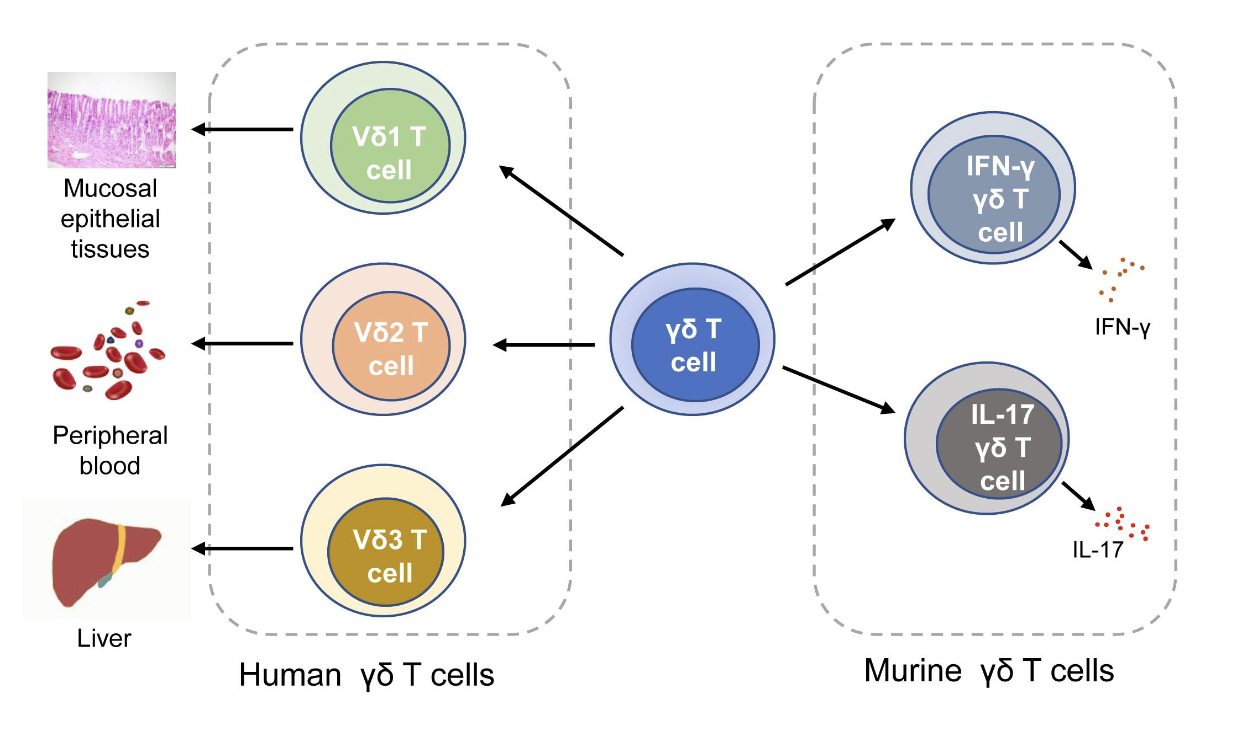
What is the link between γδ T cells (Vδ1 and Vδ3) and cancer survival?
Gamma-delta T cells: Have all the ability of NK and T cell, but no cons of T cell
Vδ1 and Vδ3: Amazing for anti-cancer immunotherapy
Presence in solid tumor microenvironment (TME) = better survival for patients
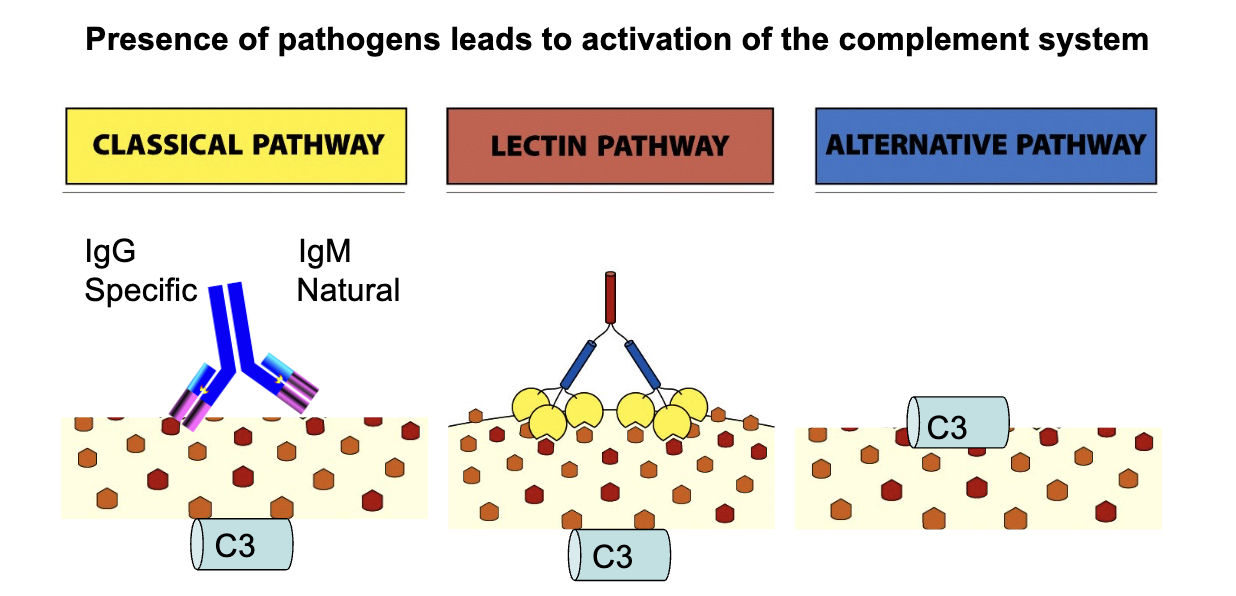
What are the pathways of complement activation (molecules involved in innate immunity)?
Classical pathway (antibody-dependent: IgG, IgM)
Lectin pathway (certain proteins that bind to bacterial sugar surface)
Alternative pathway (requires just presence of bacteria and water)
Any pathway → cleavage of C3 (complement number 3)
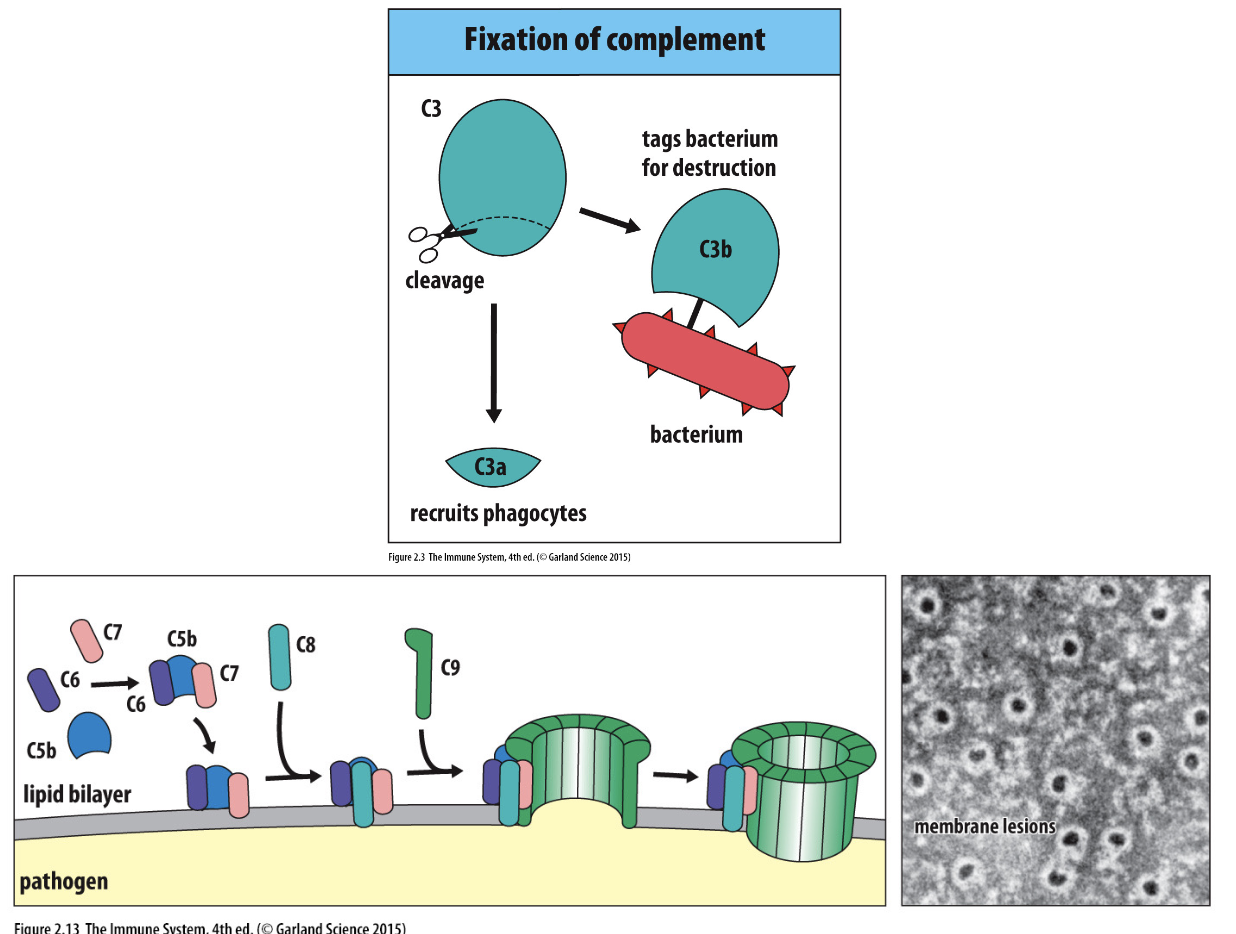
How does complement fixation work?
Pathogen presence → C3 cleavage
C3a recruits phagocytes
Potent chemotactic and inflammatory factor
C3b tags bacterium for destruction (opsonization)
Directly anti-bacterial
Membrane attack complex forms that drills holes in pathogen
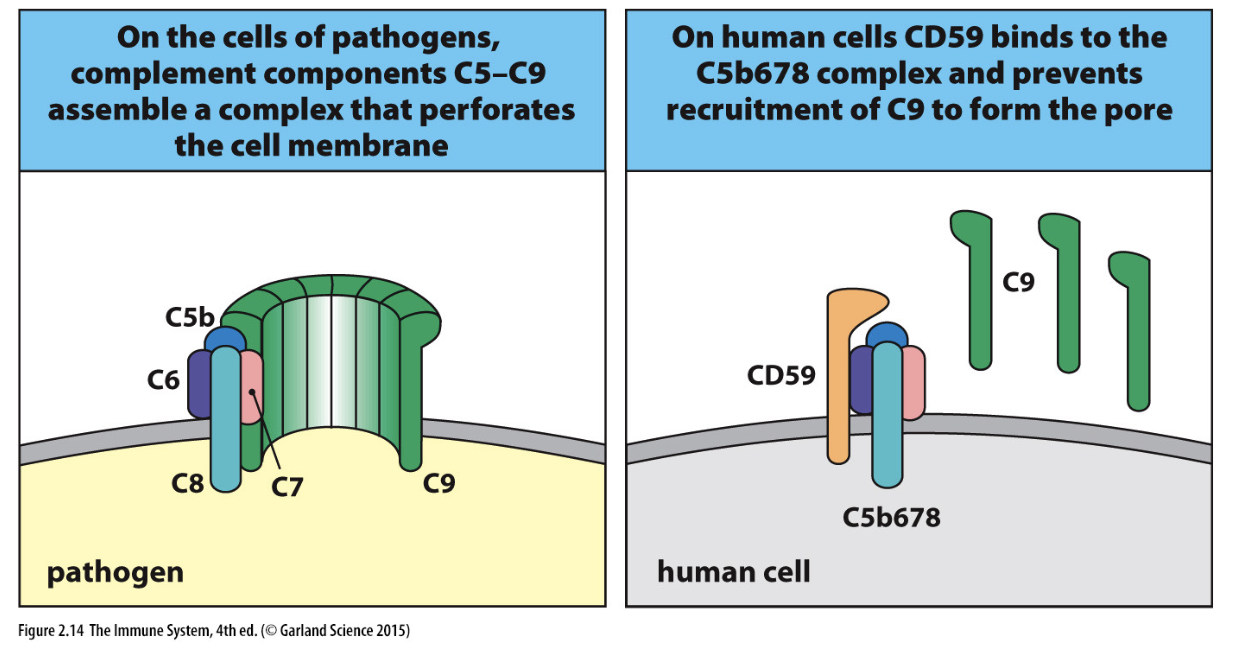
How is the membrane attack complex (MAC) regulated?
Pathogens: C5–C9 assemble → pore formation → lysis
Human cells: CD59 binds C5b678 → blocks C9 recruitment → prevents pore
What is peptide-mediated killing?
Epithelial cells produce antimicrobial peptides (AMPs) that kill pathogens
Creates holes in pathogen due to polarity