EARTH SCIENCE A - ALL NW
 Call Kai
 Learn
 Practice Test
 Spaced Repetition
 Match
 Flashcards
 Knowt Play
1/134

Earn XP
Description and Tags
135 Terms
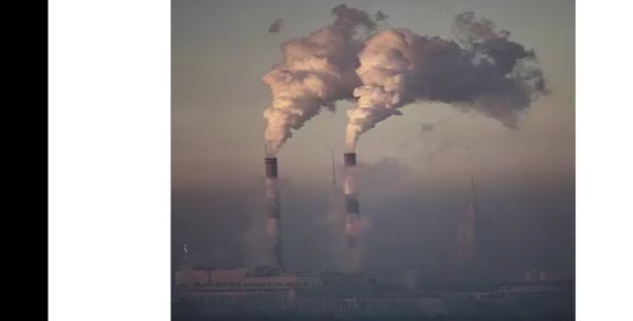
Power plant
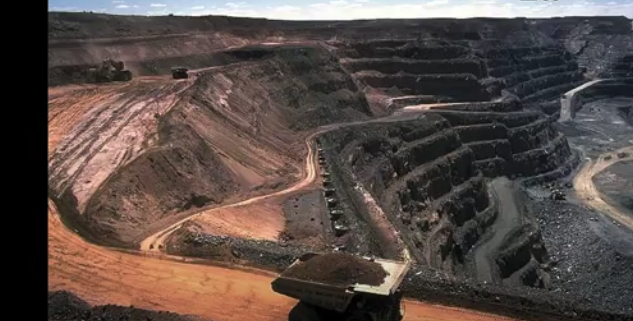
Strip mine
Drilling and blasting
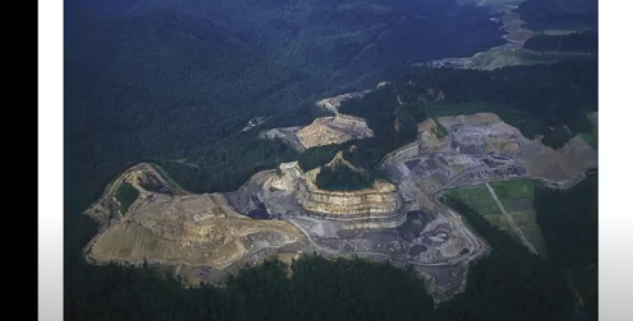
Mountaintop removal
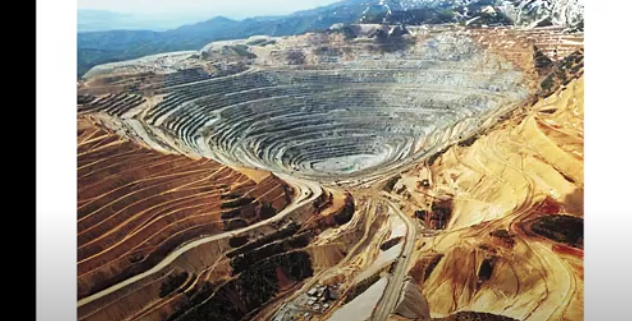
Open pit mining
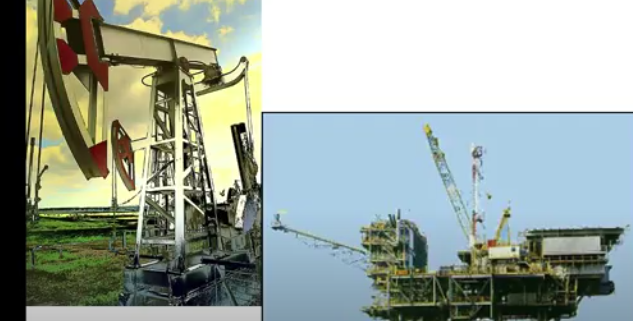
Oil rig
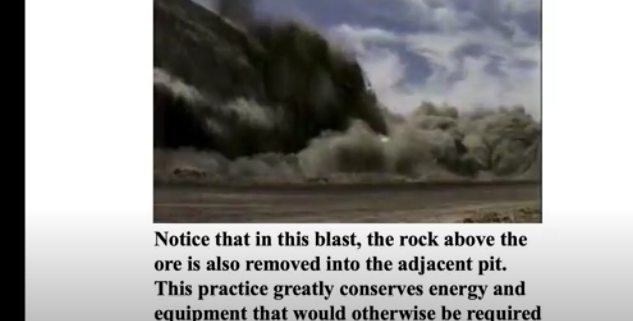
Drilling and blasting (mining)
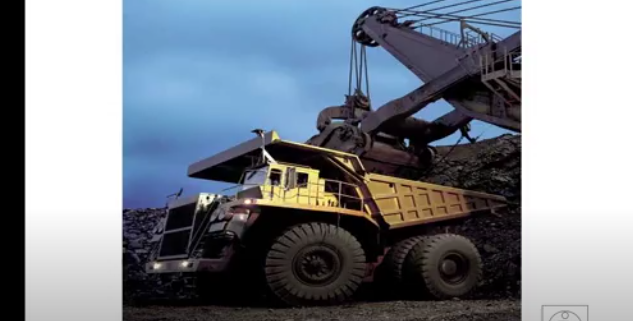
Crushing
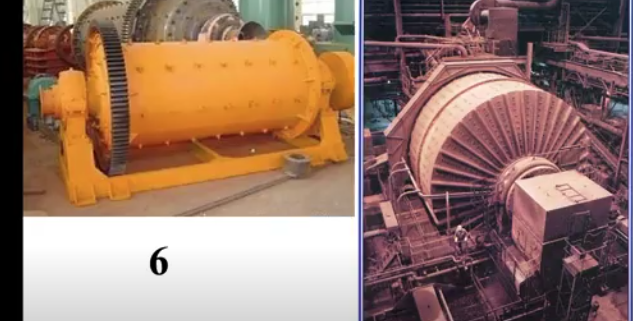
Grinding
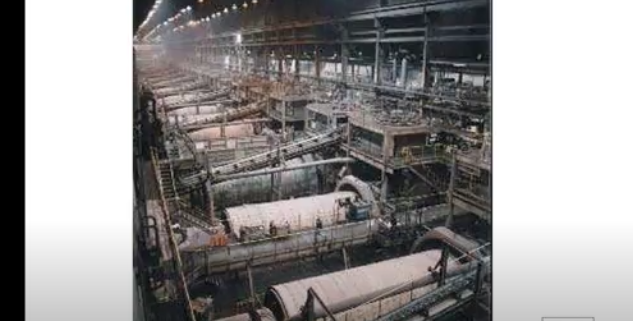
Iron separation
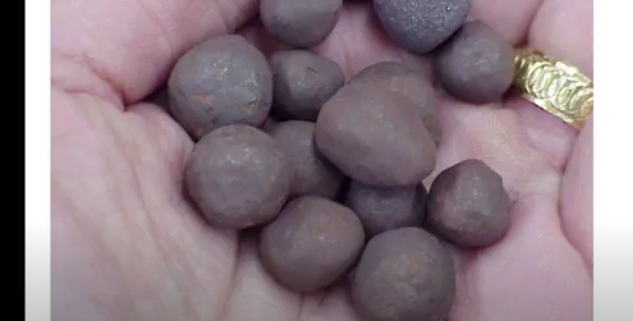
Taconite/pellet formation
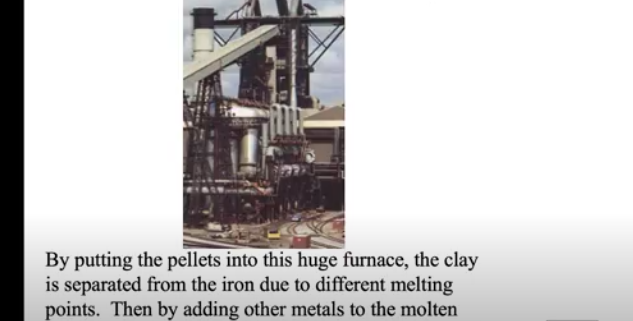
Steel mill
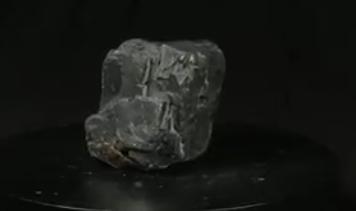
Galena
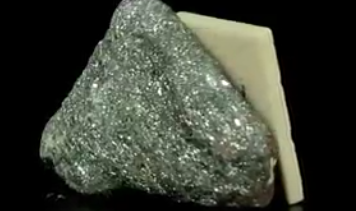
Hematite
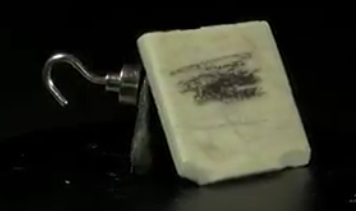
Magnetite
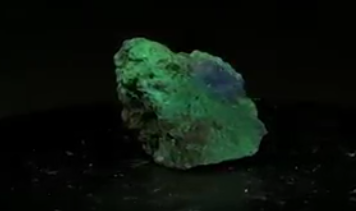
Malachite
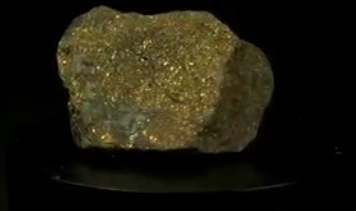
Chalcopyrite
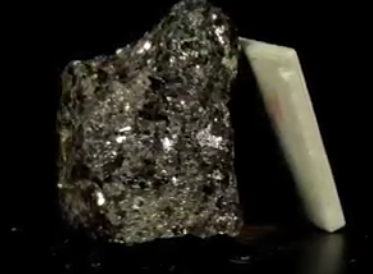
Spalerite
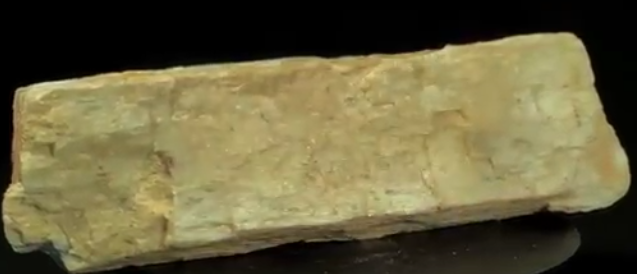
spodumene
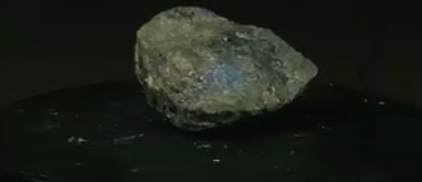
Bornite
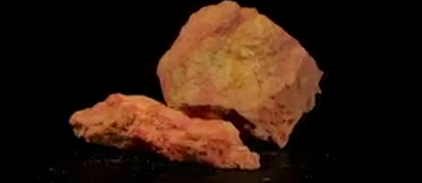
Cinnabar
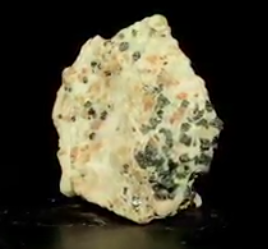
Willemite
why each mineral has its own definite crystalline pattern
They grow in different settings, so they have different patterns and shapes that they grow into.
list each of the 5 criteria for a substance to qualify as a mineral
Naturally occurring, Solid substance, definite chemical composition, orderly crystalline structure, and inorganic
difference between rock that forms from a hydrothermal environment and rock that forms in a sedimentary environment
One that forms in a hydrothermal environment form from superheated water, and dissolves ions. As the ions reach the surface they cool and form minerals. In a sedimentary environment, water evaporates and ions fall out of solution with the water to form minerals
If a mineral forms in an igneous environment, what does this mean
It means they are molten rock, made from magma
What is the only ore mineral in this set 2 that shows a reddish streak
hematite
Malachite and chalcopyrite are each copper ores. Explain what this means
They have copper in them
Two minerals with a tendency to peel into thin sheets
Biotite and Muscovite
Two most common minerals in earths crust
Quartz and Feldspar
Without taste, how can you tell the difference between calcite and halite?
Calicite changes color under UV light, reacts with acid, and has double refraction while Halite has none of those things.
Knowing how gypsum forms, how does having gypsum mines in Michigan tell us about the past?
It forms from the evaporation of seawater, so it tells us that Michigan was once underwater.
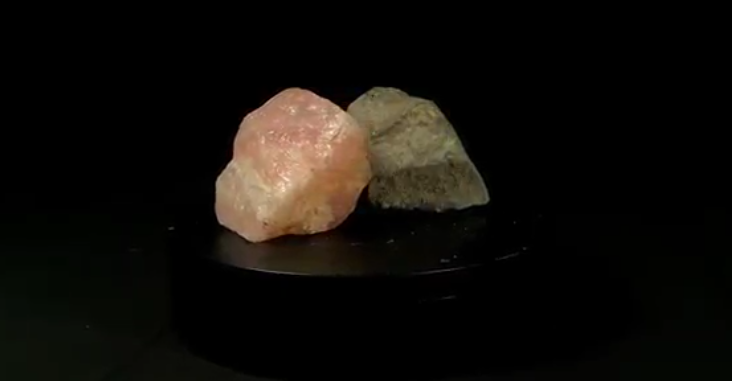
Quartz
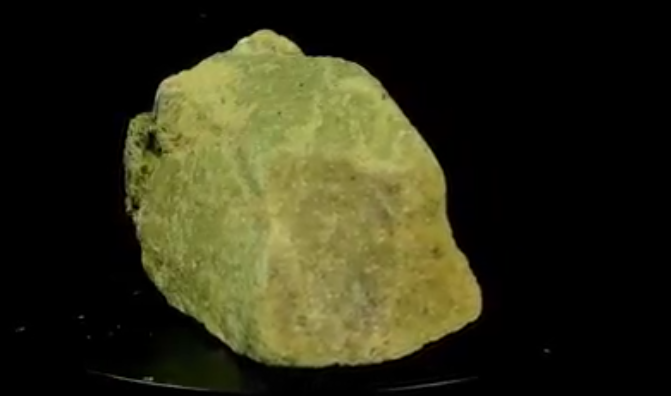
Ollivine
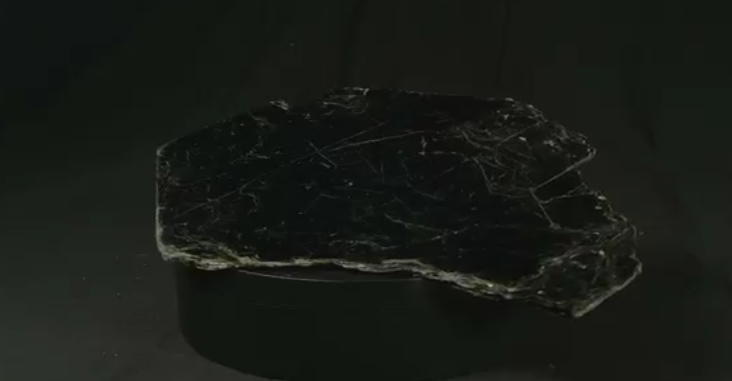
Biotite
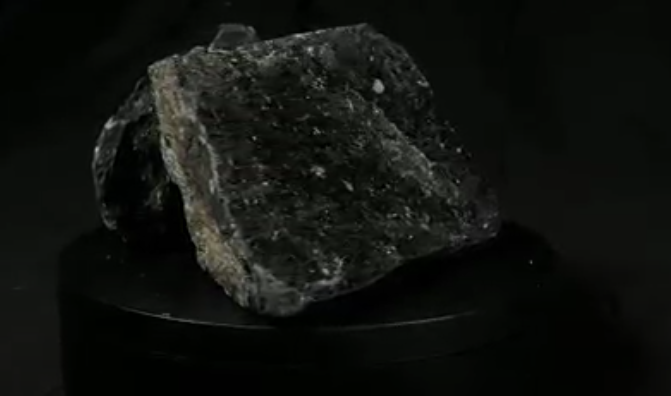
Hornblend
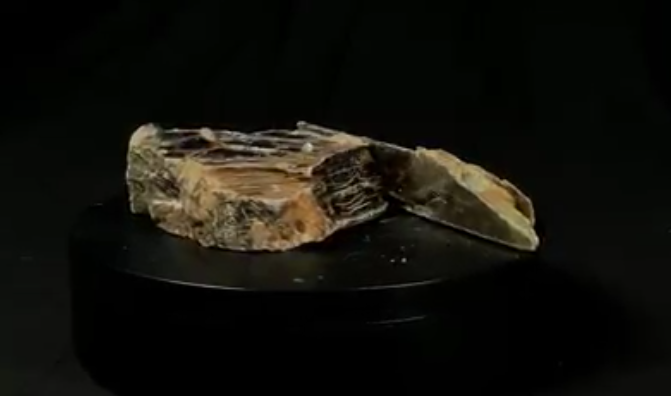
Muscovite
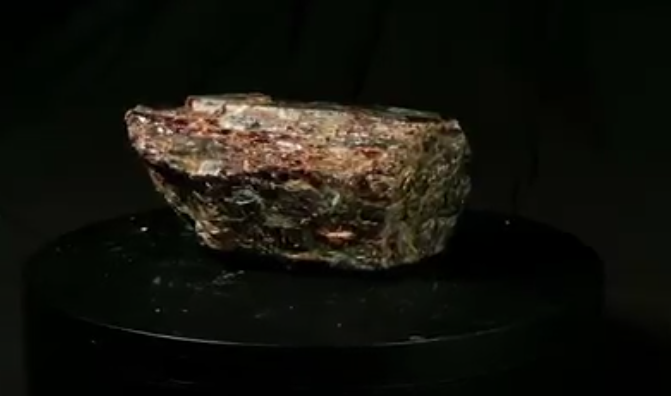
Almendine
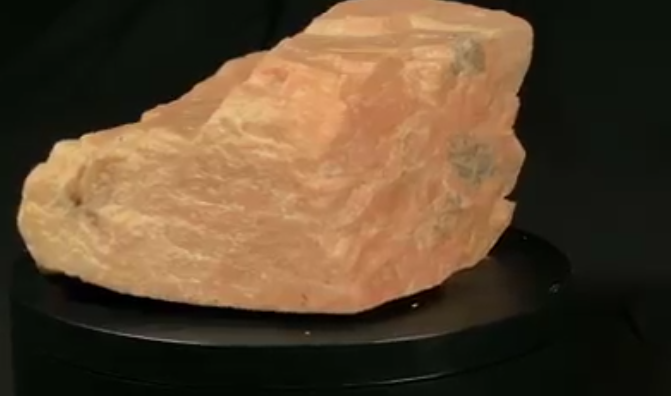
Feldspar
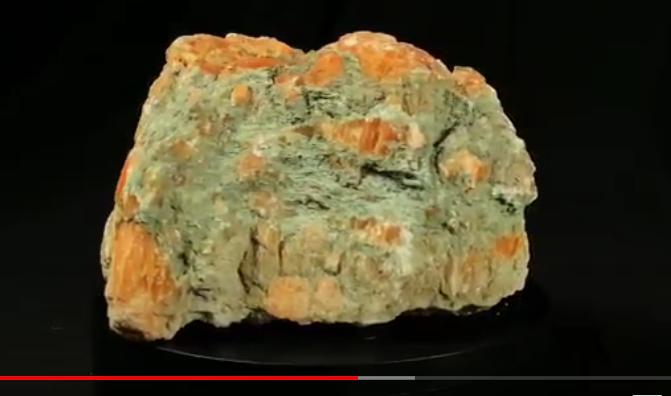
Gypsum
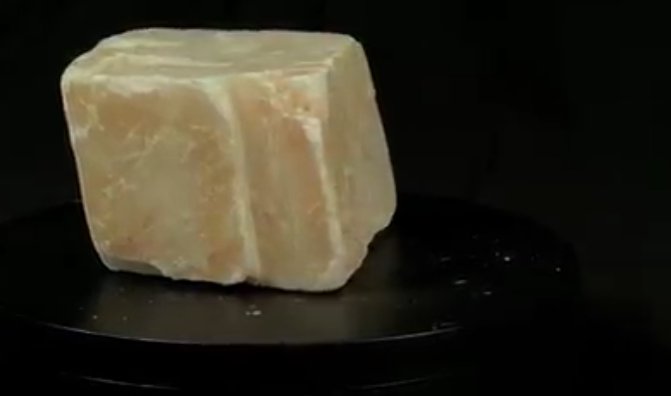
Calcite
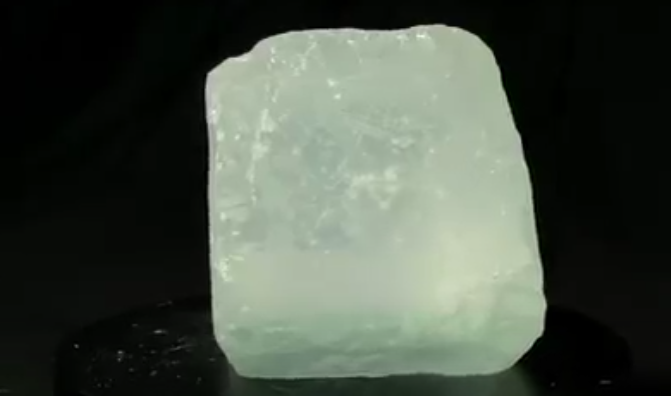
Halite
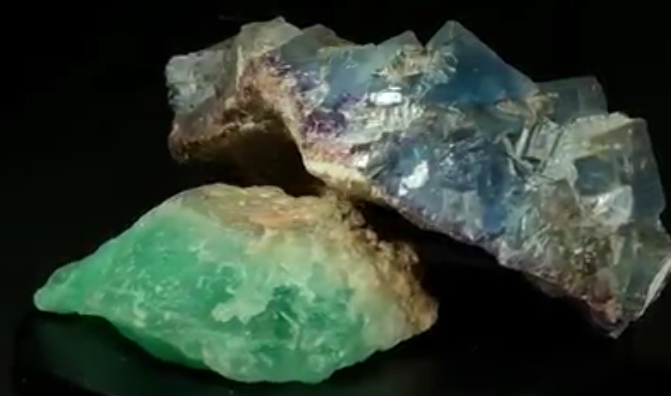
Flourite
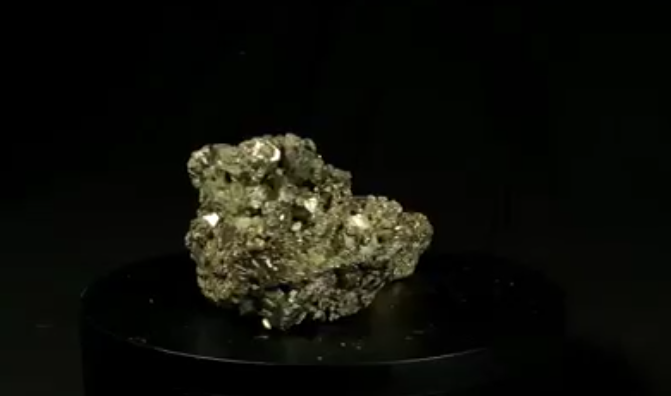
Pyrite
What is the difference in appearance between an extrusive igneous rock and an intrusive igneous rock? |
Extrusive is made from lava and intrusive is made from magma.
What is the biggest factor that controls whether a rock is coarse or fine-grained? |
The speed of cooling
Describe how felsic igneous rocks differ in appearance from mafic igneous rocks. |
Felsic-Light colored and rich in quartz and feldspar.
Mafic-Dark colored and rich in magnesium and iron.
What is the difference between magma and lava? |
Magma is under the surface, lava is on the surface
How could you determine if a rock formed from magma or from lava? Be specific. |
Magma-Formed inside the earth, takes longer to cool—>larger crystals
Lava-Formed on the surface, shorter cooling time—>smaller crystals/no crystals in some cases
How are granite and rhyolite similar? How are they different? |
Granite and Rhyolite are Felsic rocks, but Rhyolite is coarse-grained intrusive, and granite is fine-grained extrusive. |
How are basalt and gabbro similar? How are they different?
They are both Mafic rocks, but Basalt is Fine-grained extrusive, and Gabbro is Coarse-grained intrusive.
How are diorite and andesite similar? How are they different?
They are Intermediate rocks, but Diorite is Intrusive Coarse-grained and Andesite is Extrusive Fine-Grained.
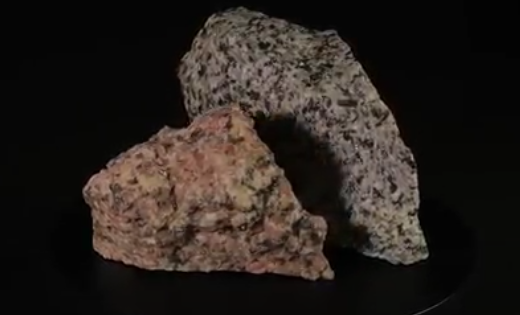
Coarse grained, Intrusive, Felsic
Granite
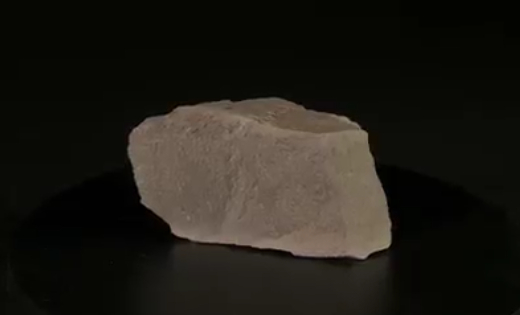
Fine grained, Extrusive, Felsic
Rhyolite
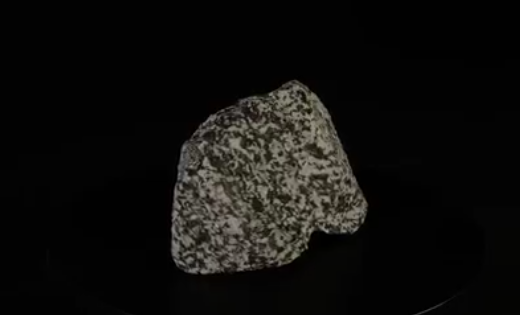
Coarse grained, Intrusive, Intermediate
Diorite
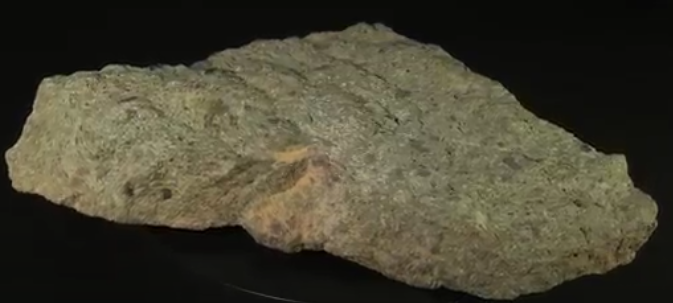
Fine grained, Extrusive, Intermediate
Andesite
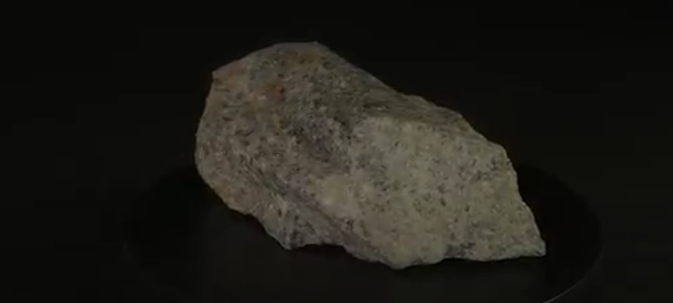
Coarse grained, Intrusive, Mafic
Gabbro
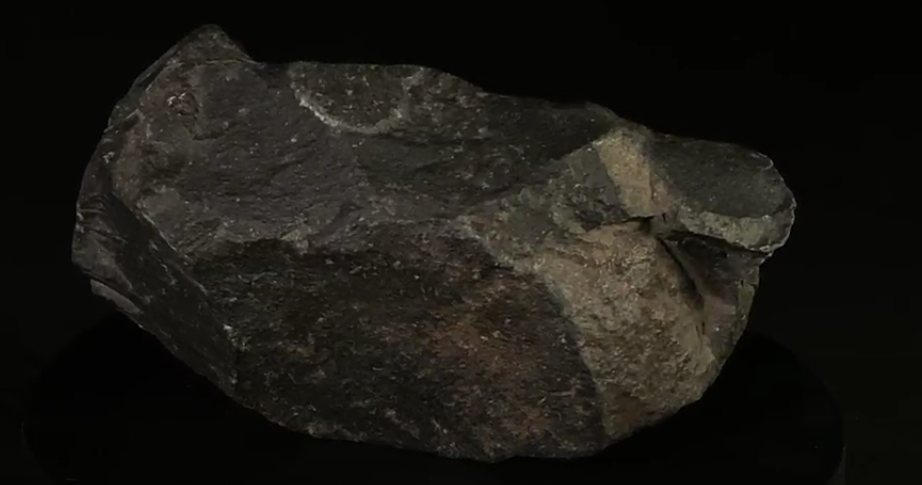
Fine grained, Extrusive, Mafic
Basalt
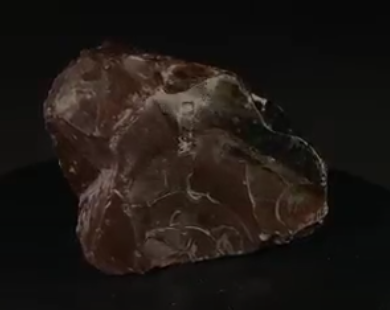
Glassy, Extrusive,
Obsidian
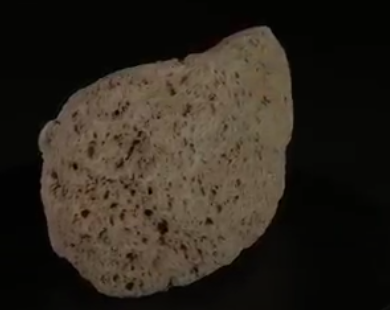
Glassy/Vesicular, Extrusive
Pumice
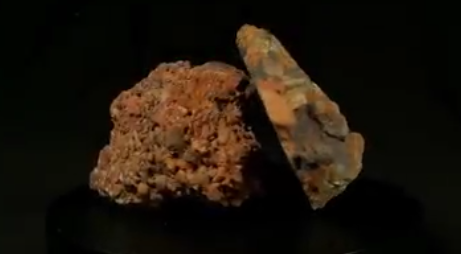
Conglomerate
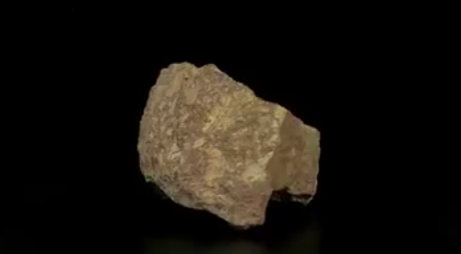
Breccia
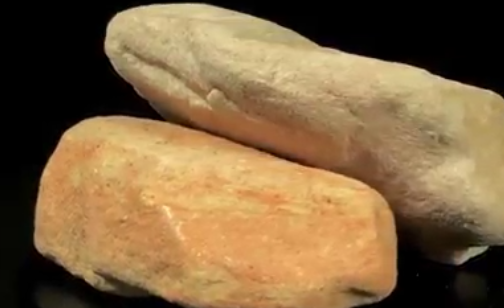
Sandstone
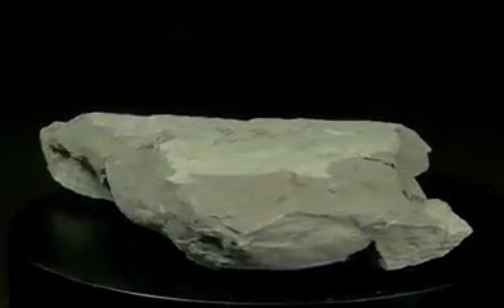
Shale
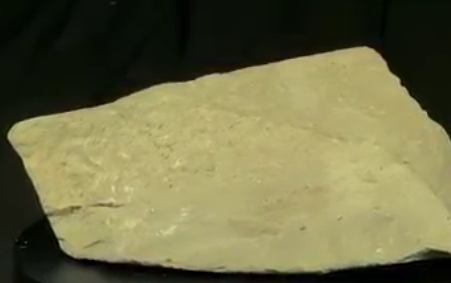
Limestone
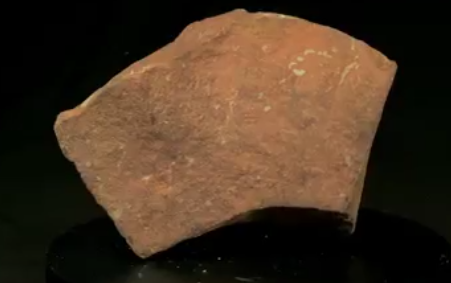
Dolostone
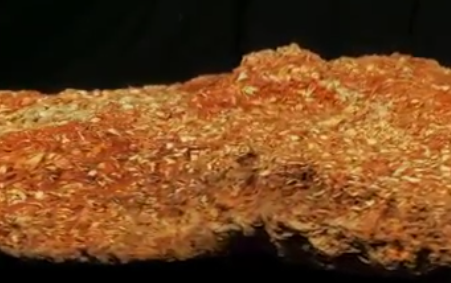
Organic Limestone
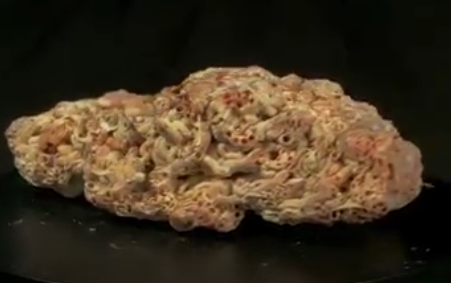
Fossiliferous limestone
Organic or Fossiliferous Limestone
Organic
Limestone and Dolostone
Chemical
Conglomerate, Breccia, Sandstone, Shale
Clastic
Three kinds of sedimentary rocks
Clastic, Chemical, Organic
Define clastic
most common, made from pieces of other rocks.
Define Chemical
Formed by evaporation, Derived by chemicals naturally precipitated from the water.
Define Organic
Made from remains of marine animals that died, settled to the bottom of the ocean, and were buried and cemented together.
Order of clastic rocks based off highest eergy environment to lowest.
Conglomerate, Breccia, Sandstone, Shale
Round sediment, very fast moving waters
Conglomerate
Angular clasts, fast moving water
Breccia
Visible layering, Calmest water
Shale
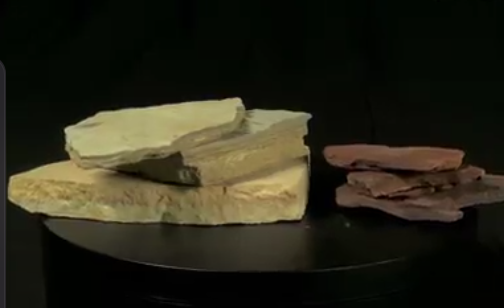
Shale
gneiss
coarse grained, light dark banding foliation
high grade reigonal metamorphism
granite or shale
schist
med-coarse grained
med grade reigonal metamorpism
shale or phyllite
phyllite
med to fine grained, glossy, wavy foliation
intermed reigonal meramorphism through schist and slate
shale
slate
fine grained, often blue-gray, rock cleaves on flat surfaces
low grade reigonal metamorphism
shale
quartzite
coarse grained, no foliation, has chipping
med to high grade reigonal metamorphism
sandstone
marble
coarse grained
reigonal or contact metamorphism
limestone or dolostone
granite vs metamorphic gneiss
granite can be the parent of gneiss when granite undergoes heat and pressure it results in gneiss.
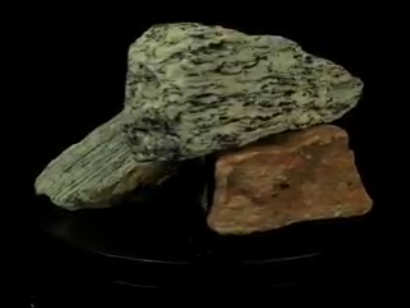
gneiss
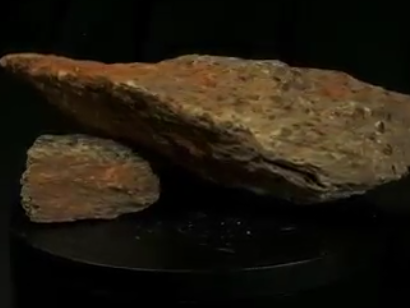
schist
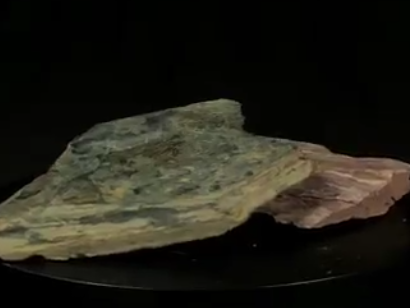
phyllite
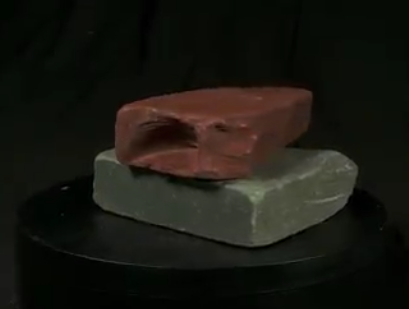
slate
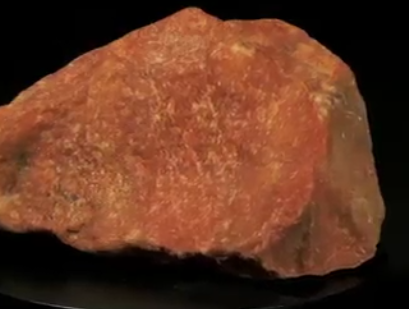
quartzite
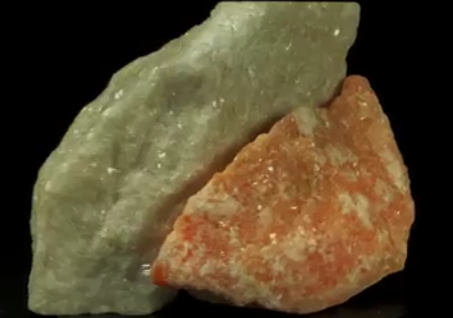
marble
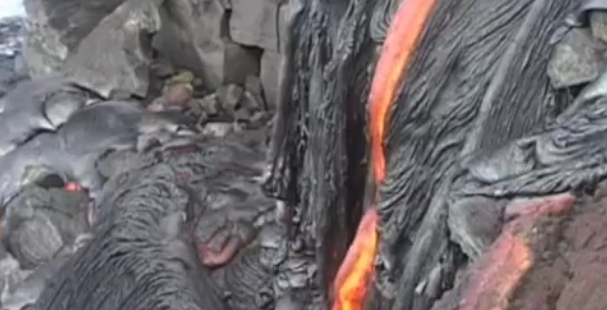
Lava eruption
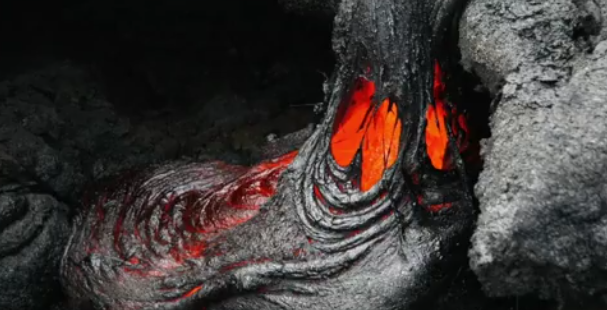
the braded rope one
Pahoehoe
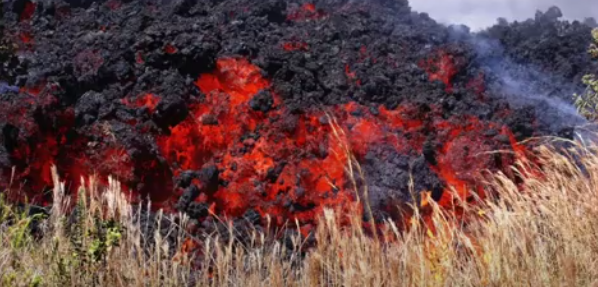
the chunky looking one
Aa
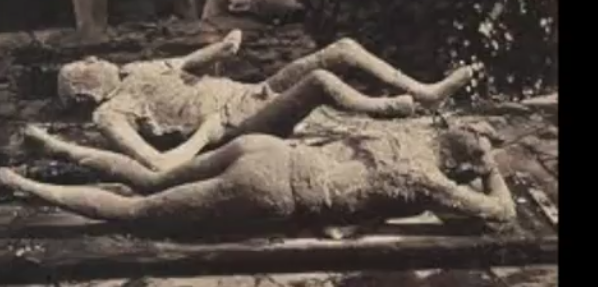
the ones that look like ppl
igneos fossils
the one with the water
pillow basalt
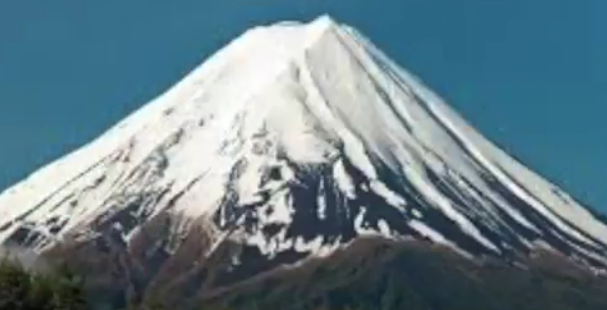
biggest eruptions, most common
composite volcano
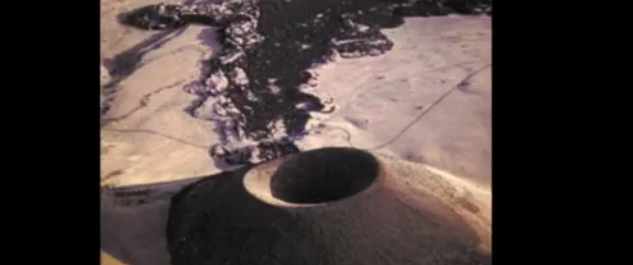
the ones wth the perfect circle top
cinder cones