UNIT 2
 Call Kai
 Learn
Learn Practice Test
 Spaced Repetition
 Match
Match Flashcards
 Knowt Play
1/78

Earn XP
Description and Tags
concept 2: movement
Name | Mastery | Learn | Test | Matching | Spaced | Call with Kai | Chat |
|---|
No analytics yet
Send a link to your students to track their progress
79 Terms
joints (articulations)
the meeting places between 2 or more bones
what do joints allow for your skeleton
mobility and hold it together
when do body movements happen
when muscles contract across joints, moving one bone toward another
what are the important connective tissues
ligaments and tendons
how are joints classified
structure and function
how are joints classified
what they do and how much movement they allow
how does the movement of a joint affect the stability
the less movable the joint, the more stable it is
what are the 3 types of functional joints
synarthroses
amphiarthroses
diarthroses
what is synarthroses
non moving joint
example of synarthroses
the part of the skull that protects the brain (cranium)
what is amphiarthroses
slightly moving joint
what is an example of amphiarthroses
where pubic bones meet in the pelvis
what is diarthroses
freely moving joint
example of diarthroses
knee and elbow joints, mainly in our limbs
3 types of structural joints
fibrous joints
cartilaginous joints
synovial joints
how are structural joints classified
what binds the bones together in the joint and if a cavity is present
what is a fibrous joint
connects bones with the collagen fibers of dense connective tissue
movement of a fibrous joint
mostly immovable
how are bones In the skill held together
SUTURES
how is the fibula and tibia in your lower leg held together by ligaments only
fibrous joints called syndesmosis
how are teeth embedded in their sockets
gomphoses
what are cartilaginous joints
connect bones with cartilage
movement and structure of a cartilaginous joint
rigid and slightly movable
what is synchondrosis
an immovable joint made of a bar/plate of hyaline cartilage between the sternum and first rib
what is symphysis
a slightly moveable joint made of fibrocartilaginous intervertebral discs that act as a shock absorbers between vertebrae
what is a synovial joint
connects bones with dense connective tissues and a fluid filled joint cavity
movement of a synovial joint
allows them to be freely movable
what are all synovial joints
diarthroses
what are the 6 special features of a synovial joint
articular cartilage
joint (articular) cavity
fibrous joint capsule
synovial fluid
band like ligaments
sensory nerve fibers and blood vessels

what is the purpose of the articular cartilage
covers the opposite bone surfaces
what does a fibrous joint (articular) capsule do
encloses the cavity
what does synovial fluid do
acts as a lubricant
purpose of bandlike ligaments
reinforcement
where is are the sensory nerve fibers and blood vessels
joint capsule and synovial membrane
what are the 6 configurations of synovial joints
gliding
hinge
pivot
condylar
saddle
ball and socket

gliding/plant joint
in the ankle and wrist
what is a gliding movement
when one flat bone surface glides or slips over another (back and fourth or side to side)
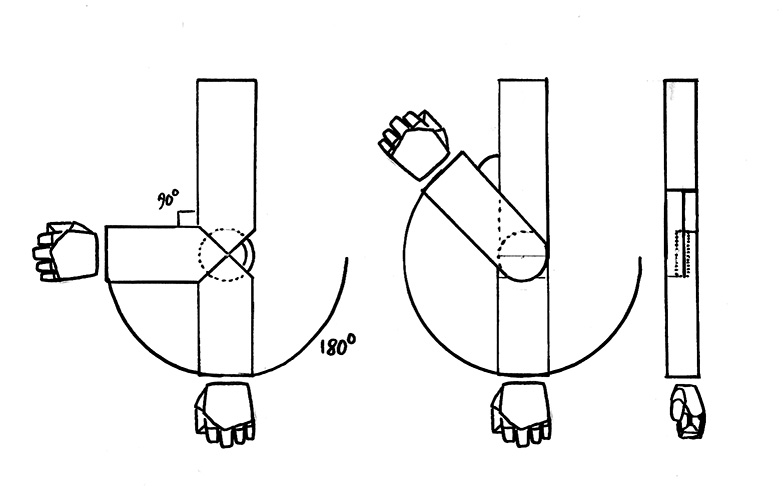
hinge joint
(like a door)
how much movement does a hinge joint allow
singular direction
flexion and extension
what kind of movement does hinge joints allow
angular
what is flexion
bending In a way that decreases the angle of the joint so the articulating bones get closer

what is extension
reverse of flexion

what is hyperextension
going beyond the anatomical position
where can you see hinge joints
elbow and interphalangeal finger joints
what kind of movement does a pivot allow
rotation and twisting movements back and fourth
what is pronation
twist/tun forward
what is supination
turn/twist backward

what is this an example of
pivot
example of pivot
where humerus meets radius and ulna at elbow
what is a condylar similar to
a pedestal with a joint on top
what kind of movement does condylar allow
flexion, extension
abduction, adduction
what is abduction
“moving away”
moving a limb away from the median plane, along the frontal plane
what is adduction
“moving toward”
opposite of abduction
example of condylar
in the wrist

condylar joint
what type of movement does a saddle joint allow
opposition
extension, flexion
abduction, adduction
example of saddle joint
thumb joint

saddle joint
what kind of movement does a ball and socket allow
lots of maneuverability
rotational
abduction, adduction
flexion, extension
what is a rotation
turning of the bone around its own long axis
example of ball and socket
shoulder and hip bones

ball and socket
other types of movements at different joints
circumduction
elevation and depression
protraction and retraction
dorsiflexion and plantar flexion
inversion and eversion
what is circumduction
moving a limb In a circle
(arm circles)
what is elevation and depression
lifting then lowering a body part superiorly
(shrugging shoulders)
what is an example protraction and retraction
sticking jaw out and back in
what is dorsiflexion and plantarflexion
lifting foot up and down at the ankle
what is inversion and eversion
turning the foot towards the midline of the body vs turning away from the midline of the body
what are muscle contractions
bones cant move without the joints that connect them and the muscles that stretch over those joints
when does movement occur
movement occurs when muscles contract
what do muscle contractions always do
pull not push
what are the 2 main types of muscle contractions
isotonic and isometric
what is isotonic movement
causes a change in the length of the muscles
example of isotonic movement
lifting a box or doing push ups
what are isometric muscle contractions
no change in length
example of isometric contractions
standing with good posture or doing a plank
what is insertion
the movable bone during a muscle contraction
what is origin
the bone that moves less or not at all
example of insertion and origin in muscle contraction
in a bicep curl, the radius is the insertion point and pulls towards the scapula, which is the origin