Civ Arts Exam III
 Call Kai
 Learn
 Practice Test
 Spaced Repetition
 Match
 Flashcards
 Knowt Play
1/74

There's no tags or description
Looks like no tags are added yet.
75 Terms
The enlightenment
Historical period beginning in the 17th century and continuing through the 18th century
emphasis on human reason and empirical evidence over divine revelation (focus on the natural)
constitutional governments and individual liberty (reflected on the American revolution)
Locke, Hobbes, Hume, Rousseau, Voltaire, Kant, Newton
Neo-classical art


Wright of Derby, A Philosopher Lecturing on the Orrery, 18th C.
influenced by Caravaggio
use of tenebrism
Benjamin West
known as the American Raphael
The Grand Tour was to see the greatest sights in Europe. Artists would see all the best artwork, music, and hear the best musical productions

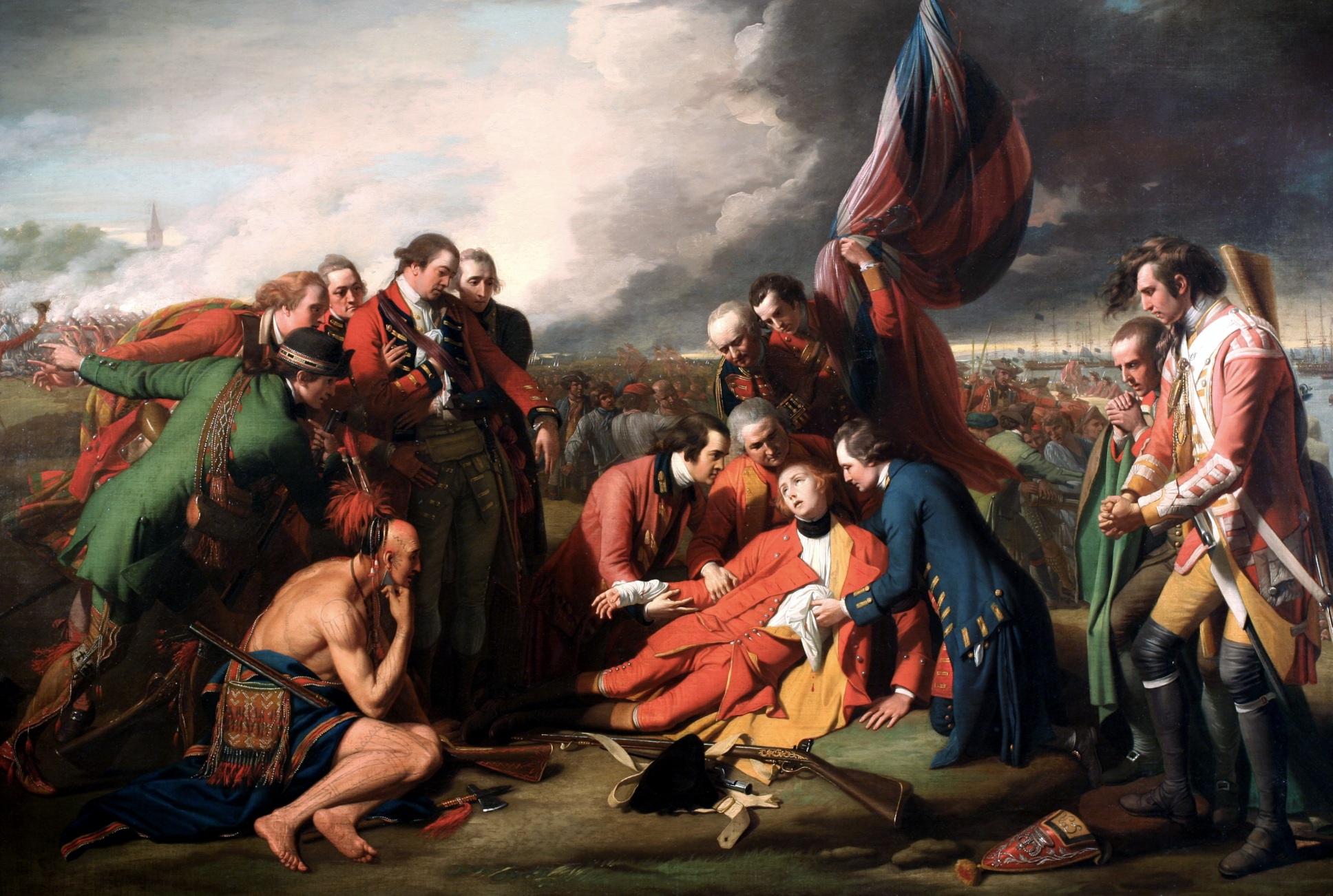
West, Death of General Wolfe, 1770
from the French and Indian war
the paintings of this time typically had people in togas, instead west put the people in this painting in what they were actually wearing.
it was like putting neon lights on to say “this is North America”
Similar to the lamentation scenes
Jacques Louis David


David, The Oath of the Horatii, 1784
the sister was in love with someone from Alba Longa. she will either loose her brothers or her lover. Rome was at war with Alba Longa.
The three brothers vow to give their lives for Rome
Neo-Classical art

Classical Period Music

Franz Joseph Haydn

Esterhazy palace

Symphony
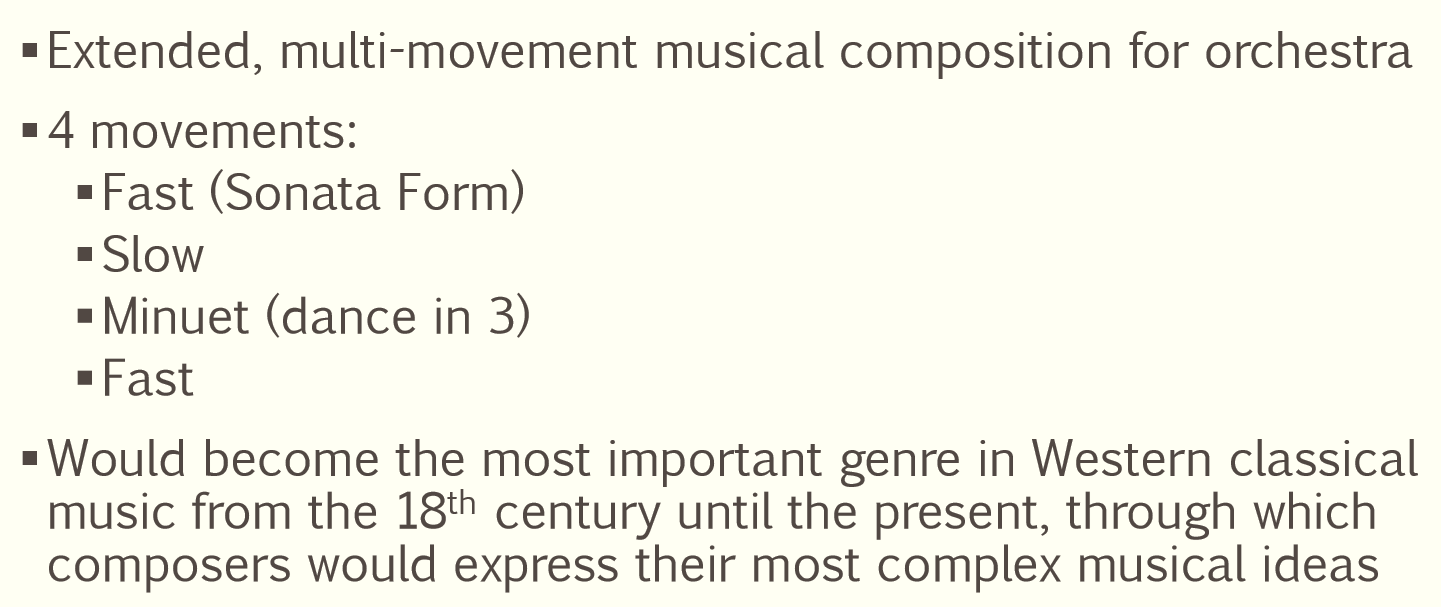
Haydn, Symphony No.88 in G Major

Sonata Form

Key

Sonata Form stucture

Exposition

Development

Recapitulation

Classical Music Period
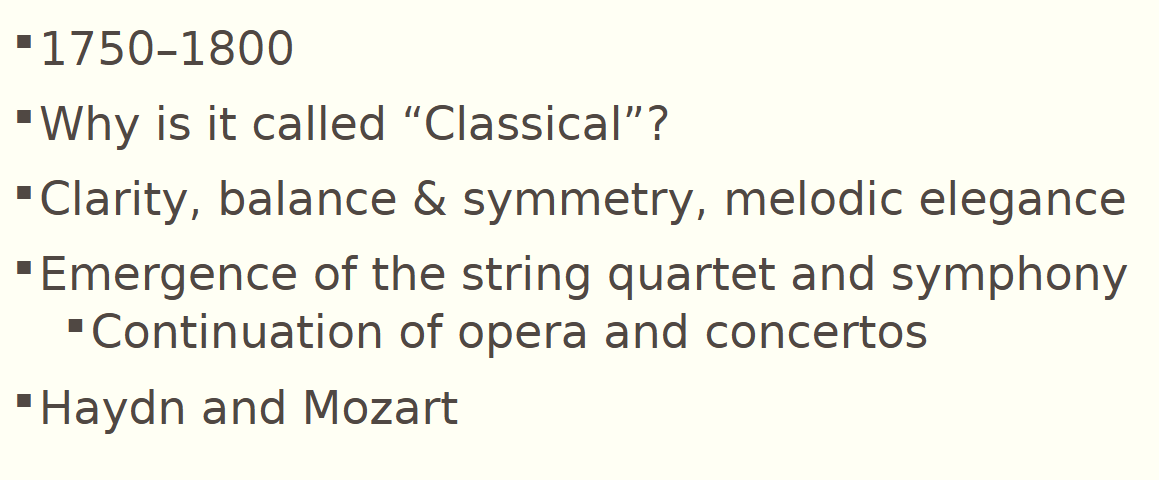
Symphony

Haydn, Symphony No. 88 in G Major

Haydn, Symphony No. 88 in G Major Movement 1
Slow introduction, then fast
Sonata form
Wolfang Amadeus Mozart
younger than Haydn
More established

Opera

Singspiel
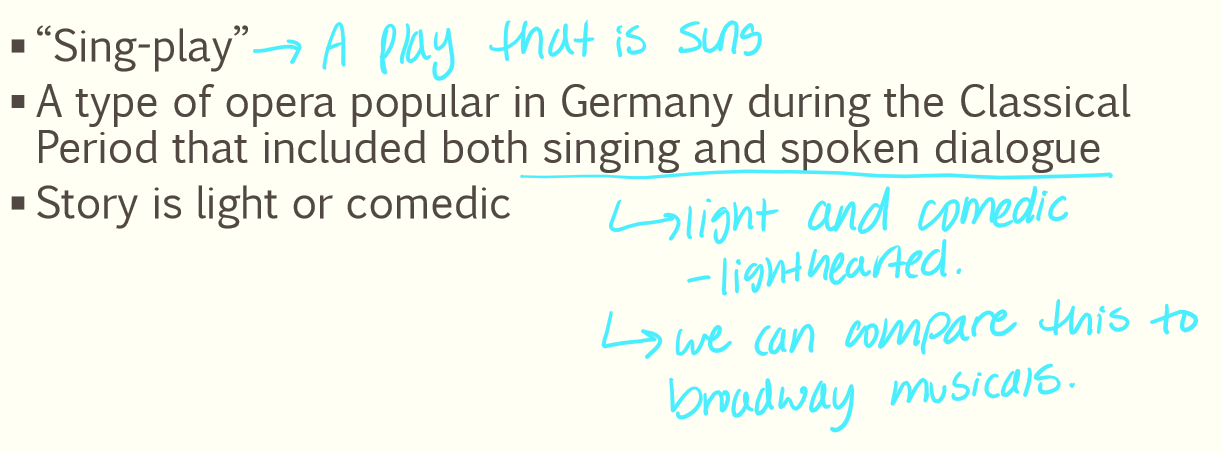
Mozart, The Magic Flute (Die Zauberflote), 1791

Main characters of The Magic Flute
Tamino and Tamina
Papageno and Papagena
The Queen of the Night and Sarastro
Enlighten Themes in The Magic Flute

Ludwig Van Beethoven

Symphony No. 5 in C minor

Beethoven, Symphony no. 5 in C minor, mvt. I

Motive
A brief musical idea
Beethoven, Symphony no. 5 in C minor, mvt. II

Beethoven, Symphony no. 5 in C minor, mvt. III
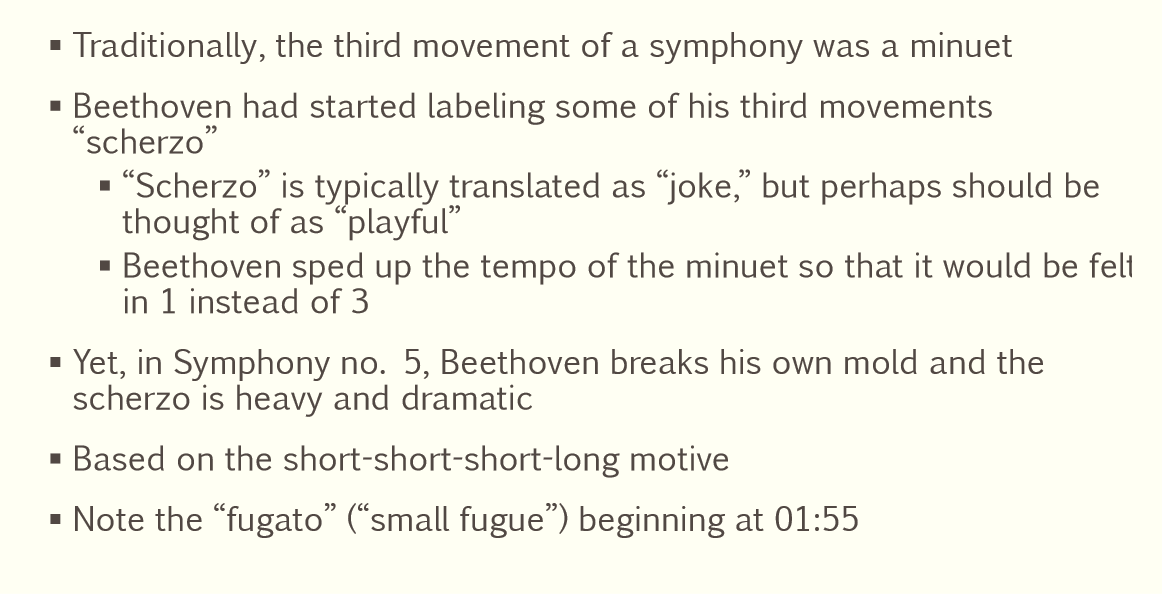
Beethoven, Symphony no. 5 in C minor, mvt. IV

Beethoven’s Innovations in symphony no. 5
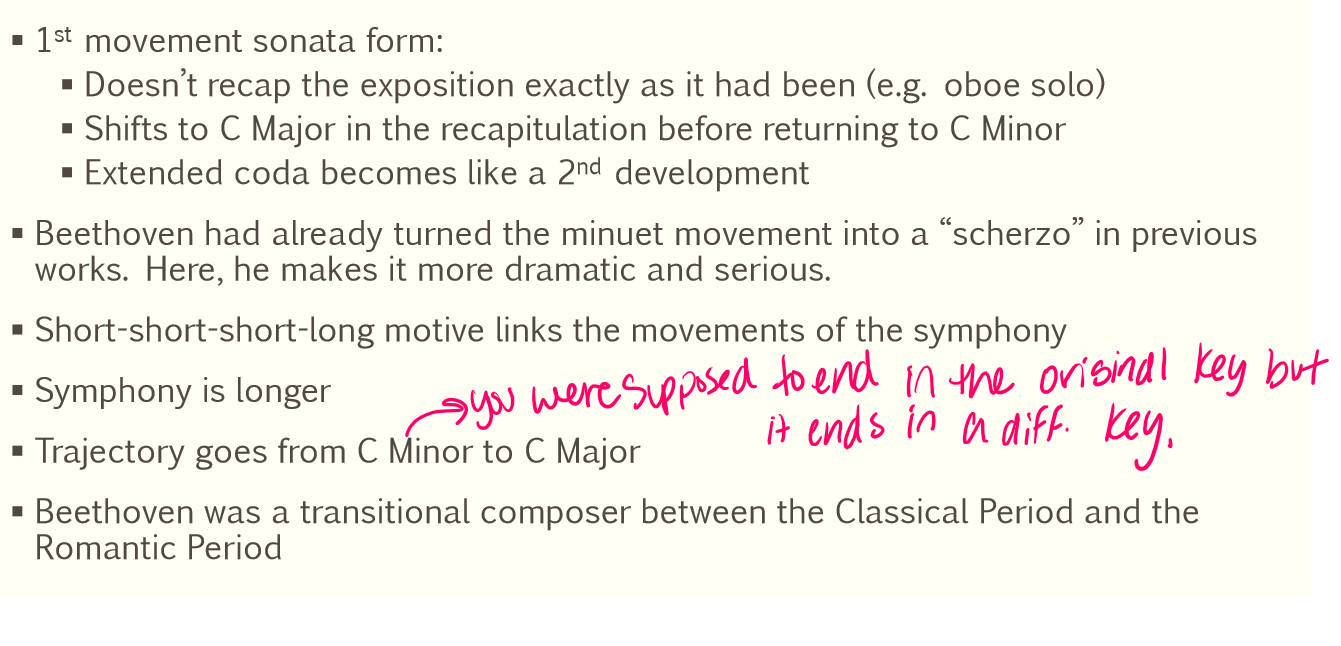
Scherzo

Beethoven’s Innovations in Symphony No. 5

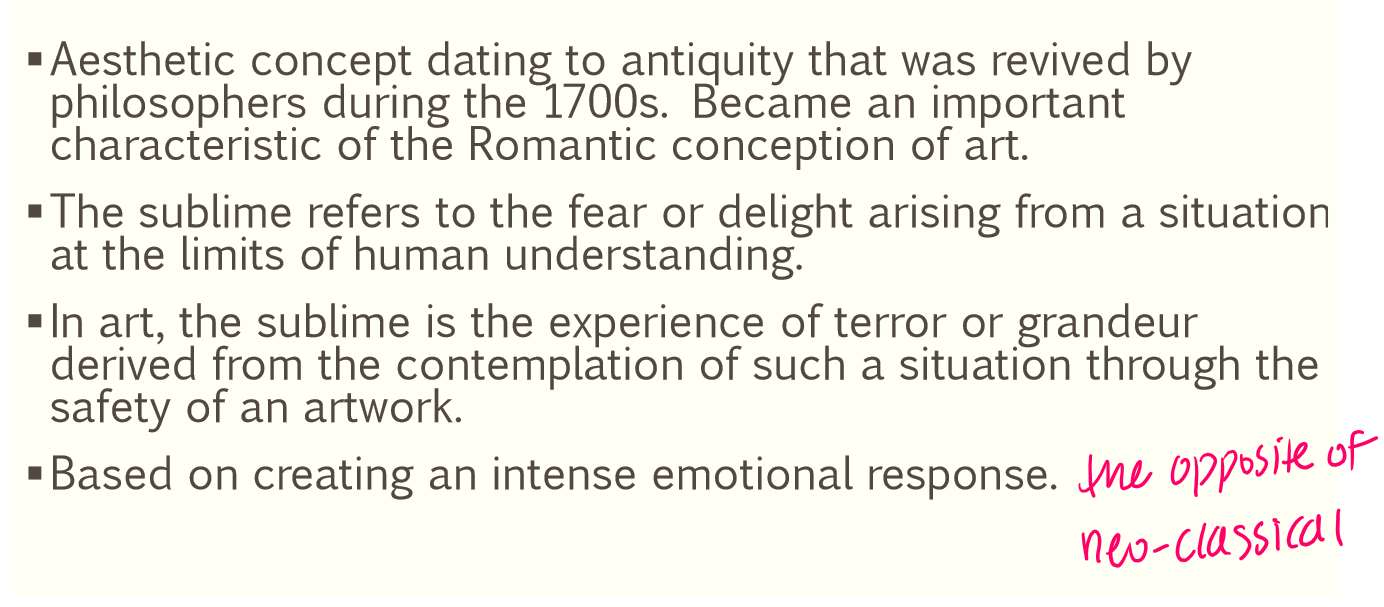
Romanticism

The Sublime

Goya, The Third of May, 1808
Caspar David Friedrich

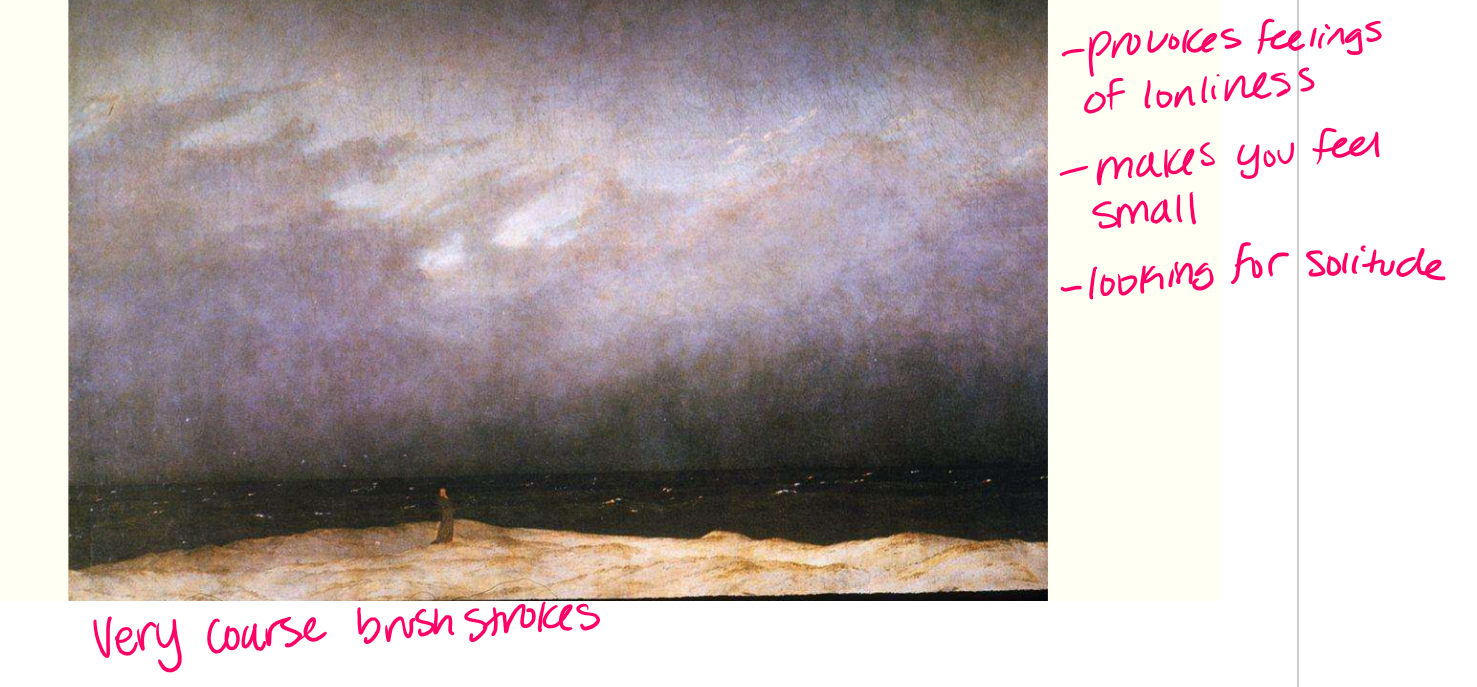
Friedrich, Monk by the Sea, 19th C.
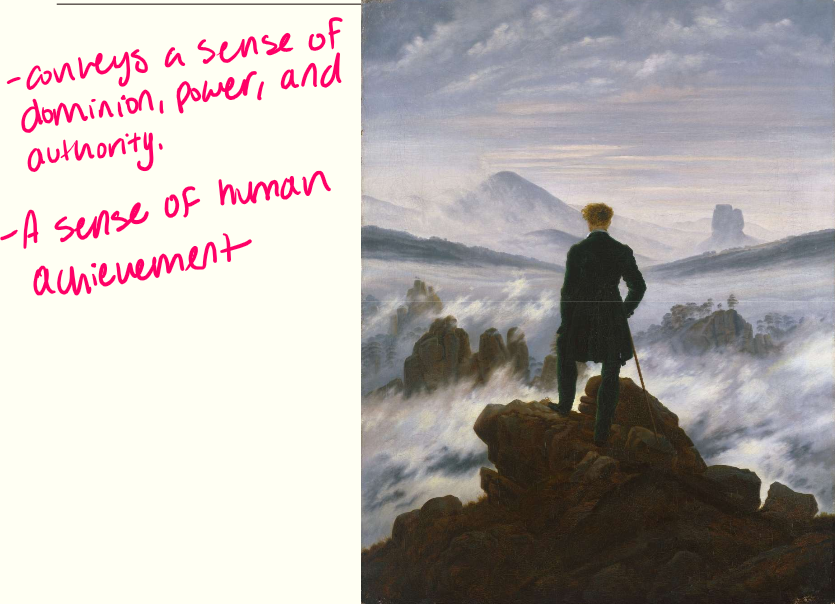
Friedrich, Wanderer Above the Mist, 19th C.
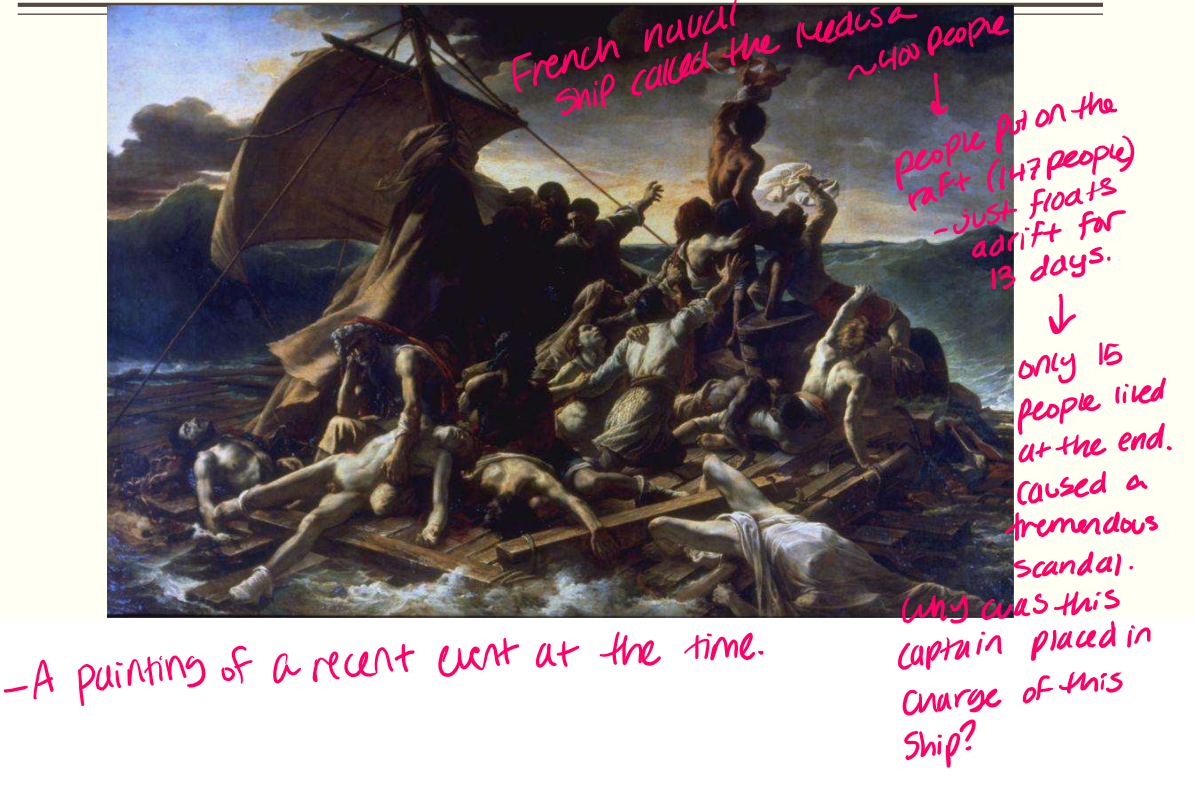
Géricault, Raft of the Medusa, 19th C.

Delacroix, Liberty Leading the People, 19th C.

Pissarro, The Woods at Marly, 19th C.

Degas, The Dance Class, 19th C.

Seurat, Sunday Afternoon on the Isle of La Grande Jatte, 19th C.

Monet, Haystacks (Sunset), 19th C.

Monet, Water Lilies, 20th C.

van Gogh, Starry Night, 1889

Cézanne, Still Life with Milk Jug and Fruit, c. 1900

Picasso, Three Musicians, 1921
Johannes Brahms

Requiem

Brahms: A German Requiem

Brahms: A German Requiem, mvt. IV

Richard Wagner

Tannhauser

Characters from Tannhauser

Synopses of Tannhauser

Overture

Who said, “The purpose of art: to make the unconscious conscious”?
Richard Wagner
Gesamtkunstwerk
total work of art
Impressionism

Claude Monet

Analogous colors

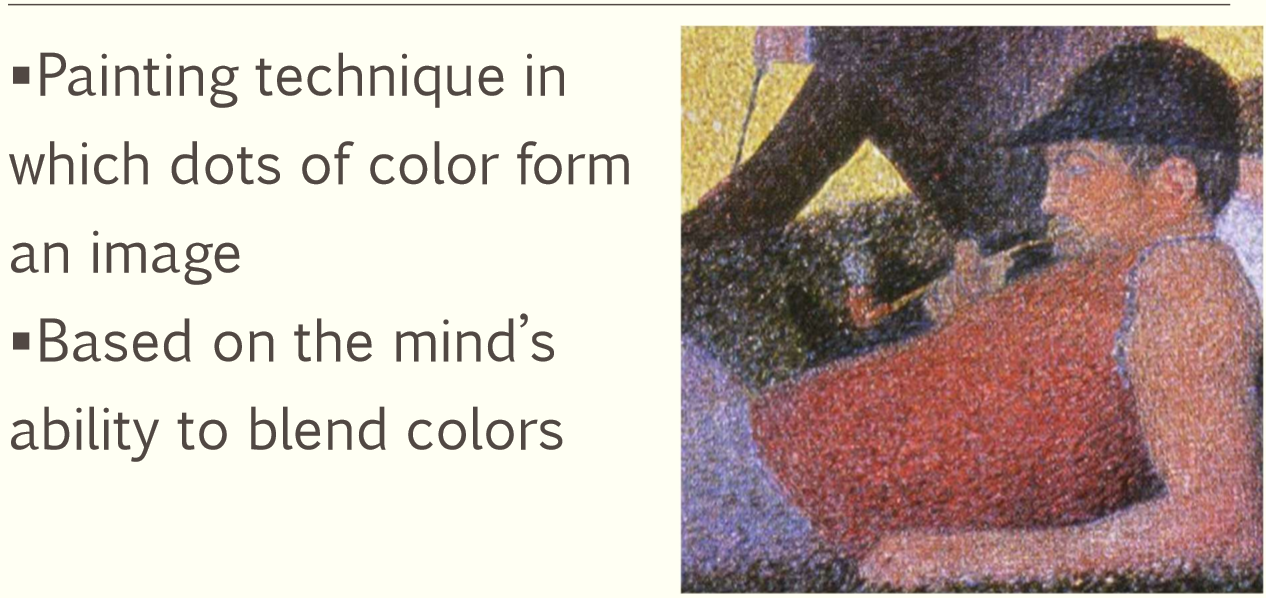
Pointillism
En plein air

Vincent Van Gogh

Impasto

Pablo Picasso
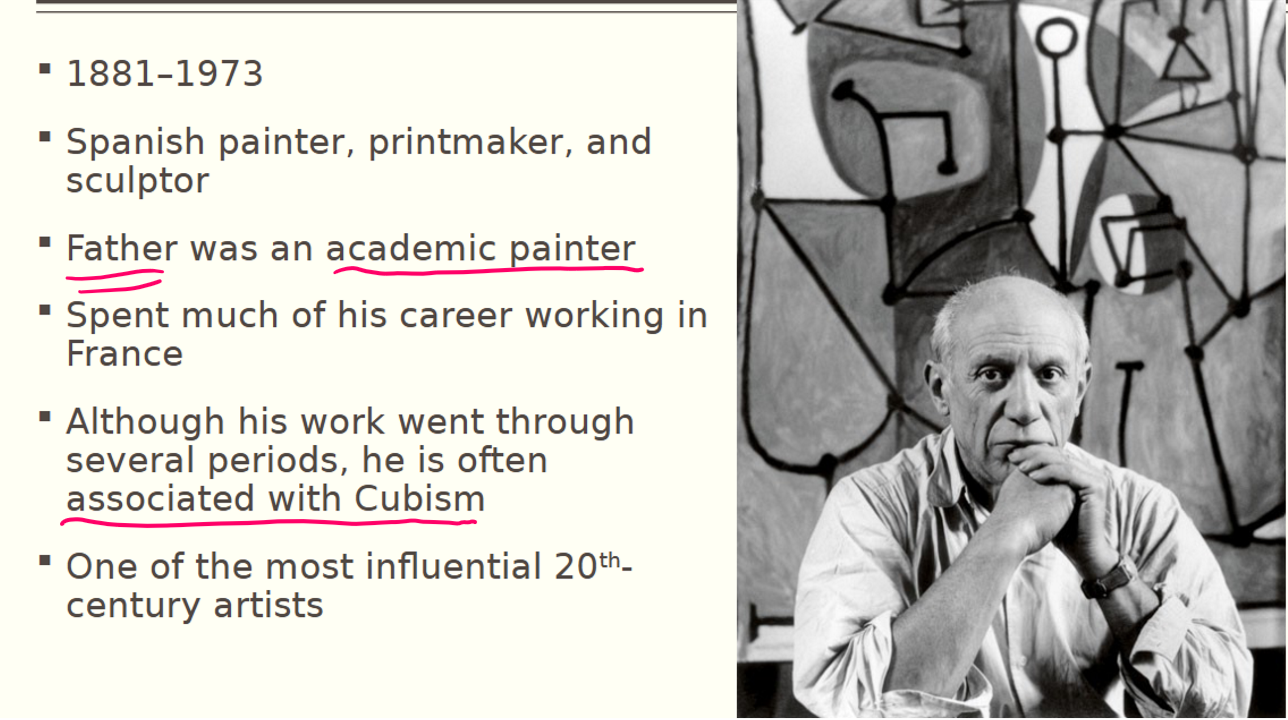
Cubism
