Microscopy Lab Quiz
 Call Kai
 Learn
Learn Practice Test
 Spaced Repetition
 Match
Match Flashcards
 Knowt Play
1/20

Earn XP
Description and Tags
Parts of Microscope and Functions
Name | Mastery | Learn | Test | Matching | Spaced | Call with Kai | Chat |
|---|
No analytics yet
Send a link to your students to track their progress
21 Terms

Simple Microscope
A microscope that uses one lens

Compound Microscope
A microscope that uses two or more lenses in a line
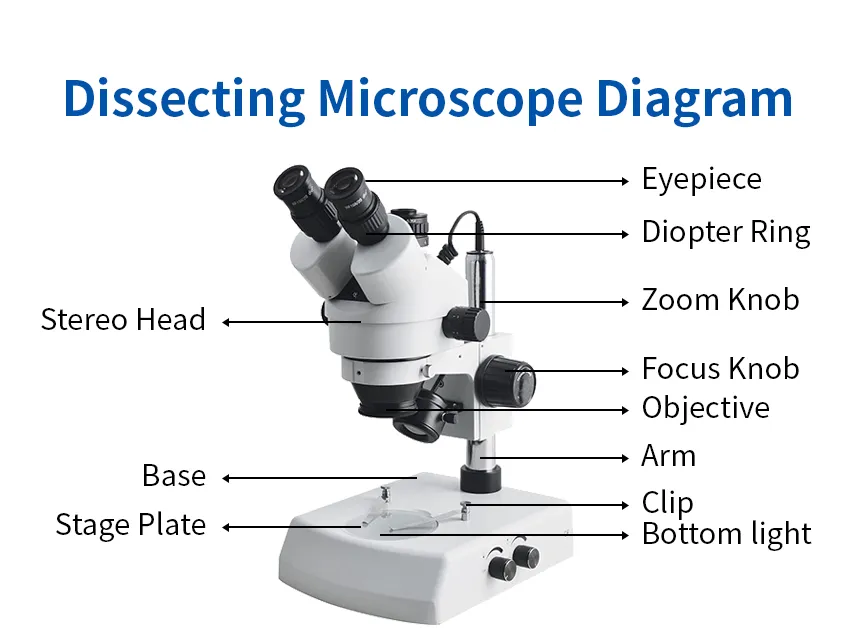
Stereo (Dissecting) Microscope
Microscope that views objects in 3D
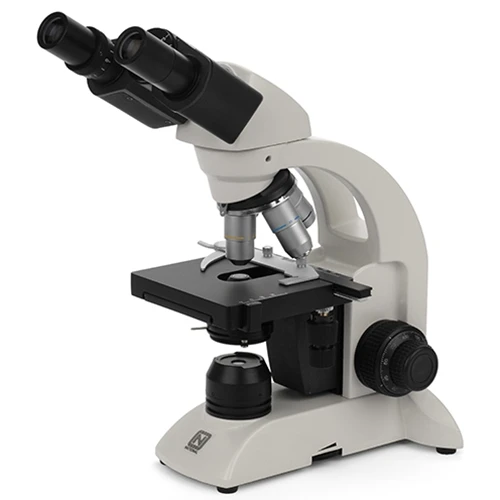
Compound Light Microscope
Microscope that views objects on a slide

Electron Microscope
A microscope that can view very small objects
Magnification
The total value is determined by multiplying the ocular times the objective
Field of View
This is the area seen through oculars
What happens to the field of view with increasing magnification?
decreases
Parcentral
Area in the center of view of the microscope at low power remains centered at high objective
Parfocal
An object in focus at a lower power remains nearly in focus at higher power

Resolution
Distance at which two points can be seen as two separate objects
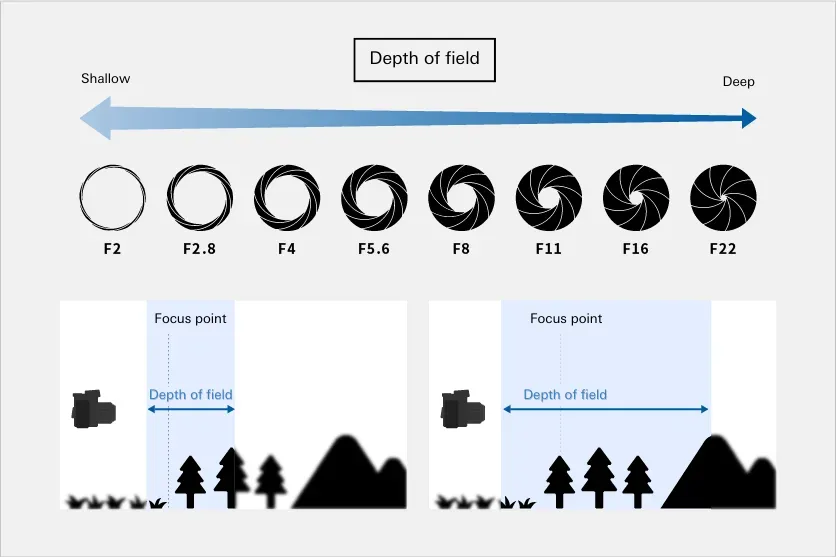
Depth of Field
Amount of view in focus
How is depth of field adjusted?
Iris diaphragm setting
Why does adjusting the iris diaphragm affect the depth of field?
it adjust the amount of light let through
How are depth of field and resolution related?
They are inversely related

Iris Diaphragm
Part of microscope that controls amount of light. Adjusting this can change depth of field and contrast. Located under the stage.

Condenser Height Adjustment
Part of microscope located under the stage that controls the height of the condenser to focus light on the slide on stage. Adjusting this can change depth of field and contrast.
False
True or False: When setting up microscope start with the highest objective
True
True or Falso: You adjust the oculars to your eye width.
What objective should be near the stage when turning of the microscope
The lowest power