AP Lecture 1
 Call Kai
 Learn
 Practice Test
 Spaced Repetition
 Match
 Flashcards
 Knowt Play
1/178

Earn XP
Description and Tags
lecture 1!!!
179 Terms
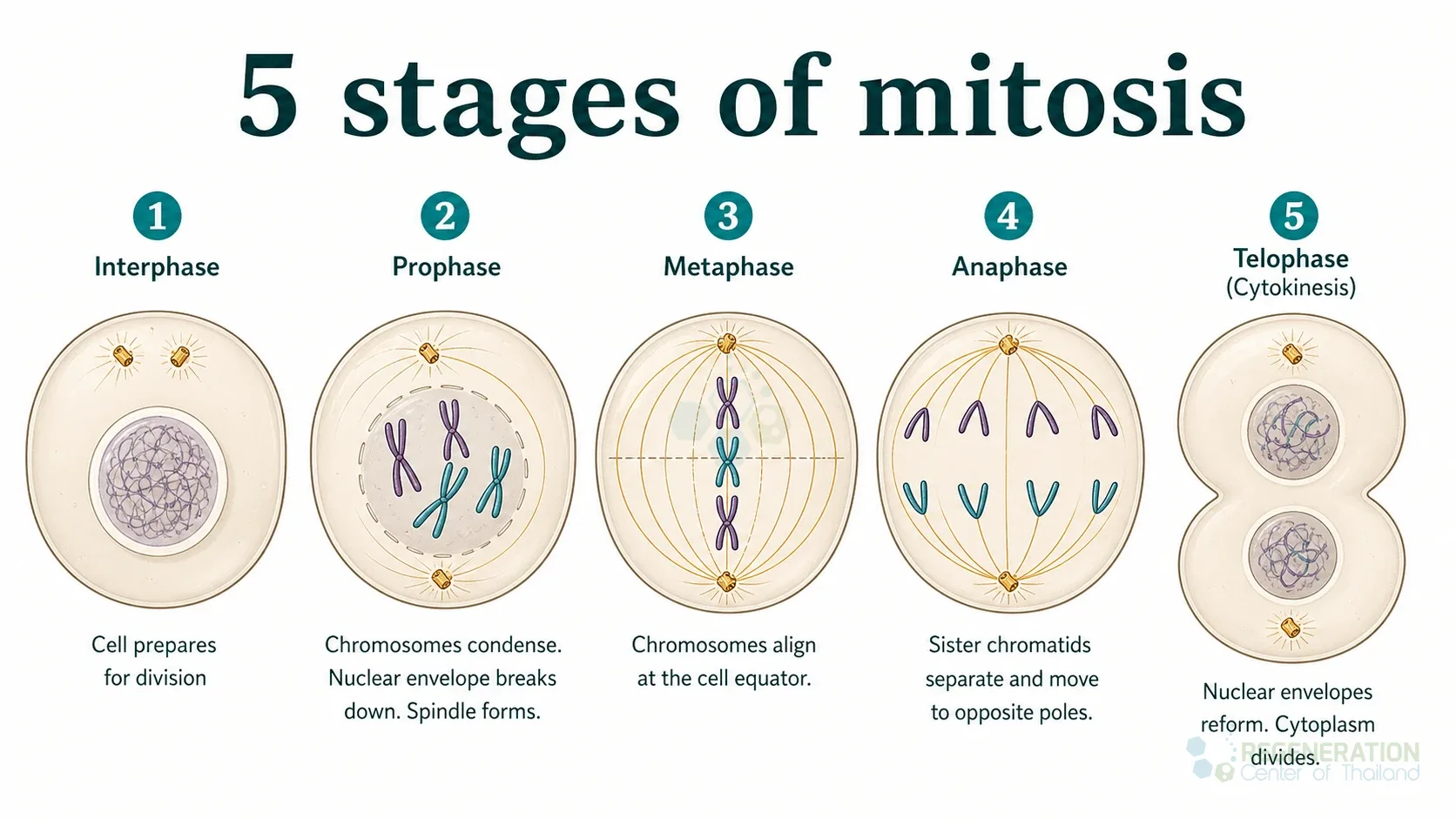
What is Mitosis?
Answer: Mitosis is a type of cell division that produces two genetically identical daughter cells from one original cell. It supports:
Growth of the body.
Tissue repair.
Replacement of cells lost through everyday wear and tear or injury.
The resulting human cells contain 46 chromosomes (diploid).
Where Mitosis Happens
Types of organisms: Animals, plants, fungi, and other eukaryotic organisms. [1]
Types of cells: Almost all normal body cells (somatic cells). [1]
Primordial germ cells (PGCs): specialized embryonic precursor cells that eventually give rise to the gametes (sperm and eggs) of an organism
Where it does not occur:
Gametes (sperm and egg cells), which are produced by meiosis.
Mature red blood cells (which lack a nucleus).
Most specialized, non-dividing cells like mature nerve cells or skeletal muscle cells. [1, 2]
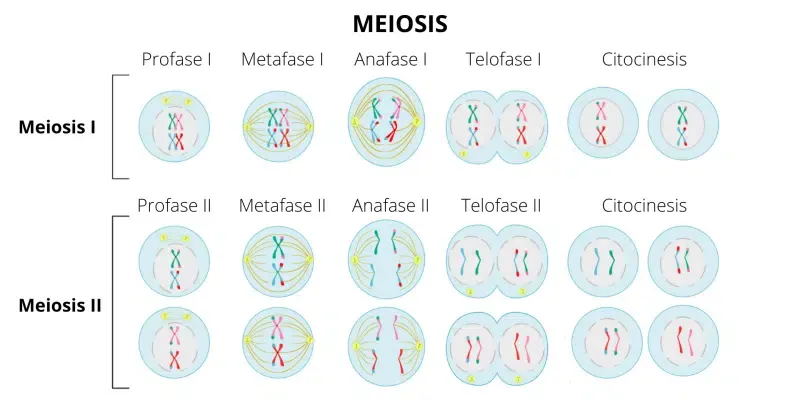
What is meiosis?
Answer: Meiosis is a type of cell division that produces four haploid cells, each containing 23 chromosomes in humans. It is responsible for producing gametes (sex cells), including sperm and egg cells.
Meiosis also creates genetic variation, which helps explain why siblings can differ genetically from each other and their parents.
Meiosis is divided into two distinct parts:
Meiosis I: which separates homologous chromosomes (A pair of separate chromosomes—one inherited from your mother and one from your father—that carry the same genes in the same order, but may have different versions (alleles) of those genes.)
Meiosis II: which separates sister chromatids (two identical copies of a single replicated chromosome that are joined together by a region called the centromere)
These process happen after Interphase
Occur:
In Animals & Humans:
Testes: Inside the seminiferous tubules of males (to produce sperm).
Ovaries: Inside the ovarian follicles of females (to produce eggs).
In Flowering Plants:
Anthers: The male structures (to produce pollen/microspores).
Ovules: The female structures inside the ovary (to produce megaspores).
Does not occur:
Body Tissue (Somatic Cells): It does not occur in your skin, muscles, blood, bones, liver, brain, or any other non-reproductive tissue. These cells divide via mitosis for growth and healing.
Early Embryos: Once an egg is fertilized, the resulting embryo grows entirely through mitosis, not meiosis.
Asexual Organisms: Bacteria, archaea, and single-celled organisms that reproduce by binary fission or budding do not undergo meiosis.
(Primordial germ cells (PGCs): These are a tiny, highly specialized cluster of cells found within that embryo. Their only job is to protect and carry the organism's genetic legacy to the next generation.

What are gametes?
Answer: Gametes are reproductive sex cells:
Sperm cells are the male gametes.
Egg cells are the female gametes.
They are produced through meiosis and contain 23 chromosomes in humans (haploid), rather than the 46 chromosomes found in typical human body cells.

What does diploid mean?
Answer: Diploid means having two sets of chromosomes.
In humans:
Diploid cells contain 46 chromosomes.
They have two sets of 23 chromosomes.
Most body cells are diploid.
Mitosis produces daughter cells that retain the diploid chromosome number.
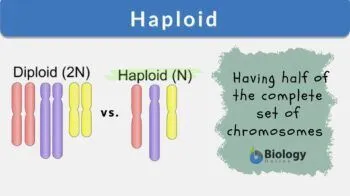
What does haploid mean?
Answer: Haploid means having one set of chromosomes.
In humans:
Haploid cells contain 23 chromosomes.
They have one set of chromosomes.
Sperm and egg cells are haploid.
Meiosis reduces the chromosome number from 46 to 23.
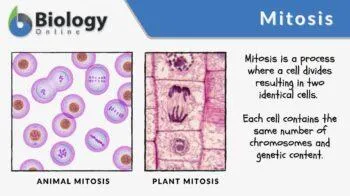
Where does mitosis occur, and why?
Answer: Mitosis occurs in many body tissues.
It allows the body to:
Replace cells lost through everyday wear.
Replace damaged cells following injury.
Support tissue repair.
Support growth.
For example, epithelial cells (form the primary tissue type that covers all internal and external surfaces of the body, lines organ cavities and blood vessels, and builds glands.) undergo mitosis to replace cells that are continually lost

Where does meiosis occur?
Answer: Meiosis occurs in the reproductive organs:
Testes: produce sperm cells.
Ovaries: produce egg cells.
Its purpose is to produce haploid reproductive cells rather than ordinary body cells.
How many cells does mitosis produce, and what are their characteristics?
Answer: Mitosis produces two daughter cells.
Each resulting cell:
Contains 46 chromosomes in humans.
Is diploid.
Is generally genetically identical to the original cell.
Retains the chromosome number of the original cell.
How many cells does meiosis produce, and what are their characteristics?
Answer: Meiosis produces four cells.
Each resulting cell:
Contains 23 chromosomes in humans.
Is haploid.
Has genetic variation.
Is produced for sexual reproduction.
What is the difference between the genetic results of mitosis and meiosis?
Answer:
Mitosis: Produces cells generally genetically identical to the original cell.
Meiosis: Produces genetically varied cells.
Meiosis creates variation, including through crossing over.
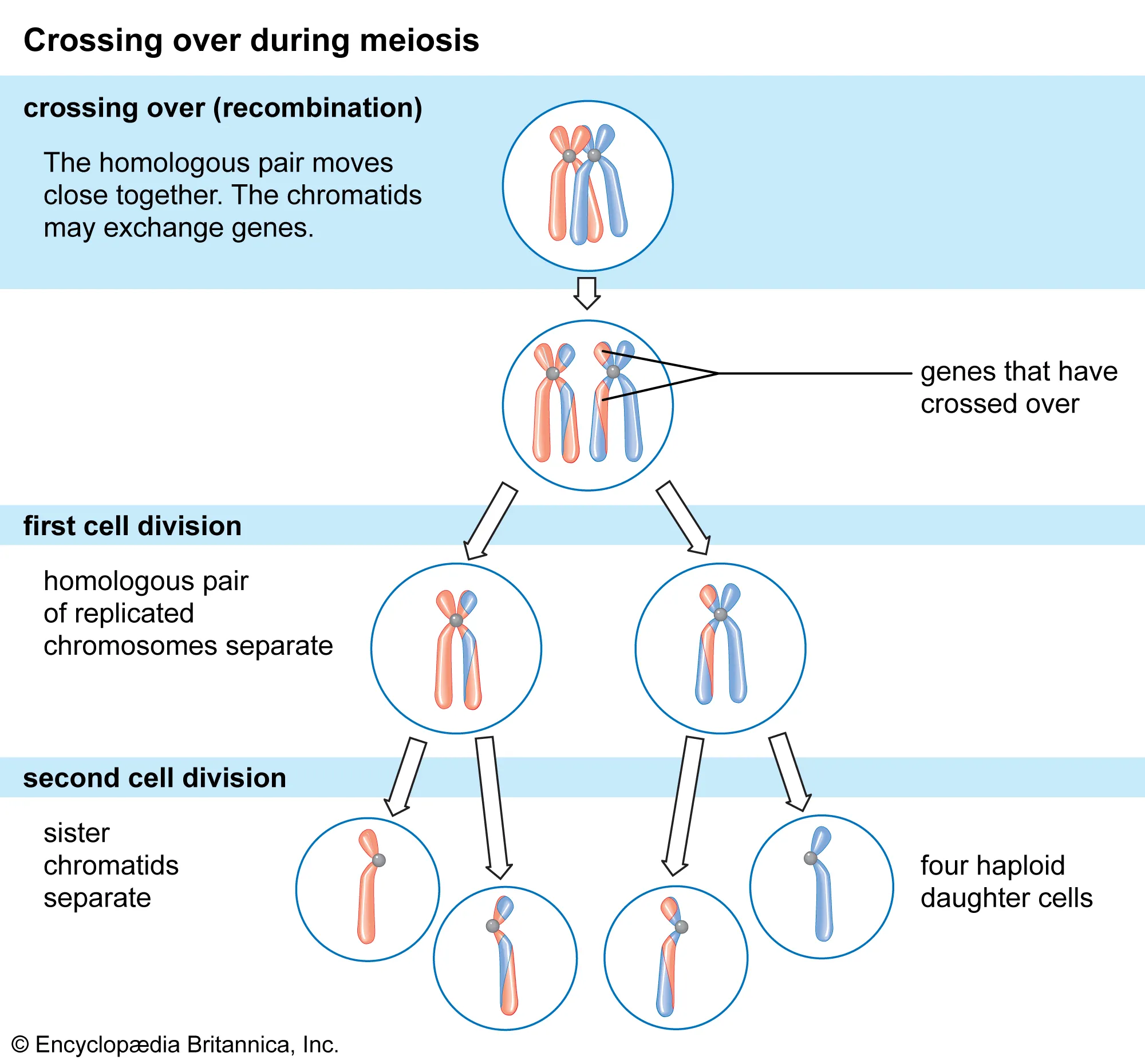
What is crossing over?
Answer: Crossing over is an event during meiosis in which corresponding chromosomes exchange sections of genetic material.
This creates new combinations of genetic information and contributes to genetic variation.
Why does meiosis help explain why siblings are different from one another?
Answer: Meiosis produces genetic variation. Because reproductive cells have different combinations of genetic information, siblings can inherit different combinations from their parents.
This helps explain why siblings can differ from:
Each other.
Their mother.
Their father.

How does mitosis help epithelial cells?
Answer: Mitosis allows epithelial cells to replace cells lost through everyday wear or injury.
Epithelial cells cover body surfaces and line many internal structures. Because these cells can experience regular wear, replacement through cell division is important for maintaining tissues.
How does cell division contribute to growth?
Answer: Cell division increases the number of cells in the body and contributes to growth.
However, cell division requires adequate materials and nutrients to support the production of new cells.

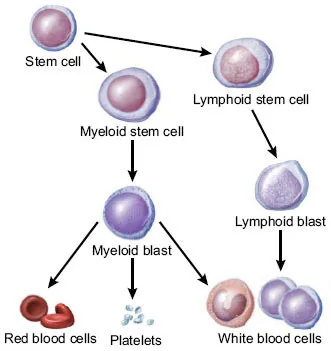
What are precursor cells, and how are they related to blood cell production?
Answer: Precursor cells are cells that can develop into more specialized cells.
Your notes explain that blood cells are continually produced from dividing precursor cells. This ongoing production helps replace blood cells as they are lost or age.
Which mature cells have limited ability to divide?
Answer: Some mature cells have limited ability to divide, including:
Neurons (nerve cells).
Cardiac muscle cells (heart muscle cells).
This means these mature cells generally have a more limited ability to replace themselves through cell division.
Does mitosis continue throughout life?
Answer: Yes. Mitosis continues in many tissues throughout life.
It allows the body to continue replacing cells, maintaining tissues, and repairing damage.
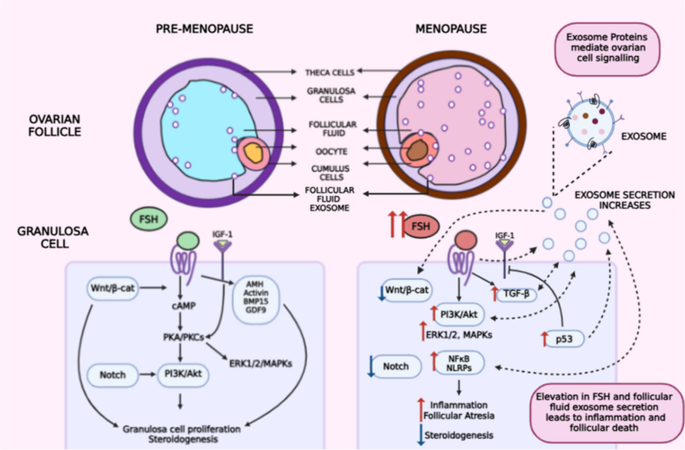
What happens to meiosis in the ovaries at menopause?
Answer: Meiosis in the ovaries ceases at menopause.
Your notes contrast this with sperm production, which can continue in males into old age.
How long can sperm production continue in males?
Answer: Sperm production can continue into old age.
Unlike ovarian meiosis, which ceases at menopause, sperm production can continue later in life.
What are the most important differences between mitosis and meiosis?
Answer:
Feature | Mitosis | Meiosis |
|---|---|---|
Purpose | Growth and repair | Gamete production |
Location | Many body tissues | Testes and ovaries |
Result | 2 cells | 4 cells |
Chromosomes | 46 | 23 |
Type | Diploid | Haploid |
Genetics | Generally identical | Genetic variation |
Special feature | Cell replacement | Crossing over |
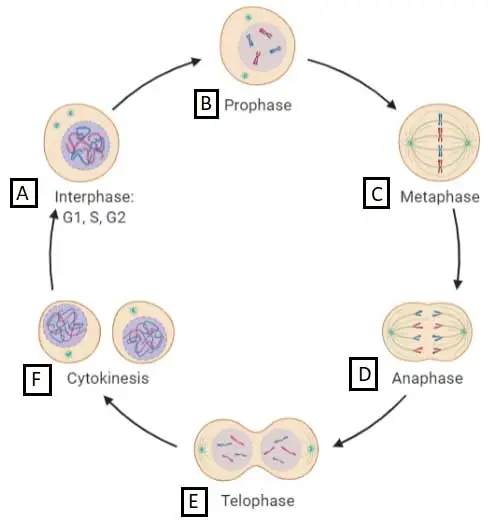
What is the cell cycle?
Answer: The cell cycle is the sequence of events a cell goes through as it grows, prepares for division, and divides.
Your lecture divides the cell cycle into two broad parts:
Interphase.
Mitotic Phase
During these processes, the cell grows, duplicates its DNA, prepares cellular structures, and eventually divides.
What are the two broad parts of the cell cycle?
Answer:
Interphase: The cell grows, performs its normal activities, duplicates DNA, and prepares for division.
Mitosis: The cell divides its duplicated genetic material and proceeds toward producing two daughter cells.
What is interphase?
Answer: Interphase is an active period of growth and preparation, not a dormant phase.
During interphase, the cell:
Grows.
Produces or duplicates organelles.
Obtains materials needed for growth.
Replicates its DNA.
Makes additional membrane.
Prepares for cell division.
Interphase contains three stages: G1, S, and G2.
What are the three stages of interphase, and what happens in each?
Answer:
G1 (growth phase): The cell grows and produces or duplicates organelles.
S (synthesis phase): DNA is replicated so each daughter cell can receive a complete copy.
G2: The cell grows further, makes additional membrane, and prepares for division.
Remember: G1 = growth, S = DNA synthesis, G2 = additional growth and preparation.
What happens during G1 (growth phase)?
Answer: During G1:
The cell grows.
The cell produces or duplicates organelles.
The cell obtains materials needed for growth.
The cell obtains materials needed for DNA synthesis.
These materials include nucleotide building blocks containing A, T, C, and G.
What are organelles, and why are they produced or duplicated during G1?
Answer: Organelles are specialized structures inside cells that perform particular functions.
During G1, the cell produces or duplicates organelles as it grows and prepares for division. This helps ensure that the resulting daughter cells have the cellular structures needed to function.
What materials does a cell need during G1 for DNA synthesis?
Answer: The cell obtains nucleotide building blocks containing:
A = Adenine.
T = Thymine.
C = Cytosine.
G = Guanine.
These are the four DNA bases used to build DNA.
What happens during S (synthesis phase)?
Answer: DNA is replicated during S phase.
This means the cell makes a copy of its DNA so that each daughter cell can receive a complete copy of the genetic information.
Why is DNA replication important before cell division?
Answer: DNA replication ensures that each daughter cell can receive a complete copy of the original cell's genetic information.
Without DNA replication, the resulting cells would not receive the complete genetic instructions needed to function properly.
What happens during G2?
Answer: During G2:
The cell grows further.
It makes additional membrane.
It prepares for division.
G2 is the final stage of interphase before mitosis.
What is the difference between G1, S, and G2?
Answer:
G1: Cell growth, organelle production or duplication, and obtaining materials.
S: DNA replication.
G2: Further cell growth, additional membrane production, and preparation for division.
What does PMAT stand for?
Answer:
P = Prophase.
M = Metaphase.
A = Anaphase.
T = Telophase.
These are the four main stages of mitosis.
Memory trick:
Prophase = Prepare.
Metaphase = Middle.
Anaphase = Away.
Telophase = Two new nuclei.
What is prophase?
Answer: Prophase is the first stage of mitosis.
During prophase:
DNA condenses into visible chromosomes.
These chromosomes are made of sister chromatids.
The nuclear membrane dissolves.
Centrosomes move toward opposite ends of the cell.
Prophase prepares the cell for division.
What does it mean when DNA condenses during prophase?
Answer: DNA becomes more tightly organized and compact, forming visible chromosomes.
This makes the genetic material easier to organize and separate during cell division.
What are sister chromatids?
Answer: Sister chromatids are two identical copies of a duplicated chromosome that remain attached to one another.
They are created when DNA is replicated during S phase.
During anaphase, the sister chromatids separate and move toward opposite ends of the cell.
What happens to the nuclear membrane during prophase?
Answer: The nuclear membrane dissolves.
The nuclear membrane normally surrounds and separates the nucleus from the rest of the cell. Its breakdown allows the cell's division machinery to access and organize the chromosomes
What are centrosomes, and what happens to them during prophase?
Answer: Centrosomes are structures that help organize the spindle apparatus during cell division.
During prophase, centrosomes move toward opposite ends of the cell.
Their positioning helps establish the direction in which chromosomes will be separated.
What are the four major events of prophase?
Answer:
DNA condenses into visible chromosomes.
Chromosomes consist of sister chromatids.
The nuclear membrane dissolves.
Centrosomes move toward opposite ends of the cell.
What is the main purpose of prophase?
Answer: Prophase prepares the cell for division by organizing the chromosomes and positioning the structures needed to separate them.
What is metaphase?
Answer: Metaphase is the stage of mitosis when sister chromatids line up at the center of the cell.
Spindle fibers attach to the chromatids, helping prepare them for separation.
What happens to chromosomes during metaphase?
Answer: Sister chromatids line up at the cell's center.
This central alignment helps ensure that the genetic material can be distributed between the two future daughter cells.
What are spindle fibers, and what do they do during metaphase?
Answer: Spindle fibers are structures involved in chromosome movement during cell division.
During metaphase, they attach to the chromatids and help prepare them for separation during anaphase.
What is the main purpose of metaphase?
Answer: To line up sister chromatids at the middle of the cell and attach spindle fibers so the chromatids can be separated correctly.
What is the memory trick for metaphase?
Answer: Metaphase = Middle.
Think of chromosomes lining up in the middle of the cell.
What is anaphase?
Answer: Anaphase is the stage when spindle fibers pull sister chromatids apart toward opposite ends of the cell.
This separates the duplicated genetic material so each future daughter cell can receive a set of chromosomes.
What pulls sister chromatids apart during anaphase?
Answer: Spindle fibers pull sister chromatids apart toward opposite ends of the cell.
Where do sister chromatids move during anaphase?
Answer: They move toward opposite ends of the cell.
This helps distribute the genetic material between the two developing daughter cells.
What is the difference between metaphase and anaphase?
Answer:
Metaphase: Sister chromatids line up at the cell's center.
Anaphase: Sister chromatids separate and move toward opposite ends.
What is the memory trick for anaphase?
Answer: Anaphase = Away.
The sister chromatids move away from each other toward opposite ends of the cell.
What happens during telophase?
Answer: During telophase, new nuclei form around the separated genetic material.
This helps establish two separate nuclear regions, one for each developing daughter cell.
What is cytokinesis?
Answer: Cytokinesis is the division of the cell's cytoplasm, resulting in two separate daughter cells.
It completes the physical separation of the original cell into two cells.
What happens during telophase and cytokinesis together?
Answer:
New nuclei form.
The cell divides.
Two daughter cells are produced.
What is the difference between telophase and cytokinesis?
Answer:
Telophase: New nuclei form around the separated chromosomes.
Cytokinesis: The cell divides into two separate daughter cells.
How long were the mitosis stages described as taking in lecture?
About one hour.
Prophase: 30 to 60 minutes (the longest phase of mitosis)
Metaphase: 2 to 10 minutes
Anaphase: 2 to 3 minutes
Telophase: 3 to 12 minutes
Total Mitosis (Overall): 30 to 60 minutes (while interphase takes much longer, ranging from 6 hours to extended periods)
What is the complete sequence of mitosis from beginning to end?
Answer:
Prophase: DNA condenses, the nuclear membrane dissolves, and centrosomes move apart.
Metaphase: Sister chromatids line up at the center, and spindle fibers attach.
Anaphase: Sister chromatids separate and move toward opposite ends.
Telophase: New nuclei form.
Cytokinesis: The cell divides into two daughter cells.
What happens to chromosome number during mitosis?
DNA is replicated before mitosis, but replication does not change the chromosome number from 46 to 92 in the usual chromosome-counting system. Each duplicated chromosome has two sister chromatids. After they separate, each daughter cell receives 46 chromosomes.
This is important because DNA replication doubles the DNA content, not the normal diploid chromosome number of the resulting daughter cells.
What is regulation of cell division?
Answer: Regulation of cell division refers to the processes that control when cells grow and divide.
Mitotic activity is influenced by three main factors in your notes:
Contact inhibition.
Hormones.
Genes.
These controls help determine when cells should divide and when they should stop
What is contact inhibition?
Answer: Contact inhibition is a process in which contact with neighboring cells can inhibit cell division.
When cells are surrounded by neighboring cells, that contact can signal them to stop dividing.
This helps regulate cell growth and prevents unnecessary cell division.
What happens when a cell loses contact with neighboring cells?
Answer: Loss of contact may signal nearby cells to divide and replace a lost cell.
For example, when cells are lost because of everyday wear or injury, nearby cells may receive signals that encourage them to divide and replace the missing cells.
Why is contact inhibition important?
Answer: Contact inhibition helps regulate cell division by preventing cells from continuing to divide when they are already surrounded by neighboring cells.
It contributes to the normal control of tissue growth.
How do hormones influence cell division?
Answer: Hormones affect growth and cell division.
Your notes specifically mention:
Growth hormone.
Other hormones that influence growth and cell division.
Hormones act as chemical signals that help regulate activities in the body.
What is growth hormone's relationship to cell division?
Answer: Growth hormone is one of the hormones that influences growth and cell division.
It helps regulate growth-related processes in the body.
How do genes regulate cell division?
Answer: Growth-regulating genes produce proteins that help control the cell cycle.
Your notes specifically identify:
Cyclins.
Kinases.
These proteins help control when a cell progresses through the cell cycle.
What are cyclins?
Answer: Cyclins are proteins involved in controlling the cell cycle.
They help regulate the timing and progression of cell-cycle stages.
What are kinases?
Answer: Kinases are proteins that help regulate cell-cycle activity.
They are involved in controlling processes that allow cells to progress through the cell cycle.
Why are cyclins and kinases important?
Answer: Cyclins and kinases help control the cell cycle.
They are important because cells must properly regulate when they grow, replicate DNA, and divide.
Problems with cell-cycle regulation can contribute to abnormal cell division.
What can errors in DNA replication affect?
Answer: Errors in DNA replication can affect the controls that regulate cell division.
These errors can result in mutations that interfere with normal cell behavior.
What are three possible outcomes when a mutation occurs in a cell?
Answer:
A mutation may cause a cell to:
Die.
Stop dividing.
Divide uncontrollably.
Uncontrolled cell division is particularly important because it can contribute to cancer.
How is abnormal cell division connected to cancer?
Answer: Cancer can develop when mutations affect genes responsible for regulating cell growth and division.
When these controls become disrupted, cells may divide uncontrollably instead of following normal cell-cycle regulation.
What is the difference between normal cell division and uncontrolled cell division?
Answer:
Normal cell division: Cells divide under appropriate controls to support growth and tissue repair.
Uncontrolled cell division: Cells continue dividing abnormally because the normal regulatory controls have been disrupted.
Uncontrolled cell division can contribute to tumor formation and cancer.
What is cancer?
Answer: Cancer is a disease that can arise when mutations affect genes responsible for regulating cell growth and division.
These mutations can interfere with normal cell-cycle controls and allow cells to divide uncontrollably.
This abnormal growth can lead to tumor formation and, in malignant cancers, invasion and spread to other parts of the body.
What are mutations in relation to cancer?
Answer: Mutations are changes in genetic material.
When mutations affect genes that regulate cell growth and division, they can interfere with the normal controls that determine when cells should divide.
Depending on the mutation, a cell may die, stop dividing, or divide uncontrollably.
What are the five possible causes or contributors to cancer listed in your notes?
Answer:
Inherited genetic variants.
Environmental exposures.
Radiation, especially ultraviolet (UV) exposure.
Some viruses.
Random mutations that occur even without an obvious exposure.
How can inherited genetic variants contribute to cancer?
Answer: Inherited genetic variants can contribute to cancer risk.
They are genetic differences passed through families that may affect genes involved in regulating cell growth and division.
Having an inherited risk does not guarantee that a person will develop cancer.
How can environmental exposures contribute to cancer?
Answer: Environmental exposures can introduce factors that damage DNA or contribute to mutations.
Your notes specifically identify:
Tobacco smoke.
Asbestos.
Other chemical carcinogens.
These exposures can contribute to changes in genes that regulate cell growth and division.
What is a carcinogen?
Answer: A carcinogen is an agent or substance that can contribute to the development of cancer.
Your notes mention chemical carcinogens, including exposures associated with tobacco smoke and asbestos.
How can tobacco smoke contribute to cancer?
Answer: Tobacco smoke contains substances that can damage DNA and contribute to mutations.
If these mutations affect genes controlling cell growth and division, they can contribute to cancer development.
How can asbestos contribute to cancer?
Answer: Asbestos is an environmental exposure identified in your notes as a possible cancer contributor.
Exposure to asbestos can increase the risk of certain cancers.
How can radiation contribute to cancer?
Answer: Radiation can damage genetic material and contribute to mutations.
Your lecture specifically emphasizes ultraviolet (UV) exposure as an important radiation-related cancer risk.
What is ultraviolet (UV) radiation?
Answer: UV radiation is a type of radiation that can damage DNA.
Excessive exposure, especially from sunlight or artificial UV sources, can contribute to mutations and increase the risk of skin cancer.
How can some viruses contribute to cancer?
Answer: Some viruses are associated with cancer development.
They may contribute to changes in normal cell regulation and increase the possibility of abnormal cell growth.
What are random mutations?
Answer: Random mutations are genetic changes that can occur without an obvious environmental exposure.
Your notes emphasize that cancer-causing mutations do not always have an identifiable cause.
Why does cancer risk generally increase with age?
Answer: Cancer risk generally increases with age because cells have undergone more divisions over time.
With more cell divisions, there are more opportunities for mutations to occur and accumulate.
Does a cancer risk factor mean a person will definitely develop cancer?
Answer: No.
Your notes explain that:
Exposure varies between individuals.
Individual risk varies.
Having a risk factor does not guarantee cancer.
A risk factor increases the possibility of developing a disease but does not mean the disease will definitely occur.
What is a tumor?
Answer: A tumor is an abnormal mass of tissue resulting from excessive or uncontrolled cell growth.
Your notes distinguish between two types:
Benign tumors.
Malignant tumors.
The most important distinction is whether the tumor invades surrounding tissue and spreads to distant locations.
What is a benign tumor?
Answer: A benign tumor is a tumor whose growth is generally localized and may stop.
According to your notes:
Growth is generally localized.
Growth may stop.
It is often encapsulated.
It does not metastasize.
What does localized mean when describing a benign tumor?
Answer: Localized means that the tumor remains in the area where it originally developed rather than spreading to distant tissues or organs.
Benign tumors generally remain localized.
What does encapsulated mean?
Answer: Encapsulated means that a tumor is enclosed or surrounded by a boundary or capsule.
Your notes explain that benign tumors are often encapsulated.
This can help distinguish their typical growth pattern from malignant tumors, which may be unencapsulated.
Do benign tumors metastasize? Why or why not?
Answer: No. According to your notes, benign tumors do not metastasize.
Their growth is generally localized, and they do not spread to distant tissues or organs.
What is a malignant tumor?
Answer: A malignant tumor is a cancerous tumor that can continue growing and invade surrounding tissue.
According to your notes:
It can continue growing.
It can invade surrounding tissue.
It may be unencapsulated.
It may spread through the blood or lymphatic systems
What does invasion mean in relation to malignant tumors?
Answer: Invasion means that malignant tumor cells can grow into and affect surrounding tissues.
This is an important characteristic that distinguishes malignant tumors from benign tumors.
What does unencapsulated mean?
Answer: Unencapsulated means that a tumor may not have a surrounding capsule or boundary.
Your notes explain that malignant tumors may be unencapsulated, allowing them to invade nearby tissues.
How can malignant tumors spread throughout the body?
Answer: Malignant tumors may spread through:
The blood system.
The lymphatic system.
Cancer cells can travel through these systems and reach distant tissues or organs.
What is metastasis?
Answer: Metastasis is the spread of cancer to distant tissues or organs.
It occurs when cancer spreads beyond its original location. Metastasis is an important characteristic of advanced malignant cancer.
What is the difference between benign and malignant tumors?
Answer:
Benign | Malignant |
Generally localized | Can invade surrounding tissue |
Growth may stop | Can continue growing |
Often encapsulated | May be unencapsulated |
Does not metastasize | May spread through blood or lymph |
Noncancerous | Cancerous |
Why is metastasis important when identifying cancer severity?
Answer: Metastasis indicates that cancer has spread from its original location to distant tissues or organs.
It is particularly important in cancer staging because Stage 4 cancer is defined in your notes as metastatic cancer that has spread to distant sites.
What are cancer stages?
Answer: Cancer stages describe how extensive the disease is and how far the cancer has progressed.
Your notes identify:
Stage 0.
Stage 1.
Stages 2–3.
Stage 4.
In general, a higher stage indicates more extensive disease.
What is Stage 0 cancer?
Answer: Stage 0 means abnormal cells remain in place.
The abnormal cells have not spread into surrounding tissues.
What is Stage 1 cancer?
Answer: Stage 1 is characterized by:
A small tumor.
A localized tumor.
No spread to nearby lymph nodes.
It represents an early stage of cancer according to the simplified staging information in your notes.
What is Stage 2 cancer?
Answer: Stage 2 is characterized by a larger or deeper tumor.
The cancer may involve surrounding tissues or nearby lymph nodes.
a primary tumor has grown larger and may have spread to nearby tissue or local lymph nodes, but it has not metastasized (spread) to distant organs in the body