Oral Surgery: Extraction Techniques-> check analgesia and 2nd one
 Call Kai
 Learn
 Practice Test
 Spaced Repetition
 Match
 Flashcards
 Knowt Play
1/48

There's no tags or description
Looks like no tags are added yet.
49 Terms
Things needed for an oral surgery
-periodontal probe
-explorer
-chart
diagnosis and plan for oral surgery
-radiographs

analgesia for oral surgery
-local analgesia most effective
use others too

when use antibiotics before surgery
-infection present, pyrexia
-can give single shot to act when we could cause the bacteraemia→ only in those where theres compromise and we think it will be problematic
-often amoxicillin
site prep for oral surgery
-scale
-polish
-flush
-disinfect (0.21 chlorhexidine)

what to use scalpel for (1st step)
-release gingival attachement around tooth
-number 15 blade in sulcus
-use on buccal aspect and allows for luxator to get in to peridontal ligament space
-release tooth from socket
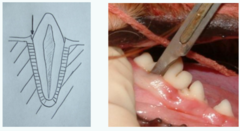
describe luxator
-thin sharp blade
-do not twist as not strong
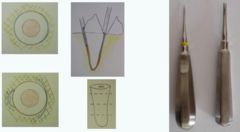
describe elevator
-thicker
-use tension and force
-can rotate

how do we use elevators
put into periodontal lig space → break down fibres and extend socket
make sure size is blade shape and diameter fits the root

treansverse section of tooth in pocket
-need right size of instrument to get into peridontal space
-too small instrument will sit proud of it and damage bone
-if too big then will break bone

aim of luxation and elevation
-break down PDL fibres by advancing down and holding tension for 20 secs, will see bleeding when fibres break (elastic→ plastic→ shear)
-slight expand socket of alveolus
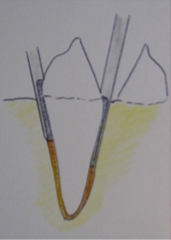
techniques for luxation
cut PDL fibres
technique for elevation
-fatigue PDL fibres
-expand alveolus
why do we do tooth sectioning
Dividing tooth for easier extraction→ turn into single roots
-cut into gingiva and epithelial attachment
-push out of way into sulcus
-burr from furcation out in diagonal line to chop out diamond shape and have roots on each side allowing to take instrument straight into peridontal space


how should you work the elevator
between root and bone
dont lean on neighbouring tooth as will damage if keeping it
what elevation techniques are there
wedging and rotatitng
wedging and rotation
-wedge luxator in to cut PDL
-twist bottom edge so engages with bottom root so opens up
-try and place elevator in between cut in half teeth and let tension, then move to bigger one
-ONLY APPLY FORCE TO ROOT NOT CROWN

rotation
elevator 20% or more down length of root
got the wedge effect → now twist
break things more
is vertical rotation

can use it horizontally
elevator blad in sideways (skinny way in)
then rotate and lean in against
ends broad ways
takes time, rushing = break root

simple or closed extraction
-no soft tissue flap
-no bone removal
-single rooted teeth
-multi rooted teeth
-mobile dentition
what do we get is we use the right technique correctly (simple/ closed or surgical/ open)
-tissue preservation
-faster healing
-reduced discomfort
surgical/open extraction technique
-create flap
-bone removal
-multi rooted teeth
-immobile teeth
-root remnants
-persistent deciduous
-avoid complication
single rooted simple/closed extraction
-neighbouring teeth healthy and not much room so makes this hard
outer labial aspect
inner lingual aspect
-once got good movement can use extraction forceps
-use extraction forceps on root to push in and pull out

when would we move to a surgical extraction
not worked or not easy to take out
issue with this flap

-too small
-roots are bigger than the flap
-need to section tooth and burr bone
-suture line would be over root meaning will get movement and dehiscence
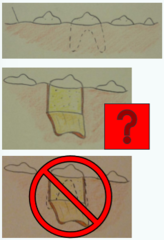
what is wrong with this flap
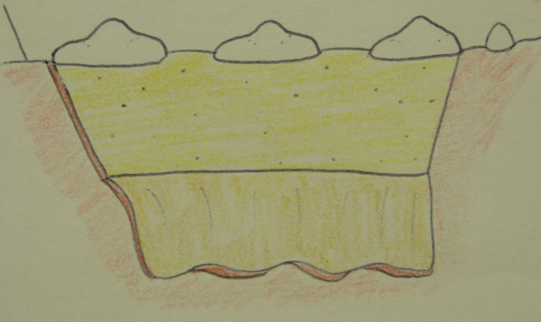
-3 sided oblong shaped flap
-narrow base to flap compared to edge as want good blood supply
converges
want broad based

principles of surgical extraction with flap
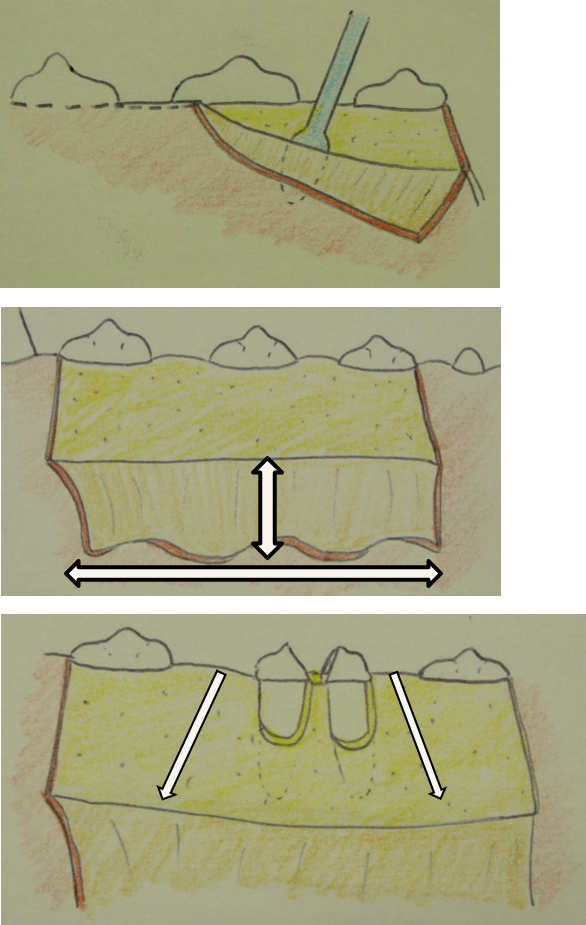
-along big aspect
-divergent like the roots
-horizotnal relasing incision at edge of tooth → never part way along a tooth
-use periosteal elevator
concave on bone → peel flap back
-straight down incisions making broader than flap
-make window over the roots individually→ can start small and get bigger
-then remove tooth like normal
flap size
-a tooth in front and tooth behind
-can just make vertical away from tooth
-place vertical releasing incisions (cannot be across tooth)

flap with periosteal elevator
-goes in after scalpel
-eases gingiva to peel from underlying bone
-need clean bone and cellophane flap
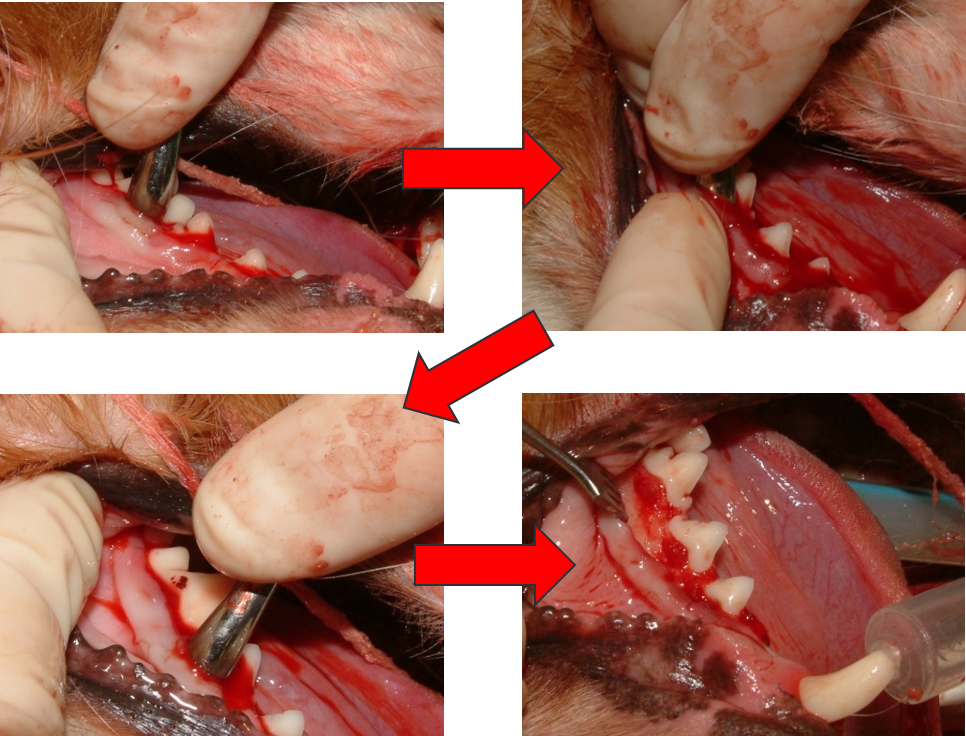

what should be ensured when doing flap with periosteal elevator
-no tearing
-work horizontally
tooth cutting method
-high speed
-patterns e.g. round bur, fissure bar
-eye protection (operator and assistants)
-protect soft tissue→ cut away
-cut towards crown
-furcation: section
-crown: enamel bulge


bone cutting method
-min heat
-low speed and irrigant
-rongeurs (bone nibblers→ smooth sharp bits)
-remove bone from over socket of root

surgical bone window
then use elevators and luxators
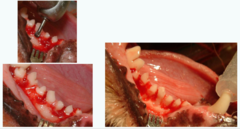
surgical bone windows and gutters
-take big burr, paint away bone support
-cut into peridontal ligament space
take tiny burr and cut into small space to create gutter in PDL space
-elevator blade into it to finish
-let root show self as paint away
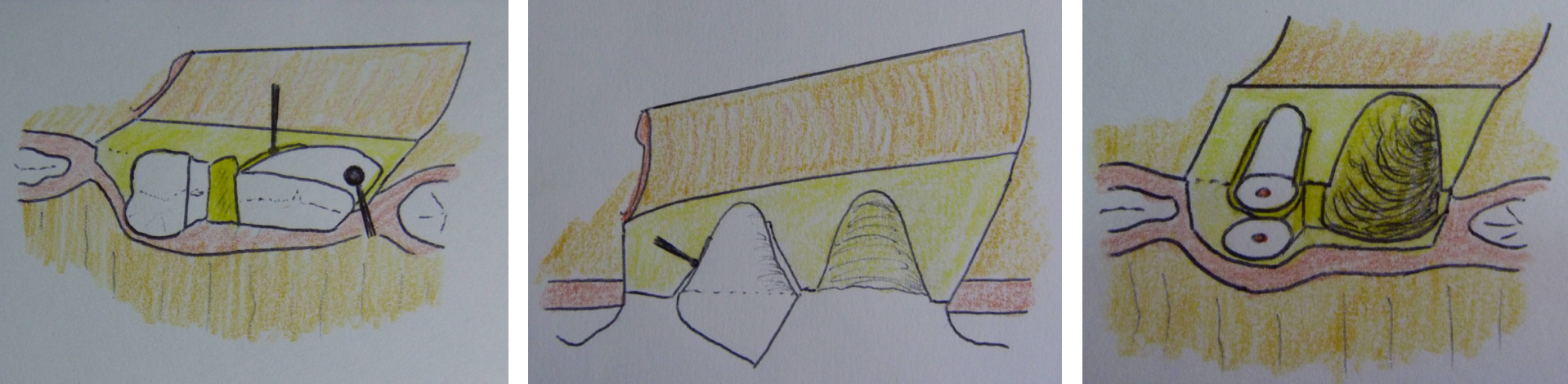

surgical bone window and gutter of canines
care neurovascular bundles
periostrum become internal lining of flap
clean alveolar bone with no soft tissue on flap???
big 3 side flap and big window (2/3-3/4 of root length)
-create narrow gutters
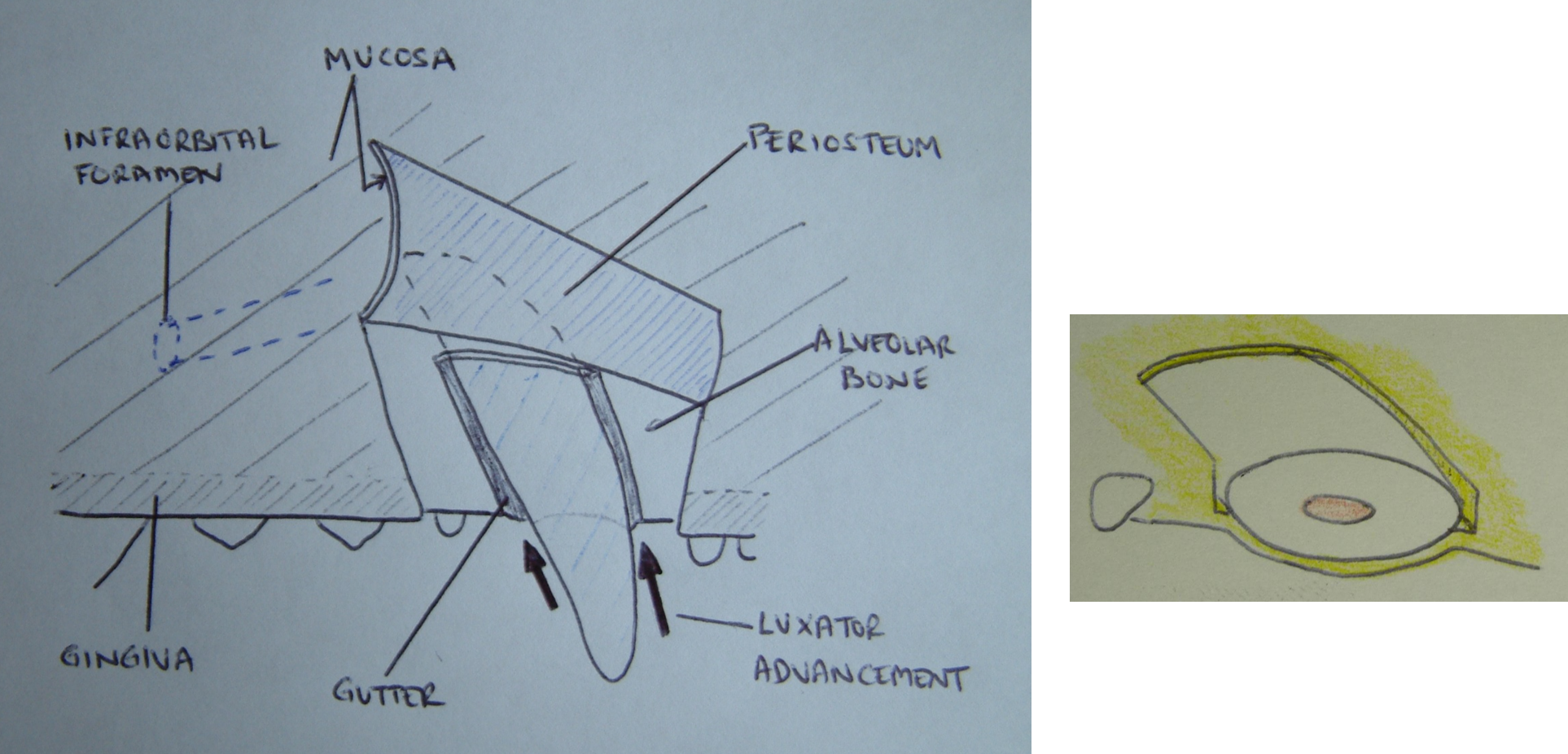
principles of luxation and elevation
hold low to bottom so incase slip theres not much space for it to go

alveoloplasty
-smooth bone (do not let sharp bony bits under flap, no debris in socket)
-minimal removal
-debride the sulcus and flush
-aim is a clean blood clot to heal

how to ensure a flap closure will be secure
-ensure secure enough bite through gingiva
suture patterns for flap closure
-simple interrupted
-cruciate (bigger areas)
-mattress
-continuous
suture material and needle for flap closure
-reverse cutting
-dissolving, monocryl or vicryl rapide
-4-0 (larger) or 5-0 (smaller)
what must be endsured in flap closure
-zero tension
-supported sutures by underlying bone (not void)
post op considerations
Analgesia
Pre, peri & post operative
Local anaesthetic
Feeding
Antibiotics?
Rechecks
Homecare
analgesia
pre peri and post op
-opiate
-NSAIDs
-LA
what additional analgesia can be given if needed
dogs- paracetamol
cat
—
why antibiotics
if could get infected then give for 3 days but try not to give
-crushed bone?
amoxicillin-clavunolate usually
homecare after surgery
tooth brush after 1st check up
chlorhexidine
when do rechecks
3-5 d → can see if theres a socket infection
10-14d
when break root, what to do
do not dig into a dark hole, must become surgical, ends up somewhere not meant to
-create gutter and window
what not to do if break root
dont dig blindly → can push it into mandibular canal
never burr
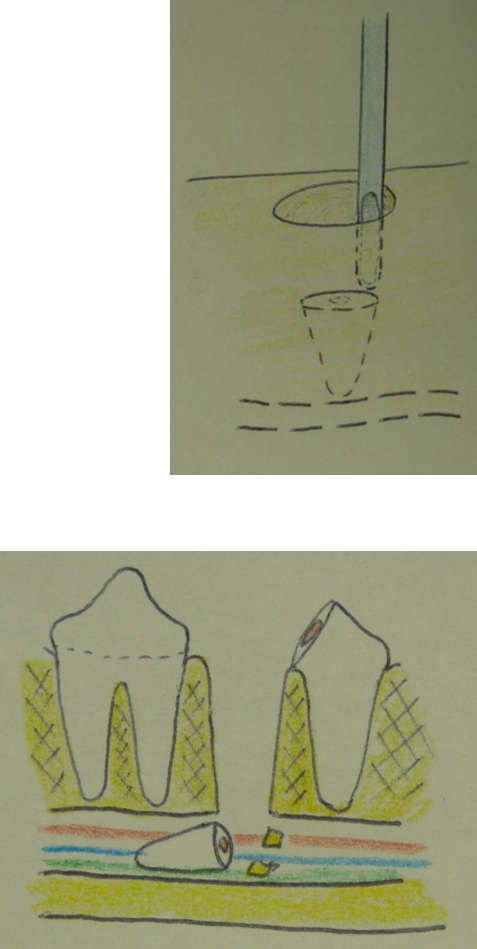
roots left in
lavage
make sure blood clot
radiograph
close
abx for few days
ask referral