Assessing a Patient with Suspected Infection
 Call Kai
 Learn
Learn Practice Test
 Spaced Repetition
 Match
Match Flashcards
 Knowt Play
1/17

Earn XP
Description and Tags
Clinical Uses of Antibiotics 1
Name | Mastery | Learn | Test | Matching | Spaced | Call with Kai | Chat |
|---|
No analytics yet
Send a link to your students to track their progress
18 Terms
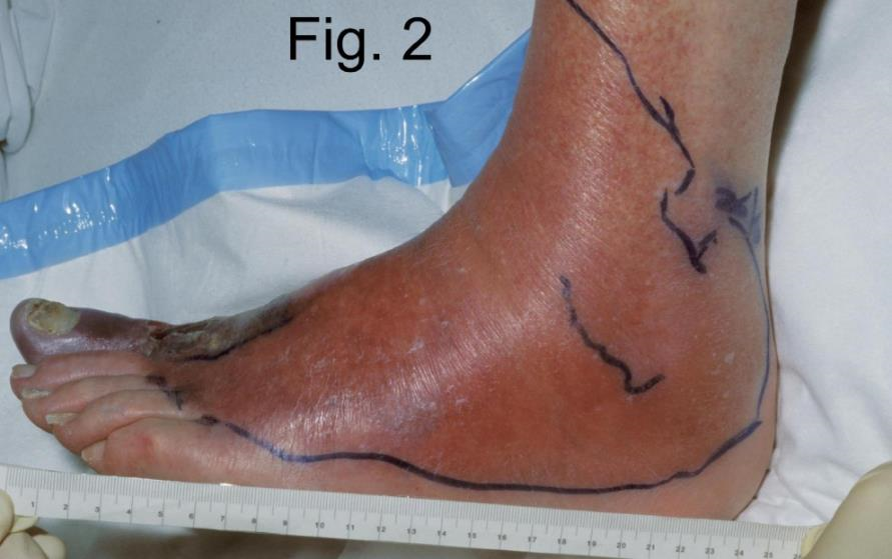
When infections occur, there are usually signs. For example, we can use signs of local inflammation (heat, swelling, redness, pain) to identify the infection, or the signs associated with systemic manifestations (such as fever, raised heart rate, delirium).
However, infection is not always obvious. Why can infection be difficult to recognise, particularly in older people and children?
Infection may occur with or without fever or local symptoms.
Older people may present with confusion or a decline in function, often with fever
Children may initially compensate well, making serious illness difficult to recognise before their condition deteriorates
Why can’t symptoms alone diagnose or rule out infection?
Symptoms and signs can have other causes (differential diagnoses) that also need to be identified and managed.
What does differential diagnosis mean?
A differential diagnosis is a list of possible conditions that could be causing a patient's symptoms.
Which investigations can help identify or confirm an infection?
Blood tests that identify:
White blood cell count
Inflammatory markers
Blood cultures
Site-specific tests:
Chest X-ray
Urine culture
Sputum culture
Test for other key differential diagnoses
When prescribing an antibiotic to treat an infection, you have to weigh out the balance between the potential harms of not treating, and the harms of treating.
What are the harms of not treating, and what are the harms of treating?
Harms of not treating:
Probability of bacterial infection
Severity and prognosis of infection
Patient risk factors for severe infection / complications
Risk of transmission
Harms of treating:
Missed differential diagnosis
Adverse effects of antibacterials
Antibacterial stewardship
What is acute cellulitis?
Definition: An acute bacterial infection of the dermis and subcutaneous tissue
PC: Hot, red, swollen, painful skin. Usually lower limb. Can present blisters, fever, malaise, nausea
Common pathogens: Staphylococcus aureus, Streptococcus pyogenes
Differential diagnoses: Deep vein thrombosis, septic arthritis, gout
What factors should be assessed in acute cellulitis to guide antibiotic choice and treatment setting?
Infection risk factors: cellulitis on face (peri-orbital cellulitis needs to be sent to hospital), unusual pathogens, MRSA status
Risk of complications: Ulcers, nectroising fasciitis, sepsis
Patient risk factors: Diabetes, vascular disease, immunocompromised, age

How is acute cellulitis managed in community (patients who do not need hospital admission)?
Flucloxacillin = Antibiotic taken orally = 500-1000mg QDS for 5-7 days
Fluids and paracetamol / ibuprofen for pain and fever
Elevate the affected leg to reduce swelling
Use emollients to prevent dry, cracked skin
Safety netting: when to seek help
Do sore throats need antibiotics?
Not usually, because sore throats are usually:
Common
Caused be a viral infection
Self limiting within 1 week
Antibiotics make very little difference to symptoms
What is the common advice for sore throats?
Drink fluids
Take ibuprofen and paracetamol
Take medication lozenges
Avoid hot drinks
What is the common bacterial cause of a sore throat?
Group A streptococcus (GAS)
You need to treat GAS with antibiotics to prevent acute rheumatic fever, reduce severity, and prevent transmission
How do you diagnose whether a sore throat is caused by a bacterial infection?
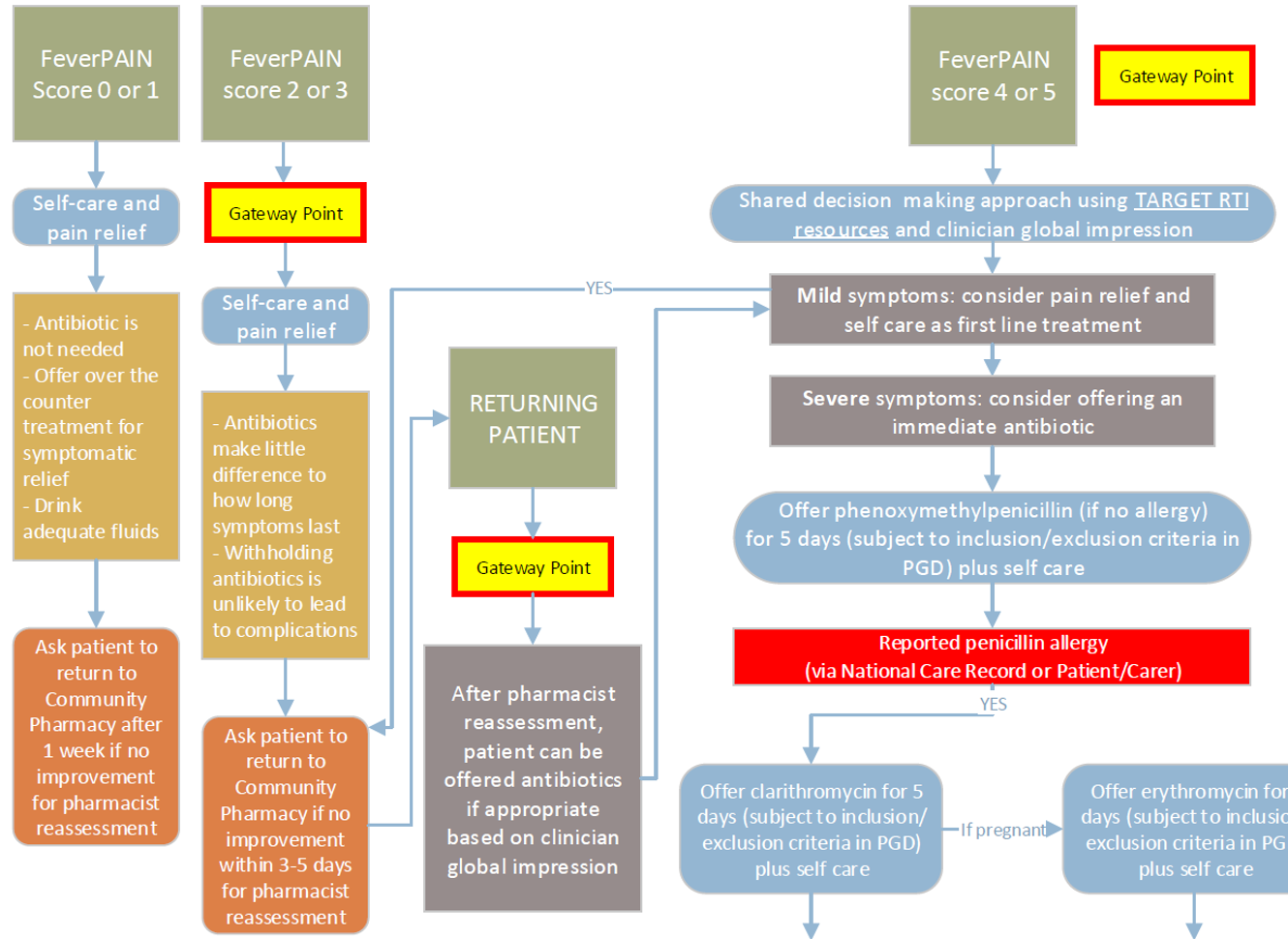
We use the FeverPAIN score
It assesses the likelihood of a sore throat being caused by a bacterial infection and guide antibiotic prescribing
Fever (> 38°) +1
Purulence (pharyngeal/tonsillar exudate) +1
Attend rapidly (within 3 days of onset) +1
Severely Inflamed tonsils +1
No cough or coryza (cold symptoms) +1

Consider an antibiotic for a sore throat if:
FeverPAIN score is 4-5 and there are severe symptoms, or patient not getting better
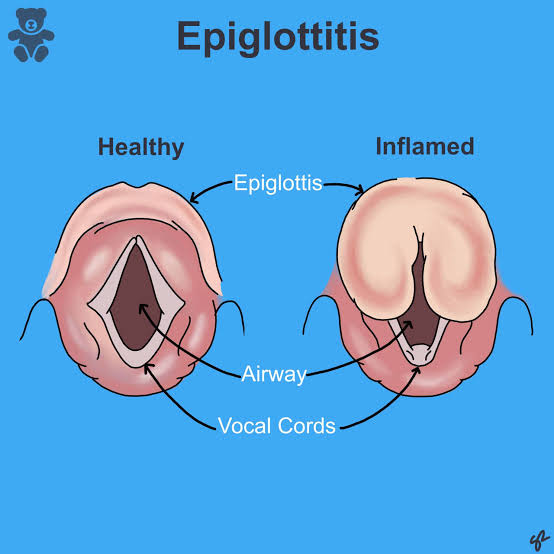
If you suspect epiglottitis, call 999. Do not examine the throat.
What is epiglottitis?
Definition: Inflammation of the epiglottis
Symptoms:
Severe sore throat
Stridor
High fever
4Ds:
Dysphonia
Drooling
Dysphagia
Distress
Which diagnoses should be recognised in a patient presenting with a sore throat?
Infectious mononucleosis (glandular fever) = Fever and sore throat lasting more than a few days, particularly in young adults with lymphadenopathy.
Group A Streptococcus (scarlet fever / iGAS) = Sandpaper rash and strawberry tongue
Retropharyngeal or peritonsillar abscess (quinsy)
Lemierre syndrome
Diphtheria
Measles
HIV
Oropharyngeal cancer
Leukaemia
Behcet’s syndrome
Kawasaki’s disease
What is sepsis?
A life-threatening medical emergency that happens when your immune system has an extreme, toxic overreaction to an infection, damaging its own tissues and organs rather than just fighting the germs.

With sore throats, what signs indicate urgent hospital admission?
Severe illness: Stridor or breathing difficulty; clinical dehydration; marked systemic illness.
Severe complication: e.g. Peri-tonsillar abscess/cellulitis, quinsy.
Suspected urgent cause: such as Kawasaki disease, diphtheria.
Patient at high risk: e.g. immunocompromised, infant, very old.
How do we safety net with a sore throat?
Advise to seek follow up if:
Symptoms have not improved after a week (reconsider antibiotic treatment or alternative diagnoses)
Urgent if any signs of sepsis, difficulty breathing, difficult swallowing saliva or liquids, severe pain, one sided neck or throat swelling, severely unwell. Trust your instincts, if you suspect sepsis, act on it