My pet has eaten something (toxins)
 Call Kai
 Learn
 Practice Test
 Spaced Repetition
 Match
 Flashcards
 Knowt Play
1/135

There's no tags or description
Looks like no tags are added yet.
136 Terms
known ingestion or exposure follows what basic principles
-decontamination
-assessment of effects
-treatment of symptoms
how can a toxin be absorbed
-eaten
-skin exposure
-inhalation
-metabolised
how can an eaten toxin be absorbed
-through mmem (rapid so cannot stop this in time)
-across intestinal mucosa after transiting stomach (slow)
how can products be absorbed from skin exposure
-spot on products are quick
-some groomed and ingested like permethrin from dog to cat
a toxin that could be inhaled
carbon monoxide
is rare tho
when do most compounds become toxic
when metabolised by the liver → so gives time to do something (gastric transit window)
in gastric transit window, what to do
-induce emesis or gastric decontam within 2-8 hours in dogs, 2-12 hours in cats so empty even if at end of 12 hours
-more full stomach means faster gastric emptying
drug to induce emesis in dogs
apomorphine
-licensed in dogs
drug to induce emesis in cats
-alpha 2 agonist like xylazine or medetomidine
-not licensed but can be used
-some wont vom with med
what should be avoided when inducing emesis
-neurologically compromised patients e.g. obtunded as aspiration risk
-avoid caustic substances (home remedies) like hydrogen peroxide causing oesophagitis and major complications
what do if cant induce emesis
stomach lavage
how to do stomach lavage
-orogastric tube placed
-warmed saline or hartmanns
-always kink tube on removal to avoid aspiration
use of laxatives to reduce transit time
-causes unnecessary fluid and electrolyte loss due to d+
what do we use to reduce intestinal absorption of a toxin
activated charcoal (absorbant)
why is activated charcoal good for intestinally absorbed toxins
-not for all toxins (always try if unknown toxin)
-activation makes charcoal very porous which increases surface area hugely
-carbon is reactive, some mols react with surface and bind to surface
-bound carbon toxin defecated
issue with activated charcoal
-causes black poo so cannot assess for any GI bleeding
-liquid version can have aspiration risk as it is syringe fed down so not good
skin exposure toxins decontam
-wash skin with water
-apply activated charcoal topically before washing off if want
how can lipid soluble toxins (eg. premethrin) on skin be removed
soap e.g. fairy liquid
issue with prolonged washing of toxin on skin
several mins can increase absorption of some chemicals with wash in effect
what not to use when washing off toxins on skin
dilute bleach
what to note when drying skin after washing off toxin on skin
absorption through abrasions so take care
inhaled toxins, what to do
-decontam not poss
-be careful attending scene to retrieve animal and washing patient and aerolising toxin
-always wear PPE
what can we do if a toxin has made it to the blood stream
still have an opportunity to prevent being metabolised
what to do about metabolised toxin
solution to pollution is dilution
-fluid therapy
-lipid infusion
why is fluid therapy good in a metabolise dtoxin
-increase GFR and promote renal excretion
-increased organ perfusion and transit of compounds to stop toxin causing damage to organs
-helpful even if not excreted renally
fluid therapy rate
2x maintenance
-want fluid overload
lipid infusion for metabolised toxins
-works well for lipid soluble compounds
-improved outcomes in some non lipid soluble too
side effects of lipid infusion
minimal
-pulmonary lipid embolus
-?ARDS (acute resp distress syndrome)
neuro signs with toxins
-seizures
-ataxia
-sedation
CV signs with toxins and how can we investigate this
-arrhythmias
-tachycardia
-bradycardia
-hypotension
-hypertension
ecg them
GI signs of toxins
vomiting and diarrhoea
renal signs with toxins
-azotaemia
-inappropiate USG
hepatic signs with toxin
-jaundice
-elevation in ALT, ALP, bile acids
haem signs of toxins
-prothrombin time
-apt time
platelet counts
-thromboelastography
-POCUS
-anaemia→ HCT, PCV
treatment of unknown toxin based on
symptoms
seizure control treatment
-diazepam iv x 3
-levetiracetam, phenobarbital iv
-propofol CRI→ induced coma
why diazepam for seizures
-midazolam better but off license so if used and didn't work would get into trouble
-rectal diazepam not best for absorption, iv way better
propofol cri for seizures
-basically anaesthetising animal for up to 24 hours
-not easy and takes a lot of work to maintain
hepatic damage treatment
supportive
-SAMe
-ursodeoxycholic acid
-silybin (milk thistle)
AKI treatment
-IVFT +/- diuretics depending on urine output
-dialysis
what to avoid with kidneys in toxin exposure
-cannot allow more urine out than fluid in as kidneys must be well perfused
-cannot become oligouric→ want them polyuric
-if become anuric then kidneys shutting down
CV and resp effects of toxins treatmnt
-antiarrhythmics (e.g. ALWAYS lidocaine)
-beta blockers (e.g. propranolol)
-parasympatholytics (e.g. atropine)
-manage BP
-oxygen therapy
when should give lidocaine
vtach
when would you give beta blockers
supraventricular vtach→ slows hr down
when should give parasympatholytics (atropine)
snakes or mushrooms
when hr too low
blood pressure management
-fluids
-low→ vasopressor (e.g. nor adrenaline)
-high → anti hypertensives (e.g. amlodipine)
what does amlodipine do
vasodilates as calcium channel blocker
vomiting treatment
-may not want to stop in acute phase otherwise will not know whether getting any better or not
-irretractable vomiting give anti emetic and fluids
anti emetic options
-maropitant
-metoclopromide
-ondansetron
diarhhoea treatment
-fluids
-GI diet
clotting issue treatment
-vit K1 (rat poison warfarin toxicity)
-plasma if just clotting factor issue (fresh frozen plasma)
-if its platelets issue → need whole blood
anaemia treatment
-packed rbcs or whole blood if cannot get packed rbcs
what do COX inhibitors do
reduce PG production
what do PGE2 and PGI2 play important roles in
-maintain afferent renal blood flow
-maintain GI mucus production, mucosal blood flow and cell turnover
COX inhibitors (NSAIDS) stops all of these
clinical signs of NSAID ir ibuprofen toxicity
-haemorrhagic vomiting or diarrhoea
-AKI
ibuprofen amount to cause GI and renal signs
GI 10mg/kg
renal 100mg/kg
specific treatment for NSAID or ibuprofen toxicity
-H2 blockers (ranitidine/cimetidine)→ reduce gastric acid production
-proton pump inhibitor (omeprazole)
-prostaglandin analogue (misoprostol)
-intralipid infusion
why is misoprostol good in NSAID ANS DIBUPROFEN TOXICITY
counteracts affects of prostaglandin inhibitor
who not to give misoprostol to
pregnant patient
bc is prostoglandin analogue
aspirin effect as toxin
-same as NSAIDs with prostaglandin inhibition
-greater inhibition of thromboxane
what ius thromboxane important for
platelet function
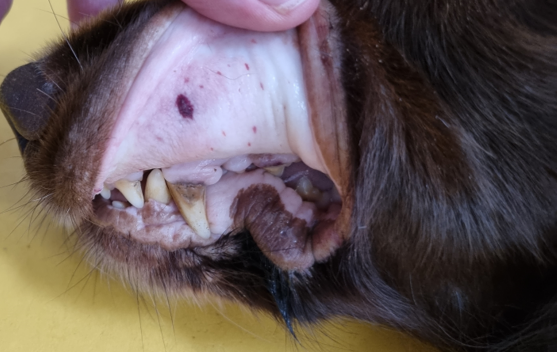
clinicsal signs of aspirin toxicity
-thrombocytopathywith bleeding e.g prolonged BMBT
-other nsaid associated
petichia

treatment for aspirin toxicity
-same as NSAID
-bleeding unlikely significant assoc with death before other damage
what kind of blood sample should you get from patient with aspirin tox
peripheral
not central (eg jugular) bc could bleed a lot
Acetaminophen/APAP=
Paracetamol
paracetamol toxicity
-Mechanism of action is believed to be via COX
-metabolised by liver primarily by glucoronidation then sulphate conjugation
-pathways saturated, cP450 oxidises excess into NAPQI
NAPQI detoxified by glutathione but stores can be exhausted
-PAP produced as well
what does NAPQI cause
-hepatic cell necrosis
-nephrotoxicity
what does PAP cause
methemoglobinaemia which prevents haemoglobin releasing oxygen
what is NAPQI de toxified by in the body
glutathione – but glutathione stores can be exhausted
clinical signs of paracetemol toxicity
-brown mm (methemeglobin)
-jaundice
-abdo pain
-lethargy
-vomiting
-AKI
-signs of hypoxia to tissue (brady or tachy arrhythmias, peripheral oedema esp in neck, resp distress)
diagnostic clue for paracetemol toxicity in cats
-brown blood
-cats have heinz body anaemia
treatment of paracetemol toxicity
-n acetyl cysteine
-H2 receptor antagonists
-ascorbic acid
-liver support with SAMe, UDA, silybin
-AKI support with IVFT
-GI support
what is acetyl cysteine
glutathione precursor → binds toxic metabolites
what is H2 receptor antagonists for paracetamol tox
reduce CP450 oxidation
ascorbic acid for paracetamol tox
reduces methaemoglobin to haemoglobin
what is in chocolate that is toxic
theobromine and caffeine
why are theobromine and caffeine so bad
are methyl-xanthines
-increase catecholamine release
-increase cAMP which increases intracellular calcium in cardiac and skeletal muscles
-inhibits adenosine receptors
what does chocolate primarily affect
cardiac rhythm and CNS→ tachyarrhythmia with ineffective output, seizure
clinical signs of cardiac toxicity (in order)
-hyperactivity (ask owners about this)
-vomiting/diarrhoea
-arrhythmias with VPCs, tachypnoea
-seizures
-coma
-death
why is it important to know when the patient has ingested the chocolate
to know how to treat
if become hyperactive → its absorbed it and is having an effect
is not ingestion → is now toxicity
treatment for chocolate toxicity
-chocolate is entero hepatic recycling (in and out of liver and GI) so charcoal every 4-6 hours
-severe may need intubation and urinary catheter (put into coma)
-ivft, ecg, monitor
what is xylitol
-sugar free chewing gum
-mimics glucose but without calories → release of insulin → hypoglycaemia
-can be in some peanut butters
what does xylitol do
-stims insulin release and hepatotoxic
-prolonged hypoglycaemia for 12-48 hours
-metabolised by liver → liver failure within 72 hours
signs of xylitol
-weakness
-collapse
-seizures
-coma
-death
-jaundice
specific treatment for xylitol toxicity
-hepato protectants: sAME, UDA, silybin
-glucose supplementation
-avoid further insulin spikes
how to supplement glucose from xylitol poisoning
-oral vs CRI
-bolus vs CRI
-give constant small meals or cri glucose via central line
-monitor every hour
diagnostic clues of xylitol toxicity
-hypoglycaemia
-elevated ALT
pyrethroids (premethrin)
found in insecticides
why cats susceptible to pyrethroids
lack enzyme → glucoronyl transferase for glucoronidation pathway
clinical signs of pyrethroid toxicity
act on neuronal axons (sodium channels)
-ataxia, tremors, disorientation and seizures
-dyspnoea and resp arrest
-hypersalivation and vomiting
-uncontrolled seizuring can cause rhabdomyolysis and subsequent AKI
can dogs get premethrin tox
yes!
diagnosis of pyrethroids based on
known exposure and clinical signs
treatment of pyrethroids
-general principles
-decontam may involve skin
-intralipid as permethrin highly lipophilic
cleaning products cause damage how
-contains acid and alkalis
-surface contact damage (skin, mucosa)
-ingestion causes damage to mucosa of oral, oesophageal and gastric
clinical signs of cleaning products toxicity
-oral pain
-dysphagia
-regurgitation
-vomiting
should we do gastric decontam of cleaning products
-risk of worsening oesophagitis as bring the liquid back up the oesophagus damaging it again
-orogastric tube and lavage but always risk of leak
treatment for cleaning product toxicity
-dilution is solution to pollution
-oral water or washing exposed surfaces with water
complication of cleaning product toxicity
-severe oesophagitis
-leads to fibrosis causing strictures
what is ethylene glycol
-anti freeze → sweet tasting and similar to alcohol so rapid absorption
so likely already active
how does ethylene glycol cause toxicity
-metabolised into glycoaldehyde, glycolic acid and oxalic acid
-glycoaldehyde =neurotoxic
-glycolic acid=severe acidosis
-oxalic acid=binds calcium causing calcium oxalate crystals in organs→ damage