Ocular Pain
 Call Kai
 Learn
 Practice Test
 Spaced Repetition
 Match
 Flashcards
 Knowt Play
1/18

There's no tags or description
Looks like no tags are added yet.
19 Terms
Analgesics types
Anesthetics: interrupt the signal to the brainstem/spinal cord, for short term use only
Peripherally acting: prevent firing of nociceptive receptors, includes NSAIDs
Centrally acting: opioids/narcotics, CNS receptors, interrupt pain message, caution with abuse

Sedatives/Adjuvants purpose
No direct analgesic effect, can increase efficacy though, includes
TCAD
benzodiazepines
promethazine
caffeine
NSAIDs
Peripherally acting, prevents firing of nociceptive receptors
Metabolized by liver, excreted by kidneys
Mostly anti-inflammatory with some analgesic effect
Ceiling effect: dose after which no further effect occurs
Block COX (1= gastric mucosa, 2= during inflammation), inhibit inflammatory/pain mediators, and inhibit migration of inflammatory cells
Can cause GI problems, cardiovascular issues, increase hypoglycemic effect
Contraindications: pregnancy/lactation, upper GI disease, liver/kidney disease, heavy alcohol use, CHF, vitamin K deficiency, pre/post op sx
Acetylsalicylic acid (ASA) (effect, use, dosage, AEs)
Asprin, mainly peripheral with some central effects
Used with narcotics, severe pain
Full ant inflammatory effect= 3-4 g daily
325-650 mg q4h, max 4 g/day
AEs: hypersensitivity (15%), salicylism (vertigo, nausea, tinnitus, respiratory alkylosis/depression), Reye’s syndrome (kids recovering from the flu, inflammation in liver and brain), bleeding, GI upset
Non-aspirin salicylates
Diflunisal
Magnesium salicylate
Propionic Acid Derivatives
Metabolized in liver, can aggravate kidney disease
Mostly anti-inflammatory

Ibuprofen
Motrin, Advil…
200 mg tablets
400 mg q4-6h, max dose 3200
Toxicity= kidneys
Naproxen
Naprosyn, EC Naprosyn, Midol
250-500 mg bid, max dose 1100 mg
Fewer GI effects than aspirin but more than ibuprofen
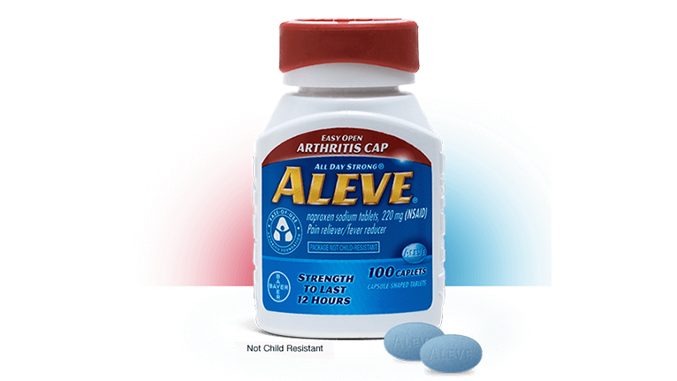
Naproxen sodium
Absorbed faster with quicker onset
Aleve (OTC): 220 mg BID, max dose 660
Anaprox (Rx): 275 or 550 mg, max dose 1100 mg
Ketoprofen
Rx only, better than aspirin and ibuprofen for pain/inflammation but higher risk of GI upset
50 (or 100) mg q6-8h, max dose 300 mg
Other NSAIDS
Meloxicam, diclofenac, piroxicam, indomethacin
Mod/severe joint pain, arthritis and gout
GI upset most common
NSAID cardiovascular impacts
Blocking COX-1 increases bleeding
Blocking COX-2 increases risk of emboli/thrombus
Blocking prostaglandins leads to water retention, impairing kidney function
Combined with SSRIs= increased risk of bleeding

Acetaminophen
Peripherally acting weak inhibitor of prostaglandins, analgesic effect same as asprin, little anti-inflammatory effect
Tylenol
Safest option during pregnancy and lactation, do not use with liver disease/alcoholics, caution with barbiturates, phenytoin, rifampin
325-1000 mg q4-6h, max 4 g daily, lethal= 13-25 g, >7.5 = liver toxicity
Opioids overview
Morphine like properties, bind to mu and kappa opioid receptors in the brainstem and spinal cord (mimic effects of endorphins)
No ceiling effect except codeine
Tolerance can develop, switch to another

Oxycodone
Most potent other than morphine, 10-12x more than codeine, fewer side effects
High potential for abuse (in 7 days), schedule 2
Often with acetaminophen, aspirin or ibuprofen

Hydrocodone
6x more effective than codeine, #2 for addiction, schedule 2
Less constipation, less sedation
Combined with acetaminophen, ASA, ibuprofen, cold medicines, homatropine

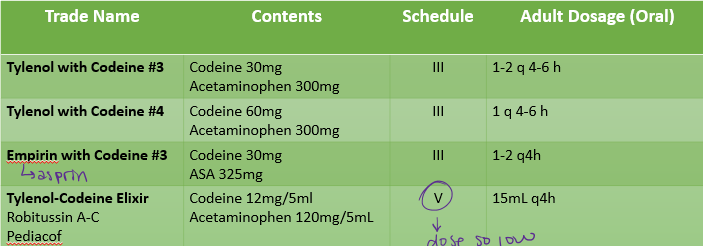
Codeine
Prodrug reliant on cytochrome P-450, 10% of caucasians deficient
Quick initial effect (20 mins)
Low potential for addiction, ceiling effects
Sedation, GI effects
Most likely to be Rxed for eye pain
Tramadol
Immediate release oral formulation (pain relief within an hour)
Lower efficacy, lower potential for addiction
Inhibits NEP/serotonin reuptake, caution with MAOIs

Opioid contrindications
Hypersensitivity
COPD
Kidney/liver disease
History/potential for abuse
CNS depressants (tramadol MAOI)